
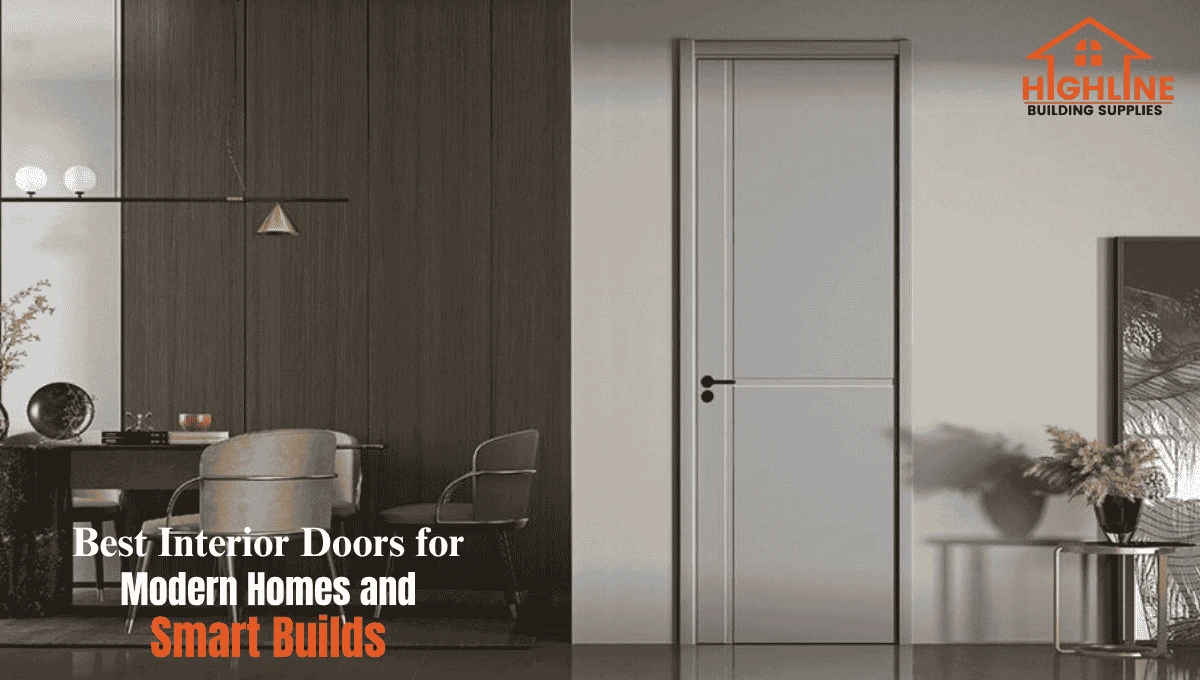
Choosing the best interior doors is one of those decisions that quietly shapes how your home feels, functions, and even sounds. Whether you’re building from scratch or replacing interior doors in an older space, the right choice can improve privacy, durability, and design cohesion while the wrong one can lead to ongoing frustration, noise issues, or costly replacements.
This guide breaks down what actually matters when selecting interior doors for modern homes and smart builds. You’ll learn how different materials perform, what to prioritize based on your space, and how to avoid the common mistakes that homeowners and builders often regret later.
What You Need to Know About Interior Doors
Interior doors are more than just separators between rooms they influence how a home flows, how sound travels, and how long your finishes last under daily use.
Key Factors That Define a Good Interior Door
Before diving into styles and materials, understand the core elements that impact performance:
- Core construction (hollow vs solid)
- Material quality (MDF, engineered wood, hardwood)
- Finish and durability
- Sound insulation
- Weight and feel
- Installation precision
For example, lightweight doors may save money upfront but often lack durability and sound control. On the other hand, heavier doors tend to feel more premium and perform better over time.
Types of Interior Doors: What Works Best Today
Modern homes demand a balance between aesthetics and functionality. Here’s how the most common options compare in real-world use.
Hollow Core Doors: Budget-Friendly and Lightweight
If you’re working with a tight budget or outfitting a large number of rooms, Hollow Core doors are often considered.
Best for:
- Closets
- Low-traffic rooms
- Budget-conscious builds
What to expect:
- Lightweight and easy to install
- Less durable over time
- Minimal sound insulation
These doors can work well in secondary spaces, but they’re not typically considered the best quality interior doors for main living areas.
Solid Core Doors: The Modern Standard
For most homeowners and builders, Solid Core doors offer the best balance between cost and performance.
Best for:
- Bedrooms
- Home offices
- Living spaces
Why they stand out:
- Better soundproofing
- Stronger and more durable
- More premium feel when opening/closing
If you’ve ever noticed how a door “feels” when you shut it, that solid, quiet close is usually a solid core door.
Solid Wood Doors: Premium and Long-Lasting
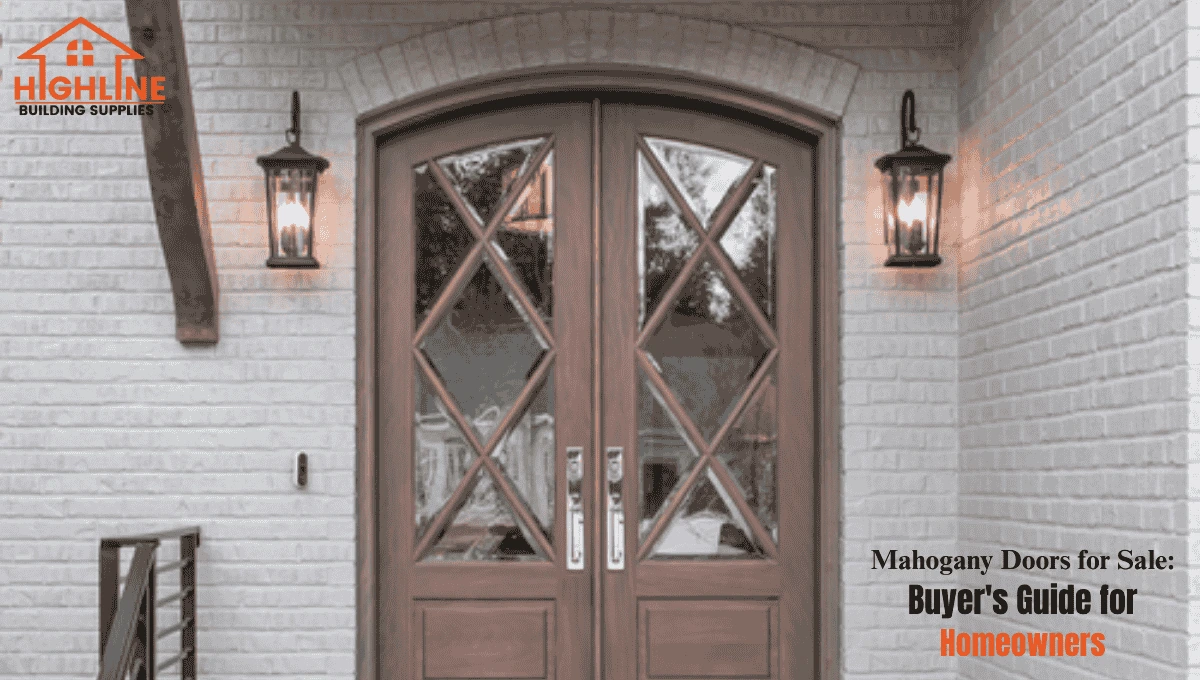
For high-end builds or statement interiors, solid wood doors like those featured in this guide to mahogany doors for sale deliver unmatched aesthetics and longevity.
Best for:
- Luxury homes
- Feature rooms
- Custom builds
Trade-offs:
- Higher cost
- Heavier installation requirements
- May require more maintenance
Explore Available Options
If you’re still comparing styles, browsing a curated collection of interior doors for sale can help you visualize what works best for your space and layout.
Benefits and Limitations of Modern Interior Doors
No door type is perfect for every situation. Understanding the trade-offs helps you make smarter decisions.
Benefits
- Improved privacy and noise control (especially solid core)
- Enhanced interior design consistency
- Better durability over time
- Higher perceived home value
- Customizable styles and finishes
Limitations
- Cost differences can be significant
- Heavier doors require proper installation
- Not all styles suit every room
- Low-quality options may warp or wear quickly
A common mistake is choosing based only on appearance without considering long-term performance.
How to Choose the Right Interior Door
Here’s what actually matters when selecting doors for real homes—not just showrooms.
1. Match the Door to the Room’s Function
Different rooms have different needs:
- Bedrooms: prioritize soundproofing (solid core)
- Bathrooms: moisture-resistant materials
- Closets: lightweight options are fine
- Home offices: solid doors for noise control
2. Think About Daily Use
High-traffic areas need durable finishes and strong cores. If a door will be opened dozens of times a day, it needs to hold up.
3. Consider Long-Term Value
Cheaper doors often need replacing sooner. Investing in better materials upfront can reduce long-term costs.
4. Pay Attention to Installation
Searching for interior door installation near me might seem like a simple step, but proper installation makes a major difference in:
- Alignment
- Smooth operation
- Longevity
Even the best door performs poorly if installed incorrectly.
Common Mistakes to Avoid
These are issues professionals see repeatedly—and they’re avoidable with the right planning.
- Choosing Based on Price Alone
Lower-cost options often compromise on durability and sound control. This becomes noticeable within months.
- Ignoring Sound Insulation
Thin doors allow noise to travel easily. This is especially frustrating in shared living spaces or work-from-home setups.
- Overlooking Door Weight
Heavier doors feel better—but they require proper hinges and framing.
- Mismatching Styles Across the Home
Inconsistent door styles can disrupt the overall design flow of a home.
- Poor Measurements During Replacement
When replacing interior doors, even small measurement errors can lead to:
- Gaps
- Dragging
- Misalignment
Expert Tips for Better Results
Based on real-world experience, these practices consistently lead to better outcomes.
Choose Solid Core for Most Living Spaces
It’s the safest “middle ground” for quality, durability, and cost.
Upgrade Hardware Alongside Doors
Handles, hinges, and locks affect both function and appearance.
Test Before Finalizing
If possible, physically handle a door before buying. The difference in feel is noticeable.
Plan for Future Needs
Think ahead especially for home offices, nurseries, or shared spaces where noise control matters.
Don’t Rush Installation
Even experienced builders take time to ensure proper alignment and fit.
Real-World Examples
Example 1: Home Renovation Upgrade
A homeowner replacing interior doors in a 15-year-old house switched from hollow to solid core doors in bedrooms and living areas. The result:
- Noticeably quieter rooms
- Improved resale value perception
- More “finished” feel throughout the home
Example 2: New Build Optimization
A builder used hollow core doors for closets but upgraded all main areas to solid core. This balanced cost while maintaining quality where it mattered most.
Example 3: Work-From-Home Adjustment
A remote worker replaced a lightweight office door with a solid core option. The improvement in sound isolation made a measurable difference in productivity.
Customer Experiences
We didn’t realize how much noise our old doors let through until we upgraded. The difference was immediate.
Switching to solid core doors made our home feel more high-end without a huge budget increase.
Installation mattered more than I expected. Once properly aligned, everything worked perfectly.
FAQ:
What are the best interior doors for noise reduction?
Solid core doors are the most practical option for reducing noise in most homes.
Are hollow core doors worth it?
They can be useful for closets or low-traffic areas, but they’re not ideal for main living spaces.
How much does it cost to replace interior doors?
Costs vary based on materials, labor, and quantity, but replacing interior doors can range widely depending on quality and installation complexity.
How do I know if I need new interior doors?
Signs include warping, difficulty closing, visible damage, or poor sound insulation.
Should I hire professionals for installation?
Yes especially for heavier doors. Searching for interior door installation near me can help ensure proper fit and long-term performance.
Final Thoughts
Choosing the right interior doors isn’t just about looks it’s about how your home feels and functions every day. By focusing on quality materials, proper installation, and practical needs, you can avoid common frustrations and create a more comfortable, durable living space.
For most modern homes and smart builds, a thoughtful mix of door types prioritizing performance where it matters delivers the best long-term results.
About the Author
Highline Supplies Editorial Team
The Highline Supplies team brings hands-on experience working with homeowners, contractors, and builders across a wide range of residential projects. Their insights are based on real installation challenges, material performance, and what actually works in everyday living not just showroom theory.



Leave a comment