
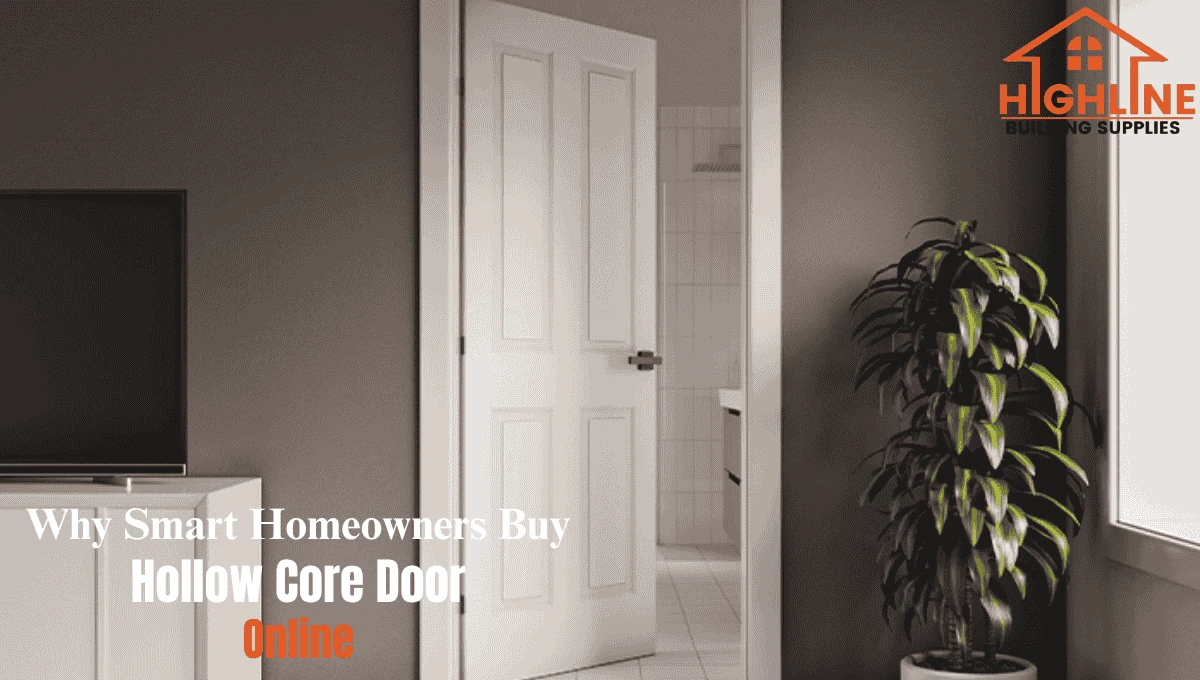
When homeowners buy hollow core door online, they’re usually looking for a practical balance of cost, style, and convenience. Interior doors may not get the same attention as flooring or kitchen cabinets, but they affect how a home feels, functions, and flows every single day. The right hollow core door can make a bedroom feel more finished, help a hallway look cleaner, or improve the usability of closets and utility spaces without stretching the renovation budget.
That’s why more homeowners, contractors, and property managers now prefer shopping online instead of driving from one showroom to another. Buying online makes it easier to compare styles, sizes, finishes, and configurations—while also helping buyers avoid one of the most common renovation mistakes: choosing a door based only on appearance instead of fit, function, and long-term value.
This guide breaks down what hollow core doors are, where they work best, how to shop smarter, and what to check before ordering. If you’ve been searching for an affordable hollow core door, a trusted hollow core door supplier, or even a hollow core door supplier near me, this article will help you make a more informed choice.
What Is a Hollow Core Door?
A hollow core door is an interior door built with a lightweight internal structure—usually a honeycomb or grid core—covered by a molded or engineered outer skin. Despite the name, it’s not completely empty. The interior is designed to provide shape and basic rigidity while keeping the door lighter and more affordable than solid core or solid wood options.
Why they’re so common in homes:
- They are budget-friendly
- They’re easier to install and handle
- They work well for standard interior rooms
- They come in many modern and traditional styles
For bedrooms, closets, laundry rooms, pantries, and hallways, hollow core doors are often the most practical choice.
Why More Homeowners Buy Interior Doors Online
Ten years ago, many buyers felt more comfortable shopping for doors in person. Today, online buying has become more common because product information is easier to access and comparison shopping is much simpler.
Here’s why online shopping often makes more sense:
- Better product visibility
You can compare designs, panel styles, and configurations side by side. - More size and style options
Local stores often stock only basic models, while online suppliers carry broader selections. - Less pressure, more research
You can review specifications, measurements, and installation details at your own pace. - Easier planning for renovations
Buying online helps when coordinating doors with flooring, trim, wall color, or closet systems.
This is especially helpful if you’re comparing options like hollow core interior doors for a larger remodel or multi-room upgrade.
The Benefits of Hollow Core Doors
The benefits of hollow core doors become obvious when you’re managing cost, timeline, and practicality during a renovation.
1) They’re More Affordable
One of the biggest reasons homeowners choose hollow core over solid core is cost. If you’re replacing multiple interior doors at once, the savings can be significant.
This matters most when:
- Updating older homes
- Renovating rental properties
- Refreshing bedrooms and closets
- Completing builder-grade upgrades on a budget
2) They’re Lightweight and Easier to Work With
A lighter door is easier to:
- Carry upstairs
- Position during installation
- Hang on existing frames
- Use for closet and bifold applications
This is especially helpful for DIY-minded homeowners or smaller installation crews.
3) They Fit Most Standard Interior Needs
For many rooms, you don’t need the extra mass of a solid core door. In everyday residential settings, hollow core doors often provide all the function you need for:
- Bedrooms
- Closets
- Linen storage
- Pantries
- Utility spaces
4) They Come in More Styles Than People Expect
A common misconception is that hollow core doors all look basic or builder-grade. That’s no longer true. Many newer styles offer cleaner lines, modern paneling, and more polished finishes.
For example, if you prefer a softer contemporary look, styles like 2 Pan Carrara can work well in updated bedrooms, home offices, and hallways.
Where Hollow Core Doors Work Best
Not every interior space needs the same kind of door. One of the smartest things a homeowner can do is match the door type to the room’s purpose.
Best Rooms for Hollow Core Doors
Bedrooms
A hollow core door is often more than enough for secondary bedrooms, kids’ rooms, or guest spaces.
Closets
Closet applications are one of the best use cases, especially for bifold or narrower access doors.
Laundry Rooms
For standard laundry enclosures, these doors often provide a clean, cost-effective finish.
Pantries and Linen Closets
These spaces usually don’t require heavy sound reduction or enhanced privacy, making hollow core ideal.
Hallway Utility Areas
Water heater closets, storage rooms, and service spaces are practical places to use them.
A good example is the 2- Panel Molded Primed Hollow Core Carrara Bifold Door, which is especially useful where floor space is limited and a swing door would be awkward.
Where Hollow Core Doors May Not Be the Best Choice
A good buying decision isn’t just about where a product works well. It’s also about knowing its limitations.
Hollow core may not be ideal for:
- Rooms where sound control matters a lot
- High-traffic doors that take frequent impact
- Spaces where a heavier, more substantial feel is preferred
- Luxury builds where weight and acoustic performance are priorities
Examples where you might consider another option:
- Primary bedroom suites
- Home theaters
- Shared office spaces
- Multi-generational homes where privacy matters more
That doesn’t mean hollow core is “bad.” It just means it’s best when used intentionally.
What Smart Buyers Check Before Ordering Online
This is where many people get things wrong. They focus on appearance and forget the technical details that determine whether the door will actually fit and function correctly.
Before You Buy, Check These 8 Things
1) Exact Door Size
Don’t assume all interior doors are interchangeable.
Measure:
- Width
- Height
- Thickness
- Existing rough opening (if replacing frame too)
2) Slab vs. Prehung
Know whether you need:
- Door slab only (door panel only)
- Prehung door (door already mounted in frame)
This is one of the most common ordering mistakes.
3) Swing Direction
Confirm whether the door is:
- Left-hand
- Right-hand
- In-swing or out-swing (if applicable)
4) Bifold vs. Standard Swing
Closets and utility areas may need a bifold configuration instead of a standard hinged slab.
5) Primed or Finished Surface
Some doors come primed and ready to paint. Others may require more prep work.
6) Panel Style
Choose a style that works with your trim, wall design, and home architecture.
7) Core Use Suitability
Make sure the door fits the intended room function—not just the look.
8) Delivery and Handling
A trusted hollow core door supplier should provide clear details about shipping, packaging, and product condition expectations.
Common Mistakes Homeowners Make
People often assume buying a door is simple. In reality, it’s a detail-heavy purchase. Most problems come from rushing the order process.
Mistakes to Avoid
Buying Based Only on Price
An affordable hollow core door is a good thing—but only if the style, fit, and application make sense.
Ignoring Frame Condition
If your frame is warped or damaged, a slab replacement may not solve the real issue.
Not Matching Existing Trim Style
A sleek, modern panel door can look out of place in a traditional trim package—and vice versa.
Choosing the Wrong Door for the Wrong Room
Closet? Bedroom? Utility room? These should not always be treated the same.
Forgetting Hardware Compatibility
Door thickness, bore prep, and hinge setup all matter.
How to Choose the Right Style for Your Home
A lot of buyers focus only on “modern” or “traditional,” but door style should really be chosen based on the home’s visual rhythm.
If your home leans modern:
Look for:
- Clean lines
- Minimal paneling
- Smooth surfaces
- Consistent trim profiles
If your home is more transitional:
Choose:
- Soft panel definitions
- Balanced proportions
- Painted finishes that match baseboards and casings
If your home is more classic:
Look for:
- Raised or molded panels
- Symmetry
- Slightly more detailed face patterns
Collections like Rockport Doors can help homeowners keep the interior style consistent from room to room.
Online Buying vs. Searching “Hollow Core Door Near Me”
A lot of buyers still begin with a search like “hollow core door near me” or “hollow core door supplier near me.” That’s understandable—people want convenience and confidence.
But “near me” doesn’t always mean “better.”
Why local search isn’t always enough:
- Limited stock
- Fewer design choices
- Inconsistent quality
- Sales-floor decisions made too quickly
Why online often wins:
- Better category filtering
- More detailed specifications
- Easier style comparisons
- Better planning before purchase
That’s especially useful when you’re trying to compare hollow core doors for sale across multiple styles and applications instead of settling for whatever is physically in stock nearby.
What Actually Works in Real Renovation Projects
From a practical renovation standpoint, homeowners usually get the best results when they treat interior doors as part of the whole design—not as an afterthought.
Best Practices That Save Time and Money
- Replace doors in visible groupings, not one at a time
- Match panel styles across connected spaces
- Paint all doors together for consistency
- Confirm rough openings before ordering
- Use bifold options where swing clearance is limited
Real-world example:
A hallway with three mismatched bedroom doors and one closet bifold often feels visually disjointed. Updating all four in a coordinated style instantly improves the space—even if nothing else changes.
That’s why experienced suppliers like Highline Supplies are often valuable during the planning stage, not just the purchase stage. The right product recommendation can prevent installation issues and visual mismatches before they happen.
A Note on Matching Interior and Exterior Design
Homeowners doing larger renovations often update both inside and outside elements around the same time. If that’s your situation, it can help to think about overall consistency in material quality and architectural style.
For example, if you’re also researching entry upgrades, this guide on choosing the right mahogany door supplier offers useful context for comparing long-term value and material expectations across different door types.
Interior and exterior doors serve different purposes, but good selection principles are surprisingly similar:
- fit the product to the use case
- choose quality over assumptions
- don’t ignore installation realities
How to Buy More Confidently Online
If you want the process to go smoothly, treat your purchase like a specification decision—not just a décor decision.
Smart Buyer Checklist
Before placing an order, confirm:
- Door width and height
- Slab or prehung requirement
- Swing or bifold need
- Primed or paint-ready finish
- Panel style compatibility
- Room application
- Frame condition
- Hardware prep
That one checklist can prevent most of the problems homeowners run into when they buy hollow core door online.
Frequently Asked Questions
1) Are hollow core doors good for bedrooms?
Yes, in many homes they work well for standard bedrooms, especially where budget and style matter more than sound isolation.
2) Is it safe to buy interior doors online?
Yes—if you verify measurements, door type, swing, and supplier details before ordering.
3) What is the main benefit of a hollow core door?
The biggest benefit is value. You get a lightweight, practical interior door at a lower cost than heavier alternatives.
4) Are hollow core doors durable enough for daily use?
For normal residential interior use, yes. They’re commonly used in bedrooms, closets, and utility spaces.
5) Should I buy a slab or a prehung door?
If your existing frame is in good condition, a slab may work. If the frame is damaged or you’re doing a full replacement, prehung is often the better option.
What Homeowners Are Saying
We replaced all of our upstairs bedroom doors at once, and it made the whole hallway feel newer. Buying online gave us way more options than local stores.
— Rachel M., Homeowner
The biggest help was comparing measurements and styles before ordering. It saved us from buying the wrong closet setup.
— Darren T., Renovation Customer
I originally searched for a hollow core door near me, but online ended up being easier because I could actually compare what I was getting.
— Lisa P., Condo Owner
Final Thoughts
Smart homeowners don’t just buy what’s available they buy what fits the project. That’s the real reason more people now buy hollow core door online. It’s not only about convenience. It’s about better comparison, better planning, and better results.
If you’re updating bedrooms, closets, hallways, or utility spaces, hollow core doors often offer the right mix of affordability, function, and style. The key is to choose carefully, measure correctly, and buy from a supplier that gives you the product clarity you need not just a price tag.
When selected thoughtfully, a hollow core door isn’t just a budget option. It’s a smart interior upgrade.
Author Bio
Highline Supplies Editorial Team
The Highline Supplies editorial team writes with a practical focus on doors, interior finishes, and residential building materials. Their content is shaped by real-world product knowledge, renovation planning experience, and the everyday questions homeowners ask before making a purchase.


Leave a comment