
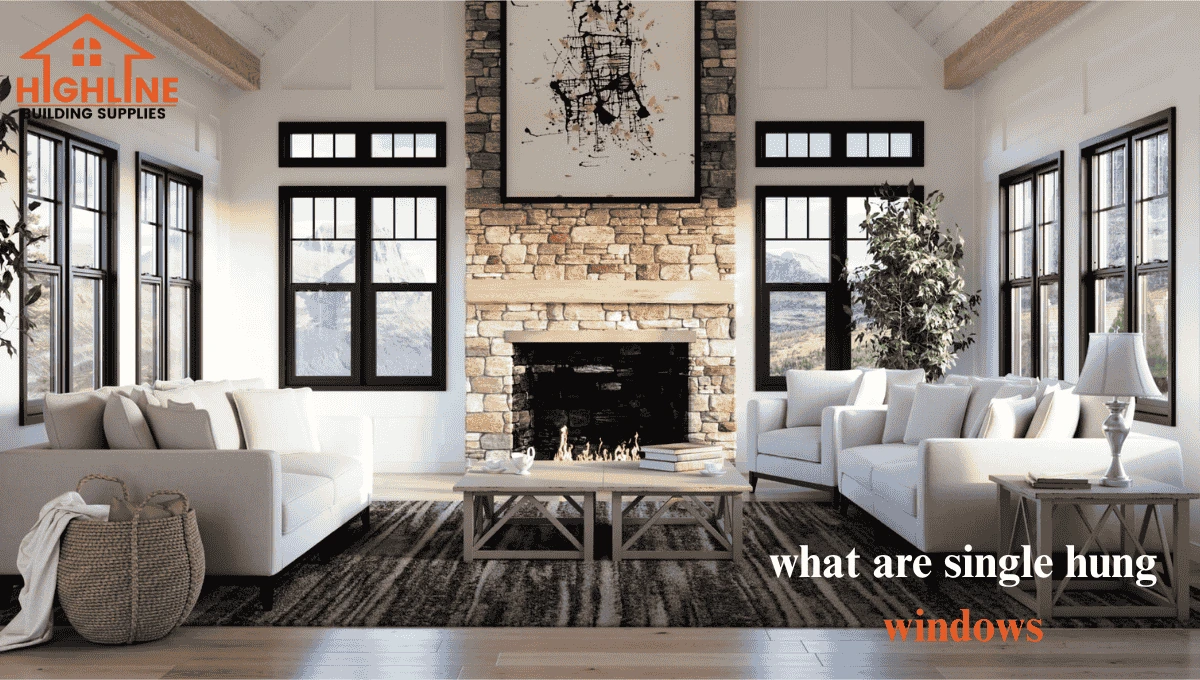
If you’ve been shopping for replacement windows or planning a new build, you’ve probably come across the term single hung window and maybe wondered how it differs from other window styles, whether it’s the right fit for your home, and what you’re actually getting for the price. These are fair questions, and the answers matter more than most people realize before they commit to a purchase.
This guide breaks down exactly what single hung windows are, how they work, where they perform best, and what to watch out for when comparing options. No jargon, no upsell just the information you need to make a solid decision.
What Is a Single Hung Window?
A single hung window is a vertically oriented window with two sashes the upper sash and the lower sash. The key distinction: only the bottom sash moves. It slides up to open and drops back down to close. The top sash is fixed in place and doesn’t open.
This is the most fundamental thing to understand about single-hung windows. When you open one, you’re only moving the bottom half. The top half stays put, which is by design — it keeps the window structurally simpler and generally less expensive to manufacture and install.
You’ll find single hung windows in homes across every region — from older ranch-style houses to new construction builds. They’re one of the most common residential window types in North America, particularly where budget and reliability take priority over ventilation flexibility.
Single Hung vs Double Hung: The Core Difference
This comparison comes up constantly, so it’s worth being direct about it.
- Single hung: only the lower sash moves
- Double hung: both the upper and lower sashes move independently
Double hung windows offer more ventilation options and are easier to clean from inside (both sashes tilt in), but they cost more. A single hung window costs less and has fewer moving parts — which typically means fewer things to repair over its lifespan.
If budget and low maintenance are priorities, single hung is usually the smarter starting point. If ventilation and easy cleaning matter more — especially on upper floors — a double hung may be worth the extra cost.
How Single Hung Windows Work
The operating mechanism is simple: the lower sash sits in a channel on each side of the frame. When you unlock the window and push up on the lower sash, it slides upward along those channels, creating an opening at the bottom of the window.
Most modern single hung windows use a balance system usually spring-loaded or block-and-tackle that holds the lower sash in place when open. Older windows relied on rope-and-pulley systems with counterweights hidden inside the wall. These work, but they wear out and are harder to repair.
Single hung vinyl windows which are far and away the most common material choice today — use a vinyl frame and sashes that resist moisture, warping, and rot. Vinyl also insulates well and requires almost no maintenance beyond occasional cleaning.
Why Homeowners and Builders Choose Single Hung Windows
Single hung windows have stayed popular for decades because they solve a real set of problems without overcomplicating things. Here’s what makes them a consistently solid choice:
Lower Cost
Single hung windows are almost always less expensive than their double hung counterparts sometimes significantly so. With one fixed sash and a simpler operating mechanism, manufacturing costs are lower, and that savings passes through to the buyer. For a full-house window replacement project, the cost difference can add up quickly.
Durability and Low Maintenance
Fewer moving parts means fewer things that can fail. The lower sash mechanism is straightforward. Vinyl frames don’t need painting, don’t rot, and don’t warp in humid conditions. For homeowners who want to install and mostly forget about their windows, this combination works well.
Strong Energy Efficiency
Because the upper sash is fixed, there’s one fewer seal that can wear down or allow air infiltration. Single hung vinyl windows with quality weatherstripping and insulated glass units (IGUs) can perform very well thermally. Look for ENERGY STAR-rated options if energy performance is a priority for your project.
Wide Availability and Easy Replacement
Single hung is one of the most standardized window types, which makes sourcing single hung windows replacement units straightforward. Standard sizes are widely stocked, lead times are shorter, and installation is simpler compared to custom or less common window types. This matters both for new builds on tight timelines and for homeowners dealing with a broken or failing window.
Clean, Classic Look
Single hung windows have a traditional appearance that suits a wide range of home styles — colonial, craftsman, ranch, and most contemporary designs. The fixed upper sash creates a clean horizontal line across the window, which many architects and homeowners prefer aesthetically.
Honest Limitations to Know Before You Buy
No window type is perfect for every situation. Here’s where single hung windows have real limitations:
- Ventilation is limited only the lower half opens, so you can’t create top-and-bottom airflow like you can with double hung windows
- Harder to clean from inside the upper sash doesn’t tilt, so cleaning the exterior of upper-floor windows requires working from outside or using long-handled tools
- Not ideal for high-humidity rooms bathrooms and kitchens benefit from top-sash ventilation to let steam escape near the ceiling; a single hung can’t do that
- Upper sash is permanent if the upper glass breaks, the entire window often needs to be replaced rather than just swapping a sash
Understanding these limits upfront prevents buyer’s remorse. For ground-floor rooms, bedrooms, and areas where ventilation isn’t a primary concern, single hung windows are hard to beat on value. For specific locations like over a kitchen sink or in a bathroom — it’s worth considering other options.
What to Look for When Buying Single Hung Windows
Once you’ve decided single hung is the right type for your project, the next question is which specific windows to choose. Here’s what actually matters:
Frame Material
Vinyl is the dominant choice for good reasons: affordable, durable, thermally efficient, and maintenance-free. Wood frames look beautiful but require ongoing upkeep. Fiberglass costs more but is extremely strong and dimensionally stable. Aluminum is durable but conducts heat and cold, making it a poor thermal performer without a thermal break.
For most residential applications, vinyl is the practical answer. It’s what the majority of replacement window projects use for good reason.
Glass Package
The frame is the easy part the glass does the real work. Look for:
- Double-pane insulated glass with argon gas fill for standard climates
- Triple-pane for extreme cold climates where heating costs are high
- Low-E coating to reduce heat gain in hot climates or UV exposure concerns
- Laminated or tempered glass for safety-code requirements near doors or in hazardous locations
Standard Sizing vs Custom
One of the practical advantages of single hung windows is that they come in highly standardized sizes, making single hung windows replacement straightforward. Common widths run from 24 to 36 inches; heights from 36 to 72 inches. Measure your rough opening carefully before ordering.
For taller openings, a INSPIRE VINYL SH 24×72 works well in standard tall openings, while the INSPIRE VINYL SH 24×84 accommodates extra-tall rough openings common in newer construction worth checking if your opening is on the taller end of the range.
Hardware and Locking Mechanisms
Don’t overlook the latch. A quality single hung window should have a secure, easy-to-operate lock typically a tilt latch or cam lock. Check that it engages fully when closed and that the lock position aligns correctly. Poorly aligned hardware is a frequent complaint with budget windows and can affect both security and weathertightness.
Warranty Coverage
Quality window manufacturers back their products with limited lifetime warranties on the frame and insulated glass unit. Pay attention to what’s actually covered: some warranties exclude labor, seal failure, or only cover a limited period. A longer, more comprehensive warranty is a signal of manufacturer confidence in the product.
Common Mistakes Homeowners Make with Single Hung Windows
These come up regularly and most of them are avoidable with a little upfront knowledge:
Measuring the Wrong Dimension
The most common installation mistake is ordering to the wrong measurement. You need the rough opening size the framed opening in the wall not the size of the old window unit. These can differ, sometimes significantly. Measure width and height at three points each (top, middle, bottom for width; left, center, right for height) and use the smallest measurement.
Choosing the Cheapest Option Without Checking the Glass Package
A vinyl frame is a vinyl frame in terms of basic durability. Where budget windows often cut corners is in the glass package single-pane glass, no gas fill, no Low-E coating. These shortfalls hurt energy performance significantly. Compare the whole window, not just the frame price.
Installing Single Hung in High-Ventilation Locations
Putting a single hung window in a bathroom, over a kitchen range, or in a laundry room creates a long-term frustration. These spaces need top ventilation to manage moisture effectively. It’s not the end of the world, but it’s a mismatch that homeowners notice every day.
Skipping the Air Sealing Step During Installation
A new window that isn’t properly air sealed around the perimeter defeats the purpose of buying an energy-efficient unit. Expanding foam, backer rod, and caulk applied correctly during installation make a significant difference in real-world performance. This is often where DIY installs fall short.
Not Checking Building Codes for Egress
Bedrooms require windows that meet minimum egress opening dimensions — typically 5.7 square feet of clear opening, with minimum height and width requirements. Single hung windows can meet egress requirements, but only if sized correctly. Verify before ordering for any sleeping room.
Expert Tips for Getting the Most from Single Hung Windows
- Buy in bulk when possible if you’re replacing multiple windows, ordering from the same manufacturer and batch ensures consistent color, hardware, and glass tint across your home
- Prime and paint rough openings before installation, especially in wood-framed walls — moisture intrusion at the sill is the most common source of frame rot in older homes
- Use a window insert for replacement projects rather than a full-frame replacement when the existing frame is in good condition it’s faster, less disruptive, and costs less
- Clean the lower sash channels annually dirt and debris in the channels cause the sash to bind and increase wear on the balance system
- Test the lock before and after installation a lock that doesn’t engage flush is usually a frame alignment issue that’s far easier to fix before the window is fully set
Where Single Hung Windows Work Best in Real Homes
Bedroom Windows
Bedrooms are a natural fit. Occupants generally open the window for fresh air at night, then close it a simple use case that single hung handles perfectly. The lower sash opens easily, the fixed upper sash adds no complexity, and the cost savings over double hung allows for better glass packages within the same budget.
Ground-Floor Living Areas
Living rooms, dining rooms, and home offices benefit from the clean look of single hung windows without the added ventilation complexity they don’t typically need. A fixed upper sash actually helps in these settings it provides a larger, uninterrupted glass area that improves natural light and views.
New Construction Projects
Builders consistently choose single hung for residential builds because of standardized sizing, reliable supply chains, and competitive pricing. For a project requiring 20, 30, or 40 windows, the per-unit cost difference between single and double hung adds up to a meaningful budget line. Browse Highline’s full range of single hung windows to compare options suitable for both replacement and new construction applications.
Historic Renovation Work
Many historic homes were originally built with single hung or single-pane double hung windows. Replacing them with modern single hung vinyl windows maintains the exterior appearance while dramatically improving thermal performance often a requirement for maintaining architectural consistency in historic districts.
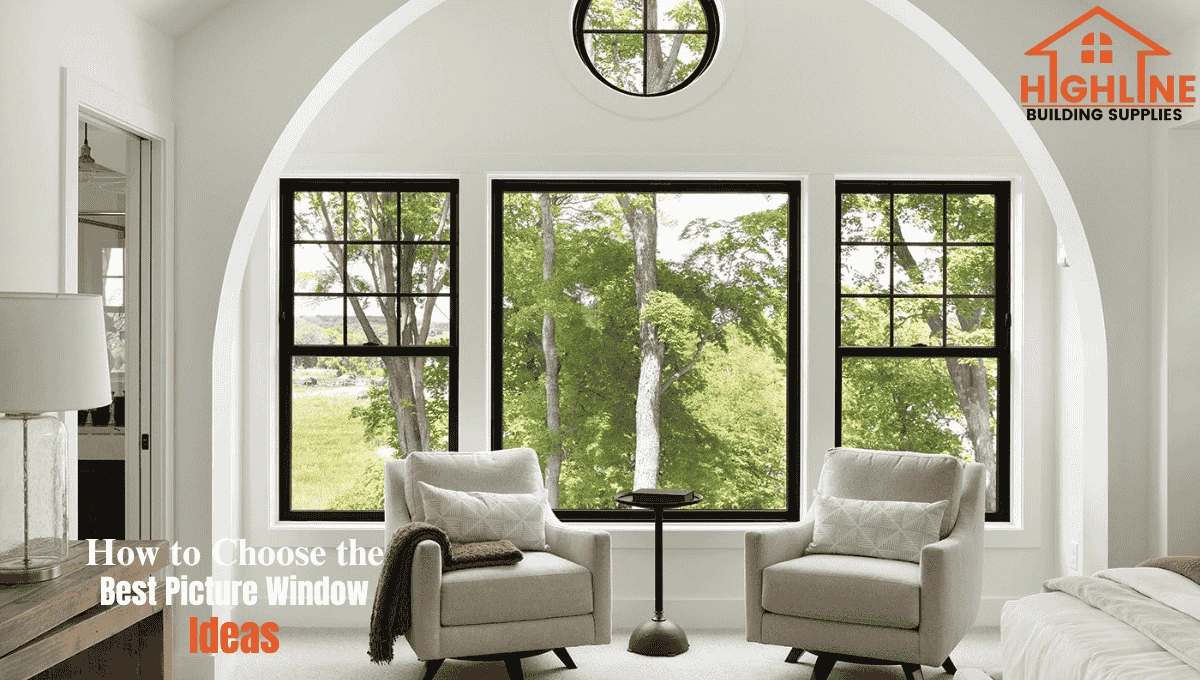
If you’re also considering fixed window options for walls where ventilation isn’t needed at all, our guide on picture window ideas covers design approaches for maximizing natural light without operable windows useful for the same new build or renovation project.
FAQ:
What is the difference between a single hung and double hung window?
In a single hung window, only the lower sash moves — the upper sash is fixed. In a double hung window, both the upper and lower sashes move independently. Double hung windows offer more ventilation options and easier interior cleaning, but cost more. Single hung windows are simpler, less expensive, and have fewer moving parts.
Are single hung windows energy efficient?
Yes, when they have a quality glass package. The fixed upper sash means one fewer potential air leak. Single hung vinyl windows with double-pane insulated glass, argon gas fill, and Low-E coating can be very thermally efficient. Look for ENERGY STAR certification if energy performance is a priority.
Can single hung windows be used in a bedroom?
Yes but make sure the window meets your local egress code if it’s the only operable window in a sleeping room. The lower sash must provide a minimum clear opening (typically 5.7 square feet, at least 20 inches wide and 24 inches tall). Check your local building code before purchasing.
How long do single hung vinyl windows last?
Quality single hung vinyl windows typically last 20 to 40 years with minimal maintenance. The vinyl frame doesn’t rot, warp, or require painting. The insulated glass seal is usually the first thing to fail most quality manufacturers offer 10 to 20 year warranties on sealed glass units. Annual cleaning and lubrication of the sash channels extends the life of the operating hardware.
What sizes do single hung windows come in?
Standard single hung windows range from roughly 24 to 48 inches wide and 36 to 84 inches tall, with the most common residential sizes falling in the 24 to 36 inch width range. Because they’re highly standardized, most replacement projects can be completed with stock sizes. Always measure your rough opening before ordering not the existing window unit.
What Customers Say
We replaced 14 windows in our 1970s ranch using single hung vinyl windows. The energy difference in the first winter was noticeable immediately — our heating bill dropped and the drafts we’d lived with for years were completely gone. The installation was fast because the sizes were so standard.
— Homeowner, Minnesota
As a contractor, I spec single hung windows on most of our standard residential builds. The lead times are predictable, the pricing is competitive, and I’ve never had a client complain about performance. For bedrooms and living areas, they’re the right call most of the time.
— Residential Builder, Texas
I was overwhelmed by window options before I found a straightforward breakdown of what single hung actually means. Once I understood that only the bottom opens, the choice was obvious for my project — I didn’t need more than that, and saving money on the windows let me upgrade the glass package instead.
— First-Time Homebuyer, North Carolina
Final Thoughts
Single hung windows are popular for a reason: they’re simple, durable, cost-effective, and they do their job reliably for decades. Understanding exactly what you’re getting — and where the limits are helps you place them correctly in a project and avoid the situations where a different window type would serve you better.
Whether you’re replacing aging windows in an existing home or speccing windows for a new build, take the time to compare glass packages, verify sizing against your rough openings, and choose a product backed by a solid warranty. The frame is the easy part the glass and the seal are where performance differences actually show up.
For a curated selection of single hung vinyl windows in standard and extended sizes, explore Highline Supplies’ single hung window collection stocked for both replacement and new construction projects.
About the Author
This article was written by the editorial team at Highline Supplies a building materials supplier with direct experience sourcing and specifying windows for residential construction and renovation projects. Our content reflects real-world knowledge from working with homeowners, contractors, and builders across a range of project types. We write to help readers make informed decisions, not to sell a specific product.

Leave a comment