
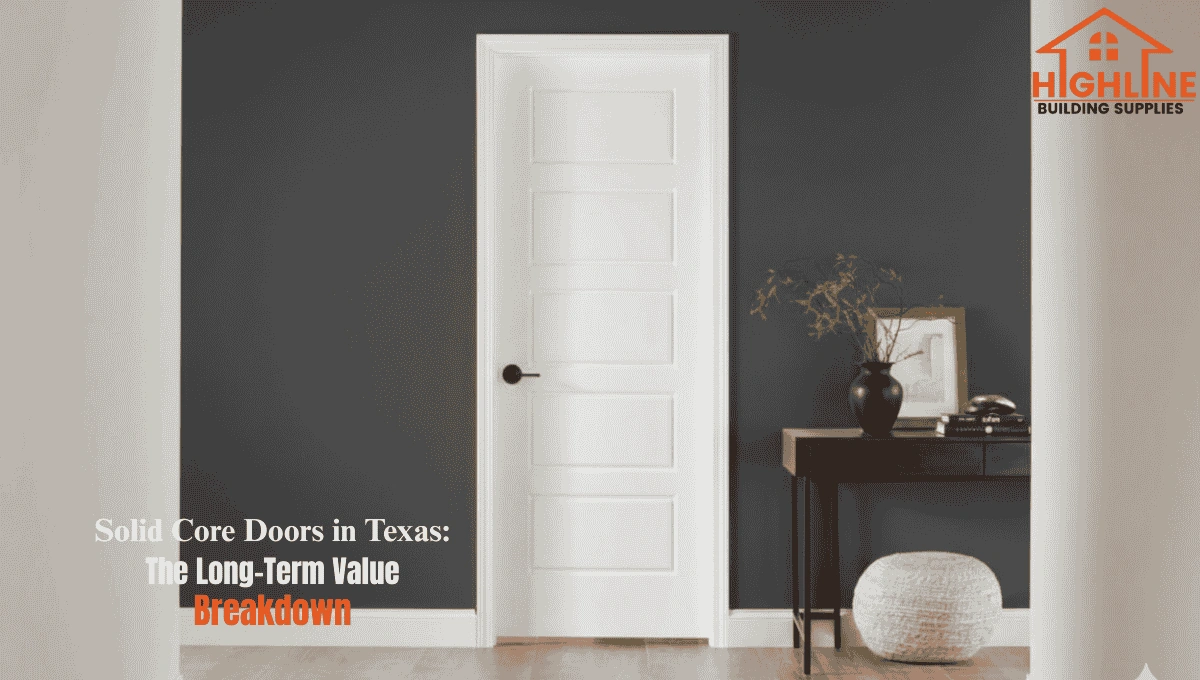
Choosing interior doors might not feel like a high-stakes decision until you live with them for a few years. In Texas homes, where heat, humidity, noise, and long-term durability all come into play, door quality matters more than most people expect. That’s why solid core doors in Texas have become a common topic among homeowners, builders, and remodelers who are thinking beyond upfront cost and focusing on long-term value.
This guide breaks down what solid core doors actually are, how they perform in real Texas conditions, where they make the most sense, and where people often get it wrong. The goal isn’t to sell you anything it’s to help you make a smarter, better-informed decision for your home or project.
Understanding Solid Core Doors (Without the Jargon)
Before comparing options, it helps to understand what “solid core” really means.
What Is a Solid Core Door?
A solid core door has a dense internal core—typically engineered wood, composite materials, or particleboard—encased by a finished exterior surface (often MDF or veneer). Unlike hollow doors, the interior is not empty or cardboard-filled.
They sit between two common extremes:
- Hollow core doors – lightweight, inexpensive, minimal sound or durability
- Solid wood doors – heavy, expensive, and sometimes impractical for interior use
Solid core doors strike a balance between performance and cost, which is why they’re widely used for interior doors in residential and light commercial construction.
Why This Matters in Texas Homes
Texas homes face conditions that amplify door performance issues:
- Large temperature swings
- Seasonal humidity
- Open floor plans where sound travels
- Busy households, rentals, or multi-generational living
In these environments, door construction directly affects comfort, noise control, and long-term maintenance.
The Long-Term Value of Solid Core Doors in Texas
Upfront price is only one part of the equation. Long-term value is about how a door performs year after year.
- Durability That Holds Up Over Time
From experience, one of the most common homeowner complaints about hollow doors is damage—dents, cracks, or warping from everyday use. Solid core doors are far more resistant to:
- Accidental impacts
- Slamming
- Hardware loosening over time
In high-traffic areas like hallways, kids’ rooms, or rental properties, this durability alone often justifies the upgrade.
- Better Sound Control (A Big Deal in Open Layouts)
Noise transfer is one of the most noticeable differences after installation.
Solid core interior doors significantly reduce sound compared to hollow options, making them ideal for:
- Home offices
- Bedrooms
- Media rooms
- Shared living spaces
In cities like Dallas, where modern homes often prioritize open designs, sound separation becomes increasingly important—especially for work-from-home setups.
- Improved Feel and Function
This is harder to quantify but easy to notice. Solid core doors:
- Feel heavier and more substantial
- Close more smoothly
- Tend to stay aligned longer
That “solid” feel is one reason builders often choose them for higher-end or long-term projects, even when clients don’t specifically request them.
Solid Core vs Hollow Core: Where the Cost Difference Pays Off
It’s fair to ask whether solid core doors are worth the extra money.
Upfront Cost Comparison
- Hollow core doors: Lower initial price
- Solid core doors: Higher initial investment
But here’s where people often miscalculate: replacement and repair costs.
Long-Term Cost Reality
Over time, hollow doors are more likely to require:
- Replacement due to damage
- Hardware repairs
- Adjustments from warping or misalignment
Solid core doors, when installed correctly, typically last decades in interior applications. In rental homes, remodels, or long-term residences, that durability often offsets the initial price difference.
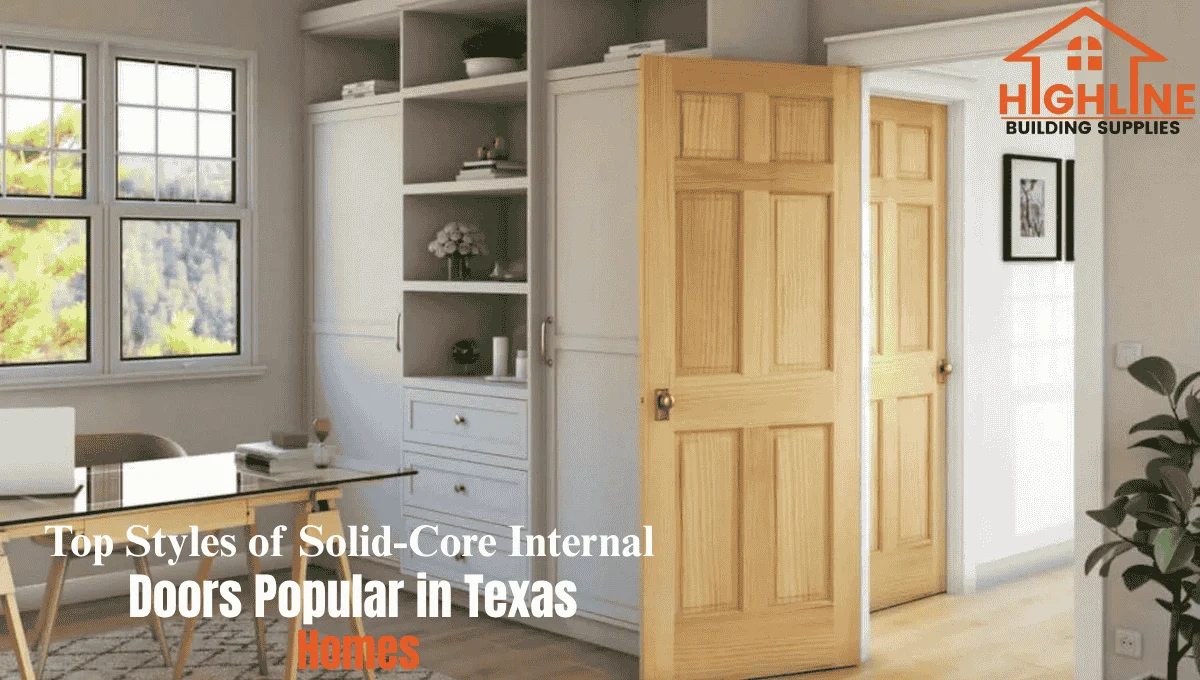
Popular Solid Core Interior Door Styles in Texas Homes
Solid core construction isn’t limited to one look. Many of today’s most popular door styles are available in solid core options.
Shaker Styles: Clean, Timeless, and Practical
Shaker doors are a go-to choice across Texas because they balance traditional and modern design.
Common configurations include:
- 1 Pan Shaker – Minimalist and modern
- 2 Pan Shaker – Slightly more detail, still clean
- 5 Pan Shaker – Classic, works well in transitional homes
These styles are especially popular in renovations where homeowners want something that won’t feel dated in five years.
Modern Interior Doors in Dallas and Urban Areas
In newer builds and remodels, modern interior doors in Dallas often prioritize simplicity, durability, and clean architectural detail:
- Flat panels
- Clean edges
- Neutral finishes
Solid core construction supports these designs by preventing flexing and surface imperfections that are more noticeable on flat-panel doors.
Practical Considerations Before Choosing Solid Core Doors
Solid core doors aren’t automatically the right choice everywhere. Here’s what to think through before deciding.
Weight and Installation
Solid core doors are heavier than hollow doors. That means:
- Hinges must be properly rated
- Frames must be square and well-anchored
- Installation quality matters more
Poor installation can cancel out many of the benefits, so this isn’t an area to cut corners.
Moisture and Interior Use Only
While solid core doors handle humidity better than hollow doors, they are still intended for interior use only. Bathrooms, laundry rooms, and kitchens are fine—but exterior exposure is not.
Matching the Door to the Space
Not every room needs a solid core door. In practice:
Best candidates:
- Bedrooms
- Offices
- Primary living spaces
Lower priority:
- Closets
- Pantries
- Low-use utility rooms
Being selective helps balance budget and performance.
Common Mistakes Homeowners and Builders Make
Years of hands-on experience show that issues usually come from planning, not the product itself.
Mistake 1: Mixing Hollow and Solid Doors Randomly
This can create inconsistent sound control and feel throughout the home. A common strategy is to use solid core doors for key rooms and keep hollow doors limited to closets.
Mistake 2: Ignoring Door Hardware Compatibility
Heavier doors need appropriate hinges and latches. Using lightweight hardware can lead to sagging or alignment issues over time.
Mistake 3: Choosing Style Without Considering Function
Ultra-flat modern doors look great but only if the core prevents flexing and surface distortion. Solid core construction supports these designs far better.
Expert Tips for Getting the Most Value
Here’s what tends to work best in real-world Texas projects:
- Prioritize solid core doors in noise-sensitive areas
- Match door style to long-term design plans, not short trends
- Invest in proper installation—it’s just as important as the door itself
- Think in terms of lifecycle cost, not just purchase price
Also, remember that doors are part of a larger system. As discussed in this guide on building materials, small material decisions can have outsized long-term effects on comfort and maintenance.
Real-World Use Cases Across Texas
Family Homes
Families often notice the biggest improvement in bedrooms and shared living spaces, where sound control and durability matter daily.
Rentals and Multi-Family Units
Solid core doors reduce turnover maintenance and hold up better under frequent use.
Home Offices
Post-2020, this has become one of the most common upgrades sound isolation alone often makes the decision worthwhile.
People Also Ask
Are solid core doors worth it in Texas homes?
For most primary living spaces, yes. They offer better durability, sound control, and long-term reliability.
Do solid core doors help with noise?
Yes. They significantly reduce sound transfer compared to hollow doors.
Are solid core doors good for bathrooms?
They’re suitable for interior bathrooms as long as there’s no direct exterior exposure.
Do solid core doors increase home value?
They don’t typically change appraised value, but they improve perceived quality and buyer appeal.
Can solid core doors warp in Texas humidity?
Less than hollow doors, especially when properly sealed and installed indoors.
What Customers Often Say
We replaced the bedroom doors with solid core and immediately noticed how much quieter the house felt.
In our rental property, solid core doors have held up far better than the hollow ones we used before.
They just feel sturdier. It’s one of those upgrades you appreciate every day.
Final Thoughts: Thinking Long-Term Pays Off
Solid core doors aren’t flashy, but they quietly improve daily life less noise, fewer repairs, and a more substantial feel throughout the home. In Texas, where homes are built to be lived in hard and long, that reliability adds up.
When chosen thoughtfully and installed correctly, solid core doors in Texas are less about luxury and more about making a practical decision you won’t regret years down the line.
About the Editorial Team
This article was written by the Highline Building Supplies editorial team, drawing on hands-on experience working with builders, remodelers, and homeowners across Texas. Our focus is practical guidance what actually works on real job sites and in lived-in homes, not marketing claims or shortcuts.


Leave a comment