
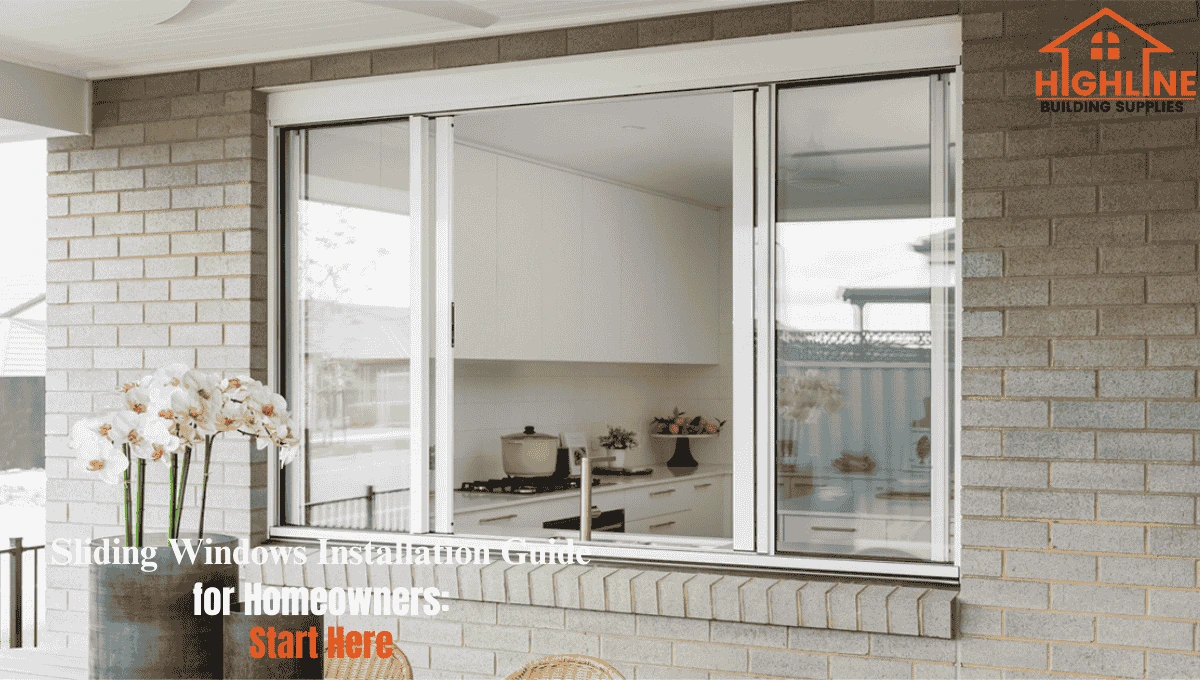
Installing sliding windows can improve ventilation, natural light, and the overall comfort of your home. This sliding windows installation guide for homeowners explains the practical steps, planning considerations, and common mistakes people encounter during installation. Whether you’re upgrading aging windows or planning a renovation project, understanding the process helps ensure your windows perform well for years.
Sliding windows are popular because they open horizontally along a track rather than swinging outward. This makes them ideal for areas where space is limited, such as kitchens, bathrooms, and hallways.
What Are Sliding Windows?
Sliding windows consist of two or more sashes that move horizontally along a track. One or both panels can slide open, depending on the design.
Homeowners typically choose interior & exterior sliding windows for several reasons:
- Smooth, space-saving operation
- Large glass area for better natural light
- Easy ventilation control
- Simple maintenance compared to hinged windows
Because of these benefits, sliding windows are often installed in modern homes, apartments, and renovation projects.
Why Many Homeowners Choose Sliding Windows
From a practical standpoint, sliding windows solve several common issues homeowners face with traditional window styles.
Key Benefits
Space efficiency
Sliding windows do not require clearance to open, making them ideal for tight areas like walkways or patios.
Improved airflow
Opening one side allows controlled airflow without exposing the entire window opening.
Low maintenance
Fewer moving components mean less wear compared to crank or hinge mechanisms.
Better visibility
Large glass panels provide unobstructed outdoor views.
However, sliding windows also have limitations. Tracks can accumulate debris, and improper installation may cause alignment issues. These factors make proper installation important.
Common Sliding Window Sizes Homeowners Choose
Sliding windows are available in various sizes to fit different wall openings.
Some commonly used options include:
- INSPIRE VINYL SVS 36×36 – often used in bathrooms, kitchens, or smaller rooms
- INSPIRE VINYL SVS 48×36 – suitable for bedrooms or medium-sized wall openings
- INSPIRE VINYL SVS 60×36 – commonly installed in living rooms or larger spaces where more light is desired
Choosing the correct size depends on your wall opening, structural framing, and the amount of natural light you want.
Tools and Materials Needed for Installation
Before starting the installation process, gather the necessary tools and materials.
Basic tools:
- Tape measure
- Level
- Drill or screw gun
- Utility knife
- Caulking gun
- Shims
Materials:
- Window flashing tape
- Exterior-grade sealant
- Insulation foam
- Mounting screws
Having these ready before installation helps avoid interruptions during the process.
Step-by-Step Sliding Window Installation Process
1. Measure the Window Opening
Accurate measurements are the most important step.
Measure:
- Width at the top, middle, and bottom
- Height on both sides and center
- Depth of the wall opening
Use the smallest measurement to ensure the window fits properly.
2. Prepare the Opening
Remove the old window if you’re replacing one.
Clean the opening thoroughly:
- Remove debris and old sealant
- Inspect the frame for water damage
- Repair damaged wood if necessary
Applying flashing tape around the opening helps prevent moisture problems later.
3. Dry-Fit the Window
Place the sliding window into the opening temporarily before securing it.
Check for:
- Proper alignment
- Level positioning
- Smooth sliding operation
Adjust with shims if needed.
4. Secure the Window Frame
Once properly aligned:
- Drill screws through the side mounting holes
- Avoid over-tightening, which can warp the frame
- Ensure the window remains level during fastening
This step determines how smoothly the window will operate.
5. Seal the Window
Proper sealing protects the home from drafts and moisture.
Apply:
- Insulation foam around the frame
- Exterior caulk along the outside edges
- Trim or finishing materials if necessary
A well-sealed window improves energy efficiency and prevents long-term damage.
Common Mistakes Homeowners Make
From experience, several issues appear frequently in DIY installations.
Incorrect Measurements
Even small measurement errors can lead to gaps or misalignment.
Skipping Flashing Tape
Flashing protects against water intrusion. Skipping it often leads to leaks.
Over-tightening Screws
Too much pressure can warp the vinyl frame and affect sliding performance.
Ignoring Leveling
A window that isn’t perfectly level will not slide smoothly.
Practical Tips from Experienced Installers
Professionals who regularly install sliding windows often follow a few practical guidelines.
Always measure twice
Accurate measurements prevent expensive replacements.
Use quality sealant
Weather-resistant sealants last longer and protect against moisture.
Clean tracks regularly
Dust and debris can prevent smooth operation over time.
Check insulation
Proper insulation reduces energy loss and improves indoor comfort.
Sliding Windows vs Other Window Types
Many homeowners compare sliding windows with other styles before deciding.
Sliding windows work well when:
- Space outside the window is limited
- Easy operation is important
- Large views are desired
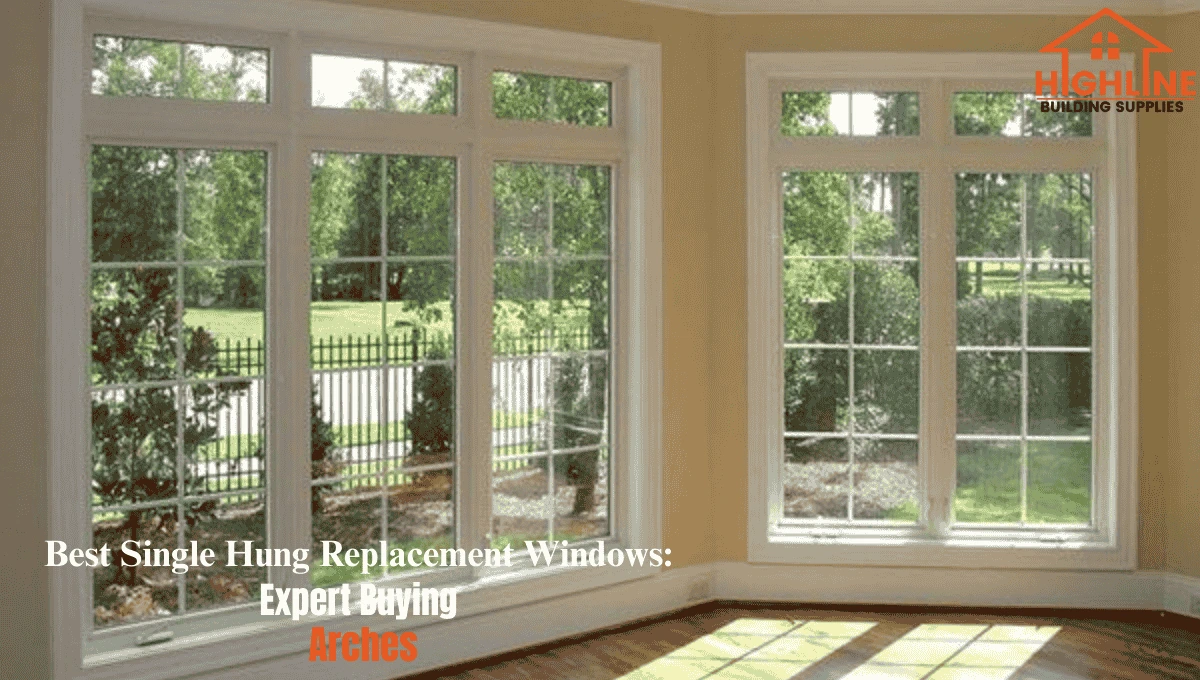
However, in some situations, other options may work better. For example, if ventilation control is a priority, single-hung or double-hung windows might be more suitable.
Homeowners considering alternatives may find this resource helpful:
best single hung replacement windows
Real-World Example: Choosing the Right Sliding Window
A homeowner renovating a kitchen recently needed more natural light without losing cabinet space.
Instead of installing a large fixed window, they chose a INSPIRE VINYL SVS 48×36 sliding window. This provided ventilation when cooking while maintaining a compact frame that fit above the sink.
In living rooms, larger options like INSPIRE VINYL SVS 60×36 often provide better outdoor visibility and lighting.
Customer Experiences
Here are a few real-world experiences homeowners have shared about installing sliding windows.
Daniel M., Homeowner
Installing sliding windows in our kitchen made a noticeable difference in airflow. The horizontal sliding design is much easier to open compared to our old windows.
Rachel S., Renovation Project
We installed sliding windows in our living room renovation. The larger glass panels brought in more natural light than we expected.
Marcus L., DIY Installer
The key lesson I learned was measuring carefully. Once we got the measurements right, installation was actually straightforward.
FAQ:
How difficult is it to install sliding windows?
For experienced DIY homeowners, installation can be manageable. However, it requires accurate measurements, proper sealing, and careful alignment.
How long does sliding window installation take?
Most installations take between 1 and 3 hours per window, depending on whether you are replacing an old window or installing a new opening.
Are sliding windows energy efficient?
Yes, modern vinyl sliding windows with proper sealing and insulation can provide good energy efficiency.
Do sliding windows require a lot of maintenance?
Not much. Regular cleaning of the tracks and occasional lubrication usually keeps them operating smoothly.
Can sliding windows be installed in bathrooms or kitchens?
Yes. Smaller options like INSPIRE VINYL SVS 36×36 are commonly used in these areas because they provide ventilation without taking up extra space.
Final Thoughts
Sliding windows are a practical and versatile option for many homes. They provide natural light, smooth operation, and space efficiency, making them suitable for kitchens, bedrooms, and living rooms.
Following a structured sliding windows installation guide for homeowners helps ensure the installation is done correctly. Careful measurement, proper sealing, and attention to alignment are the most important factors that determine long-term performance.
For homeowners planning renovations, exploring reliable materials, proper installation techniques, and trusted suppliers can make the entire process much smoother.
Author Bio
Highline Supplies Editorial Team
The Highline Supplies editorial team works closely with contractors, builders, and home renovation professionals to create practical guides for homeowners. Their content focuses on real-world building materials, window installation techniques, and renovation insights based on industry experience and customer feedback.





Leave a comment