
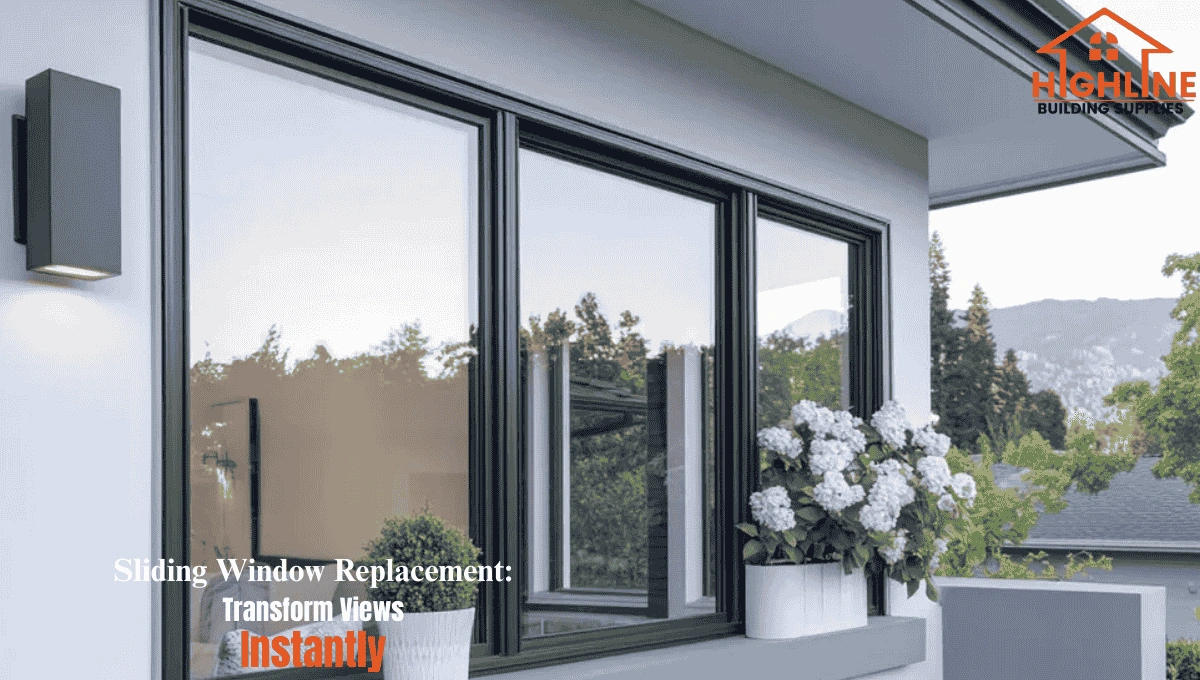
Sliding window replacement is one of the most practical and visually impactful upgrades homeowners can make when they want to improve comfort, efficiency, and everyday usability without a full renovation. Whether you’re dealing with stuck frames, rising energy bills, or outdated aesthetics, replacing older units with modern interior & exterior sliding windows can completely change how a space looks and feels.
In homes I’ve worked on over the years, window upgrades consistently deliver some of the most noticeable results. They improve airflow, brighten interiors, reduce drafts, and often fix issues homeowners didn’t even realize were caused by failing windows. If you’re planning a home improvement project, understanding how sliding window replacement works and when it makes sense is essential.
This guide walks you through everything: how sliding windows function, where they work best, what people often get wrong, and how to choose the right size and design for your space.
What Is Sliding Window Replacement?
Sliding window replacement involves removing older, worn, or inefficient window units and installing new ones that open horizontally along a track. Unlike traditional single-hung or double-hung windows that move vertically, sliding windows move side-to-side.
They are especially popular in:
- Living rooms
- Kitchens
- Ground-floor bedrooms
- Basements
- Modern homes with wide wall openings
Their simple mechanics mean fewer moving parts, which often translates into fewer maintenance issues over time.
Why homeowners choose sliding windows
From hands-on experience, most people opt for sliding windows for three main reasons:
- They’re easy to open and close
- They allow wide, unobstructed views
- They bring in more natural light
In practical terms, they’re one of the most user-friendly window types available.
Why Replacing Old Sliding Windows Matters
Many homeowners don’t realize how much energy and comfort they lose through aging windows. Over time, seals weaken, frames shift, and tracks collect debris that affects performance.
Signs it’s time for replacement
If you notice any of the following, replacement may be worth considering:
- Drafts near the window area
- Condensation between glass panes
- Difficulty opening or closing
- Increased outside noise
- Visible frame damage or warping
In older homes, I’ve seen cases where replacing windows alone noticeably improved indoor temperature stability without touching HVAC systems.
The Practical Benefits of Sliding Window Replacement
Replacing outdated windows isn’t just about appearance. It directly affects how your home functions day to day.
- Improved Natural Light
Sliding windows typically have large glass panels, allowing more sunlight to enter. This can:
- Make rooms feel larger
- Reduce the need for artificial lighting
- Improve overall mood and ambiance
- Better Ventilation
Because half of the window opening can be used for airflow, they’re especially effective in kitchens and living areas.
- Easier Operation
Compared to older vertical windows, sliding models require less effort to open — ideal for:
- Seniors
- Children
- Frequently used areas
- Energy Efficiency
Modern units seal better, reducing:
- Air leakage
- Heat gain in summer
- Heat loss in winter
- Cleaner Modern Look
Many homeowners choose sliding windows as part of modern home windows design ideas, especially in renovations focused on minimalism and clean lines.
Understanding Interior & Exterior Sliding Windows
When planning a replacement, it’s important to think about both interior & exterior sliding windows as part of a complete system.
Interior perspective
From inside the home, sliding windows affect:
- Light flow
- Ventilation patterns
- Furniture placement
- Ease of cleaning
Exterior perspective
From the outside, they contribute to:
- Home curb appeal
- Architectural balance
- Weather protection
In many projects, I’ve seen that a well-chosen window style can instantly modernize a home’s exterior — even without changing siding or paint.
Choosing the Right Window Size for Your Space
Size matters more than most people expect. The wrong dimensions can affect both appearance and function.
Some commonly used sizes include:
- INSPIRE VINYL SVS 36×36 — Great for bathrooms, small bedrooms, and basements
- INSPIRE VINYL SVS 48×36 — Ideal for kitchens and medium wall openings
- INSPIRE VINYL SVS 60×36 — Works well in living rooms or wider spaces
Choosing the right width can dramatically change how open a room feels. Larger windows create a stronger connection between indoor and outdoor areas.
Practical Considerations Before Replacing Sliding Windows
Before starting a replacement project, there are several factors worth evaluating.
Frame Material
Vinyl is a popular choice because it:
- Resists moisture
- Requires minimal maintenance
- Holds insulation well
Installation Quality
Even the best window won’t perform well if installed poorly. Common problems from bad installation include:
- Air leaks
- Water intrusion
- Frame misalignment
Orientation of the Home
Where your windows face matters:
- South-facing windows get more sunlight
- North-facing windows offer more consistent light
- West-facing windows can increase afternoon heat
Understanding this helps in planning for comfort and efficiency.
Common Mistakes Homeowners Make
Over the years, certain mistakes show up again and again during window replacement projects.
Choosing style over function
It’s easy to focus on aesthetics, but usability matters just as much.
For example:
- A window placed too low can interfere with furniture
- A window placed too high reduces ventilation effectiveness
Ignoring insulation details
People often assume glass is the main factor. In reality:
- Seals
- Frame quality
- Installation precision
…all play a major role in performance.
Not considering long-term maintenance
Tracks can collect dust and debris. Choosing models that are easy to clean saves effort later.
Where Sliding Windows Work Best
From real-world installation experience, sliding windows perform particularly well in these areas:
Kitchens
- Easy to open while cooking
- Improves airflow quickly
Living Rooms
- Enhances natural light
- Creates wide outdoor views
Bedrooms
- Improves ventilation
- Helps regulate temperature
Basements
- Provides light without taking up vertical wall space
Expert Tips for a Successful Sliding Window Replacement
Here are practical lessons from hands-on home improvement work that make a real difference:
Measure twice — always
Incorrect measurements are one of the top causes of installation delays.
Think about airflow patterns
Place windows where they can create cross-ventilation.
Consider how you use the room
For example:
- In kitchens, place windows near prep areas
- In bedrooms, prioritize quiet operation
Plan upgrades with other materials
Window replacement often ties into larger renovation plans. If you’re working on structural updates or framing, it’s worth understanding how everything connects. A helpful starting point is this guide on , which explains why material choices matter more than most homeowners realize.
Limitations to Be Aware Of
While sliding windows are versatile, they’re not perfect for every situation.
Partial opening space
Only one side typically opens at a time, limiting full airflow compared to casement windows.
Track maintenance
Dust buildup can affect smooth operation if not cleaned occasionally.
Security considerations
Proper locks and reinforced frames are important, especially for ground-floor windows.
These aren’t major drawbacks — just practical factors to keep in mind.
Real-World Use Cases
Renovating an older home
In many older properties, replacing worn-out windows instantly improves comfort. Drafts disappear, noise reduces, and interiors feel brighter.
Updating a modern layout
Sliding windows fit perfectly into modern home windows design ideas, especially open-concept living spaces.
Improving everyday usability
For families, sliding windows are easy to use, clean, and maintain.
Customer Experiences
Here are a few common homeowner perspectives after replacing their windows:
We didn’t realize how much light we were missing until the new windows were installed. The living room feels twice as big.
Our old windows were hard to open. The new sliding ones move smoothly and make airflow so much better.
Replacing the kitchen window changed everything. It’s brighter, and cooking heat doesn’t build up like before.
The noise reduction was noticeable right away. Street sounds are much softer now.
FAQ:
How long does sliding window replacement take?
Most single-window replacements can be completed in a few hours. Full-home projects may take one to three days depending on size and complexity.
Are sliding windows energy efficient?
Yes, modern designs with proper seals and insulated glass help reduce air leakage and maintain indoor temperature.
Can sliding windows be installed in older homes?
In most cases, yes. Older frames can often be removed and replaced without major structural changes.
Do sliding windows need a lot of maintenance?
Not much. Occasional cleaning of the track and glass is usually enough to keep them working smoothly.
What size sliding window is best for a living room?
Larger options like 48×36 or 60×36 typically provide better views and more light, making them suitable for main living spaces.
Final Thoughts
Sliding window replacement is one of those upgrades that delivers both visual and practical benefits. It improves light, airflow, comfort, and overall home functionality in a way that’s immediately noticeable.
From a hands-on perspective, the most successful projects focus on:
- Correct sizing
- Good installation
- Thoughtful placement
- Quality materials
When planned well, even a single replacement can make a room feel more open, usable, and modern.
For homeowners exploring ways to refresh their space without major construction, sliding windows remain one of the smartest and most effective improvements available.
Author Bio
Highline Supplies Editorial Team
The Highline Supplies editorial team brings practical, real-world experience from working with building materials, window systems, and home improvement projects across residential settings. Their insights are shaped by hands-on industry knowledge, contractor feedback, and common homeowner challenges, with a focus on helping readers make informed, confident decisions about improving their homes.


Leave a comment