
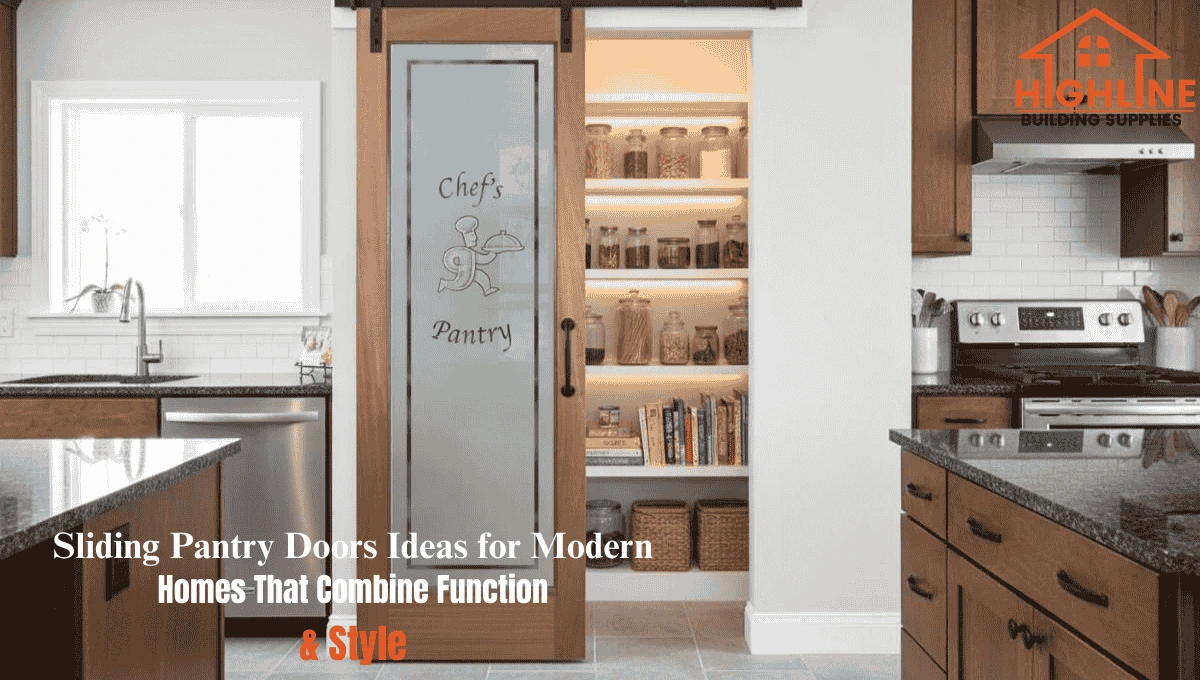
In contemporary kitchen design, sliding pantry doors ideas for modern homes are more than an aesthetic choice they solve real problems. Whether you’re remodeling a compact kitchen, updating an outdated space, or adding functional storage that feels intentional, sliding pantry doors bring efficiency and style together. They free up floor space, provide seamless access to storage, and can elevate your overall interior look without overwhelming the room.
In this guide, we’ll break down what makes sliding pantry doors practical and appealing, how to choose the right style and materials, common pitfalls to avoid, and real tips you can use before you buy or build.
What Sliding Pantry Doors Are (And Why They Matter)
Sliding pantry doors are doors that open sideways along a track instead of swinging inward or outward like traditional hinged doors. In modern homes, these doors are especially useful because they:
- Save space in compact layouts
- Eliminate interference with kitchen traffic
- Create a cleaner, more minimal look
- Work with a variety of materials and styles
For homes where every inch counts such as urban apartments or open‑plan kitchens sliding doors turn a storage area into a design feature rather than a functional afterthought.
Understanding Key Concepts Before You Choose
Pantry Door Height: What Works Best
Pantry door ideas come in standard heights, and choosing the right one impacts both look and installation:
- Pantry door 6’8″ height — Ideal for lower ceilings or transitional storage areas
- Pantry door 8’0″ height — Best for modern spaces with high ceilings and dramatic visual lines
Often homeowners assume bigger is automatically better, but in kitchens with low soffits, lighting, or cabinetry transitions, standard 6’8″ heights can maintain harmony with surrounding elements.
Solid Core vs. Hollow Core
One choice that affects durability, insulation (sound), and feel is door construction.
- Solid core prehung interior doors are heavier, sturdier, and more resistant to dents and wear. They’re great for pantry applications where the door gets frequent use.
- Hollow core doors are lighter and cheaper but can feel flimsy and wear out faster.
For sliding pantry doors, the added weight of a solid core door often means choosing hardware rated for heavier loads — but the payoff is a high‑end feel and lasting performance.
Sliding Pantry Doors Ideas That Combine Function & Style
Here are practical, real homeowner‑approved ideas that bring together utility and modern aesthetics:
- Minimal Frameless Glass with Matte Tracks
- Glass keeps sight lines open, making small kitchens feel bigger
- Matte black hardware adds modern contrast
- Works especially well in open‑concept layouts
Why it works: Glass doesn’t create a heavy visual block, which keeps the focus on the kitchen design rather than the door itself.
- Frosted Panels for Privacy & Light Control
- Frosted glass obscures pantry contents
- Still lets light travel through, brightening adjacent spaces
- Great for contemporary minimalist palettes
Real‑world tip: Frosted panels reduce the stress of keeping pantry contents perfectly organized — you don’t see everything clearly, just the brightened silhouette.
- Barn‑Style Sliding Doors With Textured Wood
- Adds a layer of rustic warmth to modern kitchens
- Can be paired with painted cabinetry for contrast
- Works beautifully in farmhouse‑inspired spaces
Common mistake to avoid: Don’t oversize the track hardware — it should feel balanced with the scale of the cabinetry.
- Pocket Sliding Pantry Doors
- The door disappears into the wall when opened
- Perfect for tiny kitchens or narrow corridors
- Offers full access without blocking walkways
Installation insight: Pocket doors require careful framing ahead of drywall — coordinate early with your contractor.
- Mixed Materials: Wood + Metal Frames
- Combines warmth with industrial flair
- Black or brass frames add definition
- Works in transitional homes blending modern and traditional elements
Design note: Keep frame thickness consistent with other black accents (lighting, cabinet pulls, faucets) to tie the look together.
Benefits of Sliding Pantry Doors (Beyond Looks)
Sliding pantry doors are not just about aesthetics — they deliver measurable lifestyle advantages:
Space Efficiency
Unlike hinged doors that need swing clearance, sliding doors glide parallel to the wall — ideal for kitchens where every inch counts.
Improved Accessibility
Sliding doors allow unobstructed access to every shelf in your pantry, especially when they stack or pocket completely out of the way.
Enhanced Visual Continuity
Whether you choose wood, glass, or mixed materials, sliding doors create long, clean lines that visually expand your space.
Custom Flexibility
Different finishes, heights (like 6’8″ or 8’0″), and hardware choices mean you can tailor the doors to both functional needs and design preferences.
Practical Considerations Before You Install
Assess Your Wall Structure
Sliding doors require either wall space beside the opening (for bypass or barn tracks) or enough cavity depth (for pocket options).
Choose Hardware for Longevity
Look for tracks and rollers rated to handle the weight of solid core doors to avoid premature wear. Cheap hardware may squeak, bind, or fail over time.
Factor in Maintenance
Glass panels may need regular cleaning, while wood finishes can age gracefully with occasional conditioning.
Mind Your Traffic Flow
If your pantry sits near busy zones (e.g., near the dishwasher or range), consider how the door placement affects movement and safety.
Common Mistakes Homeowners Make (So You Don’t)
| Mistake | Why It Matters |
| Picking flimsy hollow core doors | They wear out faster and feel cheap |
| Ignoring proper hardware rating | Leads to noisy or sagging doors |
| Forgetting about adjacent cabinets | Causes clearance issues |
| Choosing design over practicality | Beautiful doors that don’t function are frustrating |
Expert Tips from Highline Supplies
Having supported countless builders and homeowners, here are real pro insights:
- Plan before finalizing cabinetry: Sliding doors interact with the whole kitchen design.
- Test your lighting with samples: Natural and artificial light change how materials look.
- Don’t skimp on rollers or tracks: Good hardware is invisible when it works well and obvious when it fails.
- Ask for mock‑ups or drawings: Seeing scale before install prevents surprises.
For broader context on materials that make or break a renovation, see our guide on building materials you can’t afford to get wrong.
Real Experiences from Homeowners
We switched to sliding pantry doors with frosted glass and it made our small kitchen feel twice as big. The doors glide smoothly and look great with black hardware. — Alicia R., San Diego
Choosing solid core prehung interior doors for our pantry was worth the extra cost. They feel sturdy and add a quality touch you notice every time you use them. — Marcus T., Chicago
People Also Ask
What’s the best sliding pantry door style for a small kitchen?
Pocket or barn styles work best because they don’t encroach on floor space.
Are sliding pantry doors hard to install?
They require precise framing and quality hardware, so it’s worth planning with your contractor.
Can pantry doors match cabinet finishes?
Yes — matching finishes tie the pantry into your overall kitchen design.
Do sliding doors save money on kitchen remodeling?
They can reduce the need for wider clearances and save space, which may lower costs.
Is glass a practical pantry door material?
Frosted or tempered glass balances aesthetics and privacy while keeping the space bright.
About the Author
Highline Supplies Editorial Team
Our team draws on decades of real‑world experience in home improvement, carpentry, and materials sourcing. We help homeowners and professionals make informed decisions that balance design, durability, and practicality because great spaces should work beautifully every day.

Leave a comment