
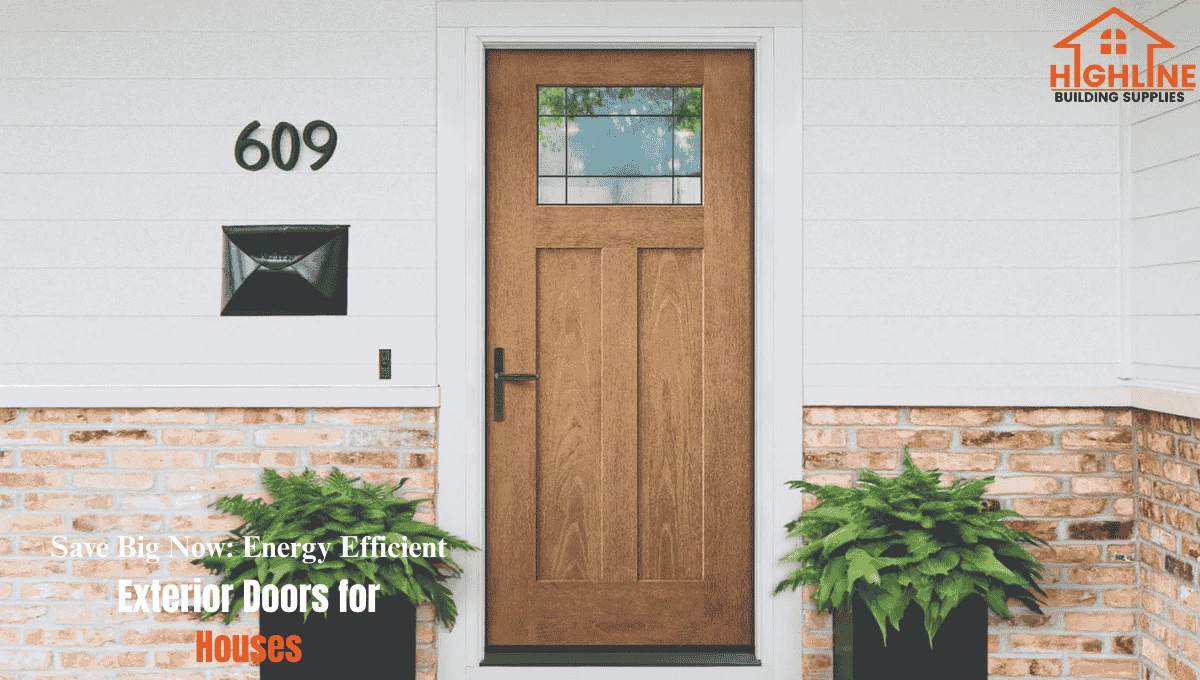
When homeowners look for ways to cut utility bills, doors are rarely the first place they start but they should be. Choosing the right energy efficient exterior doors for houses can significantly reduce heat loss, improve indoor comfort, and even increase property value. Whether you’re upgrading an aging entryway or building new, your exterior door plays a bigger role in your home’s energy performance than most people realize.
In this guide, we’ll break down what actually makes a door energy efficient, what materials perform best in real-world conditions, and how to avoid costly mistakes during selection and installation.
Why Exterior Doors Matter More Than You Think
Exterior doors are one of the most common sources of energy loss in a home. Even small gaps or poorly insulated cores can allow:
- Heat to escape during winter
- Cool air to leak out during summer
- Moisture and drafts to enter your home
From hands-on experience working with homeowners and contractors, one issue comes up repeatedly: people focus on aesthetics first and performance second. While design matters, ignoring energy efficiency can lead to long-term costs that far outweigh initial savings.
What Makes a Door Energy Efficient?
Not all exterior doors are built the same. Energy efficiency comes down to a combination of materials, construction, and installation quality.
Key Features to Look For
- Insulated Core
- Polyurethane or polystyrene cores provide strong thermal resistance
- Solid wood doors without insulation tend to underperform
- Tight Weather Sealing
- High-quality weatherstripping prevents air leaks
- Adjustable thresholds improve long-term sealing
- Low-E Glass (if applicable)
- Reflects heat while allowing natural light
- Reduces UV damage to interiors
- Proper Frame Construction
- Warped or poorly fitted frames undermine even the best doors
- ENERGY STAR Ratings
- A reliable benchmark for tested performance
Best Materials for Energy Efficient Exterior Doors
Choosing the right material is one of the most important decisions you’ll make. Each has its strengths and trade-offs.
Fiberglass Doors
Fiberglass is widely considered one of the best all-around options.
Why it works:
- Excellent insulation properties
- Resistant to warping, cracking, and moisture
- Mimics wood without the maintenance
Real-world insight:
Homeowners who invest in fiberglass front doors installation often report immediate improvements in draft reduction, especially in older homes where previous doors were poorly sealed.
Steel Doors
Steel doors are another solid choice for energy efficiency.
Pros:
- Strong insulation when paired with foam cores
- Affordable compared to wood
- High security
Cons:
- Can dent
- May rust if not properly maintained
Solid Wood Doors
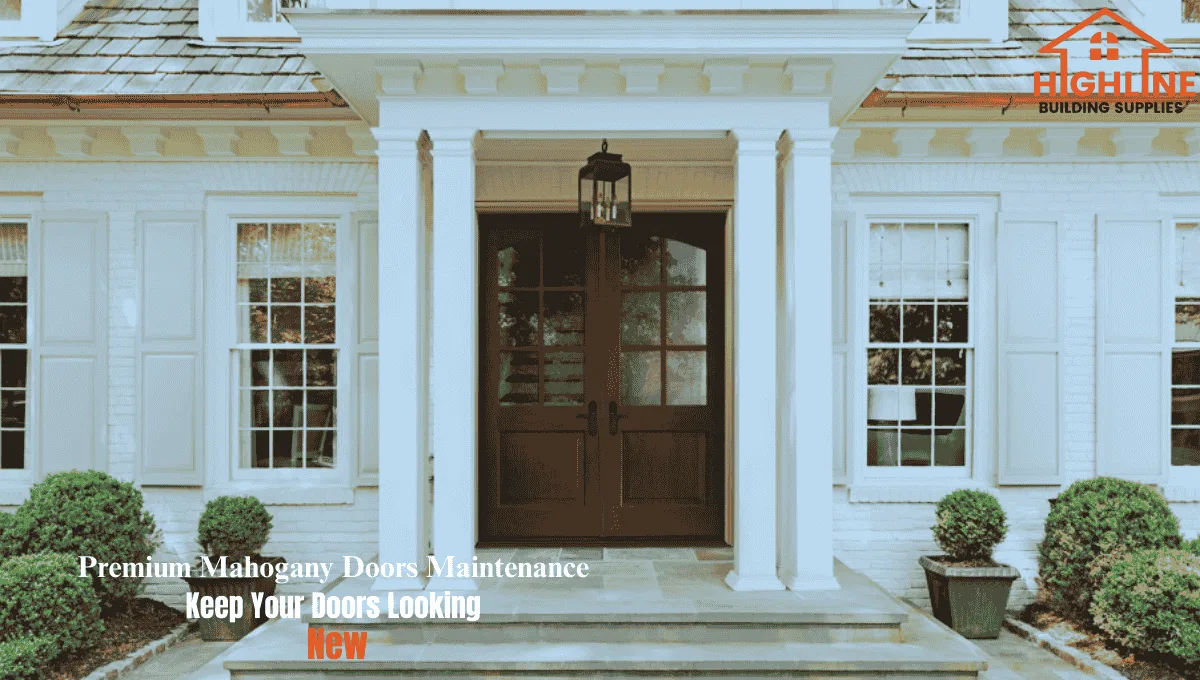
Wood doors like a mahogany front entry door offer timeless appeal but require careful consideration.
Pros:
- Natural beauty
- Strong and durable
Cons:
- Less energy efficient unless specially insulated
- Prone to expansion and contraction
Expert tip:
If you choose wood, look for engineered cores or insulated designs. Pure solid wood doors often underperform in extreme climates.
Wrought Iron Doors
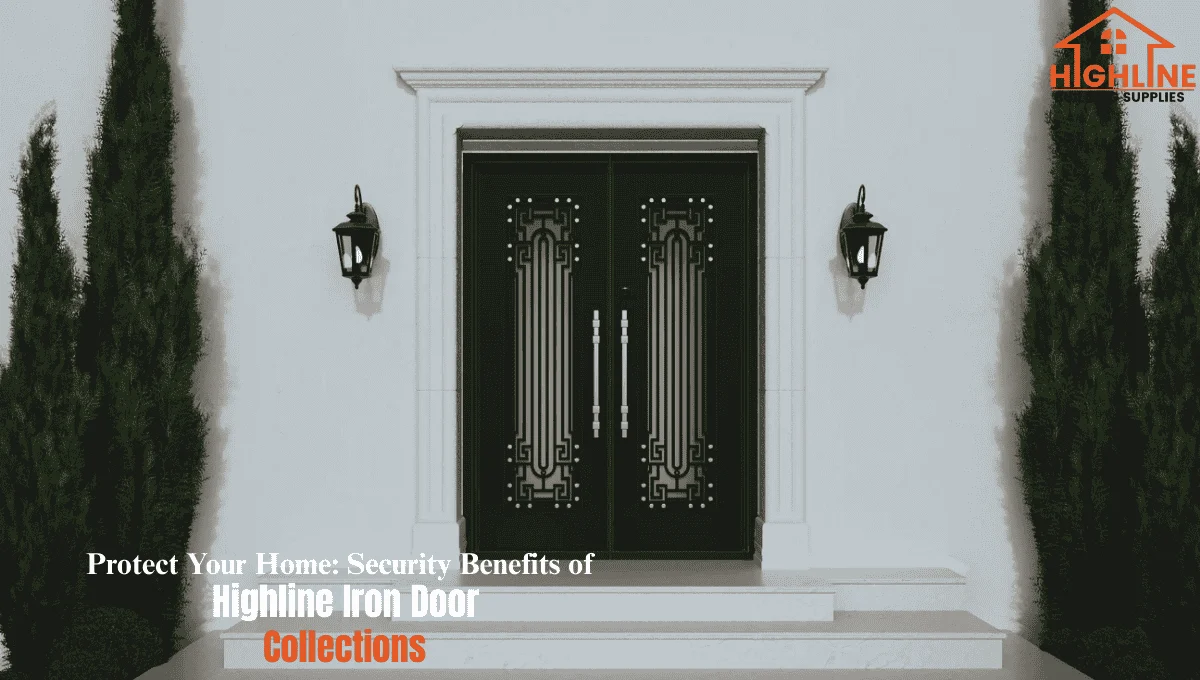
A wrought iron door can be surprisingly energy efficient—if designed correctly.
Key factors:
- Double-pane insulated glass inserts
- Thermal breaks in the metal frame
- Proper sealing
Without these features, metal doors can conduct heat and reduce efficiency.
The Hidden Role of Installation
Even the best door on the market will fail if installed incorrectly.
Common Installation Mistakes
- Gaps between the frame and wall
- Poorly aligned hinges
- Missing insulation around the frame
- Incorrect threshold adjustment
From field experience, improper installation is responsible for more energy loss than the door itself in many homes.
What Proper Installation Looks Like
- Tight, level fit within the opening
- Foam insulation around the frame
- Seamless weatherstripping contact
- No visible light gaps
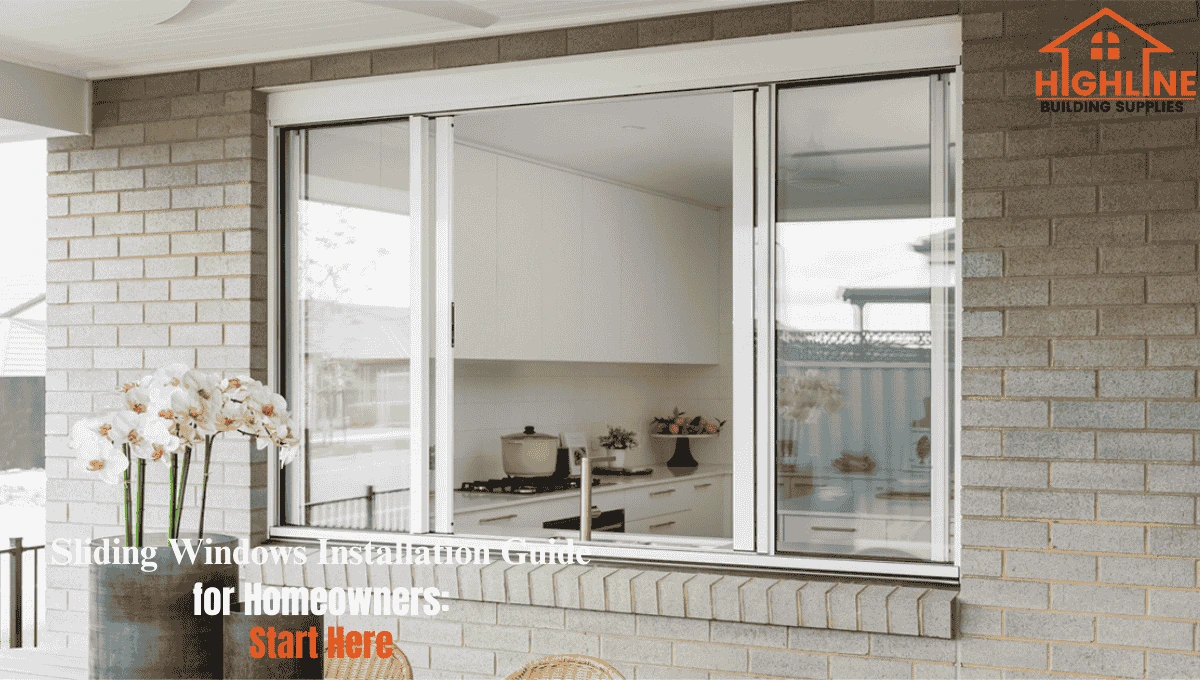
If you’re planning multiple upgrades, it’s worth understanding how doors and windows work together. This sliding windows installation guide for homeowners can help you align your approach across both.
Benefits of Energy Efficient Exterior Doors
- Lower Energy Bills
Reduced air leakage means your HVAC system doesn’t have to work as hard.
- Improved Indoor Comfort
No more cold drafts near entryways or temperature fluctuations.
- Better Noise Insulation
High-quality doors also reduce outside noise.
- Increased Home Value
Energy-efficient upgrades are attractive to buyers.
- Enhanced Durability
Modern materials like fiberglass and steel resist wear better than older wood doors.
Practical Buying Considerations
If you’re planning to buy exterior doors online, keep these factors in mind:
Measure Accurately
- Always double-check door frame dimensions
- Consider rough opening vs. finished opening
Check Climate Compatibility
- Insulation needs vary by region
- Coastal areas may require corrosion-resistant materials
Review Certifications
- ENERGY STAR ratings
- Manufacturer warranties
Understand Customization Options
- Glass inserts
- Finishes
- Hardware compatibility
Shipping and Handling
Doors are large, heavy items. Ensure:
- Proper packaging
- Clear return policies
- Delivery inspection upon arrival
Common Mistakes Homeowners Make
Choosing Style Over Performance
A visually appealing door that leaks air defeats its purpose.
Ignoring Frame Condition
Replacing the door but not the frame often leads to ongoing issues.
DIY Without Experience
Improper installation can cost more to fix than hiring a professional initially.
Skipping Weatherproofing
Even a good door needs proper sealing to perform well.
Expert Tips from Real Projects
From working with both contractors and homeowners, here are a few practical insights:
- Upgrade the threshold and sweep when replacing doors—this is often overlooked
- Don’t reuse old frames unless they’re perfectly square and undamaged
- Consider door orientation—south-facing doors may need better UV protection
- Balance ventilation and insulation—especially in humid climates
One pattern we consistently see: homeowners who invest in quality materials and proper installation rarely need to revisit the issue.
Real-World Use Cases
Case 1: Older Home Upgrade
A homeowner replaced a 20-year-old wooden door with fiberglass:
- Immediate reduction in drafts
- Noticeable drop in heating costs within one season
Case 2: Modern Build
A new construction project used insulated steel doors:
- Consistent indoor temperature
- Lower HVAC load from day one
Case 3: Style + Performance
A homeowner installed a decorative wrought iron door with insulated glass:
- Maintained aesthetic appeal
- Improved energy performance compared to previous door
Customer Experiences
We didn’t realize how much air was leaking until we replaced our front door. The difference was obvious within days.
Switching to fiberglass was the best decision no more swelling or sticking during humid months.
We chose a wood-look door but made sure it had an insulated core. Looks great and performs even better.
Installation made all the difference. Once everything was sealed properly, the drafts disappeared.
Frequently Asked Questions
Are energy efficient doors really worth it?
Yes. They reduce heating and cooling costs while improving comfort. Most homeowners see long-term savings that justify the upfront cost
What is the most energy efficient door material?
Fiberglass is often the best balance of insulation, durability, and low maintenance. Steel is also highly efficient when properly insulated.
Can I improve my existing door instead of replacing it?
Sometimes. Adding weatherstripping or sealing gaps can help, but older doors often lack proper insulation, limiting improvements.
How do I know if my door is inefficient?
Common signs include:
- Drafts near the door
- Visible light gaps
- Difficulty maintaining indoor temperature
Is professional installation necessary?
In most cases, yes. Proper installation ensures the door performs as intended and prevents energy loss.
Does glass in doors reduce efficiency?
Not necessarily. Modern doors use insulated, Low-E glass that maintains efficiency while allowing natural light.
Final Thoughts
Energy efficiency isn’t just about windows and insulation—your exterior doors play a critical role in how your home performs day to day. Choosing the right materials, understanding installation requirements, and avoiding common mistakes can make a noticeable difference in both comfort and cost savings.
Homeowners who take the time to research and invest wisely often find that upgrading their exterior doors is one of the most practical and impactful improvements they can make.
About the Author
Highline Supplies Editorial Team
The Highline Supplies team works closely with builders, contractors, and homeowners across a wide range of residential projects. With hands-on experience in building materials, installation practices, and real-world performance, the team focuses on providing clear, practical guidance that helps readers make informed decisions without the marketing noise.

Leave a comment