
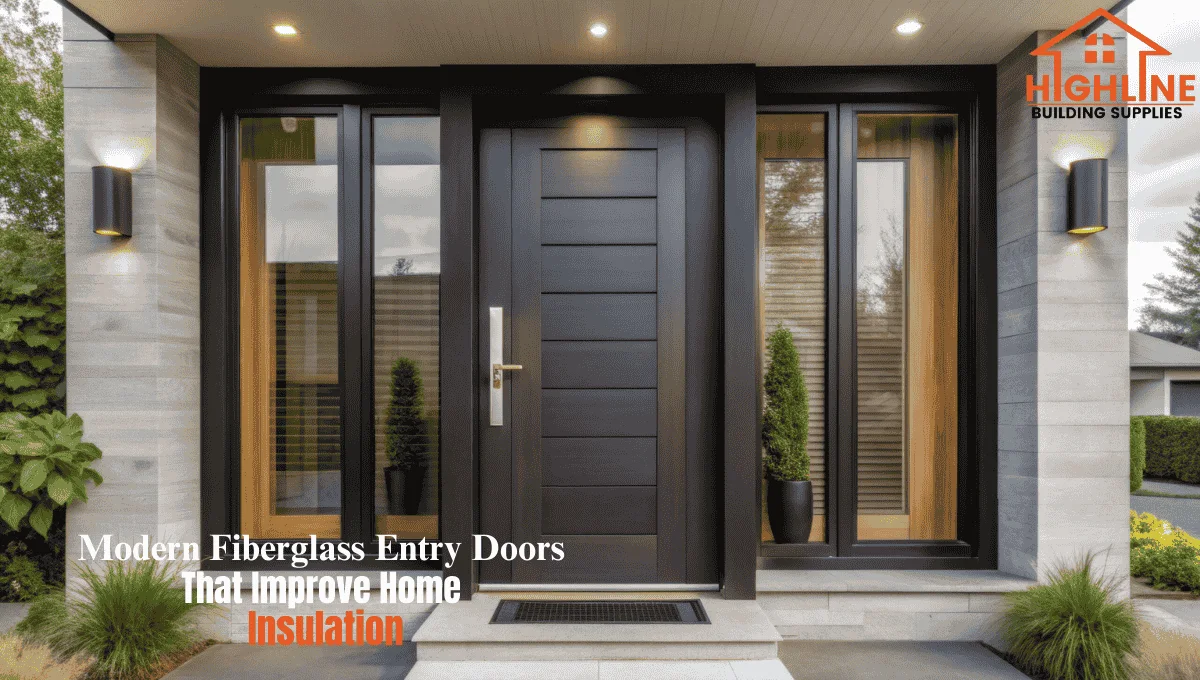
Many homeowners spend thousands of dollars upgrading insulation, replacing windows, and sealing attics—yet they overlook one of the biggest sources of energy loss: the front door. Older wooden or hollow metal doors often allow outside air to seep into the home. In winter, cold draughts creep in. In summer, expensive air conditioning leaks out. Over time, this constant energy loss can quietly increase utility bills and make indoor temperatures uncomfortable. That’s why more homeowners across the United States are upgrading to modern fiberglass entry doors. These doors aren’t just about aesthetics or curb appeal—they’re engineered to dramatically improve thermal insulation, durability, and energy efficiency.
In this guide, we’ll break down why fiberglass entry doors perform so well, how they help regulate home temperature, and what homeowners should consider before upgrading.
Why Modern Fiberglass Entry Doors Insulate Better
Not all doors are built the same. Fiberglass doors are specifically designed to minimize heat transfer and prevent air leakage.
Here’s why they perform so well.
1. Advanced Insulated Core Technology
Most modern fiberglass entry doors contain a polyurethane foam core, which acts as a powerful thermal barrier.
Polyurethane insulation has an R-value far higher than traditional wood doors. This means it slows down the movement of heat between indoor and outdoor environments.
Real-world impact:
- Keeps warm air inside during winter
- Prevents outdoor heat from entering during summer
- Reduces HVAC workload
This is one reason many contractors installing Los Angeles Fiberglass door systems recommend fiberglass for energy-conscious homeowners.
2. Tight Weather Sealing
Another major reason doors lose insulation is poor sealing.
Fiberglass entry doors are designed with:
- Multi-point sealing systems
- Compression weatherstripping
- Precision-engineered frames
These features create a tight seal around the entire door, preventing drafts.
Homes near coastal climates—like those using Long Beach Door installations—particularly benefit from this level of weather protection because of ocean winds and temperature fluctuations.
3. Fiberglass Doesn’t Expand or Warp
Traditional wooden doors may look beautiful initially, but they can expand, contract, or warp as humidity and temperatures change.
Warping creates tiny gaps around the door frame, which gradually allow air leakage.
Fiberglass doors avoid this problem because they are:
- Dimensionally stable
- Moisture resistant
- Highly durable in extreme weather
Even after years of exposure to heat, rain, or humidity, modern fiberglass entry doors maintain their structural integrity.
Additional Energy Benefits Homeowners Often Overlook
Insulation isn’t the only energy advantage fiberglass doors offer.
Reduced HVAC Costs
Because fiberglass doors limit air transfer, heating and cooling systems don’t need to run as frequently.
Many homeowners report noticeable reductions in energy bills after replacing outdated doors.
Improved Indoor Comfort
Energy efficiency isn’t just about cost—it also improves comfort.
Fiberglass entry doors help maintain consistent indoor temperatures, eliminating cold spots near entryways.
Better Noise Reduction
The insulated core also helps reduce outside noise.
Homes located near busy streets, commercial areas, or coastal winds benefit significantly from this sound-dampening effect.
Design Options for Modern Fiberglass Entry Doors
A common misconception is that fiberglass doors look plain or artificial.
Modern manufacturing techniques allow fiberglass doors to replicate real wood grain textures, sleek contemporary finishes, and modern glass inserts.
Popular styles include:
- Minimalist flush panel doors
- Frosted glass entry doors
- Vertical glass strip designs
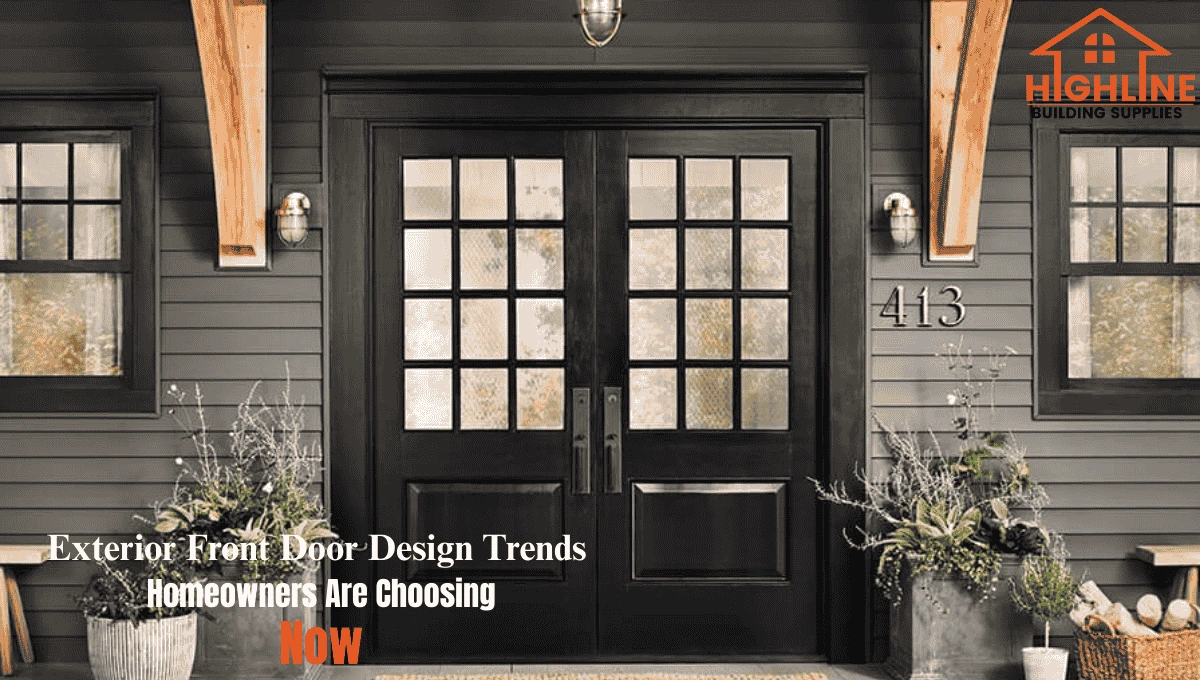
- Double modern entry doors
- Matte black or charcoal finishes
Some high-end Mad Fiberglass door models even mimic mahogany or oak while delivering superior insulation.
This means homeowners can achieve both performance and design sophistication.
Expert Insights from Door Installation Professionals
Experienced contractors consistently recommend fiberglass doors for energy-conscious homes.
Here are a few professional insights:
Fiberglass performs best in extreme climates
Whether it’s desert heat or coastal humidity, fiberglass doors remain stable and efficient.
Professional installation matters
Even the best insulated door will lose efficiency if it’s improperly installed. Proper frame alignment and weather sealing are critical.
Glass inserts should be energy-rated
If your door includes decorative glass panels, choose double or triple-pane insulated glass to maintain thermal performance.
At Highline Building Supplies, professionals often advise homeowners to prioritize door core insulation and frame quality, not just exterior design.
Common Mistakes Homeowners Make When Buying Entry Doors
Choosing Style Over Performance
Many homeowners prioritize appearance first and ignore insulation ratings.
A stylish door with poor insulation defeats the purpose of upgrading.
Ignoring Frame Quality
The door itself is only half the system. The frame and weather seals determine overall efficiency.
DIY Installation Without Proper Tools
Improper installation can cause:
- Air gaps
- Misaligned frames
- Poor sealing
Professional installation ensures the insulation benefits are fully realized.
Real Customer Testimonials
Emily R., California
Our old wooden door lets in so much cold air during winter. After installing a fiberglass entry door, the difference was immediate. Our hallway feels warmer, and our heating system runs less often.
Daniel M., Nevada
We chose a fiberglass door because of its durability, but the energy savings surprised us the most. The house feels more temperature-stable throughout the day.
Laura T., Arizona
I was worried fiberglass would look fake, but the woodgrain design is beautiful. Plus, our cooling bill dropped after the upgrade.
Frequently Asked Questions
1. Are modern fiberglass entry doors more energy efficient than wood doors?
Yes. Fiberglass doors typically contain insulated polyurethane cores, which provide significantly higher thermal resistance compared to solid wood.
2. Do fiberglass doors work well in hot climates?
Absolutely. Fiberglass doors resist heat transfer and do not warp under high temperatures, making them ideal for warm regions across the United States.
3. How long do fiberglass entry doors last?
High-quality fiberglass doors can last 20–30 years or more with minimal maintenance.
4. Are fiberglass doors maintenance-free?
While no door is completely maintenance-free, fiberglass doors require very little upkeep. Occasional cleaning and seal inspection are usually enough.
5. Do fiberglass doors increase home value?
Yes. Energy-efficient upgrades—including insulated entry doors—can improve curb appeal and increase overall home resale value.
Conclusion: A Smart Upgrade for Comfort and Efficiency
Your front door does far more than welcome guests—it plays a critical role in your home’s energy efficiency, comfort, and durability. Upgrading to modern fiberglass entry doors helps prevent heat loss, reduces energy costs, and provides long-term performance that traditional wood doors simply cannot match.
For homeowners looking to combine style, insulation, and durability, fiberglass entry doors are one of the most practical home upgrades available today.
If you’re considering replacing your front door, Highline Building Supplies offers a wide range of high-quality fiberglass door solutions designed for modern residential homes. Their experts can help you choose the right style, insulation level, and installation approach for lasting performance.
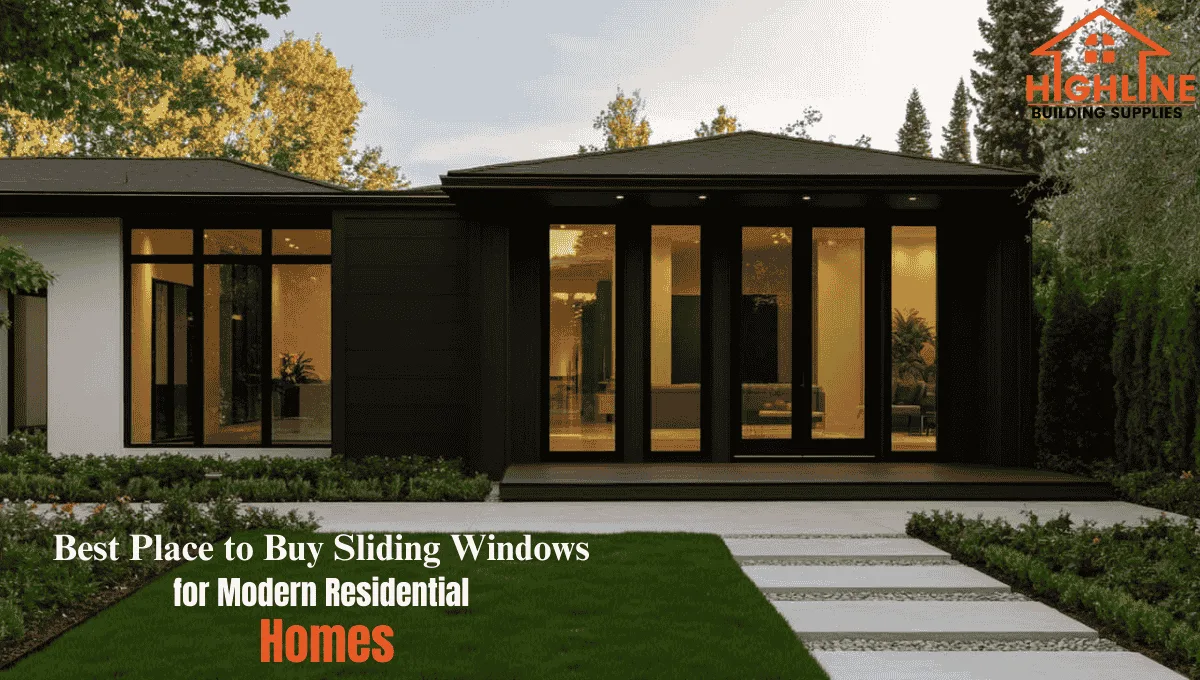
See our exclusive collection of sliding windows, visit this page: Best Place to Buy Sliding Windows for Modern Residential Homes
Author Bio
Highline Building Supplies Team is a group of experienced building materials specialists dedicated to helping homeowners improve their homes with high-quality doors, windows, and exterior solutions. With years of hands-on expertise and industry knowledge, the team provides practical advice, expert insights, and trusted recommendations to guide homeowners in making smart, energy-efficient home upgrades.

Leave a comment