
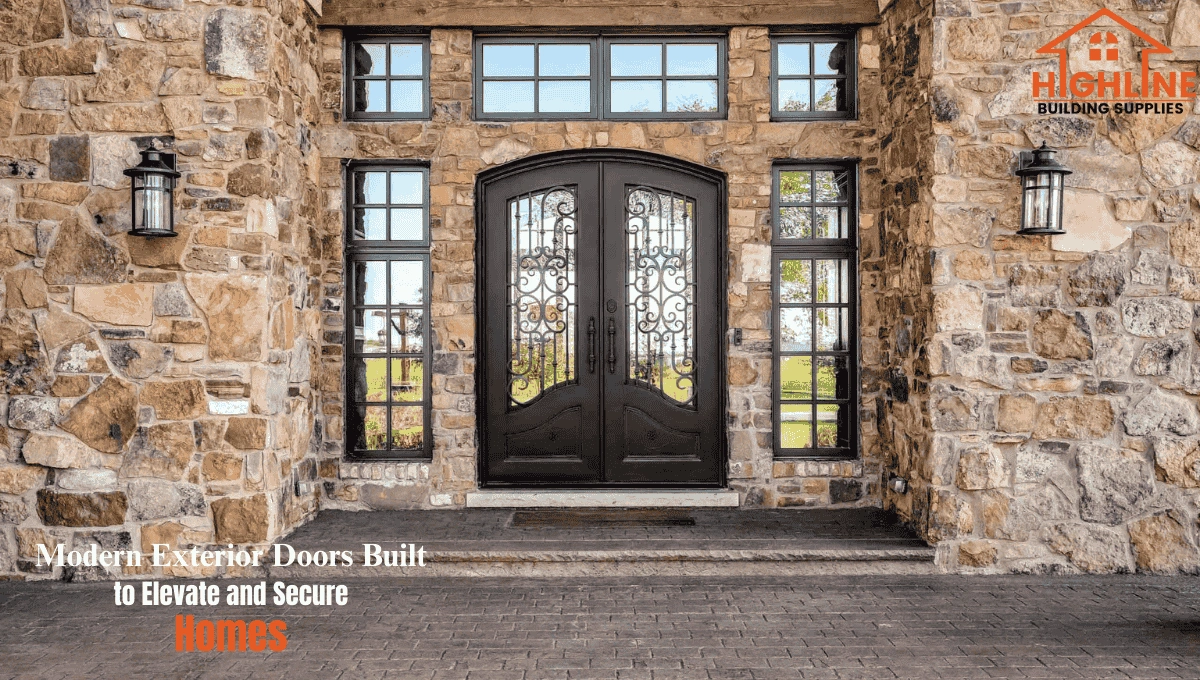
Your front door does more than close off your entryway. It defines your home’s character, protects what matters most, and plays a major role in energy efficiency. Today’s modern exterior doors are engineered to do all three better than ever combining sleek design with advanced materials and real security performance.
Whether you’re building new, remodeling, or simply replacing an aging entry door, understanding your options can save you thousands of dollars and a lot of frustration. In this guide, we’ll break down what truly makes a door “modern,” compare materials like fiberglass doors, iron doors, and mahogany doors, and share practical insights from real-world projects so you can make a confident decision.
What Defines a Modern Exterior Door?
“Modern” doesn’t just refer to style. In the building industry, it typically means:
- Clean lines and minimal detailing
- Larger glass panels or horizontal lite configurations
- Flush slabs or narrow stiles and rails
- High-performance cores and insulation
- Multi-point locking systems
- Energy-efficient glazing
Modern exterior doors prioritize both aesthetics and performance. It’s no longer about choosing between beauty and durability—you can (and should) expect both.
Why Modern Exterior Doors Matter More Than You Think
From a contractor’s perspective, the front door is one of the highest ROI upgrades you can make. Here’s why:
- First Impressions Drive Perceived Value
Real estate professionals consistently emphasize curb appeal. A dated door can make even a well-maintained home feel tired. A well-chosen modern entry instantly elevates the façade.
- Security Is Non-Negotiable
Older wood doors with basic deadbolts are often vulnerable to forced entry. Today’s modern options include:
- Reinforced frames
- Steel cores or impact-rated fiberglass
- Multi-point locking systems
- Laminated or tempered safety glass
Security isn’t just about the slab—it’s about the entire system.
- Energy Efficiency Impacts Monthly Bills
A poorly insulated door can leak air and transfer heat. Modern construction includes:
- Polyurethane or foam cores
- Thermal breaks
- Low-E glass
- Compression weatherstripping
This helps maintain interior comfort and reduce HVAC strain.
Choosing the Right Material for Your Home
Material choice is where many homeowners go wrong. Let’s break down the most common options and how they perform in real conditions.
Fiberglass Doors: The Workhorse of Modern Design
Best for: Energy efficiency, durability, low maintenance
Fiberglass doors have become one of the most popular modern exterior doors for good reason.
Advantages:
- Excellent insulation
- Resistant to warping, cracking, and rot
- Can mimic wood grain convincingly
- Low maintenance
Limitations:
- Lower-end versions can feel lightweight
- Color changes are harder if factory finished
From experience, fiberglass doors perform especially well in climates with extreme temperature swings. Unlike solid wood, they don’t expand and contract significantly.
Iron Doors: Strength Meets Architectural Impact
Best for: Statement entries, security-focused designs
Iron doors are often associated with luxury homes, but they’re increasingly integrated into contemporary designs with minimalist lines and large glass panels.
Advantages:
- Exceptional durability
- Strong security presence
- Customizable glass options
Limitations:
- Higher upfront cost
- Heavier installation requirements
- Can conduct heat if not thermally broken
Installation quality matters greatly here. Improper sealing around iron frames can cause condensation issues.
Mahogany Doors: Timeless Warmth in Modern Forms
Best for: Transitional and modern organic designs
Mahogany doors blend traditional warmth with modern profiles. When properly sealed and maintained, they can last decades.
Advantages:
- Rich natural grain
- Solid feel
- Custom carving and detailing options
Limitations:
- Requires regular sealing
- Sensitive to moisture
- Higher maintenance than fiberglass
In coastal or humid climates, mahogany requires disciplined upkeep. Without it, warping and finish breakdown are common.
Key Performance Factors to Evaluate
When comparing modern exterior doors, focus on performance—not just looks.
Insulation (R-Value and U-Factor)
Look for manufacturer-provided performance ratings. Lower U-factor means better insulation.
Glass Technology
Choose:
- Low-E coatings
- Argon-filled panes
- Tempered or laminated glass
Frame Construction
A strong door installed in a weak frame is still vulnerable. Consider:
- Reinforced jambs
- Adjustable thresholds
- Continuous weather seals
Practical Considerations Before You Buy
If you plan to buy exterior doors online, there are a few extra steps you shouldn’t skip.
Measure Accurately
- Rough opening size
- Slab size
- Frame depth
- Swing direction
Incorrect measurements are the most common and expensive mistake.
Understand Local Climate
- High humidity? Avoid poorly sealed wood.
- Intense sun exposure? UV-resistant finishes matter.
- Cold winters? Insulated cores are essential.
Consider Long-Term Maintenance
Be honest about upkeep. If you don’t plan to reseal wood annually, fiberglass might be the better choice.
Common Mistakes Homeowners Make
After years in the building materials industry, these patterns show up repeatedly:
- Choosing Based on Looks Alone
Design matters—but performance should come first.
- Ignoring Installation Quality
Even the best door fails if installed poorly. Gaps, misalignment, and improper flashing lead to air leaks and water intrusion.
- Overlooking Hardware
Modern designs often include multi-point locks. Skipping this upgrade reduces security and structural stability.
- Not Coordinating With Windows
Entry doors should complement window design. If you’re planning a broader exterior update, consider pairing your door upgrade with sliding window replacement for cohesive aesthetics and improved efficiency.
Integrating Modern Exterior Doors Into Whole-Home Design
Modern design isn’t just about the door—it’s about consistency.
Design Pairings That Work
- Black iron door + minimalist black-framed windows
- Wood-tone fiberglass + neutral stucco exterior
- Horizontal glass panels + clean-lined siding
Door style should align with siding, roofing, and trim materials.
For a broader look at how exterior materials influence long-term performance and cost, Highline Supplies offers a helpful resource on building materials that breaks down common mistakes homeowners make when selecting exterior components.
Real-World Use Cases
Case Study 1: Energy Upgrade in a 1990s Suburban Home
A homeowner replaced a hollow-core wood door with an insulated fiberglass model featuring Low-E glass.
Result:
- Noticeably reduced drafts
- Improved street noise reduction
- Lower winter heating bills
Case Study 2: Security-Focused Urban Remodel
A downtown property upgraded to a thermally broken iron door with laminated glass.
Result:
- Enhanced security confidence
- Modern architectural appeal
- Increased resale interest
Testimonials From Homeowners
“We replaced our old wood door with a fiberglass option, and the difference in insulation was immediate. No more cold air near the entry.” — Daniel R.
“The iron door completely changed our home’s appearance. It feels solid and secure without looking bulky.” — Maria S.
“We ordered online after triple-checking measurements. Installation went smoothly, and the finish quality exceeded expectations.” — Kevin L.
Expert Tips for Long-Term Performance
- Re-check caulking annually
- Inspect weatherstripping before winter
- Lubricate hinges and multi-point locks yearly
- Avoid dark finishes on full-sun exposures in hot climates
Maintenance isn’t complicated—but ignoring it shortens lifespan.
FAQ:
What is the best material for a modern entry door?
It depends on climate and maintenance preferences. Fiberglass offers the best balance of durability and efficiency for most homeowners.
Are iron doors energy efficient?
They can be, if they include thermal breaks and insulated glass. Without these features, heat transfer can be an issue.
Is it safe to buy exterior doors online?
Yes—if you verify measurements carefully, review specifications, and confirm return policies.
How long do modern entry doors last?
Fiberglass and iron can last 20–30+ years with proper maintenance. Wood lifespan depends heavily on climate and upkeep.
Do modern doors increase home value?
Yes. Entry doors consistently rank among top ROI exterior upgrades due to curb appeal and security improvements.
Final Thoughts: Invest in Performance, Not Just Appearance
Modern exterior doors are more than a design statement—they’re a structural, security, and energy investment. Choosing the right material, verifying installation quality, and thinking long-term about maintenance will determine whether your door performs beautifully for decades or becomes a recurring issue.
As professionals in the building materials space, we’ve seen firsthand that the most successful projects begin with informed decisions. A well-selected door doesn’t just elevate a façade it strengthens the entire home envelope.
If you’re evaluating options or planning broader exterior upgrades, start with performance first. Style should enhance durability not replace it.
About the Author
Highline Supplies Editorial Team
The Highline Supplies team brings hands-on experience in construction materials, exterior building products, and home renovation projects. Working closely with contractors, builders, and homeowners, the team focuses on practical guidance rooted in real-world applications—not marketing trends. Their goal is to help readers make confident, informed decisions about the materials that protect and define their homes.

Leave a comment