
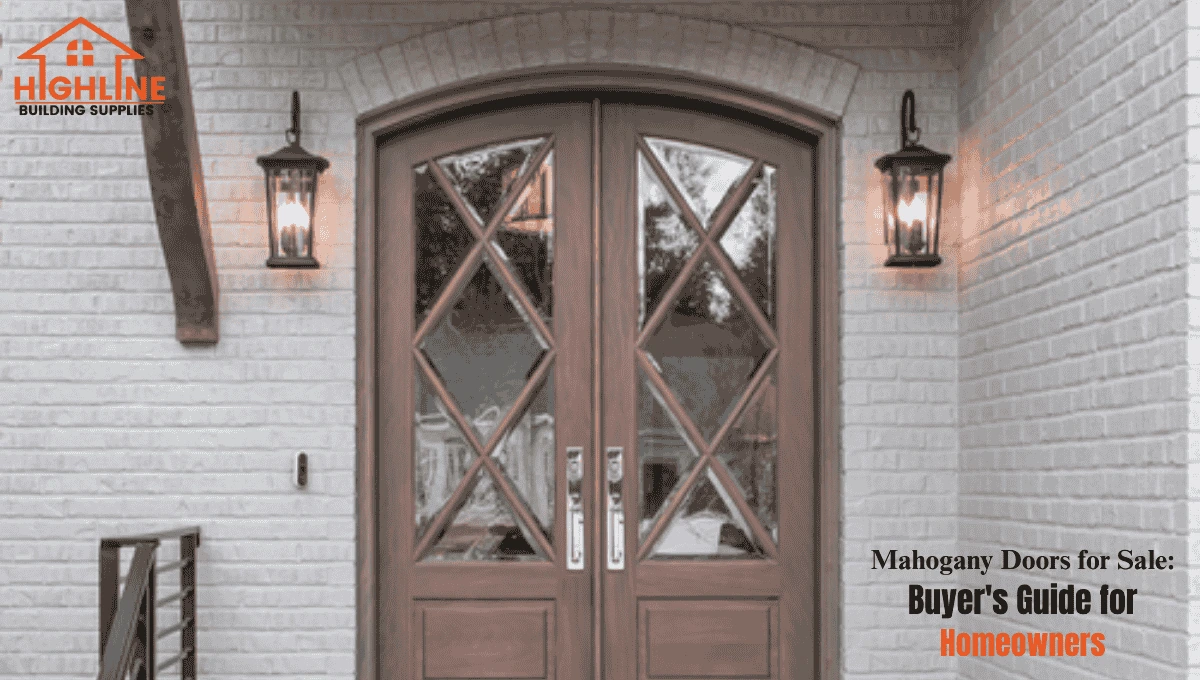
Choosing a front door is one of those decisions that seems straightforward until you’re actually standing in a showroom or scrolling through product pages wondering why prices vary so wildly and what actually matters. If you’ve been searching for mahogany doors for sale and found yourself drowning in jargon, conflicting advice, or products that all look the same, this guide is for you.
Mahogany is one of the most time-tested materials in architectural woodworking. It’s not a trend. Homes with solid mahogany entry doors have been turning heads for centuries, and the reasons are practical as much as they are aesthetic. But buying one requires a bit of knowledge because not every “mahogany door” on the market is the same, and making the wrong call can cost you in comfort, curb appeal, and long-term maintenance.
Here’s what you actually need to know before you buy.
What Makes Mahogany a Good Choice for Entry Doors?
Mahogany is a hardwood prized for its dimensional stability meaning it doesn’t warp, swell, or crack the way softer woods do when exposed to humidity and temperature swings. That’s critical for exterior entry doors, which bear the brunt of weather year-round.
Beyond durability, mahogany has a straight, fine grain that takes stain and finish exceptionally well. This gives you flexibility: you can go natural and warm, or dark and dramatic, depending on your home’s exterior palette.
Key characteristics of mahogany as a door material:
- High density and resistance to denting
- Naturally resistant to moisture when properly sealed
- Excellent workability it holds carved details and glass lite cutouts cleanly
- Long lifespan with proper maintenance (decades, not years)
- Rich reddish-brown tone that ages beautifully
One thing worth knowing: “mahogany” is a broad category. Genuine Honduras mahogany (Swietenia macrophylla) is the gold standard, but many products use African mahogany (Khaya species), which is still high quality and widely used in premium doors. Both are excellent choices for exterior applications.
Solid Wood vs. Engineered Mahogany Door Cores
When shopping for mahogany doors, you’ll encounter two main construction types: solid wood and engineered (stave core or finger-jointed) constructions.
Solid wood doors are milled from full timber. They’re heavy, premium, and visually impressive. However, even mahogany can move slightly with extreme humidity changes if not sealed correctly.
Engineered core doors use a composite of wood pieces with a mahogany veneer or solid mahogany stiles and rails. These are often more dimensionally stable than solid wood because the core construction reduces natural wood movement — without sacrificing the look or feel of real wood on the surface.
For most homeowners, an engineered mahogany door with solid mahogany components (stiles, rails, and panels) strikes the right balance between beauty, stability, and value.
Prehung vs. Slab: Which Should You Choose?
This is one of the most common points of confusion for first-time buyers of mahogany exterior doors.
A slab door is just the door itself — no frame, no hinges, no threshold. It’s meant for replacement situations where the existing frame is sound and square.
A prehung mahogany exterior door comes as a complete unit: door slab, frame, hinges, and weatherstripping already assembled. For new construction or when your existing frame is damaged, out of square, or rotting, a prehung unit is almost always the better choice.
When to choose prehung:
- You’re replacing a door that doesn’t fit well, leaks air, or has a damaged frame
- You’re doing new construction
- You want a better seal and easier installation
When a slab works:
- Your existing frame is in good condition and properly sized
- You’re working with a custom or non-standard frame
- You want to reuse existing hardware
Most professional installers recommend prehung for mahogany exterior entry doors — it simplifies installation, reduces the chance of fit issues, and typically delivers a tighter weatherseal right out of the box.
Glass Lites, Panels, and Styles: Understanding Your Options
Mahogany entrance doors come in a wide range of design configurations. The style you choose should complement your home’s architecture not just look good in isolation.
Glass Lite Options
Glass elements called lites dramatically affect both aesthetics and natural light flow into your entry. Common configurations include:
- Full lite maximum glass, ideal for modern or contemporary homes
- Half lite balances light and privacy
- Decorative lites rain glass, frosted, or leaded glass for privacy with style
- No glass (full panel) maximum security and a more traditional look
A great example of the glass-and-wood balance done right is the 4-Lite over 1 Panel Rain Glass Prehung Mahogany Door, which uses rain glass to allow light in while maintaining privacy — practical for front entries facing streets or neighbors.
Panel Configurations
Panel-style doors without glass offer a cleaner, more traditional look. The number and arrangement of raised or recessed panels defines the door’s personality:
- 2-panel — classic, works with Colonial and traditional homes
- 3-panel — adds visual height, good for taller openings
- Craftsman-style — horizontal panels at the bottom with glass at the top; clean and contemporary
For a more modern take, the 6-Lite Modern Craftsman Prehung Mahogany Door blends the warmth of wood with a clean-lined, contemporary aesthetic — a popular choice for updated traditional homes and newer builds alike.
What to Look for When Comparing Mahogany Doors for Sale
Not all products marketed as mahogany exterior doors are created equal. Here’s what separates a quality door from a disappointing one.
- Wood species transparency A reputable supplier will clearly state whether it’s Honduras mahogany, African mahogany, or a mahogany-veneered product. Vague labeling is a red flag.
- Door thickness Exterior entry doors should be at least 1¾ inches thick. Thinner doors feel flimsy, perform worse thermally, and are easier to force.
- Weatherstripping and threshold quality On prehung units, check whether the weatherstripping is compression-type (more durable) or foam-backed. A quality threshold seal is critical for energy efficiency.
- Finish and warranty Factory-applied finishes (primed or pre-stained) protect the wood during shipping and storage. Ask whether the finish is interior-grade or rated for exterior exposure.
- Hardware prep Confirm the bore holes match your preferred handle set and deadbolt configuration. Standard is a 2⅛-inch bore with 2¾-inch backset but verify before ordering.
Common Mistakes Homeowners Make When Buying Mahogany Doors
These are the issues that come up again and again and most of them are avoidable.
Buying based on photos alone. Mahogany grain and color vary naturally. The door you receive may be slightly lighter, darker, or have different grain movement than the product image. This is normal and part of natural wood’s appeal but it surprises buyers who weren’t expecting it.
Choosing the wrong swing direction. Door swing (left-hand vs. right-hand inswing or outswing) is determined by where the hinges are when you face the door from outside. Getting this wrong means a return and delay. Confirm with your installer before ordering.
Skipping the rough opening measurement. A prehung door requires a rough opening roughly 2 inches wider and taller than the door size to allow for shimming and leveling. Many buyers measure the old door, not the rough opening.
Neglecting finish maintenance. Mahogany is durable, but it’s still wood. Exterior doors need resealing or refinishing every 1–3 years depending on sun exposure. South- and west-facing entries get the most UV and need more frequent attention.
Underestimating weight. Solid or engineered mahogany doors are heavy often 80–120+ lbs for a standard 36-inch entry door. Your existing hinges and frame may need upgrading, especially if you’re replacing a hollow-core or fiberglass unit.
Expert Tips: Getting the Most from Your Mahogany Door
Seal all six sides before installation. When a door is factory-finished, the top and bottom edges sometimes get missed. Exposed end grain absorbs moisture fastest. Seal every surface before the door goes in.
Choose the right finish for your climate. In hot, sunny climates, a high-quality exterior-grade oil finish (like Sikkens or similar) outperforms most lacquers because it penetrates rather than sitting on the surface — less cracking and peeling over time.
Use three hinges, not two. Solid wood doors are heavy. A third hinge reduces sag over time and keeps the door square in the frame.
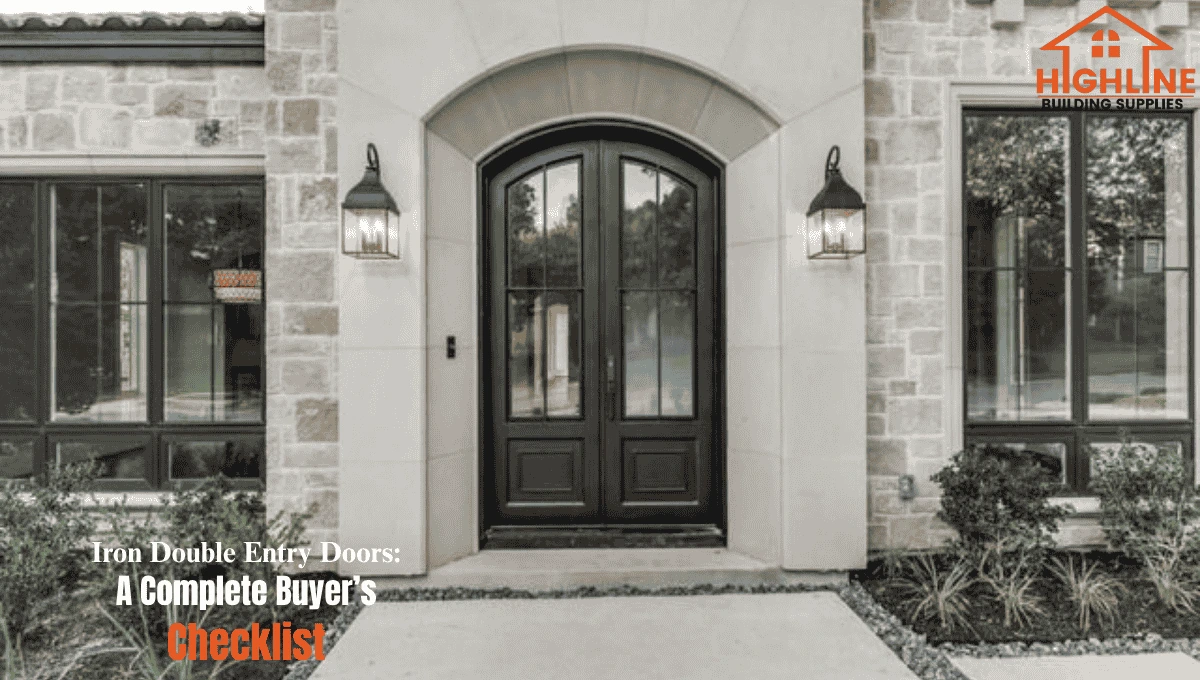
If you’re comparing mahogany to iron, they serve different aesthetic and functional purposes. Mahogany brings warmth and classic craftsmanship; iron brings dramatic visual weight and architectural statement. Some homeowners pair a mahogany door with iron sidelights or choose iron double entry doors for a bolder, more formal look.
Consider sun exposure when deciding on glass lites. South-facing entries with lots of sun exposure may benefit from low-E glass or tempered glass with UV protection, which helps prevent interior fading.
Real-World Examples: When Mahogany Works Best
Traditional Colonial home, full replacement: A homeowner with a 20-year-old fiberglass door experiencing air infiltration and a sagging frame swapped it for a prehung mahogany exterior entry door. The result was a noticeably tighter seal, warmer entry aesthetic, and increased curb appeal — which their real estate agent later credited with supporting a faster sale.
Modern Craftsman build: A couple building a custom home in the Pacific Northwest chose a 6-lite craftsman-style mahogany door to complement the board-and-batten siding. They specified a factory oil finish for the rainy climate and haven’t had to touch it in two years beyond a light cleaning.
Urban townhouse renovation: A city homeowner with a narrow 32-inch front entry chose a single panel mahogany door with rain glass to keep the entry bright without sacrificing privacy from the sidewalk. The prehung unit made installation straightforward in the existing brick surround.
FAQs:
How long do mahogany exterior doors last?
With proper sealing and periodic refinishing, a quality mahogany exterior door can last 30 to 50 years or more. The wood itself is highly durable — maintenance is the key variable.
Is mahogany a good choice for exterior doors in humid climates?
Yes, when properly sealed. Mahogany’s natural density and oil content make it more moisture-resistant than many other hardwoods. Just make sure it’s finished on all six sides and re-sealed regularly.
What’s the difference between a prehung mahogany door and a slab?
A prehung door includes the frame, hinges, and weatherstripping pre-assembled. A slab is just the door itself. Prehung is easier to install and usually delivers a better seal.
Can I paint a mahogany door?
Yes, but most homeowners choose to stain or oil-finish mahogany to showcase its natural grain. If you paint it, use an exterior-grade primer specifically designed for hardwoods, as mahogany tannins can bleed through standard primers.
What size rough opening do I need for a standard mahogany entry door?
For a 36″ x 80″ door, your rough opening should be approximately 38″ x 82¼”. Always check the manufacturer’s specs for the specific prehung unit you’re ordering, as frame thickness varies.
What Customers Are Saying
We spent weeks comparing fiberglass and wood before landing on mahogany. The difference in quality and feel is night and day. Our door has been up for three years and still looks the day we installed it — we do a light oil refresh every spring. — Rachel T., homeowner in Austin, TX
The prehung unit made installation much smoother than I expected. The frame was square, the weatherstripping was already in place, and the door swung perfectly from day one. Would absolutely order mahogany again. — David M., contractor and homeowner in Denver, CO
I was hesitant about the price, but after seeing it installed, it was absolutely worth it. The grain on the door is stunning, and it completely changed the look of our front elevation. — Priya S., homeowner in Atlanta, GA
Conclusion
A mahogany entry door is a long-term investment in your home’s function, comfort, and appearance. The key to getting it right is understanding what you’re buying wood species, construction type, glass configuration, and installation method all matter. Don’t rush the decision based on price alone, and don’t overlook the details that make the difference between a door that performs well for decades and one that becomes a source of frustration.
Take your measurements carefully, know your swing direction, seal all six sides, and choose a style that genuinely fits your home’s architecture. Do those things, and a mahogany door will reward you for years.
About the Author
This guide was developed by the editorial team at Highline Supplies, drawing on hands-on experience with exterior door selection, installation considerations, and wood finishing. Our team works closely with homeowners, contractors, and architects, and writes content based on real questions we hear every day not just what ranks well in search. Our goal is simple: help you make a decision you’ll be happy with long after the door is hung.


Leave a comment