
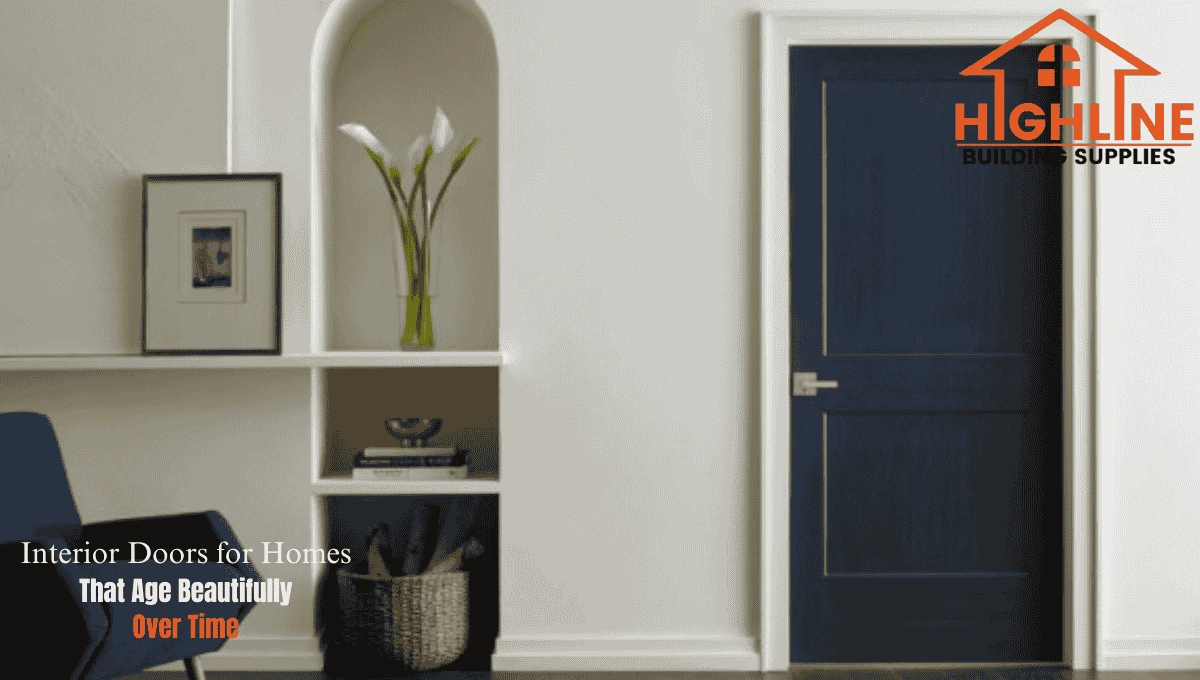
When homeowners think about upgrades that truly stand the test of time, interior doors for homes rarely get the attention they deserve. Yet these doors are touched, opened, and closed every single day. Over the years, their quality—or lack of it—becomes impossible to ignore. Doors that age well continue to look good, function smoothly, and complement evolving interior styles instead of becoming an eyesore or maintenance headache.
This guide explains what makes interior doors age gracefully, what homeowners often get wrong, and how to choose doors that look just as good years from now as they do on installation day.
Why Interior Doors Matter More Than You Think
Interior doors quietly shape how a home feels. They influence:
- Visual flow between rooms
- Sound control and privacy
- Daily comfort and usability
- Long-term maintenance costs
Poor-quality doors tend to warp, chip, loosen at hinges, or feel hollow and flimsy over time. Well-chosen doors, on the other hand, blend into the home’s character and continue to perform without drawing attention to themselves.
At Highline Building Supplies, long-term performance is a recurring theme in conversations with builders and homeowners alike. Doors that age well aren’t about trends—they’re about fundamentals done right.
What Does “Aging Beautifully” Really Mean?
A door that ages beautifully doesn’t necessarily stay perfect. Instead, it:
- Maintains structural integrity
- Shows minimal warping or sagging
- Keeps finishes consistent
- Feels solid and balanced when used
Natural wear should add character, not create problems. Understanding materials and construction is the first step toward that outcome.
Understanding Interior Door Construction
Hollow Core Doors: Light and Budget-Friendly
Hollow Core doors are common in apartments, rental properties, and budget-conscious builds. They’re lightweight and affordable, but they come with trade-offs.
Pros:
- Lower upfront cost
- Easy installation
- Suitable for low-traffic spaces
Limitations:
- Less sound insulation
- More prone to surface damage
- Can feel flimsy over time
Hollow core doors can age acceptably in closets or guest rooms but often show wear faster in daily-use areas.
Solid Core Doors: The Balance of Value and Longevity
Solid Core doors feature a dense interior that mimics the feel of solid wood without the same cost or maintenance demands.
Why homeowners prefer them long-term:
- Better sound control
- Increased durability
- Heavier, more substantial feel
These doors often strike the best balance for interior doors for homes that need to perform well over decades.
Materials That Stand the Test of Time
Engineered Wood and Composite Options
Modern engineered materials resist expansion and contraction better than traditional solid wood. This stability helps doors maintain alignment and finish consistency, especially in homes with seasonal humidity changes.
Finishes Matter More Than Color
Painted doors and veneered surfaces age differently depending on preparation and coating quality. Neutral finishes tend to age better visually and are easier to refresh years later.
Design Choices That Don’t Date Quickly
Simple Profiles Outlast Trends
Heavily ornate designs may feel dated in a decade. Clean lines, subtle panels, and classic proportions adapt better as interior styles evolve.
Hardware Is Part of the Door’s Aging Process
Handles, hinges, and latches take daily abuse. Quality hardware prevents sagging and keeps doors functioning smoothly long after installation.
Practical Considerations Homeowners Often Overlook
Room Function Matters
Not every room needs the same type of door:
- Bedrooms benefit from solid core doors for privacy
- Home offices need sound control
- Closets and pantries can use lighter options
Choosing one type for the entire house isn’t always practical or cost-effective.
Climate and Humidity
Homes in humid or fluctuating climates need doors that resist swelling and sticking. Proper material choice reduces long-term frustration.
Common Mistakes That Lead to Premature Wear
- Choosing hollow doors for high-traffic areas
- Ignoring door weight when selecting hinges
- Skipping proper sealing and finishing
- Prioritizing trends over durability
These mistakes don’t show up immediately—but they surface within a few years.
Expert Tips for Doors That Age Gracefully
- Match door weight with appropriate hardware
- Choose neutral finishes that can be refreshed
- Use solid core doors where sound and durability matter
- Measure carefully to avoid forced adjustments
Builders often note that doors installed correctly last far longer than those rushed into place.
Real-World Examples From Home Projects
Renovation with Long-Term Value in Mind
A homeowner replaced mismatched hollow doors with solid core interior doors in main living areas, while keeping lighter doors in closets. The result was improved sound control and a more cohesive feel without overspending.
New Construction Planning Ahead
A builder selected simple panel designs in neutral finishes, knowing future buyers could easily adapt the style. Years later, the doors still fit modern interiors without replacement.
How Interior Doors Fit Into the Bigger Picture
Interior doors shouldn’t be chosen in isolation. They work alongside flooring, trim, and windows to create a consistent home experience. For a broader look at how openings affect home performance and value, this guide on best windows for homes provides useful context.
FAQ:
How long should interior doors last?
Quality interior doors can last 20–30 years or more with proper installation and care.
Are solid core doors worth the extra cost?
In high-traffic or private spaces, yes. They age better and reduce noise.
Do hollow core doors have any place in a home?
Yes. They work well for closets or low-use rooms where durability is less critical.
Can older doors be refreshed instead of replaced?
Often, yes. Repainting or replacing hardware can extend their visual life.
What Homeowners Say
Switching to solid core doors made our home noticeably quieter.
We chose simple designs, and years later they still look current.
The advice helped us avoid doors that would’ve needed replacing.
Final Thoughts: Choose Doors That Grow With Your Home
The best interior doors for homes don’t demand attention—they quietly perform year after year. By focusing on construction, material quality, and timeless design, homeowners can avoid replacements and enjoy doors that truly age beautifully.
About the Author
This article was written by the Highline Building Supplies editorial team, drawing on hands-on experience working with builders, remodelers, and homeowners. The goal is to share practical, real-world insights that help people make durable, confident home improvement decisions.

Leave a comment