
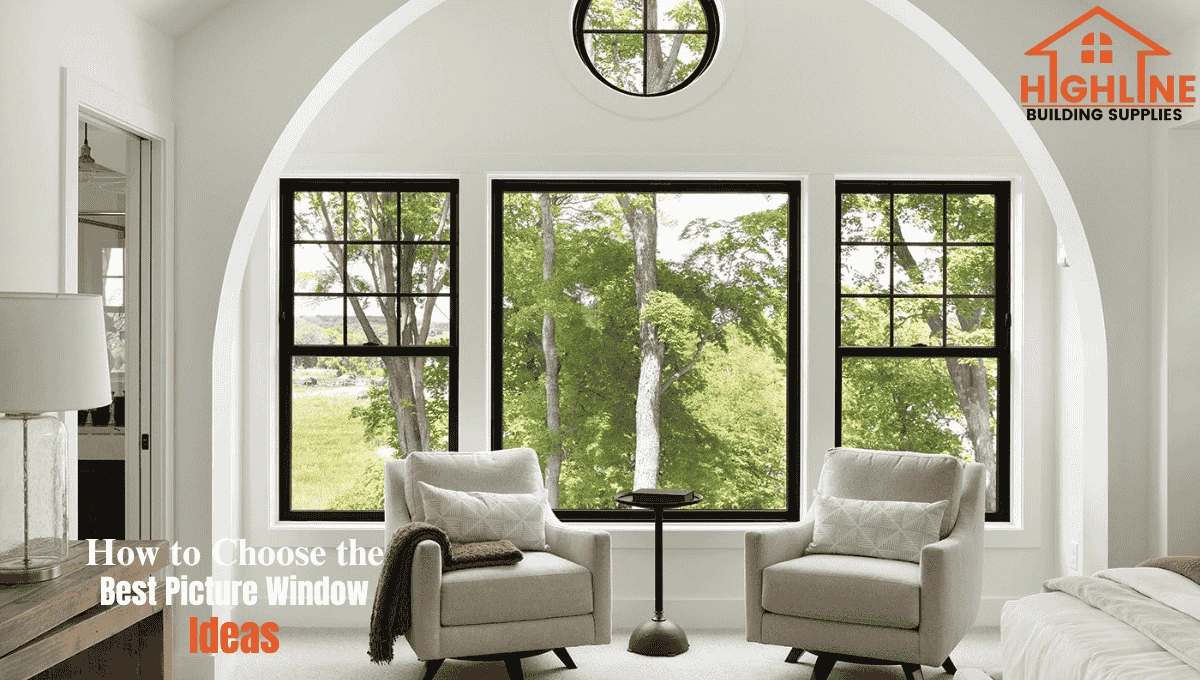
If you’re collecting picture window ideas for a new build, remodel, or room upgrade, it helps to think beyond appearance. A picture window can completely change how a space feels—bringing in more daylight, opening up views, and making a room look larger—but the wrong size, placement, frame material, or surrounding trim can create glare, heat gain, privacy issues, or an awkward layout that is expensive to fix later.
This guide will help you choose picture window ideas that work in real homes, not just in inspiration photos. You’ll learn what picture windows are, where they work best, what to compare before buying, common planning mistakes, and how to make smarter design decisions that hold up over time.
What Is a Picture Window?
A picture window is a large fixed window designed to frame an outdoor view and bring in natural light. Unlike operable windows, picture windows do not open. Their main purpose is visibility, daylight, and clean architectural impact.
In simple terms:
A picture window is meant to act like a “view frame” for your home.
That makes it a popular choice for:
- Living rooms
- Stair landings
- Dining areas
- Front elevations
- Great rooms
- Home offices
- Hallways with outdoor exposure
Because picture windows don’t have moving parts, they often provide:
- Wider uninterrupted glass
- Cleaner sightlines
- Better energy performance than some venting styles
- Lower maintenance in many cases
But that doesn’t mean every large fixed window is automatically the right choice.
Why Choosing the Right Picture Window Idea Matters
A picture window is often one of the most noticeable visual elements in a room or exterior elevation. It affects far more than curb appeal.
It can influence:
- Room brightness
- Furniture layout
- Privacy
- Heat gain and glare
- Exterior symmetry
- Energy efficiency
- Wall space for décor or storage
A poorly chosen large picture window can leave a room feeling exposed, too bright in the afternoon, or oddly unbalanced from the outside. On the other hand, a well-planned picture window can make an average room feel custom and intentional.
That’s why it helps to approach this as both a design decision and a practical building decision.
Key Concepts: What You Need to Know Before Choosing
Before looking at styles, sizes, and layouts, it’s worth understanding the basics.
1) Picture windows are fixed, not functional for ventilation
This is the first thing many homeowners overlook.
A picture window gives you:
- Light
- Views
- Design impact
But it does not give you:
- Fresh air
- Emergency egress
- Easy ventilation
That doesn’t make it a bad choice. It just means you may want to pair it with other window types if airflow matters in that room.
2) Bigger isn’t always better
A larger window can be beautiful, but oversizing it without considering wall proportions, sunlight direction, and room use often creates problems.
Good window design is about balance, not just maximum glass.
3) The best picture window idea depends on the room
A picture window for a front-facing living room may need privacy and curb appeal.
1. A picture window over a stairwell may need:
- Height
- Natural light
- Architectural interest
2. A picture window in a rear family room may be more about:
- Backyard views
- Connection to outdoor living
- Everyday comfort
That’s why the “best” idea always depends on context.
How to Choose the Best Picture Window Ideas
-
Start With the Purpose of the Window
Before choosing a shape, size, or frame, ask one simple question:
What do I want this window to do?
Usually, homeowners want one or more of the following:
- Bring in more natural light
- Showcase a view
- Make a room feel larger
- Create a focal point
- Improve exterior design
- Modernize an older home
- Add value during a remodel
That answer should guide every other decision.
Example:
- If your main goal is daylight, a wide front-facing picture window may make sense.
2. If your main goal is framing a backyard or wooded lot, a taller rear-facing layout might work better.
3. If your goal is curb appeal, the proportions and trim matter just as much as the glass itself.
-
Match the Window Idea to the Room
One of the most practical ways to choose the right concept is to think room by room.
Best Picture Window Ideas by Room
Living room
Best for:
- Wide outdoor views
- Daylight
- Front or rear focal points
What usually works:
- Large centered windows
- Low sill heights for better seated views
- Balanced trim and wall spacing
Dining room
Best for:
- Framing a backyard or patio
- Bringing in soft natural light
What usually works:
- Medium to large fixed windows
- Picture windows paired with side casements if ventilation is needed
Kitchen
Best for:
- Backyard or side-yard views
- Light over a sink or breakfast area
What usually works:
- Medium-sized picture windows
- Careful placement to avoid direct afternoon glare
Stairwell or landing
Best for:
- Vertical architectural interest
- Brightening dark transitional spaces
What usually works:
- Taller fixed windows
- Clean rectangular forms
Home office
Best for:
- Daylight without distractions
- Controlled view framing
What usually works:
- Moderate-sized windows with thoughtful orientation to reduce screen glare
-
Think About Orientation and Sunlight
This is one of the most overlooked but important planning steps.
The same window can feel very different depending on which direction it faces.
How sunlight affects picture windows
South-facing
Usually offers:
- Strong daylight
- Good winter sun
- Potential summer heat gain
West-facing
Usually offers:
- Warm afternoon light
- More glare and overheating risk
East-facing
Usually offers:
- Pleasant morning light
- Softer heat load
North-facing
Usually offers:
- Consistent natural light
- Less harsh direct sun
Practical tip:
If you love the look of a large picture window, think carefully about west-facing walls. They often look beautiful in photos but can become uncomfortable in real life without the right glazing, shading, or placement.
- Choose the Right Size and Proportion
A good picture window should feel integrated with the room—not oversized for the sake of impact.
What to look for:
- Enough wall space around the window
- Proportion that fits the room height and width
- A sill height that makes sense for how the room is used
- Exterior symmetry where relevant
What works best in real homes:
In many rooms, a slightly smaller but better-positioned picture window performs better than the biggest unit that can physically fit.
That’s especially true when you still need:
- Furniture placement
- Wall art
- TV space
- Storage
- Privacy
Rule of thumb:
Choose a window that frames the view well without taking over every practical function of the wall.
-
Compare Frame Materials Carefully
Frame material affects:
- Maintenance
- Appearance
- Energy performance
- Budget
- Long-term durability
Common options include:
Vinyl
A vinyl picture window is often a practical choice for many homes because it tends to be:
- Low maintenance
- Energy-efficient
- Cost-effective
- Clean-looking in both modern and traditional settings
That’s one reason vinyl remains popular for homeowners comparing performance and price.
Wood
Wood offers warmth and classic character, but usually requires more maintenance.
Aluminum or composite
These can create slimmer profiles and more contemporary aesthetics, depending on the build and climate.
Practical tip:
For most homeowners and builders trying to balance budget, durability, and energy efficiency, vinyl is often one of the easiest frame materials to live with long term.
If you’re comparing practical options, you can browse picture windows for sale to better understand available styles and sizing.
-
Consider Whether You Need Standard or Custom Sizing
This is where many window projects either stay manageable—or get more expensive quickly.
Standard-size picture windows
Often make sense when:
- You’re replacing an existing unit
- You want easier product availability
- You’re trying to control project cost
Custom picture windows
Can be worth it when:
- You’re designing around a specific view
- The wall proportions are unusual
- You’re building a feature elevation
- You want a cleaner architectural fit
Real-world advice:
Custom picture windows can look excellent when they solve a real design need. But if a standard size works visually and structurally, it often makes the project simpler and more cost-effective.
For example, homeowners comparing common practical dimensions may find reference points in products like:
These kinds of standard-size examples can help you visualize what proportions may work in your space.
Benefits of Picture Windows
When used well, picture windows can dramatically improve both design and comfort.
Main benefits
More natural light
This is often the biggest advantage. Rooms feel brighter, more open, and more inviting.
Better views
A picture window can turn a backyard, garden, tree line, or skyline into part of the room.
Cleaner architectural look
Because there are no moving sashes, picture windows often create a more streamlined appearance.
Potential energy efficiency
Since fixed windows have fewer air-leak points than operable styles, they can perform very well when properly specified and installed.
Strong design value
A well-placed picture window can elevate both interior design and curb appeal.
Limitations and Trade-Offs to Know
No window type is perfect for every situation.
Limitations of picture windows
No ventilation
This is the biggest drawback. If the room needs airflow, you may need to pair the picture window with side units that open.
Potential glare or heat gain
Large glass areas can create comfort issues if placement and glazing are not planned carefully.
Privacy concerns
A beautiful front-facing window can also expose more of the interior than homeowners expect.
Less wall utility
A bigger window means less usable wall space for shelving, artwork, cabinets, or media setups.
The right choice is often not “more glass,” but the right amount of glass in the right place.
Practical Buying and Planning Considerations
If you’re comparing ideas seriously, these are the details worth focusing on.
What to compare before deciding
1) Glass performance
Ask about:
- Low-E coatings
- Insulated glass
- Solar heat control
- U-factor and energy ratings
2) Frame depth and appearance
Slimmer profiles often look more modern, while heavier trim can feel more traditional.
3) Installation complexity
A very large opening may involve:
- Structural framing changes
- Header considerations
- Interior finishing adjustments
4) Trim and finishing details
Interior and exterior trim have a huge effect on how “finished” the window feels.
If you’re planning a broader remodel, coordinating your window style with surrounding finish details can make a major difference. This is where related upgrades like affordable trim for home renovation can help tie the space together.
5) Replacement vs. new construction
Picture window replacements are usually simpler if you’re working within an existing opening.
New openings offer more freedom but also more planning.
Common Mistakes to Avoid
This is where homeowners and even experienced remodelers often lose time or money.
1) Choosing based only on inspiration photos
A design that looks great online may not work with your:
- Sun exposure
- Floor plan
- Furniture layout
- Privacy needs
2) Making the window too high or too low
The wrong sill height can affect:
- Seated views
- Furniture placement
- Exterior proportions
3) Ignoring ventilation needs
A fixed picture window is often best when paired thoughtfully with operable windows elsewhere.
4) Forgetting about glare
Large windows in west-facing rooms can become frustrating quickly if glare is not addressed early.
5) Overcomplicating the shape
Sometimes the strongest picture window idea is simply a clean, well-proportioned rectangle—not an unusual shape that draws attention for the wrong reasons.
6) Underestimating installation and finish work
A beautiful window can still feel unfinished if:
- Trim is weak
- Drywall returns are awkward
- Exterior casing feels out of scale
7) Searching only by product, not by room use
A lot of people search terms like picture windows near me or compare styles by size alone, but the better question is:
How should this window function in my room every day?
That leads to better decisions.
Expert Tips and Best Practices
These are the details that tend to make picture windows feel intentional rather than improvised.
Frame the best view—not just the biggest opening
If one side of the yard is more attractive, orient the window around that visual priority.
Think from both inside and outside
A good picture window should improve the room and look balanced from the exterior elevation.
Use trim to control the final style
The same window can feel:
- Modern
- Farmhouse
- Traditional
- Transitional
…depending on the trim profile and finish details around it.
Pair fixed windows with ventilation where needed
In bedrooms, kitchens, and living spaces, many homeowners are happiest when fixed glass is combined with airflow elsewhere.
Don’t skip professional measuring
Even when a size looks straightforward, exact rough opening and finish dimensions matter—especially for replacements.
Plan furniture before finalizing the opening
This avoids the common problem of a beautiful window landing exactly where the sofa, TV, or built-ins should go.
Real-World Use Cases and Examples
Example 1: Front living room in a suburban home
Goal:
- Improve curb appeal
- Bring in more natural light
What worked:
A centered front-facing picture window with clean trim and moderate height created a brighter room without sacrificing privacy.
Example 2: Backyard family room remodel
Goal:
- Better connection to the patio and yard
- More open feel
What worked:
A wider rear-facing picture window created stronger sightlines and made the room feel noticeably larger.
Example 3: Stairwell in a new build
Goal:
- Brighten a dark vertical space
- Add architectural character
What worked:
A taller fixed window added natural light and made the stair volume feel more custom.
Example 4: Older home window replacement
Goal:
- Improve energy performance
- Refresh exterior appearance
What worked:
A practical vinyl picture window replacement kept the project manageable while improving both comfort and visual impact.
Quick Checklist: How to Choose the Best Picture Window Idea
Before you decide, ask yourself:
- What is the main purpose of this window?
- Which room is it for?
- What direction does the wall face?
- Do I need ventilation nearby?
- Is standard sizing enough, or do I need custom?
- How will it affect furniture placement?
- Will it still look balanced from the exterior?
- Have I thought about trim and finishing?
If you can answer those clearly, you’re already making a better decision than most homeowners at the start of the process.
Customer Testimonials
We originally wanted the biggest window possible, but after adjusting the size and placement, the room worked much better. The view still feels huge, and the wall is more usable.
— Melissa R., Homeowner
Switching to a fixed picture window in our family room made the whole back wall feel cleaner and brighter. It changed the room more than we expected.
— Jordan T., Remodel Client
The biggest help was thinking about sunlight first. We avoided a west-facing glare problem by choosing a different wall.
— Ethan P., Builder
FAQ:
What is the best place for a picture window?
The best place is usually where you have the best natural view and the most useful daylight without causing too much glare or privacy loss.
Are picture windows energy efficient?
Yes, they often are. Because they don’t open, they usually have fewer air-leak points than operable windows.
Can picture windows open for airflow?
No. Picture windows are fixed. If ventilation matters, pair them with operable windows nearby.
Are vinyl picture windows a good choice?
For many homes, yes. They’re low maintenance, energy-efficient, and often cost-effective for both new projects and replacements.
Should I choose custom or standard picture windows?
Choose custom only if it solves a real design or sizing need. Standard sizes often keep the project simpler and more budget-friendly.
Final Thoughts
The best picture window ideas are not always the boldest or biggest. They are the ones that make the room brighter, more comfortable, and more functional—while still looking intentional from both inside and outside the home.
If you focus on purpose, room layout, sunlight, proportion, frame material, and finishing details, you’ll be much more likely to choose a window that still feels right years from now.
A well-planned picture window should do more than look good on installation day. It should improve how the room works every single day after that.
Author / Editorial Team Bio
Highline Supplies Editorial Team creates practical home improvement content designed to help homeowners, builders, and remodelers make smarter material and design decisions. The team focuses on real-world renovation needs, product clarity, and straightforward guidance that supports better planning, cleaner results, and more confident project choices.

Leave a comment