
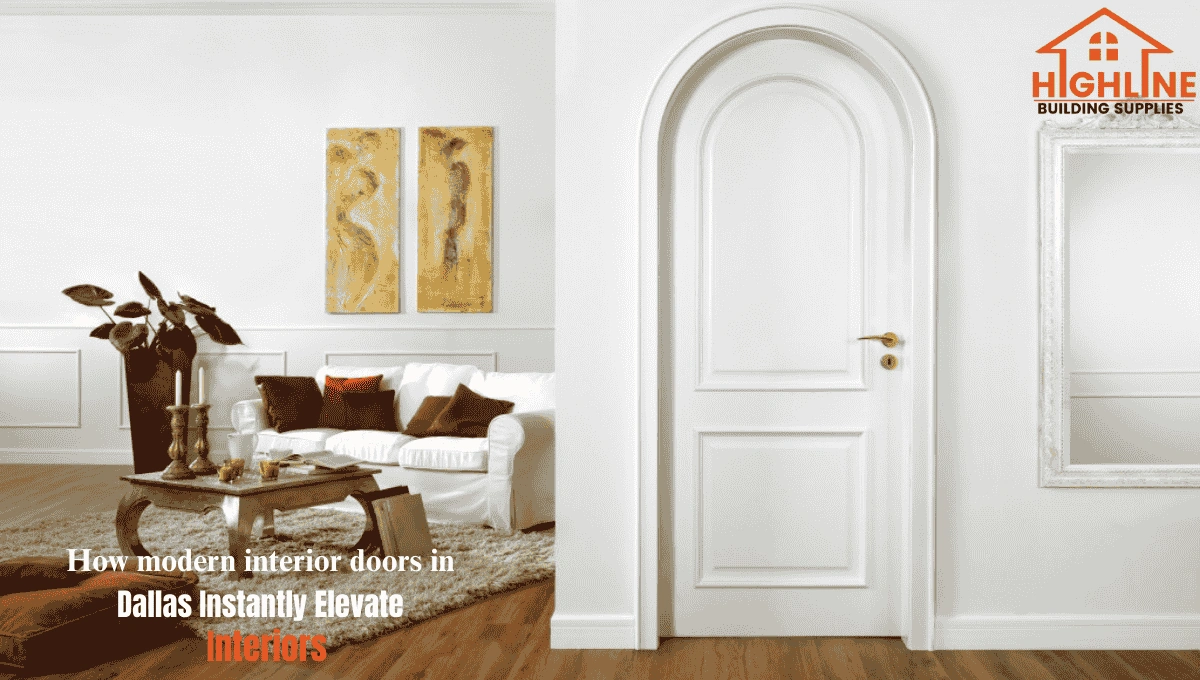
Interior design conversations often focus on flooring, paint colors, or lighting. Yet one of the most overlooked upgrades one that professionals notice immediately is the door. Buy Modern interior doors in Dallas homes are quietly transforming interiors, not through flash or trends, but through cleaner lines, better materials, and smarter construction choices that align with how people actually live today.
If you’re remodeling, building, or even just refreshing a space, interior doors deserve far more attention than they usually get. They influence how rooms feel, how sound travels, how light moves, and how cohesive the home appears overall. This guide breaks down what “modern” really means when it comes to interior doors, why it matters in Dallas homes specifically, and how to make informed decisions without overcomplicating the process.
What Makes an Interior Door Modern?
The word modern gets thrown around loosely, but in practice, modern interior doors share a few clear characteristics. They’re not about being trendy—they’re about simplicity, proportion, and performance.
Core Design Elements of Modern Interior Doors
Modern interior doors typically feature:
- Clean, simple profiles (often flat or minimal panel designs)
- Consistent proportions that align with contemporary trim and casing
- Neutral finishes designed to complement a wide range of interiors
- Improved materials that outperform older hollow doors
In Dallas, where homes range from mid-century ranches to new-build townhomes, modern doors are less about one specific look and more about adaptability.
Why Interior Doors Matter More Than Most Homeowners Think
Doors are used constantly. When they’re outdated or poorly built, people notice—consciously or not.
Visual Impact
Interior doors take up a surprising amount of wall space. When they don’t match the rest of the home’s style, they interrupt the flow. Modern doors help:
- Create visual continuity between rooms
- Support open-concept layouts without feeling bulky
- Make ceilings feel taller and rooms more intentional
Functional Performance
Beyond appearance, doors affect daily comfort:
- Sound control between rooms
- Durability in high-traffic areas
- Privacy in bedrooms, offices, and bathrooms
Older hollow core doors, common in many Dallas homes built decades ago, often fail in all three areas.
Hollow Core vs. Solid Core: What Actually Works in Real Homes
One of the most common questions homeowners ask is whether solid core doors are worth the upgrade. From hands-on experience, the answer depends on where and how the door is used.
Pros:
- Lightweight
- Lower upfront cost
- Easy to install
Cons:
- Poor sound insulation
- Feels flimsy over time
- Easily damaged
Hollow core doors may still make sense for closets or low-use areas, but they often fall short in main living spaces.
Pros:
- Substantially better sound reduction
- More durable and impact-resistant
- Feels substantial and well-built
Cons:
- Heavier
- Higher initial cost
In practice, solid core doors are the go-to choice for bedrooms, offices, and any space where privacy and longevity matter.
Why 1-Panel Shaker Doors Are So Popular in Dallas
Among modern styles, the 1-Panel Shaker Primed Solid Core Prehung Door has become a favorite for Dallas homeowners and builders alike—and for good reason.
What Makes the Shaker Style Work
- Timeless design that works in modern, transitional, and even traditional homes
- Flat center panel that avoids visual clutter
- Easy to paint for seamless integration with walls and trim
Because they’re primed, these doors give homeowners flexibility. You’re not locked into a factory finish, which matters in custom interiors.
Why Prehung Doors Matter
Prehung doors come mounted in their frames, which:
- Ensures proper alignment
- Reduces installation issues
- Saves time during renovations
This is especially valuable in older Dallas homes where framing isn’t always perfectly square.
How Modern Interior Doors Improve Dallas Homes Specifically
Dallas homes face unique design and environmental considerations that modern interior doors help address.
Temperature and Sound Control
Open layouts are common, but so are:
- Home offices
- Media rooms
- Multi-generational living spaces
Solid core interior doors help manage sound and create separation without compromising style.
Design Consistency in Renovations
Many homeowners update interiors in phases. Modern interior doors provide a neutral, future-proof foundation that works whether you renovate one room or the entire house.
Practical Considerations Before Choosing Interior Doors
Modern doors look simple—but choosing the right ones requires attention to detail.
Sizing and Clearances
Older homes may have non-standard door sizes. Before ordering:
- Measure width, height, and thickness
- Check wall depth and casing requirements
- Confirm swing direction
Hardware Compatibility
Modern doors pair best with simple, clean hardware. Oversized or ornate handles often clash with minimalist profiles.
Paint and Finish Planning
Primed doors allow customization, but:
- Use high-quality paint designed for doors and trim
- Consider sheen (semi-gloss is common for durability)
Common Mistakes Homeowners Make With Interior Doors
After years of working with building materials, a few mistakes show up again and again.
Mistake #1: Choosing Doors Last
Doors should be selected alongside trim, flooring, and paint—not after everything else is finished.
Mistake #2: Mixing Styles Room to Room
Inconsistent door designs break visual flow, even if each door looks fine on its own.
Mistake #3: Ignoring Door Core Construction
Choosing hollow core doors everywhere to save money often leads to regret—especially in bedrooms and offices.
Expert Tips That Actually Make a Difference
These aren’t showroom tips—they’re lessons learned from real installations.
- Standardize door styles across the home for a cohesive look
- Upgrade hinges—they matter more with heavier solid core doors
- Plan for future repainting by choosing primed doors upfront
Professionals also recommend reviewing your full material list early. Articles like this one on building materials highlight how small decisions compound over time.
Real-World Use Cases: Where Modern Doors Shine Most
Home Offices
Solid core Shaker doors dramatically improve sound isolation during calls and meetings.
Primary Bedrooms
They add a sense of quiet and separation that lightweight doors can’t match.
Hallways and Transitions
Modern interior doors help unify long sightlines and reduce visual clutter.
FAQ:
Are modern interior doors just a design trend?
No. While styles evolve, modern doors focus on proportion, simplicity, and performance—qualities that age well.
Do solid core doors really reduce noise?
Yes. They significantly reduce sound transfer compared to hollow core doors.
Can modern doors work in older Dallas homes?
Absolutely. They often improve flow and balance without clashing with original architecture.
Are prehung doors better for renovations?
In most cases, yes. They reduce alignment issues and speed up installation.
Do interior doors affect home value?
Indirectly, yes. They contribute to perceived quality, comfort, and design cohesion.
What Homeowners Are Saying
Switching to solid core Shaker doors made the house feel quieter and more finished almost overnight.
— Dallas homeowner, renovation project
We didn’t realize how dated our old doors were until they were gone. The difference was immediate.
— Plano remodel client
Prehung doors saved us weeks during our renovation. Everything lined up cleanly.
— Local builder
Final Thoughts: Why Doors Deserve a Place in the Design Conversation
Modern interior doors don’t shout for attention—and that’s exactly the point. When chosen thoughtfully, they elevate interiors through subtle consistency, better performance, and long-term durability. For Dallas homeowners balancing style with practicality, upgrading interior doors is one of the most effective changes you can make without overhauling your entire home.
About the Editorial Team
The Highline Building Supplies editorial team draws on years of hands-on experience working with interior doors, framing materials, and residential building products. Our insights come from real-world projects, contractor feedback, and practical problem-solving—not marketing copy. We focus on helping homeowners and professionals make informed decisions that hold up over time.


Leave a comment