
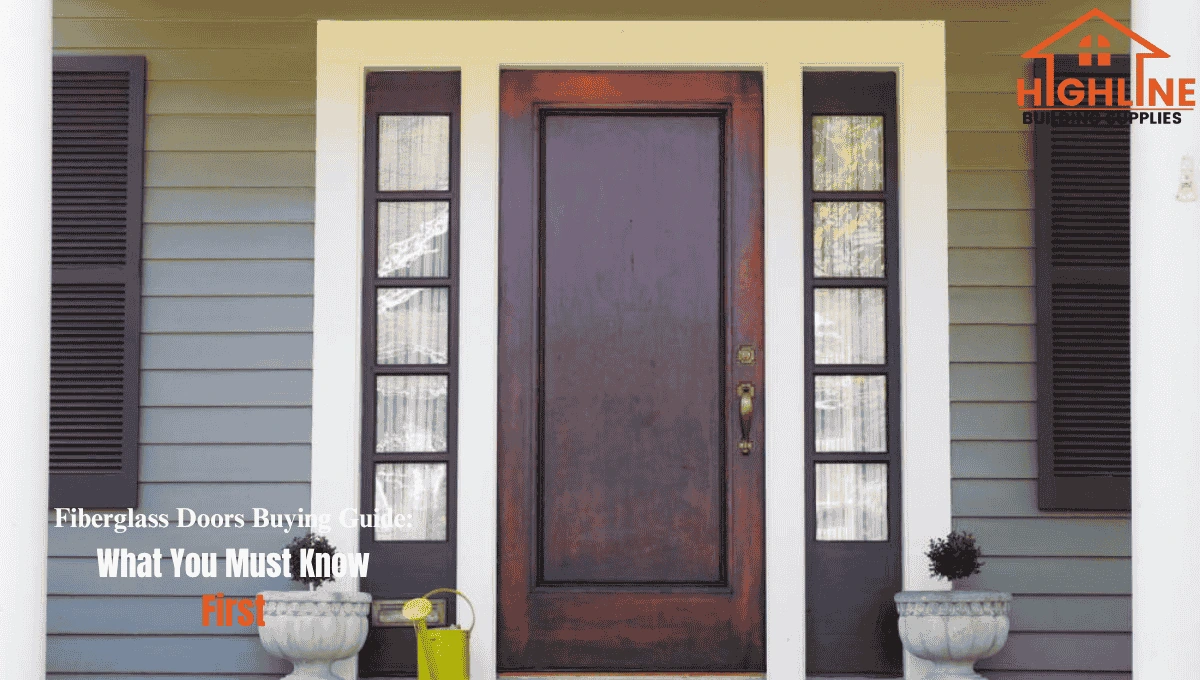
Choosing a new front door sounds simple until you start comparing materials, styles, insulation ratings, and installation details. That’s exactly why a practical fiberglass doors buying guide matters. The right fiberglass door can improve energy efficiency, reduce maintenance, strengthen security and upgrade curb appeal. The wrong one can leave you with drafts, alignment issues, or a finish that doesn’t hold up.
This guide explains how to choose fiberglass doors with real-world clarity: what actually matters, what buyers often miss and how to avoid spending money on the wrong fit for your home.
Why Fiberglass Doors Are So Popular
Fiberglass has become one of the most practical materials for modern exterior entry doors because it balances performance and appearance better than many homeowners expect.
What makes fiberglass different?
Unlike traditional wood, fiberglass resists:
- Warping
- Rot
- Cracking
- Swelling from moisture
Unlike some lower-grade steel doors, fiberglass also offers more design flexibility and often better resistance to dents and visible wear.
Why homeowners choose fiberglass
- Strong insulation performance
- Low maintenance over time
- Realistic woodgrain options
- Good durability in hot, cold, and humid climates
- Broad range of modern and classic styles
For many homes, fiberglass offers the best middle ground between appearance, longevity, and everyday practicality.
What a Good Fiberglass Door Should Actually Do
A front door should do more than look good. In real use, it should:
- Seal tightly
- Open and close smoothly year-round
- Resist weather exposure
- Support secure hardware
- Match the home’s design
A lot of buyers focus only on color or glass style. In practice, performance details matter more.
How to Choose Fiberglass Doors the Right Way
If you’re trying to understand how to choose fiberglass doors, start with the factors that affect real-life performance not just showroom appearance.
1) Start with your climate
Your local weather affects how well a door performs over time.
Best choices by condition:
- Hot/sunny climates: UV-resistant finishes matter
- Cold climates: Insulated core and tight weather sealing matter most
- Humid or rainy regions: Moisture resistance becomes essential
Fiberglass performs especially well where wood tends to swell or split.
2) Pay attention to the core and insulation
Not all fiberglass doors perform equally. Some are decorative first and functional second.
Look for:
- Polyurethane foam core
- Tight perimeter seals
- Energy-efficient glazing if glass is included
- Solid frame construction
A door with poor insulation can look premium but still leak conditioned air.
3) Decide how much glass you really want
Glass inserts can look beautiful, but they also affect privacy, insulation, and sunlight exposure.
Good uses for glass:
- Bringing light into dark entryways
- Creating a more modern façade
- Adding architectural detail
A great example of a balanced design is a style like
👉 6-Lite Frosted Modern Prehung Exterior Door
which gives you natural light without sacrificing privacy.
4) Think about finish and texture
Many homeowners want the warmth of wood without the maintenance burden. That’s one of fiberglass’s strongest advantages.
Popular finish directions:
- Smooth modern painted finishes
- Rustic or classic woodgrain textures
- Contemporary mixed-material looks
If you want a warmer natural look, styles such as
👉 Cherry Oak
can offer a wood-inspired appearance with easier upkeep.
5) Match the style to the architecture of the home
A door can be high quality and still look wrong if it doesn’t fit the house.
Good style matches:
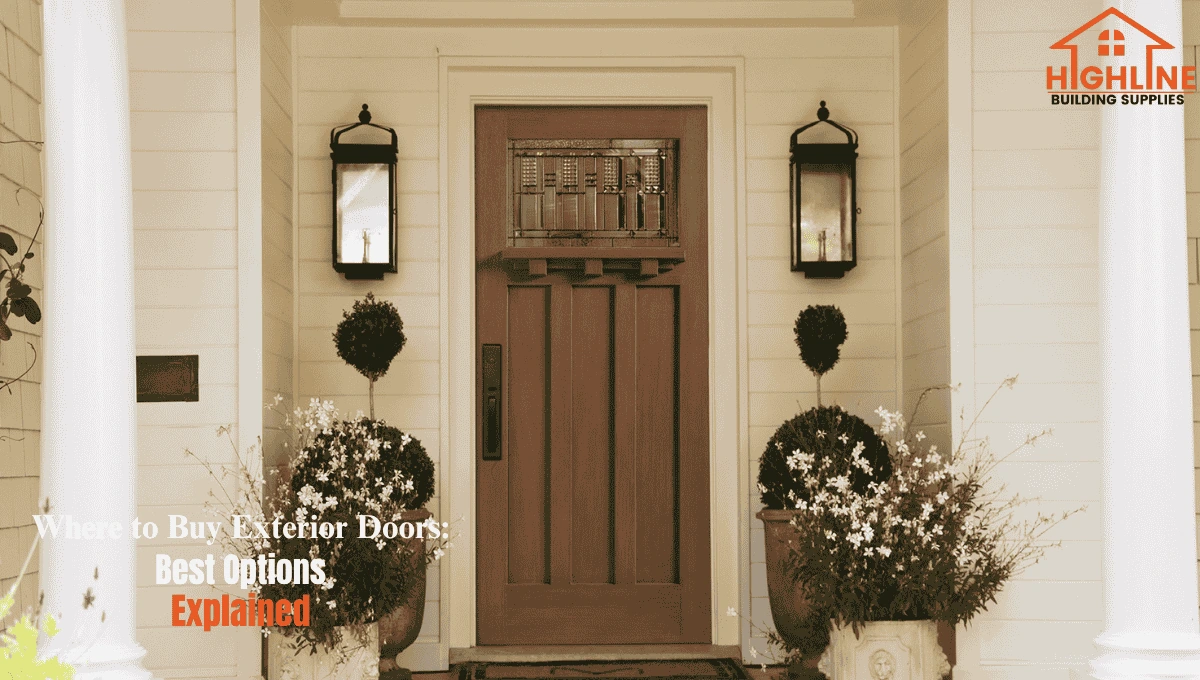
- Craftsman homes: framed panels, modest glass, classic lines
- Modern homes: clean slabs, frosted glass, minimal hardware
- Traditional homes: richer finishes, decorative detail, symmetrical layout
For example, a design like
👉 Craftsman Meridian
works especially well for homes that need character without looking overdesigned.
Fiberglass vs Other Exterior Entry Door Materials
One of the biggest parts of any fiberglass doors buying guide is understanding what you’re comparing it against.
Fiberglass vs wood
Fiberglass wins on:
- Lower maintenance
- Better weather resistance
- More stable performance over time
Wood wins on:
- Natural authenticity
- Refinishing flexibility
- Traditional craftsmanship appeal
Fiberglass vs steel
Fiberglass wins on:
- Dent resistance
- Style variety
- More premium visual options
Steel wins on:
- Lower cost in many cases
- Strong security value
- Simple utility applications
Best practical takeaway
If you want a door that looks good, holds up, and doesn’t demand constant upkeep, fiberglass is often the most balanced choice.
Common Mistakes Buyers Make
This is where many people lose money—not because fiberglass is wrong, but because they buy the wrong version.
Mistake 1: Choosing only by appearance
A beautiful slab with weak seals or poor frame quality won’t perform well.
Mistake 2: Ignoring door swing and rough opening
This causes installation delays and sometimes expensive rework.
Mistake 3: Underestimating installation
Even a great door can perform poorly if it’s not installed square and sealed correctly.
That’s why many homeowners researching doors also spend time understanding
👉 fiberglass front doors installation
before making a final decision.
Mistake 4: Buying without checking exposure
A fully exposed south-facing entry needs different finish durability than a covered porch entry.
Mistake 5: Choosing oversized glass without privacy planning
Looks great online. Feels uncomfortable in real life.
Real-World Buying Tips That Actually Help
These are the kinds of details people often wish they knew before buying.
Measure more carefully than you think you need to
Check:
- Width
- Height
- Jamb depth
- Threshold condition
- Floor slope if older home
Buy the system, not just the slab
Door performance depends on more than the panel itself.
A good entry system includes:
- Frame quality
- Weatherstripping
- Threshold
- Hinge support
- Lockset compatibility
Don’t over-customize unless the home needs it
Custom options can look great, but they can also increase lead times and cost quickly. Often, a well-selected standard configuration does the job better.
Best Place to Buy Fiberglass Doors
A lot of buyers don’t just ask what to buy—they ask where.
The best place to buy fiberglass doors is usually a specialized supplier that gives you:
- Clear specifications
- Multiple design options
- Reliable sizing support
- Better material guidance than general hardware stores
That’s one reason many homeowners start by comparing curated options from focused suppliers rather than trying to sort through generic retail listings.
If you’re still comparing overall entry options, this guide on
👉 where to buy exterior doors
can also help you narrow down what kind of supplier makes the most sense for your project.
When Premium Fiberglass Front Doors Are Worth It
Not every project needs top-tier customization—but some absolutely do.
Premium fiberglass front doors make more sense when:
- The front elevation is a focal point
- You want a higher-end finish without wood maintenance
- The home has strong resale or curb appeal goals
- You need better long-term weather performance
Premium fiberglass front doors usually justify the cost when appearance and longevity both matter not just one or the other.
Benefits and Limitations of Fiberglass Doors
A good buying guide should be honest about both.
Benefits
- Low maintenance
- Strong resistance to weather and moisture
- Good insulation performance
- Broad style and finish options
- Works well for many climates
Limitations
- Can cost more upfront than basic steel doors
- Lower-end fiberglass options may feel less substantial
- Some finishes can fade faster if sun exposure is ignored
- Custom styles may increase lead times
The key isn’t whether fiberglass is “perfect.” It’s whether it’s the right fit for your house and usage.
Best Use Cases for Fiberglass Doors
1) Busy family homes
If your entry sees constant use, fiberglass handles everyday wear well.
2) Homes in humid or changing climates
Fiberglass is especially useful where wood tends to move with moisture.
3) Renovation projects
When homeowners want a major visual upgrade without high maintenance, fiberglass is often the smart move.
4) Modern curb appeal upgrades
A clean fiberglass entry door can dramatically change how a home looks from the street.
Short Customer Perspectives
We originally planned to buy wood, but fiberglass made more sense once we looked at maintenance and weather exposure.
The biggest difference was insulation. The old door always felt drafty, and the replacement fixed that immediately.
We wanted something that looked warm but didn’t need repainting every couple of years. Fiberglass checked that box.
FAQ:
Are fiberglass doors worth buying?
Yes, for many homeowners they’re one of the best long-term choices because they combine durability, insulation, and lower maintenance.
How do I choose the right fiberglass front door?
Start with climate, insulation, privacy needs, and style—not just appearance.
Are fiberglass doors better than wood?
They’re usually better for maintenance and weather resistance. Wood still has an edge for natural material appeal.
Do fiberglass doors look cheap?
Not necessarily. Higher-quality models often have realistic textures, cleaner detailing, and stronger finishes than many buyers expect.
Can fiberglass doors increase home value?
They can contribute to curb appeal, energy efficiency, and buyer confidence—especially when replacing an outdated or worn entry door.
How long do fiberglass doors last?
A well-made fiberglass door can last many years with relatively little maintenance compared to wood.
Are fiberglass doors good for harsh weather?
Yes, especially when properly installed and paired with quality weather sealing and finishing.
Final Thoughts
The smartest way to use a fiberglass doors buying guide is not to look for the most expensive or most popular option but to look for the right combination of performance, design, and fit for your home.
If you understand how to choose fiberglass doors based on climate, construction, style, and installation not just surface appearance you’re far more likely to end up with a front door that actually performs well over time.
A fiberglass entry door is one of those home upgrades that affects comfort, efficiency, and curb appeal every single day. Taking the time to choose carefully is worth it.
Author Bio
Highline Supplies Editorial Team
The Highline Supplies editorial team creates practical, experience-based content for homeowners, builders, and remodelers navigating real product decisions. Their focus is on helping readers understand materials, performance, installation considerations, and what works in everyday residential projects.

Leave a comment