
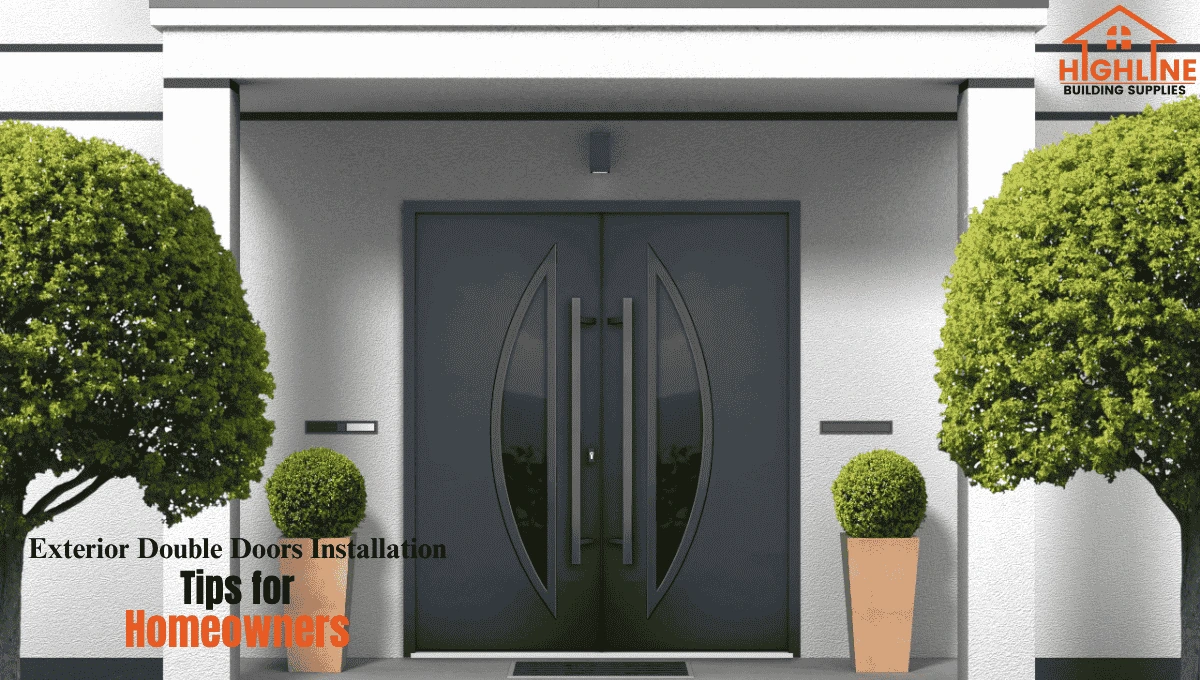
Upgrading to exterior double doors is one of the most impactful changes you can make to a home’s entryway. Done right, it improves curb appeal, boosts natural light, and genuinely changes how a space feels the moment you walk through the front door. But installation is one of those projects where the details matter a lot. A poorly installed door unit can create air leaks, security vulnerabilities, and long-term structural issues that cost far more to fix than the original job.
Whether you’re planning to hire a contractor or tackle the project yourself, understanding what good installation actually looks like helps you ask better questions, catch problems early, and make smarter decisions throughout the process.
What Are Exterior Double Doors?
Exterior double doors also called double entry doors consist of two door panels that share a single frame and meet at the center. One panel is typically the active door (the one you use daily), while the other stays stationary, held in place by flush bolts at the top and bottom. Together, they create a wide, symmetrical entryway that feels more open and formal than a standard single door.
They’re commonly used at main entryways, patio access points, and anywhere a wider opening serves a functional or aesthetic purpose. Styles range from traditional wood to modern exterior doors with clean lines and glass inserts, and materials include solid wood, fiberglass, and steel.
Double doors vs. French doors
The terms often get used interchangeably, but there’s a distinction worth knowing. Exterior French doors are a specific style of double door they typically feature multiple glass panes running the full height of each panel. Standard double doors may have solid panels, decorative glass inserts, or no glass at all. French doors tend to prioritize light and visual connection between spaces; double doors in general prioritize width and presence.
Choosing the Right Door Unit Before Installation Begins
Installation problems often start before a single tool is picked up. Getting the right unit for your opening and your climate is half the battle.
Material matters more than most homeowners realize
The three main materials for exterior double doors each come with real trade-offs:
- Fiberglass: The most practical choice for most climates. residential fiberglass doors resist warping, cracking, and moisture damage. They hold paint well, require minimal maintenance, and can mimic the look of wood convincingly. Best for humid or high-temperature environments.
- Wood (including mahogany): Offers genuine warmth and character that’s hard to replicate. A mahogany front entry door brings natural beauty and solidity — but requires regular sealing or finishing to hold up outdoors. Well-suited to dry or moderate climates with proper upkeep.
- Steel: Strong, secure, and cost-effective. Steel doors are energy-efficient and dent-resistant, but can be prone to rust in humid coastal areas without good coating and maintenance.
Pro tip:
If you’re in a region with significant humidity swings like the Gulf Coast or Southeast fiberglass tends to outperform both wood and steel over the long term. Wood can swell and bind; steel can condense moisture internally.
Pre-hung vs. slab: know the difference
A pre-hung door unit comes already mounted in its frame hinges, weatherstripping, and all. A slab is just the door panels themselves. For most exterior door installation projects, especially with double doors, pre-hung is the right choice. You get a factory-calibrated fit between the door and frame, which is critical for weatherproofing and security.
Rough opening size
Double doors typically require a rough opening that’s 2 inches wider and 2.5 inches taller than the finished door size. A standard 6-foot double door unit, for example, needs a rough opening of approximately 74 inches wide by 82.5 inches tall. Always verify with your specific unit’s installation spec sheet tolerances vary by manufacturer.
Step-by-Step Installation Overview
This isn’t a complete DIY manual that varies too much by home construction and door unit but this overview helps you understand the process, follow along with a contractor, or plan your own project intelligently.
1. Remove the old door unit
Remove interior and exterior trim casing, then pull the existing frame from the rough opening. Check the rough opening framing carefully for rot, moisture damage, or structural issues before proceeding. This is a common spot for surprises.
2. Check the rough opening
Use a level to verify the sill plate is perfectly level and the king studs are plumb. Double doors are especially sensitive to an unlevel sill even a quarter-inch difference can cause the active door to swing open or closed on its own.
3. Install the threshold and sill
Apply a continuous bead of exterior-grade sealant (silicone or polyurethane) along the sill before setting the door unit. This step is non-negotiable for weatherproofing.
4. Set the pre-hung unit
With a helper, lift the unit into the opening. Use shims at the hinge locations, strike plate side, and top corners to achieve a perfectly plumb and level frame. Check the door reveal (the gap between door and frame) it should be consistent all the way around, ideally 1/8 inch.
5. Fasten the frame
Use 3-inch structural screws through the hinge side into the king stud. Nail the exterior casing to the framing, but avoid overtightening frames can rack slightly under pressure.
6. Flash and seal the exterior
Apply self-adhesive flashing tape over the head and side jambs before installing exterior trim. Run the flashing in shingle fashion bottom first, then sides, then top so water always sheds away from the opening. This step is what separates a weathertight installation from one that will leak in a few years.
7. Install locksets and hardware
Double doors use a multipoint locking system or a standard deadbolt on the active panel plus flush bolts on the inactive panel. Make sure the inactive door’s flush bolts engage fully at both top and bottom a door that rattles in its frame is often just an incompletely engaged flush bolt.
8. Insulate and trim
Fill the gap between the door frame and rough framing with low-expansion foam insulation (not standard expanding foam, which can push the frame out of square). Install interior and exterior casing, and apply exterior-grade caulk along all trim edges.
Common Mistakes to Avoid
1. Skipping the moisture barrier
Flashing tape and sealant behind the exterior trim are unglamorous but critical. Water intrusion at the door frame is one of the leading causes of structural rot in wood-framed homes and it rarely becomes visible until significant damage has already occurred.
2. Using the wrong foam
Standard expanding foam the kind sold in hardware stores for general use can exert enough pressure to bow a door frame inward, causing the door to bind. Always use low-expansion or “window and door” foam for this application.
3. Not checking the sill for level
An unlevel sill is probably the most common cause of a double door that won’t stay open or closed. Shim the sill as needed don’t assume the existing framing is level just because the old door seemed to work fine.
4. Ignoring the inactive door’s flush bolts
Many homeowners install the door, focus on the active panel, and don’t fully engage or adjust the flush bolts on the stationary panel. This leads to drafts, rattling, and security gaps. Adjust the strike pockets so the bolts engage firmly with minimal play.
5. Buying the wrong rough opening size
Ordering a door unit before verifying the actual rough opening dimensions is a surprisingly common and expensive mistake. Always measure twice, confirm with the manufacturer’s rough opening requirements, and factor in shimming space.
6. Choosing style over material suitability
A beautiful wood double door can look stunning until it starts warping in a climate it wasn’t suited for. Match the material to your local conditions, not just your aesthetic preference.
Expert Tips for a Better Result
- Order your door unit well in advance. Custom or semi-custom double door units often have lead times of 4–8 weeks. Don’t schedule your contractor before the unit is confirmed and in hand.
- Inspect the unit on delivery, before installation. Check for damaged corners, warped panels, and missing hardware. Damage claims are much easier to resolve before the door is installed.
- Use stainless steel or coated fasteners. Standard galvanized screws can corrode and stain natural wood frames. In coastal areas especially, stainless is worth the small premium.
- Adjust hinges before you hang trim. It’s much easier to fine-tune the door alignment while the frame is still exposed. Once the casing goes on, adjustments require removing trim.
- Test the weatherstripping compression. Close the door and pull a dollar bill out from several points around the frame. You should feel consistent resistance. Any spot where it pulls out easily is a gap where conditioned air escapes and weather gets in.
- Prime and seal wood frames before installation. Painting all six sides of a wood door including top and bottom before hanging it dramatically extends its life outdoors.
Worth knowing
If you’re also planning window work around the same time, understanding how flashing and sealing works for other openings helps. The same principles that apply to door installation share a lot with sliding windows installation moisture management at the rough opening is the common thread.
What to Look for When Hiring an Installer
Not all exterior door installation contractors are equal. If you’re hiring out the work, here’s what distinguishes a careful, experienced installer from someone who’ll get through it fast and move on:
- They check the rough opening for level and plumb before setting the door — not after
- They apply flashing tape to the rough opening before the unit goes in
- They use shims systematically, not just in one or two spots
- They test door operation and check the reveal before installing trim
- They use low-expansion foam and caulk all exterior trim edges
- They’re willing to explain what they’re doing and why
If you’re sourcing the door unit yourself, you can buy exterior doors online and have them delivered to the job site many contractors are comfortable working with customer-supplied units, particularly when they’re pre-hung and complete.
Real-World Scenarios
New construction entryway
In new builds, rough openings are typically framed to spec before drywall goes up, making installation cleaner. The main consideration is coordinating the door unit order early enough in the build schedule framing inspections can move quickly.
Replacing an existing single door
This is the most common scenario and often involves widening the rough opening. That means modifying the header (the structural beam above the opening) to accommodate the extra width a job that should be done by someone familiar with load-bearing framing. The rest of the installation is standard.
Patio or rear entryway
Double doors used as patio exits often exterior French doors leading to a deck see more weather exposure than front entry doors. Flashing at the threshold is especially important here, since the door sill sits close to the deck surface. Consider a door unit with a raised threshold or an outswing configuration to reduce water intrusion risk.
What Homeowners Say
Great experience at this store! Naresh was incredibly helpful, knowledgeable, and professional. He made the whole process easy. Highly recommended
— Juan Camilo
Need to save a little money???Best deals and great customer service. Materials for your house needs! Freddy thanks for your help!
— Maria Berumen-Garza
Great pricing, great service, I always recommend all of your friends and business partners to here! If you need anything, ask for Nash! Always a great help
— Martin Narvaez
Frequently Asked Questions
How long does it take to install exterior double doors?
For a straightforward replacement in an existing opening, a skilled installer typically completes the job in 4–8 hours. If the rough opening needs to be widened or the framing requires repair, add another half-day to a full day.
Can I install exterior double doors myself?
It’s possible if you’re comfortable with framing, leveling, and weatherproofing work. The main risks are alignment errors that cause long-term operational problems and moisture barriers done incorrectly. If you haven’t done exterior door installation before, having an experienced person review the rough opening and flashing is a worthwhile step.
What is the standard size for exterior double doors?
The most common sizes are 60 inches wide (two 30-inch panels) and 72 inches wide (two 36-inch panels), both at 80 inches tall. Custom sizes are available if your opening doesn’t match standard dimensions.
Are fiberglass double doors better than wood?
For most climates and homeowners, yes exterior fiberglass doors require less maintenance, resist moisture-related warping, and hold up better over time. Wood offers authentic character and can be more beautiful, but needs regular upkeep to maintain its performance outdoors.
How do I stop my exterior double doors from rattling?
Rattling almost always comes from one of two sources: loose flush bolts on the inactive panel, or worn weatherstripping. Check the flush bolts first they should engage firmly at both top and bottom. If that doesn’t solve it, inspect the weatherstripping for compression and replace any sections that have gone flat.
Final Thoughts
Installing exterior double doors is a meaningful investment in your home’s appearance, its energy performance, and its long-term structural health. The gap between a door installation that holds up for decades and one that causes problems within a few years usually comes down to a handful of details: a level sill, proper flashing, the right foam, and enough patience during the shimming process to get the fit exactly right.
Highline Supplies Editorial Team
The Highline Supplies editorial team draws on hands-on experience with residential door and window products to produce practical, honest guidance for homeowners. Our content focuses on what actually matters in real installation scenarios — not just what sounds good on paper. We don’t write to impress; we write to help you get the job done right.


Leave a comment