
Fire Rated Doors

Fire Rated Doors Guide: Everything You Need to Know for Protection and Safety

In both commercial and residential structures, Fire Rated Doors are a must component of their fire prevention mechanisms. They provide an important time for people to safely evacuate since they are especially meant to stop the spread of fire, smoke, and harmful gases. Whether you’re renovating, building a new house, or just improving your current fire safety precautions, knowing the several kinds of fire-rated doors and their applications is essential.

This tutorial will lead you through all you need to know about fire-rated doors, including their features and materials, and how to decide which best fits your house. We will also cover important factors such as glazing needs, fire ratings, and fire door maintenance to ensure you gain complete knowledge and can make the best decision.

What Are Fire Rated Doors?

Depending on its fire rating, Ocean Gray Clear With Sidelite are specially made to stop the spread of fire for a designated duration, say 20 minutes to up to 3 hours. By acting as barriers between sections of a building, they help to control flames and stop their spread, therefore safeguarding life as well as property.

Usually constructed of fire-resistant materials like steel, wood, or glass, these doors are evaluated to satisfy national safety criteria. By slowing down the spread of the fire and stopping it from reaching other parts of the construction, they offer vital defense in case of a fire.

Different Types of Fire-Rated Doors

Regarding fire-rated doors, one should consider many materials and designs. Every offers particular benefits depending on your specific needs and the environment in which they will be put.

1. Wood Fire Doors

Combining fire resistance with aesthetic appeal, wood fire doors in Residential and commercial environments needing a more natural look generally call for them. Customized to meet many architectural types, these doors are built of fire-resistant wood. Usually, their fire resistance score falls between 20 and 90 minutes.

Benefits of Wood Fire Doors:

  • Perfect for inside use, it gives a nice, natural appearance.
  • Designed flexibly with choices for customizing.
  • Reasonably priced for little use.

2. Steel Fire Rated Doors

For high-traffic areas, industrial spaces, and commercial buildings, steel St Rafel White are the most often used solution. These doors are made to resist difficult environments, are fireproof, and are quite strong. With up to three hours of rating, steel doors offer the best degree of protection.

Advantages of steel fire doors:

  • Extraordinary longevity and strength.
  • The greatest ratings of fire resistance available span three hours.
  • Ideal for high-risk areas, including commercial buildings and manufacturing operations.

3. Metal Fireproof Doors

Made from metal goods such as galvanized steel or aluminum, metal fireproof doors provide exceptional structural strength and fire resistance. Common buildings such as government offices, hospitals, and schools where fire safety and prevention occupy the front stage have these doors.

Benefits of Metal Fireproof Doors:

  • Strong smoke and fire resistance.
  • Perfect for high-security needs.
  • Durable and with little maintenance.

4. Glass Fire Dues

Modern building designs heavily rely on glass fire-rated doors since light transmission and visibility are crucial. These doors provide a sleek, modern appearance and fire protection since their tempered glass can resist high heat.

Glass Fire Door Advantages

  • Aesthetic attractiveness and capacity for natural light in a room.
  • Applied in both residential and commercial structures.
  • Available with several fire rates spanning 20 minutes to two hours.

5. Wood Fire Rated Frames and Doors

For further protection, wood fire-rated doors are often coupled with fire-rated frames. Together, these doors and frames create a full barrier against fire, therefore guaranteeing that the door stays intact and functional throughout a fire.

Benefits of Wood Fire-Rated Doors and Frames:

  • Offers an elegant and flawless appearance.
  • Fire-rated frames enhance the performance and lifetime of the door.
  • Perfect for domestic uses, including living areas and bedrooms.

Fire Door Ratings and Standards

Choosing the correct With wrought iron glass for your house depends on an awareness of fire door ratings. Fire door ratings are measures of the amount of time a door can resist fire while still retaining integrity.

Common Fire Ratings:

  • Suitable for lower-risk environments, including business buildings or family residences, 20-minute rating
  • Perfect for spaces like stairwells and hallways is a 60-minute rating.
  • Usually utilized in high-risk settings like warehouses or labs, the 90-minute rating is
  • Appropriate for industrial and commercial buildings with significant fire hazards is a 120-minute rating (two hours).
  • Designed for buildings like hospitals and data centers where fire safety is a major concern, a 180-minute rating (3 hours) is needed.

Make sure the fire door you choose satisfies the local fire safety rules and standards established by groups like Underwriters Laboratories (UL) or the National Fire Protection Association (NFPA).

Key Fire Door Components

  • Numerous parts make up a fire-rated door and provide fire resistance. The following are its major components.
  • The primary door panel composed of fire-resistant materials, including steel, wood, or glass, is the door leaf.
  • Frame: The surrounding construction keeps the door in place. Usually constructed from steel or other fire-resistant materials, such as fire-rated frames,
  • Fire seals around door edges assist in stopping heat and smoke from flowing through gaps.
  • Fire-rated hinges, locks, and handles guarantee the door remains fully functional and safe during a fire.

Fire Rated Door Installation and Maintenance

Ensuring the door operates as intended during an emergency depends mostly on proper installation and routine maintenance. Install fire doors by qualified experts always to guarantee adherence to construction norms and regulations.

Fire Door Maintenance:

  • Fire-rated doors should be routinely checked for any evidence of malfunctioning hardware, wear, or damage.
  • Maintaining a clean door and its frame helps to avoid any obstacles that can cause it to malfunction.
  • Should any component of the door—including the hardware or seals—have damage, it should be fixed right away.

FAQs

1. A fire-rated door has to satisfy what requirements?

Standard fire ratings vary depending on code criteria between 20 and 180 minutes. Door with fire ratings must be self-closing and positive latching. To protect the egress points of exit, they must remain closed throughout a fire.

2. A door is fire-rated if what?

Tests for rated fire doors run a set period against an ASTM E119 standard time-temperature curve. An approved laboratory designated as a Nationally Recognized Testing Laboratory (NRTL), such as Underwriters Laboratories, certifies fire doors with ratings of 20, 30, 45, 60, and 90 minutes.

3. Is a conventional door a fire door?

Are regular doors able to be converted to fire doors?Changing a normal door to a fire door calls for making sure the frame, seals, and hardware likewise satisfy fire resistance criteria, not only the door itself. Often, replacing a standard door with a certified fire door system makes more sense.

4. Are doors rated for fire worth it?

Investing in a fire door is a smart decision. Its unmatched fire resistance protects your property from smoke, heat, flames, and toxic gases and it can even save lives.

5. Does a fire rated door require a fire rated frame?

Stated otherwise, if the door is labeled 45 minutes instead of 90 minutes, the unit rating is 45 minutes even if the frame may be labeled for 90 minutes. Every hardware piece used in the unit must also be listed for use on fire-rated doors. Using non-listed gear ruins the fire label.

Conclusion: Why Fire Rated Doors Matter

The fire protection system consists of Fire-Rated Doors. Why, then, do they matter? Choosing the correct kind of fire door is essential for stopping the spread of fire and guaranteeing the safety of the people inside, whether you’re updating the safety of your house or installing doors for a commercial structure. Depending on your particular demands and design tastes, wood, steel, glass, and metal fire-rated doors each have unique advantages.

When choosing a fire-rated door, weigh elements, including the intended usage, material, fire rating, and aesthetic appeal. Always hire certified experts for installation, and regularly maintain your doors to ensure they provide the best protection.

Fire-rated doors are investments in the security and safety of your facility and its occupants, and they are not only a legal need. When deciding on fire doors for your house, make sure you choose sensibly and give function and safety a top priority.

Author Bio – Highline Building Supplies Team

The Highline Supplies editorial team combines decades of industry experience with hands-on expertise in building materials and safety solutions. Our writers and product specialists work closely with fire-rated door engineers, architects, and compliance experts to deliver authoritative and accurate content. We’re committed to helping homeowners, builders, and designers make informed decisions—especially when safety is on the line. Backed by tested products and deep technical knowledge, Highline Supplies continues to be your trusted source for doors that protect, perform, and last.
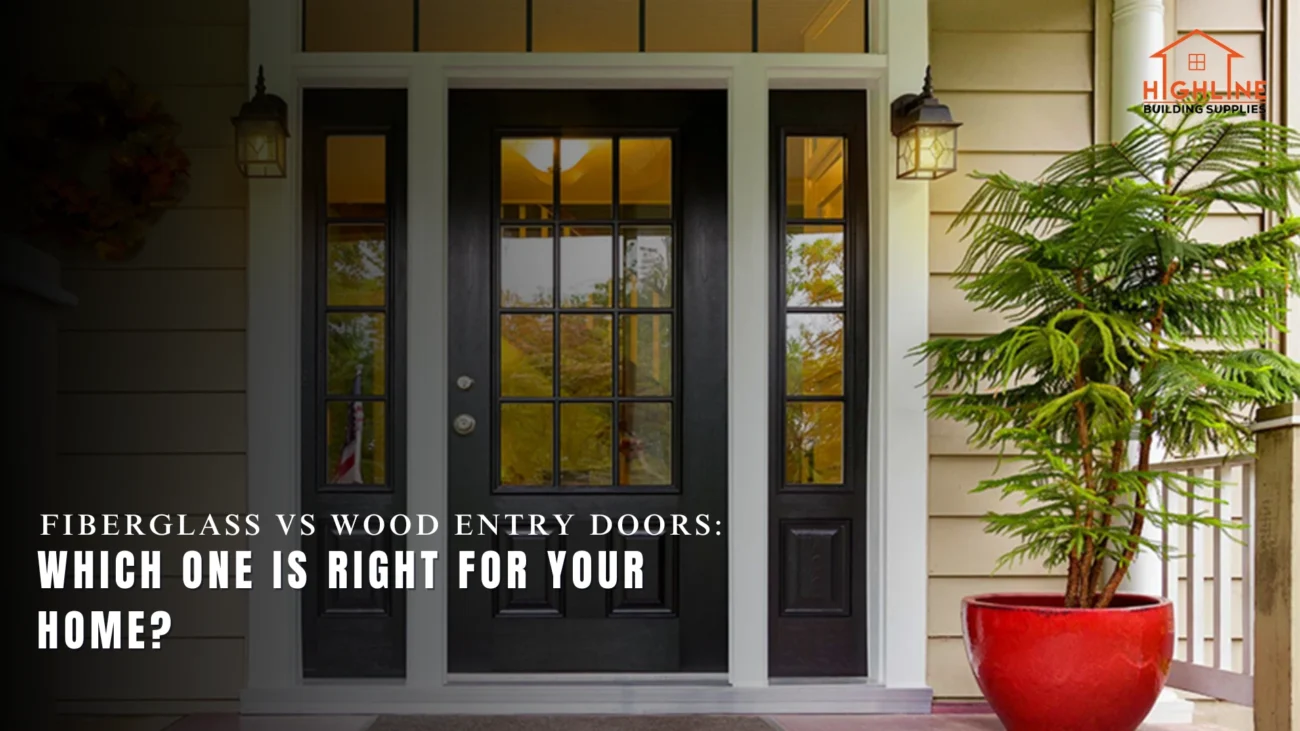

Fiberglass vs Wood Entry Doors

Fiberglass vs Wood Entry Doors: Which One is Right for Your Home?

When deciding on the ideal entry door for your house, the choice between fiberglass and wood can be confusing. Though both choices have special benefits, how would you determine which one fits your situation? We will explore the specifics of Fiberglass vs Wood Entry Doors  in this extensive guide, including everything from durability to appearance, so helping you to decide what best fit your house. We have you covered whether your preference is for fiberglass front doors looking like wood or hardwood front entrance doors.


The First Impression: A Door That Says Something

The first thing visitors notice about your house is your front entrance. It improves your curb appeal and defines the tone for the remainder of your house.  The appearance and feel of your house will be much changed depending on the custom wood or Fiberglass Entry Doors you choose. Therefore, it’s important to know the advantages and disadvantages of every material in order to decide which one fits your style and functional necessity.

Aesthetic Appeal: Wood’s Timeless Beauty vs. Fiberglass Flexibility

Wooden door entries:

Long associated with richness and refinement is wood. For those who wish to accentuate warmth, texture, and natural beauty in their homes, wooden double entry doors are usually the chosen look. Wood presents a timeless look fit for both conventional and modern designs. Its special qualities and natural grains make every door one-of- a-kind.

Solid wood double entry doors can be costly, too, particularly if you choose premium hardwoods like oak or mahogany. Wood may also need upkeep over time to retain its beauty; refinishing and sealing help to guard it from moisture, scratches, and sun exposure.

Fiberglass Entry Doors:

Conversely, Fiberglass Entry Doors resembling wood have become rather popular since they can replicate the look of actual wood but with less upkeep and less expense. Molding fiberglass doors to resemble wood grain lets you enjoy the same visual charm without having to worry about maintenance. Furthermore, giving homeowners lots of choices, fiberglass vs wood entry doors also include a broad selection of designs, including traditional, modern, and contemporary ones.

Regarding appearances, fiberglass doors give freedom. Match the design of your house by selecting from a range of finishes, colors, and textures. Fiberglass doors offer a mix of beauty and utility, whether your preferred style is a classic wooden front entrance door or a more modern twist.

Which door will keep better over time?

Wooden door entrance:

Although they are quite durable, Wooden Doors do need some additional attention. Extreme warmth, moisture, and humidity over time can cause wood to swell, bend, or crack. Drafts, trouble closing, and finish damage can all follow from this.

That said, wooden front entry doors can last for decades if you keep them correctly—by sealing, staining, and repainting them routinely. However, over time wood may still show symptoms of wear even with correct care, which would compromise its insulating qualities and attractiveness.

Fiberglass Entry Doors:

One of the main advantages of fiberglass entry doors is their longevity. 

Fiberglass won’t warp, rot, or split, unlike wood, as it is impervious to moisture. Extreme weather circumstances call for fiberglass doors, as they also withstand denting, scratches, and fading.

Plus, fiberglass doors use less energy than wood. Their improved insulation helps to lower drafts and heat loss, therefore maintaining the comfort of your house all year round. Fiberglass is a low-cost, long-term investment since this energy efficiency translates into savings on your utility costs.


Maintenance: Keeping Your Door Looking Fresh

Wooden door entrance:

The upkeep needed to keep wooden doors looking their best is one of their biggest negatives. Naturally porous, wood can collect moisture and, with poor sealing, become vulnerable to mold, mildew, and rot. To keep wooden double entry doors looking and functioning, every few years they may need sanding, staining, and repainting.

For homeowners ready to put in the work, wooden doors can be quite beautiful. But if your hectic schedule calls for low maintenance, wood might not be the greatest choice.

Fiberglass Entry Doors:

On the other hand, they call for relatively little upkeep. Fiberglass is rot-resistant, swelling-resistant, and fade-resistant since it absorbs no moisture. You won’t have to bother about sanding or polishing your door every few years. To keep it looking brand-new, just wash it with a light detergent and a cloth.

For those who wish a door that looks excellent with little maintenance, fiberglass doors are a sensible option.

Insulation: Stay Comfortable Year-Round

Wooden door entry:

The density of the wood naturally insulates front entry doors. Still, their energy efficiency is usually worse than that of fiberglass. To improve thermal performance, wood doors could call for extra insulation—such as foam core inserts or weather stripping.

Fiberglass Entry Doors:

Entry doors made of fiberglass are better for insulating. The substance is meant to trap air and increase energy efficiency, thereby maintaining the temperature of your house both in the summer and the winter. Many fiberglass entry doors include foam cores, which offer remarkable thermal insulation without sacrificing strength or durability.  Fiberglass doors thus save energy consumption and assist your house to be more comfortable overall.

Price: A Door That Sufits Your Means?

The type of wood, size, and customizations you decide upon will affect the cost of wooden entry doors. High-end woods like oak or mahogany can make your front door a major outlay of funds. Furthermore, adding to the total cost is upkeep, including weatherproofing and refinishing.

You should expect to pay more for a solid wood double entry door with complex designs. If you want a classic, opulent design, though, the expenditure could be well worth it.

Particularly considering the long-term savings on maintenance and energy expenditures, fiberglass entry doors sometimes prove to be more reasonably priced than wood. Though initially more expensive than lower-end wood doors, Fiberglass Doors are a more reasonably priced option over time because of their little maintenance and lifetime.


Vinyl Windows Pros/Cons: Is This the Right Choice for Your Home?

Vinyl windows are popular for affordability, energy efficiency, and low maintenance. They resist moisture and never need painting, making them practical for busy homeowners. However, they may lack the strength and premium feel of wood or fiberglass. Knowing the pros and cons helps you decide if vinyl suits your home.

FAQs

1. Is fiberglass or wood better for front doors?

For front doors, fiberglass is generally better than wood due to its durability, weather resistance, and low maintenance requirements. Fiberglass is less prone to warping, rotting, or cracking from exposure to the elements, making it a more long-lasting and reliable option. While wood offers a more traditional look and feel, it requires more upkeep and is more susceptible to weather damage.

2. What are the disadvantages of fiberglass doors?

Fiberglass doors, while durable and energy-efficient, have some drawbacks. They can be more expensive than steel or wood doors, difficult to trim, and require professional installation due to their often pre-framed construction. Additionally, some find them less aesthetically appealing than traditional wood doors.

3. Can fiberglass doors be kicked in?

Yes, fiberglass doors can be kicked in, but they are generally more resistant to forced entry, including kicks, than steel doors. While they can withstand a significant amount of force, they aren’t unbreakable, especially if the door frame or lock is compromised.

4. Is a wood door better than fiberglass?

However, the choice between fiberglass and wood doors ultimately depends on your priorities. Fiberglass doors offer the advantages of low maintenance and low investment. On the other hand, wood doors are eco-friendly, strong, durable, and provide unmatched elegance and design versatility.

5. Do I want a fiberglass or steel door?

Steel can be an excellent option if you have security concerns. Since it’s a heavy, tough material, steel entry doors are very difficult to break down. Fiberglass doors are still a pretty secure choice, but they’re far more lightweight than steel and are easier to manipulate.

Conclusion: Fiberglass vs Wood Entry Doors

In the end, your priorities will determine which of fiberglass or wood entry doors you prefer. Wooden entrance doors could be the ideal option if you want a Door that radiates natural beauty and appeal and if you are ready to pay for maintenance. Fiberglass entry doors can be the superior choice for your house, nevertheless, if you’re looking for low-maintenance, energy-efficient, and durable alternative.

Before deciding on either material, weigh its financial, practical, and aesthetic qualities. Both hardwood front entrance doors and more contemporary fiberglass entrance doors can improve the curb appeal of your house and provide long value regardless of your choice. 

Author Bio – Highline Building Supplies Team

The Highline Building Supplies Team is a group of home improvement experts, designers, and building materials specialists dedicated to helping homeowners make informed decisions. With years of industry experience, our team provides insights on selecting, installing, and maintaining high-quality doors, windows, and other essential home products. Every article and guide reflects our commitment to accuracy, reliability, and helping homeowners enhance both the style and functionality of their homes.

Back to Top

Search For Products

Product has been added to your cart