Buy Sliding Windows in Texas

Buy Sliding Windows in Texas: Cost, Styles, and Energy Efficiency Explained

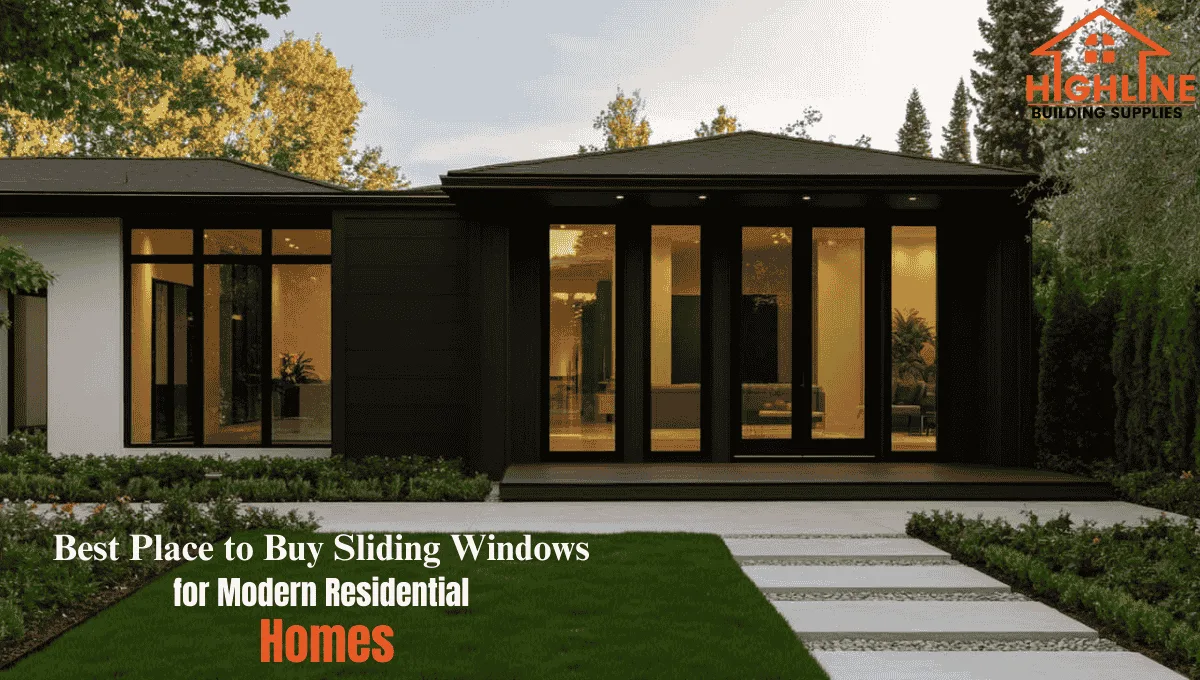
Choosing the right windows is one of the smartest decisions Texas homeowners can make, especially when comfort, energy savings, and long-term value are top priorities. If you’re planning to buy sliding windows in Texas, you’re already on the right path toward better airflow, cleaner sightlines, and improved efficiency for hot and unpredictable weather conditions.

At Highline Building Supplies, sliding windows are more than a product category—they are a solution shaped by local expertise, supplier trust, and real homeowner needs across Texas. This guide walks you through costs, styles, energy performance, and expert insights so you can make a confident, informed choice.

Why Sliding Windows Are a Smart Choice for Texas Homes

Texas homes face intense sun exposure, high cooling demands, and seasonal storms. Sliding windows perform well in this environment because they:

  • Allow wide horizontal ventilation
  • Seal tightly against air leaks
  • Work well in modern and traditional home designs
  • Require minimal maintenance
  • Fit perfectly in spaces where vertical windows don’t

Unlike single-hung or double-hung windows, sliding windows glide smoothly on a track, making them ideal for patios, kitchens, and living rooms where airflow and views matter most.

Understanding Sliding Window Styles Available in Texas

When homeowners plan to buy sliding windows in Texas, style and size flexibility matter. Highline Building Supplies offers INSPIRE VINYL SVS windows that combine durability, energy efficiency, and smooth operation:

  1. Compact design, ideal for bedrooms or bathrooms
  2. Smooth gliding tracks for effortless operation
  3. Low-maintenance, durable vinyl frame
  1. Perfect for kitchens, living rooms, or medium wall openings
  2. Reinforced vinyl frame for durability and insulation
  3. Reduces cooling costs with energy-efficient design
  1. Expansive views for wide or open-concept spaces
  2. Smooth operation with strong vinyl frame
  3. Energy-efficient features protect interiors from heat and UV

Sliding Windows Cost in Texas: What to Expect

Cost is often the first question homeowners ask. Pricing depends on size, materials, glass type, and installation needs.

Average Cost Breakdown

  • Standard sliding windows: $350–$700
  • Energy-efficient sliding windows: $600–$1,200
  • Large or custom units: $1,500+

Labor costs vary by region, but sourcing directly from a trusted supplier like Highline Building Supplies helps control expenses without sacrificing quality.

Energy Efficiency: A Must for Texas Homes

Energy efficiency is not optional in Texas—it’s essential.

Sliding windows offered by Highline Building Supplies include:

  • Low-E glass coatings
  • Double- or triple-pane glass
  • Insulated vinyl or aluminum frames
  • Tight weather stripping
  • UV protection for interiors

These features reduce heat transfer, lower cooling costs, and help maintain consistent indoor temperatures.

How Sliding Windows Reduce Energy Bills

  • Minimize air leakage
  • Reflect solar heat
  • Improve HVAC efficiency
  • Support Energy Star performance standards

Why Buy Sliding Windows in Texas from Highline Building Supplies

Experience, Expertise, Authority, Trust

Highline Building Supplies has built its reputation by supplying contractors, builders, and homeowners across Texas with dependable window solutions.

What sets Highline apart:

  • Texas-based supply expertise
  • Proven product performance
  • Long-term supplier relationships
  • Knowledge of local building codes
  • Trusted by professionals and homeowners alike

Every sliding window offered is selected with climate performance, durability, and homeowner satisfaction in mind.

Best Applications for Sliding Windows

Sliding windows work especially well in:

  • Living rooms
  • Kitchens above sinks
  • Bedrooms with wide wall openings
  • Sunrooms
  • Patio-facing spaces

They pair naturally with picture windows and fixed glass panels, enhancing both ventilation and visual appeal.

Gliding Windows vs Other Window Types in Texas

Sliding vs Single Hung

Gliding windows provide wider airflow and clearer views, while single-hung windows offer vertical ventilation.

Sliding vs Picture Windows

Picture windows do not open. Sliding windows provide airflow while maintaining large glass areas.

Sliding vs Casement Windows

Casement windows open outward, which may not suit tight exterior spaces. Sliding windows stay flush.

People Also Ask (PAA)

Are sliding windows good for Texas heat?
Yes. Sliding windows with Low-E glass and insulated frames perform well in hot climates by reducing heat gain and maintaining indoor comfort.

How long do sliding windows last?
Quality sliding windows typically last 20–30 years with proper installation and maintenance.

Do sliding windows leak air?
Properly installed sliding windows seal tightly. Choosing quality materials and professional-grade products prevents air leakage.

Are sliding windows secure?
Modern sliding windows include reinforced locks, tempered glass, and secure tracks for enhanced safety.

What frame material is best for sliding windows in Texas?
Vinyl and thermally broken aluminum frames perform well due to heat resistance and durability.

Installation Considerations for Texas Homes

Even the best windows need proper installation. Highline Building Supplies works with products designed for accurate fitting, reduced expansion issues, and weather resistance.

Key factors include:

  • Proper flashing
  • Correct sizing
  • Climate-rated materials
  • Seal integrity

Maintenance Tips for Sliding Windows

  • Clean tracks regularly
  • Lubricate rollers
  • Check seals annually
  • Clean glass with non-abrasive solutions

Low maintenance is one reason sliding windows remain popular across Texas neighborhoods.

How Sliding Windows Add Home Value

Sliding windows improve:

  • Natural light
  • Visual space
  • Energy performance
  • Interior comfort

These benefits contribute directly to resale appeal and long-term property value.

Why Sliding Windows Remain a Pillar Choice in Texas Home Design

Sliding windows are a top choice in Texas because the right building materials combine durability, efficiency, and style. Key reasons include:

  • Reliable performance: Sliding windows resist heat, wind, and daily wear.
  • Energy efficiency: Works with insulated building materials to reduce cooling costs.
  • Space-saving design: Ideal for patios, kitchens, and wide openings.
  • Versatile style: Complements modern and traditional home designs.
  • Long-term value: Adds comfort and resale appeal when paired with quality building materials.

By integrating sliding windows with trusted building materials, Texas homeowners get a solution that’s functional, efficient, and visually appealing.

Real Customer Testimonials

We replaced our old windows with sliding windows from Highline Building Supplies, and the difference in airflow and comfort was noticeable immediately.
Homeowner, Dallas, TX

Reliable products and great service. Our contractor specifically recommended Highline for sliding windows.
Builder, Plano, TX

The quality matched exactly what we needed for Texas heat. No regrets.
Homeowner, Garland, TX

FAQs

Q1: How do I choose the right sliding window size for my home?
Measure the opening carefully and consider ventilation needs, wall space, and aesthetics. Professional guidance ensures a perfect fit.

Q2: Can sliding windows handle Texas storms?
Yes. High-quality sliding windows with reinforced frames and secure locks can withstand wind and heavy rain when installed correctly.

Q3: Are vinyl or aluminum frames better for sliding windows in Texas?
Vinyl offers energy efficiency and low maintenance, while aluminum provides strength and sleek design. Both are excellent depending on your priorities.

Q4: How often should I maintain sliding windows?
Simple upkeep like cleaning tracks, lubricating rollers, and checking seals once or twice a year keeps them running smoothly.

Final Thoughts: Buy Sliding Windows in Texas with Confidence

When you plan to buy sliding windows in Texas, choosing the right supplier matters just as much as the window itself. Highline Building Supplies brings local insight, dependable sourcing, and customer trust together in one place.

From energy efficiency to style flexibility, sliding windows remain a reliable option for Texas homeowners who want comfort without compromise.

For an exclusive collection of picture windows, visit this page: Buy Best Picture Windows in Texas: Energy-Efficient & High-Quality Options

Author Bio

Written by the Highline Building Supplies Content Team
Backed by years of experience serving Texas homeowners, builders, and contractors, the Highline Building Supplies team focuses on accurate product knowledge, local building insights, and supplier transparency. Every guide is created to help customers make confident decisions grounded in real-world performance and regional expertise.

best single hung windows in Garland

Best Single Hung Windows in Garland Homeowners Trust Most

Choosing the right windows is one of those home decisions that seems simple until you’re standing in a showroom wondering why prices, materials, and performance claims vary so wildly. For North Texas homeowners, especially those searching for the best single hung windows in Garland, the stakes are higher than they might appear. Garland’s heat, sudden storms, and long cooling seasons put real stress on windows, and the wrong choice can mean higher energy bills, comfort issues, or premature replacement.

This guide is written to cut through the noise. Instead of sales language, you’ll find practical explanations, real-world insights from the field, and clear advice to help you understand what actually matters when selecting single hung windows for a Texas home.

What Is a Single Hung Window (and Why It’s So Popular)?

A single hung window has two sashes, but only the bottom sash moves. The top sash remains fixed in place. It’s one of the most common window styles used in residential construction across Texas.

Why homeowners in Garland choose single hung windows

Based on years of working with builders, remodelers, and homeowners, single hung windows remain popular for a few key reasons:

  • Simple, durable design with fewer moving parts
  • Lower cost compared to double hung or specialty windows
  • Easy operation for everyday ventilation
  • Strong energy performance when properly built and installed

For many homes especially single-story houses, rental properties, and budget-conscious remodels single hung windows strike the right balance between performance and cost.

Why Window Choice Matters More in Garland, TX

Garland sits right in the path of intense summer heat, fluctuating humidity, and occasional severe weather. That means windows aren’t just about looks—they directly affect comfort and energy use.

Climate factors to consider

  • Long cooling seasons mean solar heat gain matters
  • Temperature swings test window seals and frames
  • Storm exposure demands durable materials and tight installation

Homeowners who underestimate these factors often end up replacing windows far sooner than expected.

Key Components That Define Quality Single Hung Windows

Not all windows are created equal, even if they look similar at first glance. Here’s what actually separates reliable windows from disappointing ones.

  1. Frame Material: Why Vinyl Dominates in Texas

A vinyl single hung window is often the most practical choice for Garland homes.

Why vinyl works well locally:

  • Doesn’t rot, warp, or corrode
  • Handles heat better than many wood composites
  • Requires minimal maintenance
  • Offers strong insulation when multi-chambered

In real-world installs, vinyl frames consistently outperform cheaper aluminum options, especially when energy efficiency is a priority.

  1. Glass Windows: More Than Just Transparency

Many buyers focus on frames and forget that glass windows do most of the work when it comes to insulation.

Look for:

  • Double-pane glass (minimum for Texas homes)
  • Low-E coatings to reduce heat transfer
  • Argon gas fills for better thermal performance

From experience, skipping these features to save money usually backfires within a few summers through higher utility bills.

  1. Size and Fit: Where Mistakes Happen Most Often

Standard sizes are popular because they’re affordable and widely available, but they still need to match your home’s opening precisely.

Common, reliable sizes used in Garland include:

What installers see often: homeowners order the “closest size” instead of the correct size, leading to air leaks or expensive adjustments.

Benefits of Single Hung Windows for Garland Homes

When chosen correctly, single hung windows offer several real advantages.

Practical benefits

  • Lower upfront cost than many alternatives
  • Consistent energy performance with fewer failure points
  • Clean exterior lines that fit most home styles
  • Simpler maintenance over time

They’re especially well-suited for homes where exterior access is limited or where budget control is important.

Limitations to Be Aware Of

Being informed also means knowing what single hung windows don’t do well.

Potential drawbacks

  • Top sash doesn’t open, limiting ventilation
  • Exterior cleaning on upper floors can be harder
  • Less airflow flexibility compared to double hung designs

In practice, these limitations matter most in two-story homes or where maximum airflow is a priority.

How to Choose the Best Single Hung Windows in Garland

This is where homeowners often get overwhelmed. Here’s a step-by-step approach that works.

Step 1: Match the window to the room

Not every room needs the same window features.

  • Bedrooms: prioritize insulation and quiet operation
  • Living rooms: consider taller sizes for natural light
  • Utility areas: focus on durability over aesthetics

Step 2: Prioritize installation quality

Even the best window can fail if installed poorly.

From real jobsite experience:

  • Air leaks almost always trace back to bad flashing
  • Improper shimming leads to sticking sashes
  • Cheap sealants fail quickly in Texas heat

Professional installation often matters more than the brand itself.

Step 3: Think long-term, not just upfront cost

Homeowners planning to buy windows for home in Texas should factor in:

  • Energy savings over 10–20 years
  • Reduced maintenance
  • Fewer repairs or replacements

The cheapest option is rarely the least expensive over time.

Common Mistakes Garland Homeowners Make

Avoiding these can save thousands.

Mistake 1: Choosing windows based on price alone

Low-cost windows often cut corners in:

  • Glass coatings
  • Frame thickness
  • Seal quality

These issues usually show up after the first extreme summer.

Mistake 2: Ignoring energy ratings

Many buyers don’t check U-factor or SHGC ratings. In Garland’s climate, those numbers matter.

Mistake 3: Overlooking reputable local suppliers

Working with experienced suppliers—like teams who understand Texas building conditions—often leads to better outcomes than ordering blindly online. Companies such as Highline Supplies are typically involved earlier in the supply chain, which helps avoid mismatched materials and delays.

Real-World Use Cases: What Actually Works

Example 1: 1980s Ranch Home Retrofit

A Garland homeowner replaced aging aluminum windows with vinyl single hung units featuring Low-E glass. Result:

  • Noticeably cooler interior
  • Reduced HVAC runtime
  • Cleaner exterior appearance

Example 2: Rental Property Upgrade

Landlord installed standard-size vinyl single hung windows to control costs while improving tenant comfort. Fewer maintenance calls followed.

Expert Tips from the Field

  • Measure openings professionally—don’t guess
  • Always ask about glass coatings, not just frame material
  • Plan window replacement outside peak summer if possible
  • Confirm local code compliance before ordering

These small steps prevent big headaches later.

Related Reading: Building Materials Matter More Than You Think

Windows don’t exist in isolation. They’re part of a larger building system. If you’re planning broader renovations, this guide on building materials offers helpful context on how material choices impact long-term performance.

What Homeowners Say

We didn’t realize how much heat our old windows were letting in until we replaced them. The difference was immediate.
— Garland homeowner, single-story remodel

The advice we got upfront saved us from ordering the wrong sizes. That alone was worth it.
— Local DIY renovator

Vinyl single hung windows turned out to be the most practical upgrade we made.
— Rental property owner, Garland TX

FAQ:

Are single hung windows energy efficient?

Yes—when paired with quality glass and proper installation, they perform very well in Texas climates.

Are vinyl single hung windows good for hot weather?

They’re one of the best options available because vinyl resists heat-related warping and insulates effectively.

What size single hung window is most common?

Sizes like 24×72 and 24×84 are frequently used, but exact sizing should always be confirmed.

How long do single hung windows last?

With proper installation and care, quality vinyl units often last 20–30 years.

Are single hung windows cheaper than double hung?

Generally, yes. They have fewer moving parts and lower manufacturing costs.

Final Thoughts: Making a Confident Choice

Finding the best single hung windows in Garland isn’t about chasing trends or marketing claims. It’s about understanding your home, your climate, and how different materials perform in real life. When you focus on quality glass, reliable vinyl frames, correct sizing, and proper installation, single hung windows remain one of the most dependable choices for North Texas homeowners.

About the Editorial Team

This article was prepared by the Highline Building Supplies editorial team, drawing on hands-on experience working with builders, contractors, and homeowners across Texas. Their focus is practical guidance helping people make informed decisions about building materials that perform well in real homes, not just on paper.

Buy Best Picture Windows in Texas

Buy Best Picture Windows in Texas Energy-Efficient & High-Quality Options

At Highline Building Supplies, we help homeowners buy best picture windows in Texas that perfectly blend energy efficiency, long-lasting durability, and timeless design. Our extensive selection of high-quality windows, including INSPIRE VINYL PW 12×60, INSPIRE VINYL PW 12×72, and INSPIRE VINYL PW 18×24, ensures that every Texas home can enjoy expansive views, abundant natural light, and reliable performance year-round. These picture windows are designed to withstand the diverse Texas climate while enhancing the aesthetic appeal of any room, from modern living spaces to classic interiors.

As trusted leaders in building materials, we pride ourselves on offering products backed by rigorous quality standards and decades of customer satisfaction. With Highline Building Supplies, homeowners receive expert guidance, seamless ordering, and professional support that makes selecting and installing picture windows simple and stress-free. Our commitment is to help you transform your home into a brighter, more comfortable, and energy-efficient space while maintaining the highest standards of reliability and style.

Why Picture Windows Are Ideal for Texas Homes

Picture windows are perfect for capturing the beauty of your surroundings while improving natural lighting indoors. With the Texas heat in mind, our energy-efficient windows are designed to reduce cooling costs without sacrificing aesthetic appeal. Choosing the right size—such as INSPIRE VINYL PW 12×60 for narrow spaces or INSPIRE VINYL PW 12×72 for larger walls—can dramatically transform any room.

Key Benefits:

  • Maximizes natural light
  • Enhances home aesthetics
  • Reduces energy costs
  • Long-lasting, low-maintenance materials

Popular Sizes and Options

INSPIRE VINYL PW 12×60

Perfect for smaller rooms or accent walls, this size allows light to flood interior spaces without overpowering the design.

INSPIRE VINYL PW 12×72

Ideal for living rooms or dining areas, this window provides a grand view and seamless connection with the outdoors.

INSPIRE VINYL PW 18×24

Great for tight spaces like hallways or offices, offering functionality without compromising style.

Energy Efficiency & Cost Savings

Selecting energy-efficient picture windows means more than just better indoor comfort. Highline Building Supplies’ INSPIRE vinyl series provides:

  • Low-E glass options to reduce heat gain
  • Superior insulation to cut energy bills
  • Durable vinyl frames built for Texas weather

By investing in quality building materials, homeowners see long-term savings while maintaining stylish interiors.

People Also Ask (PAA) Section

What is the difference between picture windows and other window types?
Picture windows are fixed, non-opening units designed for light and views, unlike sliding or casement windows that focus on ventilation.

How do I measure for picture windows?
Measure the width and height of the intended wall opening. Sizes like INSPIRE VINYL PW 12×60 and 12×72 are standard and help simplify installation.

Can picture windows save energy in Texas?
Yes. With insulated frames and Low-E glass, energy-efficient picture windows reduce heat gain and help maintain indoor comfort.

Are INSPIRE vinyl picture windows durable?
Absolutely. Our INSPIRE vinyl windows resist warping, cracking, and fading, making them a long-term solution for Texas homes.

Tips for Choosing the Right Picture Window

  • Consider room size and natural light needs
  • Choose energy-efficient models to reduce cooling costs
  • Match frame color to interior for cohesive design
  • Consult professionals for measurements and installation

Why Highline Building Supplies

Highline Building Supplies stands out with:

  • Trusted Texas-wide reputation
  • Extensive selection of INSPIRE vinyl windows
  • Expert guidance on building materials
  • Commitment to quality and customer satisfaction

Our focus on EEAT ensures that every customer receives knowledgeable advice, reliable products, and the support needed for a successful installation.

Testimonials

John M., Dallas, TX:
Highline Building Supplies made it easy to select and install picture windows that really brighten our living room. The INSPIRE PW 12×72 is perfect!

Samantha R., Austin, TX:
We love our new INSPIRE PW 12×60. The window quality and energy efficiency exceeded our expectations.

Michael T., Houston, TX:
From ordering to delivery, everything was seamless. Highline Building Supplies truly knows building materials and window solutions.

FAQs – Picture Windows in Texas

1. Can I install picture windows myself?
While some homeowners handle smaller installations, professional installation is recommended for precise fit and long-term durability.

2. How long do INSPIRE vinyl picture windows last?
With proper care, these windows can last 20–30 years, resisting warping, fading, and cracking in Texas weather.

3. Do picture windows improve home value?
Yes. They enhance natural light, aesthetic appeal, and energy efficiency, which can positively impact resale value.

4. Are there maintenance requirements?
Maintenance is minimal—occasional cleaning of glass and frames keeps them looking new and functioning well.

5. Will these windows help with cooling costs in summer?
Absolutely. Energy-efficient INSPIRE vinyl windows help reduce heat gain and lower air-conditioning costs.

Conclusion: Buy the best picture windows in Texas

Enhance your Texas home with energy-efficient, high-quality picture windows from Highline Building Supplies. Browse our selection of INSPIRE VINYL PW 12×60, 12×72, and 18×24 to bring more natural light, style, and comfort to your space. Buy the best picture windows in Texas today and experience lasting quality you can trust.

For an exclusive collection of interior trims, visit this page: Expert Tips for Choosing the Best Interior Trim Designs in Texas

Author Bio

Highline Building Supplies is a trusted Texas leader in building materials and window solutions. With years of experience helping homeowners select energy-efficient, high-quality picture windows, Highline Building Supplies provides expert guidance, reliable products, and dedicated support to ensure every Texas home enjoys comfort, style, and lasting performance.

buy windows for home in Texas

Buy Windows for Home in Texas: What Smart Homeowners Do First

Buying new windows isn’t just a cosmetic upgrade especially in Texas. Extreme heat, sudden storms, high humidity, and rising energy costs mean the windows you choose can significantly impact comfort, durability, and long-term expenses. If you’re planning to buy windows for home in Texas, smart homeowners take a step back before shopping and focus on understanding what actually works in Texas homes not just what looks good on a product page.

This guide breaks down what experienced homeowners, builders, and remodelers prioritize first. No sales pitch. No fluff. Just clear, practical guidance to help you make informed decisions that hold up in real-world Texas conditions.

Why Buying Windows in Texas Is Different

Texas is not a one-size-fits-all market when it comes to windows. What works in cooler or drier states often underperforms here.

Key factors that make Texas unique:

  • Intense heat and UV exposure for most of the year
  • Wide temperature swings between seasons and even day/night
  • High humidity in many regions
  • Storm exposure, including hail and strong winds
  • Strict energy efficiency codes in many cities

Smart homeowners start by understanding these environmental realities before choosing window types, materials, or styles.

Step One: Understand What Your Home Actually Needs

Before comparing styles or pricing, experienced buyers evaluate their home’s specific conditions.

Climate Zone Matters

Texas spans multiple climate zones:

  • Hot-humid (Houston, Gulf Coast)
  • Hot-dry (West Texas)
  • Mixed-humid (DFW, Austin, San Antonio)

Each zone affects:

  • Glass performance requirements
  • Frame material durability
  • Condensation risk

For example, glass windows that perform well in dry heat may struggle with moisture in coastal regions.

Existing Window Problems to Identify

Homeowners often rush to replace windows without diagnosing issues. Look for:

  • Noticeable heat gain near windows
  • Drafts even when closed
  • Condensation between panes
  • Difficulty opening or closing
  • Higher-than-average cooling bills

Addressing these root problems helps guide smarter choices.

Window Types That Make Sense for Texas Homes

Different window styles serve different functional needs. Here’s how smart buyers evaluate common options.

Glass Windows: Performance Over Appearance

Glass Windows choice matters more than most homeowners realize. In Texas:

  • Low-E coatings reduce heat transfer
  • Double-pane or triple-pane improves insulation
  • Impact-resistant glass helps in storm-prone areas

Cheap glass can undo the benefits of even the best frames.

Vinyl Single Hung Window: Practical and Proven

A vinyl single hung window remains popular across Texas for good reason:

  • Durable in heat
  • Low maintenance
  • Cost-effective
  • Reliable insulation performance

They’re especially common in bedrooms and secondary spaces where ventilation needs are straightforward.

Limitation: Less flexible airflow compared to double hung designs.

Sliding Windows: Ideal for Wide Openings

Sliding windows are common in modern and ranch-style Texas homes.

  • Great for horizontal openings
  • Easy to operate
  • Fewer moving parts

They work well in areas like kitchens or living rooms where vertical clearance is limited.

Watch out: Poor-quality tracks can warp in extreme heat.

Picture Windows for Sale: Light Without Heat Loss

Large fixed windows are popular for Texas homes with views.

  • Maximize natural light
  • No moving parts (fewer air leaks)
  • Pair well with shaded exteriors

When evaluating picture windows for sale, glass quality is critical to avoid excessive solar heat gain.

Materials That Actually Hold Up in Texas

Smart homeowners focus on material performance, not just upfront cost.

Vinyl Frames

Pros:

  • Excellent thermal performance
  • Resistant to moisture
  • Budget-friendly

Cons:

  • Lower-grade vinyl may warp under extreme heat

Aluminum Frames

Pros:

  • Strong and slim profiles
  • Good for modern designs

Cons:

  • Conducts heat unless thermally broken

Composite and Hybrid Frames

Pros:

  • Balance of strength and insulation
  • Better dimensional stability

Cons:

  • Higher upfront cost

Energy Efficiency: What Actually Matters (And What Doesn’t)

Energy labels can be confusing. Smart buyers focus on:

  • U-Factor (lower is better)
  • Solar Heat Gain Coefficient (SHGC)
  • Air leakage ratings

In Texas, SHGC is especially important to control cooling costs.

Homeowners often overpay for features that don’t improve real-world performance in hot climates.

Interior Details People Forget (But Regret Later)

Interior Trim Choices Matter More Than You Think

Choosing the Best Interior Trim designs in Texas isn’t just about looks.

  • Trim helps seal gaps
  • Poor trim leads to air leaks
  • Some materials expand or crack in heat

Experienced homeowners choose trim that:

  • Handles expansion
  • Resists moisture
  • Matches regional design styles

Common Mistakes Texas Homeowners Make

Even experienced DIYers fall into these traps:

  • Choosing windows based on national averages, not Texas data
  • Ignoring local building codes
  • Focusing only on price per window
  • Overlooking installation quality
  • Not planning for long-term energy costs

According to industry pros, bad installation causes more window failures than bad products.

Practical Installation Considerations

Before installation day:

  • Confirm flashing methods
  • Ask about moisture barriers
  • Ensure proper sealing techniques
  • Verify expansion allowances for heat

Many issues don’t show up for months usually during the first extreme summer.

Real-World Use Cases from Texas Homes

Suburban DFW Home

A homeowner replaced outdated aluminum windows with vinyl single hung units and improved glass. Cooling bills dropped noticeably, and interior rooms stayed more consistent in temperature.

Hill Country Renovation

Large picture windows were installed with upgraded Low-E glass and exterior shading. The home gained light without overheating.

Coastal Texas Upgrade

Impact-rated sliding windows reduced storm damage risk while improving airflow during mild seasons.

How Trusted Suppliers Fit Into the Process

Experienced homeowners often consult established suppliers early—not for sales pressure, but for clarity. Teams like those behind Highline Supplies work daily with Texas builders and remodelers and understand:

  • Local code requirements
  • Material performance trends
  • What products hold up long term

That experience helps homeowners avoid costly mismatches.

Related Reading: Materials Matter More Than You Think

If you’re comparing window materials alongside other upgrades, this guide on building materials offers useful insight into which choices tend to fail—and why.

FAQ:

What type of window is best for Texas heat?

Windows with Low-E glass, low SHGC ratings, and insulated frames perform best in Texas heat.

Are vinyl windows good for Texas homes?

Yes, quality vinyl windows handle heat and humidity well when properly installed.

How often should windows be replaced in Texas?

Most windows last 15–25 years, depending on material quality and exposure.

Do energy-efficient windows really lower bills?

They can reduce cooling costs, but proper installation matters just as much as window specs.

Should I replace all windows at once?

Not always. Many homeowners replace the most sun-exposed windows first.

What Texas Homeowners Are Saying

We didn’t realize how much bad glass was affecting our comfort until we replaced just a few windows.
— Homeowner, Austin TX

The biggest surprise was how much installation quality mattered. It made all the difference.
— Remodel client, DFW

Sliding windows worked better than expected for airflow in our older home.
— Homeowner, San Antonio

Final Thoughts: What Smart Homeowners Do First

Before you buy windows for home in Texas, smart homeowners:

  1. Assess their climate and exposure
  2. Identify real performance issues
  3. Choose materials proven for Texas conditions
  4. Prioritize installation quality
  5. Think long-term, not just upfront cost

Taking these steps first leads to better comfort, fewer regrets, and windows that actually perform in the Texas climate.

About the Editorial Team

This article was written by the Highline Building Supplies editorial team, drawing on hands-on experience working with builders, contractors, and homeowners across Texas. Our focus is practical guidance rooted in real-world performance not trends or marketing claims.

best interior trim designs in Texas

Expert Tips for Choosing the Best Interior Trim Designs in Texas

Choosing the best interior trim designs in Texas can transform a home from ordinary to exceptional. At Highline Building Supplies, we specialize in providing high-quality building materials that help homeowners, contractors, and designers achieve elegant, durable results. Whether you’re renovating a kitchen, updating a living room, or finishing a new build, selecting the right trim ensures every detail reflects your style while maintaining functionality.

From 1X4×10 Straight Flexible Trim Baseboard to 1X6x10 Straight Flexible Trim Baseboard, our selection allows for versatile installation and smooth finishes. For those seeking a refined edge, the Crown 4-1/4 X 9/16 FJ 16′ Primed 16′ 8012FJP adds a touch of sophistication to ceilings and walls alike.

Why Interior Trim Matters in Texas Homes

Interior trim does more than frame your doors and windows—it defines the character of a space. In Texas, where architectural styles range from modern minimalism to classic ranch homes, trim serves as both a functional and aesthetic element. Proper trim can:

  • Create a sense of depth and dimension
  • Highlight architectural features
  • Protect walls from wear and tear
  • Increase perceived home value

At Highline Building Supplies, our range of building materials ensures you can achieve professional results, whether you are a DIY enthusiast or a seasoned contractor.

Top Interior Trim Options for Texas Homes

When choosing interior trim, consider material, size, and flexibility:

1X4×10 Straight Flexible Trim Baseboard

Perfect for curved walls or intricate layouts, this flexible baseboard allows seamless installation while maintaining durability.

1X6x10 Straight Flexible Trim Baseboard

Ideal for larger spaces, this baseboard adds a bold statement to living rooms, hallways, and entryways. Its flexibility makes it suitable for unique Texas home designs.

Crown 4-1/4 X 9/16 FJ 16’Primed 16′ 8012FJP

A classic choice for ceilings, this crown molding is pre-primed for easy painting and installation, delivering a polished, professional finish.

People Also Ask (PAA)

What is the best type of interior trim for a modern Texas home?
For modern Texas homes, straight, flexible trim baseboards like 1X4×10 or 1X6x10 provide a sleek, clean look. Pairing them with subtle crown molding such as Crown 4-1/4 X 9/16 FJ 16’Primed 16′ 8012FJP enhances ceiling lines without overwhelming the design.

How do I choose the right trim size for my room?
Consider the ceiling height and room scale. Taller ceilings benefit from larger baseboards and crown molding, while smaller rooms look balanced with slimmer trims. Our flexible trims make sizing adjustments easy for unique Texas layouts.

Can I install interior trim myself?
Yes, many of our trims are designed for straightforward installation. For beginners, Highline Building Supplies provides tips, tools, and support to ensure professional-quality results.

Do interior trims increase home value?
Absolutely. High-quality trim not only enhances aesthetics but also adds to resale value by giving homes a finished, cohesive look. Investing in premium building materials ensures longevity and satisfaction.

Installation Tips for Interior Trim in Texas Homes

  • Measure Twice, Cut Once: Accurate measurements prevent gaps and uneven edges.
  • Prep Surfaces: Ensure walls and ceilings are clean and level.
  • Use Quality Adhesives: For flexible trims, select adhesives designed for expansion and contraction in Texas climates.
  • Prime and Paint: Pre-primed trims like our Crown 4-1/4 X 9/16 FJ 16’Primed 16′ 8012FJP simplify finishing.
  • Finishing Touches: Fill nail holes, sand lightly, and apply caulk to achieve a seamless appearance.

Why Choose Highline Building Supplies

At Highline Building Supplies, we combine expert knowledge, quality materials, and trusted service. Our team helps homeowners in Texas select the best interior trim designs that meet their style, budget, and installation needs. With years of experience supplying top-grade building materials, we make it simple to achieve beautiful, lasting results.

Testimonials

Jessica R., Austin, TX:
Highline Building Supplies provided exactly what I needed for my living room trim. The 1x6x10 baseboards were easy to work with, and the results look professional.

Mark T., Dallas, TX:
The Crown 4-1/4 molding was pre-primed and fit perfectly in our new construction. Highline’s advice on trim selection was invaluable.

Samantha L., Houston, TX:
I never realized how much trim could change a room. The flexible trims allowed us to add character without complicated cuts or gaps.

Frequently Asked Questions

1. What is the easiest trim to install for beginners?
Flexible baseboards like 1X4×10 Straight Flexible Trim are simple to cut and fit, making them ideal for DIY projects.

2. Can interior trim be painted any color?
Yes. Pre-primed trims, such as Crown 4-1/4 X 9/16 FJ 16′ Primed, can be painted to match any interior design.

3. How do I clean and maintain my trim?
Wipe regularly with a soft cloth and mild cleaner; high-quality trims resist dents and moisture.

4. Which trim works best for high ceilings?
Larger trims like 1x6x10 straight flexible trim baseboards create balance and highlight tall ceilings.

5. Are flexible trims durable for Texas homes?
Yes. They adapt to wall curves and temperature changes while maintaining shape and finish.

Final Thoughts

Choosing the best interior trim designs in Texas doesn’t have to be overwhelming. By understanding material options, trim sizes, and installation methods, you can elevate your home’s look while protecting your investment. From 1X4×10 Straight Flexible Trim Baseboards to Crown 4-1/4 X 9/16 FJ 16′ Primed 16′ 8012FJP, Highline Building Supplies offers everything you need for a flawless finish.

For an exclusive collection of vinyl tile planks, visit this page: Luxury Vinyl Tile Planks: The Smartest Flooring Upgrade Now

Author Bio

Highline Building Supplies—Trusted Building Materials Experts
At Highline Building Supplies, we provide homeowners, contractors, and designers across Texas with high-quality building materials and expert guidance. With years of experience in interior trim, flooring, and home improvement products, we help customers select the best solutions for lasting results. Our mission is to make every project smoother, more efficient, and visually stunning while earning our customers’ trust every step of the way.

luxury vinyl tile planks

Luxury Vinyl Tile Planks: The Smartest Flooring Upgrade Now

Flooring is one of those decisions that looks simple on the surface but lives with you every single day. Comfort underfoot, durability, maintenance, noise, moisture resistance, and long-term value all matter more than most homeowners expect. That’s exactly why luxury vinyl tile planks have become one of the fastest-growing flooring choices in residential and light commercial spaces.

If you’re researching flooring upgrades, renovating a home, or simply trying to understand what actually holds up in real-world use, this guide breaks it all down without marketing fluff. We’ll look at what luxury vinyl tile planks really are, where they perform best, where they fall short, and how to choose the right option for your space.

What Are Luxury Vinyl Tile Planks?

Luxury vinyl tile planks (often called LVT planks or LVP-style tile planks) are engineered flooring products designed to replicate the look of natural materials—most commonly hardwood or stone while offering better resistance to moisture, wear, and temperature changes.

Unlike traditional vinyl sheets of the past, modern Luxury Vinyl flooring is built in layers:

  • Wear Layer – A transparent top layer that protects against scratches and stains
  • Design Layer – High-resolution printed visuals that mimic wood or stone
  • Core Layer – Provides structure and dimensional stability
  • Backing Layer – Adds support and helps with sound reduction

This layered construction is what makes luxury vinyl tile planks fundamentally different from cheaper vinyl options—and why performance varies widely between products.

Why Luxury Vinyl Tile Planks Matter More Than Ever

Homes today see more wear than they used to. Open floor plans, kids, pets, home offices, and fluctuating humidity all stress flooring materials. Traditional hardwood and laminate still have a place, but they come with limitations many homeowners underestimate.

Luxury vinyl tile planks address several modern pain points at once:

  • Moisture resistance in kitchens, basements, and entryways
  • Comfort and warmth compared to tile or stone
  • Durability without constant refinishing
  • Visual consistency across large spaces

From a practical standpoint, it’s one of the few flooring types that balances aesthetic flexibility with real-life resilience.

Key Benefits of Luxury Vinyl Tile Planks

  1. Moisture Resistance Where It Counts

One of the most common flooring mistakes we see is installing moisture-sensitive materials in high-risk areas. Luxury vinyl tile planks are inherently resistant to spills, humidity, and everyday moisture exposure.

They’re commonly used in:

  • Living rooms connected to kitchens
  • Finished basements
  • Laundry areas
  • Entryways and mudrooms

That flexibility alone makes them a strong contender for homeowners who want visual consistency throughout the house.

  1. A Practical Choice for Living Rooms

When homeowners ask about the best flooring for living room spaces, luxury vinyl tile planks often rise to the top—not because they’re trendy, but because they handle real use well.

Living rooms typically need flooring that:

  • Handles foot traffic without showing wear
  • Reduces noise
  • Feels comfortable underfoot
  • Matches the rest of the home’s style

Luxury vinyl planks deliver on all four without the maintenance burden of hardwood.

  1. Durability That Matches Daily Life

Durability depends heavily on thickness, wear layer quality, and installation—but when chosen correctly, luxury vinyl tile planks can last decades.

For example:

Thickness alone isn’t everything, but it plays a major role in how the floor feels and performs long term.

  1. Easier Maintenance (Without Cutting Corners)

Luxury vinyl tile planks don’t require refinishing, sealing, or specialized cleaners. Regular sweeping and occasional damp mopping are usually enough.

From experience, homeowners who switch from hardwood often say the same thing:
I didn’t realize how much time I spent worrying about my floors.

Limitations to Understand Before You Buy

No flooring is perfect, and luxury vinyl tile planks are no exception. Knowing the limitations upfront prevents disappointment later.

Not Ideal for Extreme Heat Exposure

Prolonged direct sunlight or high-heat environments can cause expansion if the product isn’t rated for it. Window treatments and proper acclimation matter.

Subfloor Prep Is Critical

Vinyl planks follow the surface beneath them. Uneven subfloors lead to:

  • Visible imperfections
  • Premature wear
  • Clicking or shifting

Skipping prep is one of the most common installation mistakes.

Quality Varies Widely

Not all luxury vinyl tile planks are built the same. Wear layer thickness, core composition, and locking mechanisms make a real difference.

Practical Considerations Before Installation

Choose the Right Thickness

Thicker planks typically:

  • Feel more solid underfoot
  • Absorb sound better
  • Hide minor subfloor imperfections

That’s why many installers recommend stepping up to products similar to Amber Escape Luxury Vinyl Tile And Plank 6 mm for high-use areas.

Pay Attention to Wear Layer Ratings

For residential spaces, a solid wear layer ensures longevity. Thinner wear layers may look fine initially but show damage faster.

Plan the Layout Carefully

From hands-on experience, plank direction affects:

  • How large a room feels
  • Where seams land
  • Visual flow between spaces

This is often overlooked and hard to fix later.

Common Mistakes Homeowners Make

Even good flooring fails when installed or selected poorly. The most frequent issues include:

  • Choosing based on appearance alone
  • Ignoring moisture conditions
  • Skipping underlayment when needed
  • Installing without acclimation
  • Assuming “vinyl is vinyl”

Flooring is a system, not just a surface.

Expert Tips From Real-World Projects

  • Always test a plank sample in your lighting
  • Prioritize performance specs over trend colors
  • Don’t mix thicknesses between rooms
  • Read manufacturer installation guidelines carefully

Experienced suppliers like the team behind Highline Supplies often emphasize education first—because long-term satisfaction depends on informed decisions, not impulse buys.

Real-World Use Cases

Family Homes

Luxury vinyl tile planks handle spills, toys, pets, and heavy use without constant concern.

Rental Properties

They offer durability and easier turnover maintenance compared to carpet or hardwood.

Renovations

Floating installation options reduce labor time and disruption.

Flooring Choices Are Building Material Decisions

Flooring isn’t just a design choice—it’s a structural one. If you’re evaluating multiple materials, understanding broader construction trade-offs is essential. This breakdown of building materials highlights why long-term performance matters more than short-term cost.

Frequently Asked Questions

Are luxury vinyl tile planks waterproof?

Most modern options are water-resistant or waterproof, but performance depends on installation quality and product specifications.

Can luxury vinyl tile planks be installed over existing floors?

In many cases, yes—if the existing surface is flat, clean, and stable.

Do luxury vinyl planks look realistic?

High-quality options use detailed embossing and print layers that closely mimic natural materials.

How long do luxury vinyl tile planks last?

With proper installation and care, 15–25 years is common for residential use.

Are they good for resale value?

They may not add the same value as hardwood, but they improve usability and appeal for many buyers.

What Homeowners Are Saying

We installed vinyl planks throughout our main floor, and the noise reduction alone made it worth it.

After replacing warped hardwood in the kitchen, vinyl tile planks just made sense.

It looks like wood, but I don’t panic every time someone spills something.

Final Thoughts: Is This the Right Flooring for You?

Luxury vinyl tile planks aren’t a shortcut—they’re a practical evolution in flooring design. When selected thoughtfully and installed correctly, they offer a rare combination of durability, flexibility, and visual appeal.

For homeowners who value performance as much as appearance, it’s easy to see why this flooring category continues to grow.

About the Editorial Team

This article was written by the Highline Building Supplies editorial team, drawing from hands-on experience with residential and commercial building materials. Their focus is on practical guidance, long-term performance, and helping homeowners make informed decisions that hold up beyond the showroom floor.

Modern Flooring designs for texas homes

Modern Flooring designs for texas homes: Materials Winning in Texas

Texas homes face a unique mix of challenges—intense heat, shifting soil, humidity swings, pets, kids, and open-plan layouts that put flooring under constant stress. That’s why Modern Flooring designs for texas homes aren’t just about looks. They’re about choosing materials that actually perform in real Texas living conditions.

As someone who’s worked hands-on with builders, remodelers, and homeowners across the state, I’ve seen which floors hold up beautifully—and which ones cause regret within a few years. This guide breaks down the materials that are actually winning in Texas homes, why they work, and how to choose the right option for your space without overpaying or making costly mistakes.

Why Flooring Choices Matter More in Texas Homes

Texas isn’t forgiving on interiors. Floors deal with:

  • Extreme temperature swings between seasons
  • Expansive clay soil that causes slab movement
  • High foot traffic in open-concept layouts
  • Moisture near entries, kitchens, and utility areas

The wrong flooring choice can lead to:

  • Warping or buckling
  • Gaps and cracks
  • Premature wear
  • Costly repairs or full replacement

Modern flooring design today is about durability first, style second—and the best materials balance both.

Key Concepts Behind Modern Flooring Designs

Before diving into materials, it helps to understand what “modern flooring” actually means in Texas homes.

What Defines Modern Flooring Today?

Modern flooring design focuses on:

  • Clean visuals (wide planks, minimal grout lines)
  • Neutral and warm tones
  • Seamless transitions between rooms
  • Low maintenance and long-term durability

It’s less about trends and more about smart performance-driven design.

Materials That Are Winning in Texas Homes

Luxury Vinyl Tile & Plank (LVT/LVP)

Luxury vinyl continues to dominate Texas flooring choices—and for good reason.

Why It Works So Well in Texas
  • Highly resistant to heat and moisture
  • Flexible enough to handle slab movement
  • Comfortable underfoot compared to tile
  • Easy to repair or replace individual sections

Many homeowners underestimate vinyl because of outdated perceptions. Modern versions are nothing like older sheet vinyl.

Popular 6 mm Options Gaining Attention

Two standout examples that align with modern Texas interiors:

These types of products are popular because they offer:

  • Stable construction suitable for slab foundations
  • Realistic wood visuals without wood’s drawbacks
  • Click-lock systems that simplify installation

Real-world insight: In Texas remodels, thinner rigid-core vinyl often performs better than overly thick options that struggle with uneven slabs.

Porcelain Tile (Still a Texas Staple)

Porcelain tile has been a go-to flooring choice in Texas for decades—and it’s not going anywhere.

Benefits

  • Excellent heat resistance
  • Long lifespan
  • Works well with radiant cooling strategies
  • Ideal for high-traffic areas

Limitations to Consider

  • Hard and cold underfoot
  • Grout maintenance is often overlooked
  • Cracks can occur if slab movement isn’t addressed

Modern designs favor large-format porcelain tiles with minimal grout lines for a cleaner look.

Engineered Hardwood (With Conditions)

Solid hardwood struggles in Texas, but engineered hardwood can work if chosen carefully.

When It Makes Sense

  • Climate-controlled homes
  • Above-grade installations
  • Proper moisture barriers

Common Mistakes

  • Installing over poorly prepared slabs
  • Ignoring acclimation time
  • Choosing thin veneers that can’t be refinished

Expert tip: If you love wood visuals but want fewer headaches, high-quality vinyl plank often performs better in Texas conditions.

Polished Concrete

Polished concrete is gaining popularity in modern Texas homes, especially in urban builds.

Pros

  • Extremely durable
  • Low maintenance
  • Excellent for temperature regulation
  • Seamless modern aesthetic

Cons

  • Hard surface (fatigue over time)
  • Cracks are cosmetic but inevitable
  • Requires professional finishing

Choosing the Best Flooring for Living Room Spaces

The living room often sets the tone for the entire home. The best flooring for living room areas balances comfort, durability, and visual continuity.

What Works Best in Texas Living Rooms

  • Luxury vinyl plank for warmth and resilience
  • Engineered wood for upscale designs (with prep)
  • Large-format tile for minimal maintenance

Avoid mixing too many materials. Modern homes benefit from one continuous floor across main living spaces.

Practical Considerations Before You Decide

Installation Matters as Much as Material

Even the best flooring fails with poor installation. Common issues include:

  • Skipping moisture testing
  • Inadequate subfloor prep
  • Ignoring expansion gaps

These mistakes show up fast—especially in Texas.

Budget vs. Lifetime Cost

Lower upfront cost doesn’t always mean savings. Consider:

  • Repairability
  • Replacement frequency
  • Maintenance requirements

This is where understanding building materials matters. If you want a deeper breakdown of where mistakes get expensive, this guide is worth reading:
👉 Building materials you can’t afford to get wrong in 2026

Modern Design Details That Pair With Flooring

Flooring doesn’t exist in isolation. Modern Texas homes often coordinate floors with subtle design features.

Pantry Door Ideas That Complement Modern Floors

While often overlooked, pantry door ideas can impact flow and visual continuity.

Popular modern options include:

  • Frosted glass doors for light diffusion
  • Flush slab doors for minimalism
  • Pocket doors to save space

Choosing doors that align with your flooring style enhances cohesion throughout the home.

Common Flooring Mistakes Texas Homeowners Make

After years in the field, these come up again and again:

  • Choosing solid hardwood over slabs
  • Ignoring moisture ratings
  • Over-prioritizing thickness instead of stability
  • Installing dark floors without considering dust visibility

Avoiding these mistakes saves thousands over the life of the floor.

Expert Tips for Long-Term Success

  • Always test moisture levels—even in older homes
  • Prioritize stability over trendiness
  • Choose repair-friendly flooring in high-traffic areas
  • Keep extra planks or tiles from the same batch

Small planning steps make a massive difference.

Real-World Use Cases From Texas Homes

  • Suburban family homes: LVP throughout main areas for durability and easy cleanup
  • Urban townhomes: Polished concrete with area rugs
  • Ranch-style homes: Porcelain tile with wood-look finishes

Each choice reflects lifestyle, not just aesthetics.

What Sets Reliable Suppliers Apart

Experienced suppliers understand Texas conditions. At Highline Supplies, the focus isn’t on pushing trends—it’s on helping homeowners and professionals choose materials that perform in real environments.

That experience shows up in:

  • Practical product recommendations
  • Realistic installation guidance
  • Understanding regional challenges

Frequently Asked Questions

What flooring lasts longest in Texas homes?

Porcelain tile and high-quality luxury vinyl tend to last the longest when installed correctly.

Is vinyl flooring safe for Texas heat?

Yes. Modern rigid-core vinyl handles heat and temperature swings well when properly rated.

Can I install hardwood flooring on a concrete slab?

Engineered hardwood can work, but it requires moisture testing and proper barriers.

What’s the easiest flooring to maintain?

Luxury vinyl plank and porcelain tile are among the lowest-maintenance options.

Should flooring be the same throughout the house?

In modern designs, continuous flooring across main areas improves flow and resale appeal.

What Homeowners Are Saying

We replaced failing hardwood with luxury vinyl and haven’t looked back. It handles kids and heat perfectly.

Tile looked great, but vinyl made more sense for comfort and maintenance.

We underestimated how important slab prep was—once fixed, everything worked.

Final Thoughts: Flooring That Works With Texas, Not Against It

The best modern flooring designs for Texas homes prioritize performance, not just appearance. Materials like luxury vinyl, porcelain tile, and engineered wood—used correctly—deliver durability, comfort, and long-term value.

Texas homes demand smart decisions. When flooring works with the environment instead of fighting it, the results speak for themselves.

About the Editorial Team

This article was written by the Highline Building Supplies editorial team, drawing on years of hands-on experience with residential construction, remodeling, and building materials across Texas. Our focus is practical guidance what works in real homes, what fails, and how homeowners can make confident, informed decisions.

pantry door ideas

Pantry Door Ideas That Instantly Elevate Kitchen Flow

When people think about kitchen upgrades, pantry doors rarely top the list. Yet the right pantry door ideas can dramatically improve how your kitchen looks, moves, and functions day to day. From easing traffic flow to reducing visual clutter, pantry doors play a much bigger role than most homeowners realize especially in modern layouts where kitchens serve as both workspaces and gathering areas.

Drawing on hands-on experience with residential construction, renovations, and building materials, this guide breaks down what actually works when choosing pantry doors. We’ll cover practical design options, real-world sizing considerations, common mistakes to avoid, and how door construction impacts durability and performance. Whether you’re remodeling or building new, this article is designed to help you make confident, informed decisions—not push products.

Why Pantry Doors Matter More Than You Think

A pantry door isn’t just a barrier it’s part of your kitchen’s workflow. Poor door choices can cause daily annoyances like blocked walkways, awkward clearances, or doors that clash with cabinets and appliances. The right door, on the other hand, can:

  • Improve movement between prep, storage, and cooking zones
  • Make small kitchens feel more open
  • Reduce noise from appliances or storage areas
  • Add architectural balance without overpowering the space

In professional builds, pantry doors are planned early because they affect framing, sightlines, and even lighting. In remodels, they’re often corrected later usually after homeowners realize something feels off.

Key Pantry Door Concepts (What Homeowners Should Know)

Before exploring specific pantry door ideas, it helps to understand a few fundamentals that professionals rely on.

Door Swing vs. Door Slide

One of the most common issues we see on job sites is a pantry door that opens into the worst possible spot—blocking drawers, islands, or walkways.

  • Swing doors require clearance. If space is tight, they can disrupt traffic.
  • Sliding doors (barn or pocket) save space but need proper wall planning.
  • Bi-fold doors work for shallow pantries but can feel flimsy if poorly built.

The best choice depends on kitchen layout, not just aesthetics.

Height Impacts Visual Flow

Standard interior doors are often Pantry door 6’8″ Height, but many newer kitchens are moving toward Pantry door 8’0″ Height for better proportions—especially with higher ceilings.

Taller doors:

  • Make ceilings feel higher
  • Reduce visual breaks in cabinetry lines
  • Feel more custom and intentional

However, they require proper framing and planning early in the project.

Popular Pantry Door Ideas That Improve Kitchen Flow

Below are door styles that consistently perform well in real homes—not just in photos.

  1. Solid Swing Doors for Traditional Layouts

A full swing door remains one of the most reliable options when space allows. When paired with solid core doors, they offer excellent durability and sound control—ideal if your pantry also houses appliances or bulk storage.

Best for:

  • Larger kitchens
  • Homes with dedicated pantry rooms
  • Households that prioritize durability

Limitations:

  • Requires adequate clearance
  • Can feel heavy if poorly hinged
  1. Pocket Doors for Seamless Movement

Pocket doors slide into the wall, completely disappearing when open. From a workflow perspective, they’re hard to beat.

Why professionals like them:

  • No door swing interference
  • Clean, minimalist appearance
  • Great for narrow aisles or galley kitchens

What people get wrong:
Installing pocket doors without reinforcing the wall structure can lead to misalignment and rattling over time.

  1. Sliding Barn-Style Doors (With Caution)

Barn doors are popular, but they’re often misused. When chosen carefully, they can work well.

When they make sense:

  • Wide wall space next to the pantry
  • Casual or farmhouse-style kitchens
  • Situations where pocket doors aren’t feasible

Common drawbacks:

  • No sound or odor seal
  • Track hardware must be high quality
  • Not ideal near cooking zones
  1. Glass-Panel Pantry Doors for Visibility

Glass doors can improve flow visually by making the kitchen feel larger. They work best when the pantry is well-organized.

Options include:

  • Frosted glass for privacy
  • Reeded or textured glass for light diffusion
  • Clear glass for display-style pantries

Pro tip: Glass doors demand consistency. If the pantry interior is cluttered, they can create visual noise.

Choosing High-Quality Pantry Doors That Last

Not all doors are created equal. One of the biggest differentiators in long-term performance is door construction.

Why Solid Core Doors Matter

In real-world homes, Solid core doors outperform hollow-core doors in nearly every way:

  • Less prone to warping
  • Better sound reduction
  • Heavier, more substantial feel
  • Improved longevity in high-use areas

They’re especially valuable for pantries that double as storage hubs or appliance zones.

Materials That Hold Up Over Time

Experienced builders prioritize materials that tolerate humidity, temperature changes, and frequent use. This is where selecting high-quality pantry doors becomes less about style and more about performance.

If you’re unsure how materials affect long-term durability, this guide on building materials explains why seemingly small choices can have lasting consequences.

Practical Sizing and Installation Considerations

Standard vs. Tall Pantry Doors

Most homes still use Pantry door 6’8″ Height, but taller doors are increasingly common in:

  • New construction
  • Open-concept kitchens
  • Homes with 9’ or higher ceilings

Pantry door 8’0″ Height options offer cleaner lines but require:

  • Taller rough openings
  • Matching trim and casing
  • Careful alignment with cabinetry

Clearance and Traffic Flow

Before choosing a door style, map out:

  • Appliance door swings
  • Island overhangs
  • Drawer and cabinet clearance

What looks good on paper can feel awkward in daily use.

Common Pantry Door Mistakes (and How to Avoid Them)

After years of seeing renovations up close, these mistakes come up repeatedly:

  • Choosing style before layout
  • Ignoring door swing direction
  • Installing hollow-core doors in high-traffic kitchens
  • Undersizing doors in tall-ceiling spaces
  • Forgetting about future storage needs

Most of these issues aren’t expensive to fix—but they’re frustrating when discovered after installation.

Expert Tips From the Field

  • Always mock up door swing paths before finalizing layouts
  • Prioritize function first, style second
  • Match door height to ceiling height whenever possible
  • Invest in better hinges and hardware—it pays off long-term
  • Don’t underestimate the value of weight and feel

Experienced suppliers like High Line Supplies work closely with builders and remodelers who see these details every day, which is why practical guidance often matters more than trends.

Real-World Pantry Door Use Cases

Small Urban Kitchen

A narrow kitchen benefited from a pocket pantry door that eliminated bottlenecks near the refrigerator.

Family Home With Heavy Use

A solid core swing door reduced noise from appliances and handled constant daily traffic without loosening over time.

Modern New Build

An 8’ pantry door aligned with tall cabinetry created a seamless, high-end look without added ornamentation.

FAQ:

What is the best pantry door for small kitchens?

Pocket or sliding doors work best because they don’t interfere with walkways.

Are solid core pantry doors worth it?

Yes. They’re quieter, sturdier, and hold up better over time.

Should pantry doors match kitchen cabinets?

They don’t have to, but they should complement the overall style and proportions.

Is an 8-foot pantry door better than standard height?

In taller kitchens, yes. It improves visual flow and feels more custom.

Can glass pantry doors work in busy households?

They can, but only if the pantry stays organized or uses textured glass.

What Homeowners Are Saying

Switching to a pocket pantry door completely fixed our traffic issue near the island.
Mark T., Renovation Homeowner

We upgraded to a solid core pantry door, and the difference in sound and feel was immediate.
Angela R., New Build Client

Our 8-foot pantry door made the kitchen feel taller without changing the layout.
Jason L., Custom Homeowner

Final Thoughts: Pantry Doors Are a Design Decision—Not an Afterthought

The best pantry door ideas are the ones that quietly improve daily life. They open smoothly, stay out of the way, and feel solid every time you use them. By focusing on layout, construction quality, and real-world use—not just trends—you can choose a pantry door that genuinely elevates kitchen flow.

About the Editorial Team

This article was written by the Highline Building Supplies editorial team, drawing on hands-on experience working with builders, remodelers, and homeowners across residential projects. Our focus is practical guidance rooted in real construction challenges, helping readers make informed decisions about materials, layout, and long-term performance.

solid core doors

Solid Core Doors Buying Guide: What Most Homeowners Miss

Choosing interior doors doesn’t usually feel like a high-stakes decision—until you live with the wrong ones. In many homes, doors are picked late in the process, often based on price or appearance alone. That’s where most people go wrong.

Solid core doors sit in a middle ground between budget hollow options and expensive solid wood doors, and they’re frequently misunderstood. Homeowners assume they’re “basically the same” as hollow doors, or they overpay for features they don’t actually need. This guide is meant to fix that.

Drawing from real-world experience in home improvement and building materials, this article breaks down what solid core doors really are, when they make sense, where they don’t, and the common mistakes homeowners regret after installation.

What Are Solid Core Doors (and What They’re Not)

A solid core door is an interior doors built with a dense engineered core—typically particleboard, MDF, or a composite material—wrapped in a wood veneer or molded surface.

They are not:

  • Fully solid wood doors
  • Exterior-rated doors
  • Purely decorative upgrades

They are:

  • Heavier and denser than a hollow core door
  • Designed to improve sound control and durability
  • A practical upgrade for everyday living spaces

Solid Core vs Hollow Core: The Core Difference

The confusion usually starts here.

Feature Solid Core Doors Hollow Core Door
Weight Heavy Very light
Sound control Moderate to good Minimal
Durability High Low
Feel when closing Substantial Thin, echoing
Cost Mid-range Budget

A hollow core door is essentially a shell with a cardboard or honeycomb interior. It works fine for closets or low-traffic rooms. But once installed in bedrooms, offices, or bathrooms, their weaknesses become obvious—especially with noise.

Why Solid Core Interior Doors Matter More Than You Think

Homeowners often focus on finishes, flooring, and fixtures while underestimating doors. In reality, interior doors affect daily comfort more than most people expect.

Practical Benefits That Show Up Every Day

  1. Better Sound Control
    Solid core interior doors noticeably reduce noise transfer. This matters in:
  • Home offices
  • Bedrooms near living areas
  • Nurseries
  • Media rooms

They won’t soundproof a room, but they dramatically cut down voices, TVs, and everyday household noise.

  1. Durability That Holds Up
    Solid core doors resist:
  • Warping
  • Dents from kids or pets
  • Hardware loosening over time

In busy homes, this translates to fewer repairs and longer replacement cycles.

  1. A More Substantial Feel
    This is subjective, but important. Solid core doors close with weight. They don’t rattle, flex, or feel disposable—something many homeowners only realize after upgrading.

Door Styles Homeowners Commonly Overlook

Once people decide on solid core, they often rush the style decision. That’s where design regrets happen.

Shaker Styles Explained (Without the Hype)

Shaker doors are popular because they balance clean lines with versatility. The panel count changes the look more than most people expect.

1 Pan Shaker

  • Minimalist, modern
  • Works well in contemporary homes
  • Shows wall imperfections more clearly

2 Pan Shaker

  • Transitional option
  • Works in modern and traditional spaces
  • Common in renovations blending old and new

5 Pan Shaker

  • More traditional appearance
  • Better suited for classic or craftsman interiors
  • Visually busier but forgiving in older homes

Many homeowners choose purely based on photos, without considering ceiling height, trim width, or wall texture. That mismatch often feels “off” after installation.

Where Solid Core Doors Make the Most Sense

Not every room needs an upgrade. Strategic placement matters.

Rooms That Benefit Most

  • Bedrooms
  • Bathrooms
  • Home offices
  • Guest rooms
  • Shared walls between noisy spaces

Rooms Where Hollow Core Is Usually Fine

  • Closets
  • Pantries
  • Laundry rooms (in some layouts)

A common mistake is installing solid core doors everywhere “just in case.” That adds cost without adding value.

The Weight Problem No One Warns You About

Here’s a hands-on issue that comes up often: solid core doors are heavy.

That affects:

  • Hinges (cheap hinges will sag)
  • Door frames (must be square and secure)
  • Installation labor

Homeowners sometimes reuse old hardware or frames designed for hollow doors. The result is sticking doors, uneven gaps, and long-term wear.

Expert tip:
If your home has older framing, budget for hinge upgrades and frame inspection. This prevents problems that show up months later.

Sound Control: What Solid Core Doors Can and Can’t Do

There’s a myth that solid core doors “block sound.” They don’t—at least not fully.

What they do:

  • Reduce airborne noise
  • Limit sound vibration through the door panel

What they don’t:

  • Seal gaps at the bottom or frame
  • Replace acoustic insulation
  • Eliminate sound completely

For real results, pair solid core doors with:

  • Proper weatherstripping (even for interiors)
  • Tight door-to-frame tolerances
  • Rugs or soft furnishings inside rooms

Common Buying Mistakes Homeowners Regret

After years of feedback from builders and homeowners, these mistakes come up repeatedly.

  1. Choosing Style Before Function

A door that looks great but doesn’t control sound or fit the space will always disappoint.

  1. Ignoring Door Thickness

Standard thickness works for most homes, but some renovations require adjustments. Skipping this check causes trim and hardware issues later.

  1. Mixing Door Types Randomly

Combining hollow and solid core doors in adjacent rooms often feels inconsistent—especially in hallways.

  1. Overlooking Long-Term Use

What works for a guest room might not work for a child’s bedroom or home office.

Solid Core Doors and the Bigger Picture of Building Materials

Doors don’t exist in isolation. They interact with framing, trim, flooring, and wall construction. That’s why experienced suppliers stress planning ahead.

If you’re renovating or building, it’s worth understanding how doors fit into the broader category of building materials that affect performance and comfort. Some choices are easy to change later—doors are not.

(For a broader perspective, see this related guide on building materials that homeowners frequently underestimate.)

Real-World Use Cases from Actual Homes

Case 1: Home Office Upgrade

A homeowner replaced a hollow core door with a solid core interior door in a shared hallway office. Result:

  • Fewer interruptions during calls
  • Less sound leakage from TV noise
  • No change needed to wall construction

Case 2: Bedroom Privacy in a Family Home

Parents upgraded bedroom doors after realizing nightly noise traveled easily. Solid core doors reduced sound enough to improve sleep without full renovation.

Case 3: Renovation on a Budget

Rather than upgrading every door, solid core doors were installed only in bedrooms and bathrooms. Closets remained hollow core—saving money with no downside.

FAQs:

Are solid core doors worth the extra cost?

For bedrooms, offices, and bathrooms—yes. For closets and low-use spaces, usually not.

Do solid core doors increase home value?

They don’t add resale value directly, but they improve daily living quality, which buyers often notice.

Can I replace a hollow core door with a solid core door?

Usually yes, but hinges and frames may need reinforcement.

Are solid core doors better for soundproofing?

They reduce noise but don’t fully soundproof. Sealing gaps matters just as much.

Are solid core doors hard to install?

They require more care due to weight, but a professional installer won’t find them difficult.

What Homeowners Say (Real Experiences)

We didn’t realize how loud our house was until we upgraded just two doors. Huge difference.
Mark L., homeowner

I wish someone had told us about hinge upgrades earlier. Once that was fixed, the doors were perfect.
Sandra K., renovation client

Solid core doors made our home office usable without remodeling the whole room.
Daniel R., remote worker

Final Thoughts: What Most Homeowners Miss

Solid core doors aren’t about luxury—they’re about function, comfort, and longevity. The mistake most homeowners make isn’t choosing the wrong brand or style. It’s misunderstanding where these doors matter and what they actually do.

When chosen intentionally, solid core interior doors solve real problems:

  • Noise
  • Wear and tear
  • Day-to-day comfort

That’s why experienced suppliers like the team behind Highline Supplies emphasize education first. The right door choice rarely feels dramatic—but it quietly improves how a home works every single day.

About the Author / Editorial Team

This article was written by contributors with hands-on experience in home improvement and building materials, drawing from real renovation projects, supplier insights, and homeowner feedback. The focus is always on practical guidance what works, what doesn’t and what people wish they knew before making long-term decisions.

hollow core door

Hollow Core Door Truths Every Homeowner Should Know

Choosing the right interior door might seem like a small decision, but it can quietly impact comfort, privacy, noise control, and even long-term maintenance. One option that often comes up especially in budget-conscious renovations is the hollow core door. While common in many homes, these doors are frequently misunderstood. Homeowners often install them without fully knowing their strengths, limitations, or best-use scenarios.

This guide breaks down the real truths behind hollow core doors, based on hands-on industry experience and practical homeowner concerns so you can decide when they make sense and when they don’t.

What Is a Hollow Core Door?

Despite the name, a hollow core door isn’t completely empty. It’s constructed with a lightweight internal structure—often honeycomb cardboard or engineered supports—encased between thin wood or molded fiberboard skins.

This design keeps the door light, affordable, and easy to install, which explains why hollow core doors are commonly used in residential construction, apartments, and remodels.

Key structural characteristics:

  • Lightweight internal core
  • Thin molded or composite exterior panels
  • Pre-hung or slab options
  • Designed primarily for interior use

You’ll often see hollow core doors grouped under broader Interior Doors categories because they are not intended for exterior exposure or high-security applications.

Why Hollow Core Doors Are So Widely Used

From a builder’s or homeowner’s perspective, hollow core doors solve several practical problems—especially when balancing cost and function.

Primary Benefits Homeowners Appreciate

  • Affordability
    Hollow core doors are among the most budget-friendly door options available, making them ideal for large projects with multiple rooms.
  • Lightweight Handling
    Their low weight makes them easier to transport, install, and adjust—especially helpful during DIY renovations.
  • Consistent Appearance
    Molded designs provide a clean, uniform look that fits modern and traditional interiors alike.
  • Availability in Standard Sizes
    Sizes like Molded Panel 1’8″ x 8’0″ Riverside or Molded Panel 2’4″ x 6’8″ Riverside are widely stocked, reducing wait times during construction or replacement.

These benefits explain why hollow core doors remain a staple in residential builds—but they don’t tell the full story.

The Limitations Most Buyers Learn Too Late

Where hollow core doors shine in affordability, they compromise in performance. Understanding these trade-offs upfront prevents frustration later.

Common Drawbacks to Consider

  • Poor Sound Insulation
    Hollow interiors do little to block noise. This becomes noticeable in bedrooms, home offices, or shared living spaces.
  • Lower Impact Resistance
    Thin skins dent more easily than solid alternatives. Repeated impacts or slamming can shorten lifespan.
  • Limited Privacy
    Sound and vibration pass through more easily, which can be an issue in bathrooms or work-from-home setups.
  • Hardware Limitations
    Heavy hardware or repeated adjustments can loosen faster due to the lightweight internal structure.

These realities don’t make hollow core doors “bad”—they simply make them situational.

Best Places to Use Hollow Core Doors

Based on real-world residential projects, hollow core doors work best in areas where noise, durability, and privacy aren’t critical.

Ideal use cases include:

  • Closets
  • Pantries
  • Laundry rooms
  • Guest rooms used occasionally
  • Utility or storage spaces

In contrast, homeowners often regret installing them in:

  • Primary bedrooms
  • Bathrooms
  • Home offices
  • Media rooms

Understanding placement is one of the biggest factors in long-term satisfaction.

Hollow Core Doors vs Solid Core Doors

One of the most common homeowner questions is whether upgrading is worth it.

Practical Comparison

Feature Hollow Core Solid Core
Weight Very light Heavier
Cost Lower Higher
Sound Control Minimal Significantly better
Durability Moderate High
Installation Easier More demanding

If budget allows, many homeowners mix both—using hollow core doors in low-impact areas and solid core doors where comfort matters most.

Molded Panel Hollow Core Doors: What to Know

Products like Molded Panel 1’8″ x 8’0″ Riverside and Molded Panel 2’4″ x 6’8″ Riverside are popular because they balance aesthetics and price.

Why molded panel designs work well:

  • Uniform texture and finish
  • Easy to paint
  • Resistant to minor surface cracking
  • Consistent dimensions for replacement projects

However, molded panels don’t improve internal performance. The core remains lightweight, so expectations should match function.

Installation Considerations That Affect Longevity

From years of supplier and installer feedback, improper installation causes more issues than the door itself.

Practical Installation Tips

  • Ensure hinges are anchored into framing, not just trim
  • Avoid overtightening screws
  • Use door stops to reduce impact stress
  • Align frames carefully to prevent twisting

Small installation shortcuts often lead to sagging, latch issues, or surface damage over time.

Common Mistakes Homeowners Make

Many complaints about hollow core doors stem from mismatched expectations rather than product failure.

Mistakes to avoid:

  • Assuming all interior doors perform the same
  • Installing them in noise-sensitive rooms
  • Hanging heavy mirrors or organizers
  • Ignoring humidity exposure in bathrooms

Understanding the door’s purpose helps avoid costly replacements later.

Cost Factors to Keep in Mind

Hollow core doors are affordable upfront, but long-term value depends on use.

Costs are influenced by:

  • Size and panel design
  • Pre-hung vs slab
  • Finish and paint readiness
  • Hardware selection

As material pricing fluctuates, broader construction costs—especially building materials—can impact availability and pricing. For context, Highline Building Supplies regularly tracks these trends in resources like their breakdown of building materials affecting future construction costs.

Real-World Examples from Residential Projects

In multi-unit housing projects, hollow core doors are often selected for secondary spaces to keep budgets manageable. In contrast, homeowners renovating single-family homes frequently upgrade key rooms after experiencing noise issues.

This mixed-use approach reflects practical decision-making rather than brand preference.

(FAQ)

Are hollow core doors durable enough for daily use?

Yes, when used in low-impact interior spaces and installed correctly, they hold up well for everyday use.

Can hollow core doors be repaired if damaged?

Minor surface dents can sometimes be filled, but significant damage usually requires replacement.

Are hollow core doors good for bathrooms?

They can work, but moisture exposure and privacy concerns often make solid core doors a better option.

Do hollow core doors affect home value?

They typically don’t reduce value, but higher-quality doors in key rooms can improve buyer perception.

What Experienced Suppliers Want Buyers to Know

From years of working with homeowners and contractors, one truth stands out: hollow core doors are neither good nor bad—they’re purpose-driven products.

When buyers understand:

  • where they work best
  • what they don’t offer
  • how they should be installed

they tend to be satisfied long-term.

Highline Building Supplies regularly helps customers navigate these decisions by matching door types to real usage needs rather than trends or assumptions.

Customer Experiences

“We used hollow core doors for closets and laundry spaces, and they’ve been perfectly fine.”

“I wish I’d known about sound transfer earlier—ended up upgrading our office door later.”

“Lightweight made installation easier during our remodel.”

“They’re great for secondary rooms if you set expectations right.”

Final Thoughts: Making the Right Choice

A hollow core door can be a smart, cost-effective solution—or a frustrating compromise—depending on how and where it’s used. Homeowners who take time to understand the trade-offs usually end up with better results and fewer regrets.

The key is not choosing the cheapest option—but choosing the right option for the space.

About the Author

Highline Building Supplies Editorial Team
Our team works closely with contractors, builders, and homeowners to provide practical insights based on real-world project experience. We focus on clarity, accuracy, and helping readers make informed decisions about building materials that impact daily living.

Back to Top

Search For Products

Product has been added to your cart