fiberglass doors buying guide

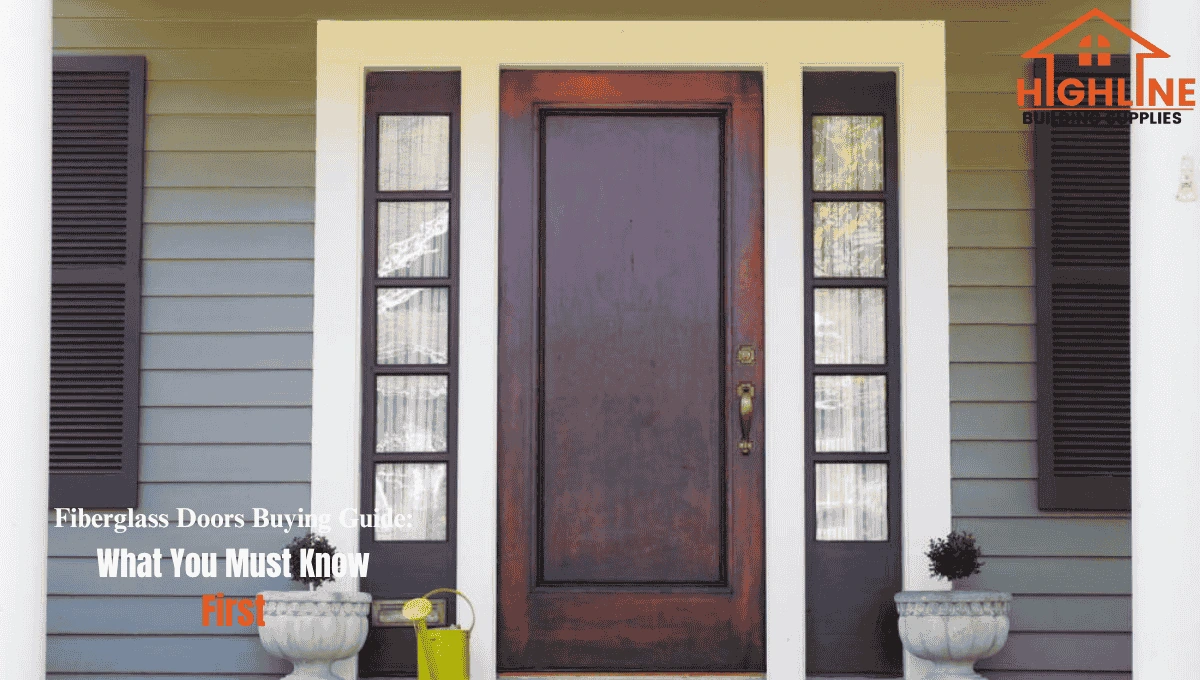
Fiberglass Doors Buying Guide: What You Must Know First

Choosing a new front door sounds simple until you start comparing materials, styles, insulation ratings, and installation details. That’s exactly why a practical fiberglass doors buying guide matters. The right fiberglass door can improve energy efficiency, reduce maintenance, strengthen security and upgrade curb appeal. The wrong one can leave you with drafts, alignment issues, or a finish that doesn’t hold up.

This guide explains how to choose fiberglass doors with real-world clarity: what actually matters, what buyers often miss and how to avoid spending money on the wrong fit for your home.

Why Fiberglass Doors Are So Popular

Fiberglass has become one of the most practical materials for modern exterior entry doors because it balances performance and appearance better than many homeowners expect.

What makes fiberglass different?

Unlike traditional wood, fiberglass resists:

  • Warping
  • Rot
  • Cracking
  • Swelling from moisture

Unlike some lower-grade steel doors, fiberglass also offers more design flexibility and often better resistance to dents and visible wear.

Why homeowners choose fiberglass

  • Strong insulation performance
  • Low maintenance over time
  • Realistic woodgrain options
  • Good durability in hot, cold, and humid climates
  • Broad range of modern and classic styles

For many homes, fiberglass offers the best middle ground between appearance, longevity, and everyday practicality.

What a Good Fiberglass Door Should Actually Do

A front door should do more than look good. In real use, it should:

  • Seal tightly
  • Open and close smoothly year-round
  • Resist weather exposure
  • Support secure hardware
  • Match the home’s design

A lot of buyers focus only on color or glass style. In practice, performance details matter more.

How to Choose Fiberglass Doors the Right Way

If you’re trying to understand how to choose fiberglass doors, start with the factors that affect real-life performance not just showroom appearance.

1) Start with your climate

Your local weather affects how well a door performs over time.

Best choices by condition:

  • Hot/sunny climates: UV-resistant finishes matter
  • Cold climates: Insulated core and tight weather sealing matter most
  • Humid or rainy regions: Moisture resistance becomes essential

Fiberglass performs especially well where wood tends to swell or split.

2) Pay attention to the core and insulation

Not all fiberglass doors perform equally. Some are decorative first and functional second.

Look for:

  • Polyurethane foam core
  • Tight perimeter seals
  • Energy-efficient glazing if glass is included
  • Solid frame construction

A door with poor insulation can look premium but still leak conditioned air.

3) Decide how much glass you really want

Glass inserts can look beautiful, but they also affect privacy, insulation, and sunlight exposure.

Good uses for glass:
  • Bringing light into dark entryways
  • Creating a more modern façade
  • Adding architectural detail

A great example of a balanced design is a style like
👉 6-Lite Frosted Modern Prehung Exterior Door
which gives you natural light without sacrificing privacy.

4) Think about finish and texture

Many homeowners want the warmth of wood without the maintenance burden. That’s one of fiberglass’s strongest advantages.

Popular finish directions:
  • Smooth modern painted finishes
  • Rustic or classic woodgrain textures
  • Contemporary mixed-material looks

If you want a warmer natural look, styles such as
👉 Cherry Oak
can offer a wood-inspired appearance with easier upkeep.

5) Match the style to the architecture of the home

A door can be high quality and still look wrong if it doesn’t fit the house.

Good style matches:
  • Craftsman homes: framed panels, modest glass, classic lines
  • Modern homes: clean slabs, frosted glass, minimal hardware
  • Traditional homes: richer finishes, decorative detail, symmetrical layout

For example, a design like
👉 Craftsman Meridian
works especially well for homes that need character without looking overdesigned.

Fiberglass vs Other Exterior Entry Door Materials

One of the biggest parts of any fiberglass doors buying guide is understanding what you’re comparing it against.

Fiberglass vs wood

Fiberglass wins on:

  • Lower maintenance
  • Better weather resistance
  • More stable performance over time

Wood wins on:

  • Natural authenticity
  • Refinishing flexibility
  • Traditional craftsmanship appeal

Fiberglass vs steel

Fiberglass wins on:

  • Dent resistance
  • Style variety
  • More premium visual options

Steel wins on:

  • Lower cost in many cases
  • Strong security value
  • Simple utility applications

Best practical takeaway

If you want a door that looks good, holds up, and doesn’t demand constant upkeep, fiberglass is often the most balanced choice.

Common Mistakes Buyers Make

This is where many people lose money—not because fiberglass is wrong, but because they buy the wrong version.

Mistake 1: Choosing only by appearance

A beautiful slab with weak seals or poor frame quality won’t perform well.

Mistake 2: Ignoring door swing and rough opening

This causes installation delays and sometimes expensive rework.

Mistake 3: Underestimating installation

Even a great door can perform poorly if it’s not installed square and sealed correctly.

That’s why many homeowners researching doors also spend time understanding
👉 fiberglass front doors installation
before making a final decision.

Mistake 4: Buying without checking exposure

A fully exposed south-facing entry needs different finish durability than a covered porch entry.

Mistake 5: Choosing oversized glass without privacy planning

Looks great online. Feels uncomfortable in real life.

Real-World Buying Tips That Actually Help

These are the kinds of details people often wish they knew before buying.

Measure more carefully than you think you need to

Check:

  • Width
  • Height
  • Jamb depth
  • Threshold condition
  • Floor slope if older home

Buy the system, not just the slab

Door performance depends on more than the panel itself.

A good entry system includes:

  • Frame quality
  • Weatherstripping
  • Threshold
  • Hinge support
  • Lockset compatibility

Don’t over-customize unless the home needs it

Custom options can look great, but they can also increase lead times and cost quickly. Often, a well-selected standard configuration does the job better.

Best Place to Buy Fiberglass Doors

A lot of buyers don’t just ask what to buy—they ask where.

The best place to buy fiberglass doors is usually a specialized supplier that gives you:

  • Clear specifications
  • Multiple design options
  • Reliable sizing support
  • Better material guidance than general hardware stores

That’s one reason many homeowners start by comparing curated options from focused suppliers rather than trying to sort through generic retail listings.

If you’re still comparing overall entry options, this guide on
👉 where to buy exterior doors
can also help you narrow down what kind of supplier makes the most sense for your project.

When Premium Fiberglass Front Doors Are Worth It

Not every project needs top-tier customization—but some absolutely do.

Premium fiberglass front doors make more sense when:

  • The front elevation is a focal point
  • You want a higher-end finish without wood maintenance
  • The home has strong resale or curb appeal goals
  • You need better long-term weather performance

Premium fiberglass front doors usually justify the cost when appearance and longevity both matter not just one or the other.

Benefits and Limitations of Fiberglass Doors

A good buying guide should be honest about both.

Benefits

  • Low maintenance
  • Strong resistance to weather and moisture
  • Good insulation performance
  • Broad style and finish options
  • Works well for many climates

Limitations

  • Can cost more upfront than basic steel doors
  • Lower-end fiberglass options may feel less substantial
  • Some finishes can fade faster if sun exposure is ignored
  • Custom styles may increase lead times

The key isn’t whether fiberglass is “perfect.” It’s whether it’s the right fit for your house and usage.

Best Use Cases for Fiberglass Doors

1) Busy family homes

If your entry sees constant use, fiberglass handles everyday wear well.

2) Homes in humid or changing climates

Fiberglass is especially useful where wood tends to move with moisture.

3) Renovation projects

When homeowners want a major visual upgrade without high maintenance, fiberglass is often the smart move.

4) Modern curb appeal upgrades

A clean fiberglass entry door can dramatically change how a home looks from the street.

Short Customer Perspectives

We originally planned to buy wood, but fiberglass made more sense once we looked at maintenance and weather exposure.

The biggest difference was insulation. The old door always felt drafty, and the replacement fixed that immediately.

We wanted something that looked warm but didn’t need repainting every couple of years. Fiberglass checked that box.

FAQ:

Are fiberglass doors worth buying?

Yes, for many homeowners they’re one of the best long-term choices because they combine durability, insulation, and lower maintenance.

How do I choose the right fiberglass front door?

Start with climate, insulation, privacy needs, and style—not just appearance.

Are fiberglass doors better than wood?

They’re usually better for maintenance and weather resistance. Wood still has an edge for natural material appeal.

Do fiberglass doors look cheap?

Not necessarily. Higher-quality models often have realistic textures, cleaner detailing, and stronger finishes than many buyers expect.

Can fiberglass doors increase home value?

They can contribute to curb appeal, energy efficiency, and buyer confidence—especially when replacing an outdated or worn entry door.

How long do fiberglass doors last?

A well-made fiberglass door can last many years with relatively little maintenance compared to wood.

Are fiberglass doors good for harsh weather?

Yes, especially when properly installed and paired with quality weather sealing and finishing.

Final Thoughts

The smartest way to use a fiberglass doors buying guide is not to look for the most expensive or most popular option but to look for the right combination of performance, design, and fit for your home.

If you understand how to choose fiberglass doors based on climate, construction, style, and installation not just surface appearance you’re far more likely to end up with a front door that actually performs well over time.

A fiberglass entry door is one of those home upgrades that affects comfort, efficiency, and curb appeal every single day. Taking the time to choose carefully is worth it.

Author Bio

Highline Supplies Editorial Team
The Highline Supplies editorial team creates practical, experience-based content for homeowners, builders, and remodelers navigating real product decisions. Their focus is on helping readers understand materials, performance, installation considerations, and what works in everyday residential projects.
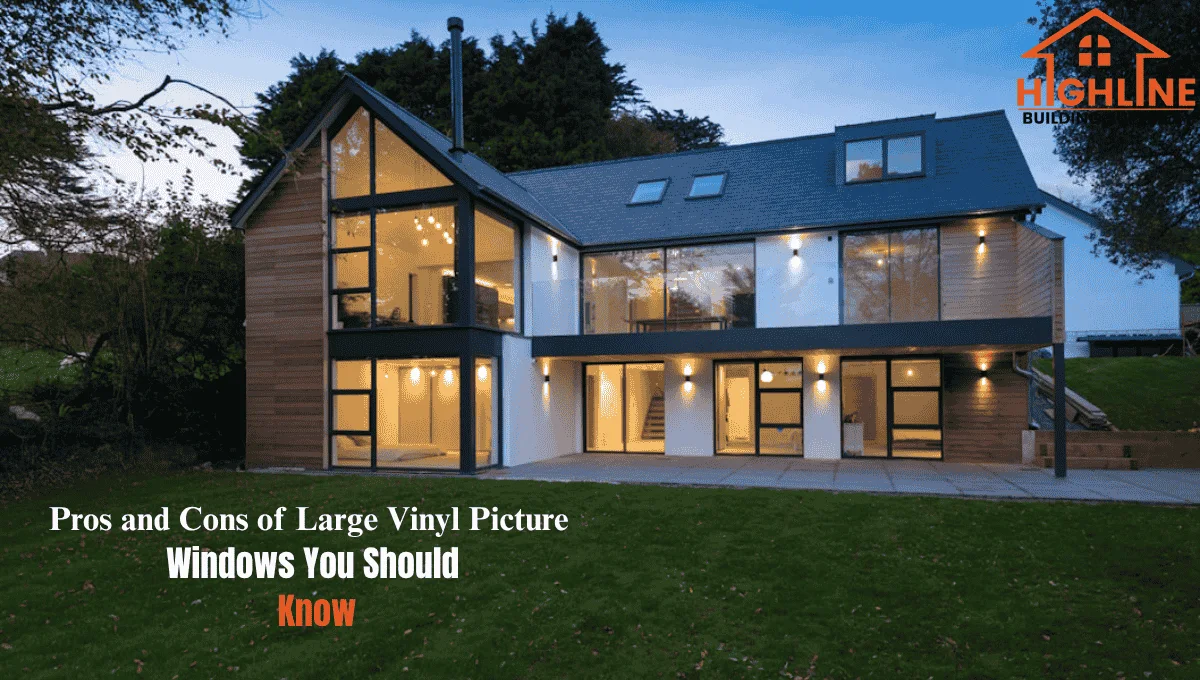
Large Vinyl Picture Windows

Pros and Cons of Large Vinyl Picture Windows You Should Know

Introduction: Big Views, Bigger Decisions

There’s something powerful about walking into a room filled with natural light—where the outside feels like part of your home. That’s exactly why large vinyl picture windows are becoming a top choice for homeowners across Texas.

But here’s the truth most guides won’t tell you:
What looks stunning in a showroom doesn’t always perform the same in real homes—especially in hot climates like Houston or Dallas.

At Highline Building Supplies, we’ve seen homeowners thrilled with their upgrade—and others wishing they had known a few key details before installing.

This guide breaks it all down. No fluff. Just real insights.

What Are Large Vinyl Picture Windows?

Large vinyl picture windows are fixed (non-opening) windows designed to provide wide, uninterrupted outdoor views. Built with durable vinyl frames, they’re known for:

  • Maximizing natural light
  • Enhancing energy efficiency
  • Creating a modern, open feel

Popular size options include:

  1. INSPIRE VINYL PW 18×24 (compact accent spaces)
  2. INSPIRE VINYL PW 18×48 (hallways and kitchens)
  3. INSPIRE VINYL PW 18×60 (living rooms and feature walls)

Pros of Large Vinyl Picture Windows

1. Exceptional Natural Light

In Texas homes, where sunlight is abundant, these windows can completely transform interiors.

Real insight:
Homes with large picture windows often reduce daytime electricity use by up to 20–30% simply by relying on natural light.

2. Energy Efficiency That Actually Works

Unlike operable windows, picture windows are sealed shut. That means:

  • No air leaks
  • Better insulation
  • Lower HVAC strain

Pro Tip: Choose double or triple-pane glass with Low-E coating for Texas heat.

3. Modern Aesthetic Appeal

These windows instantly create a high-end architectural look. They’re especially popular in:

  • Contemporary homes
  • Farmhouse designs
  • Minimalist interiors

Designer insight: Large vinyl picture windows act like “living artwork”—framing outdoor scenery as part of your decor.

4. Low Maintenance Vinyl Frames

Vinyl doesn’t warp, rot, or require repainting.

  • Resistant to humidity (great for Texas weather)
  • Easy to clean
  • Long-lasting performance

5. Cost-Effective Compared to Custom Glass Walls

While they look luxurious, they’re significantly more affordable than:

  • Floor-to-ceiling glass systems
  • Curtain walls

Cons of Large Vinyl Picture Windows

1. No Ventilation

This is the biggest drawback.

Since they don’t open:

  • No airflow
  • No natural cooling

Workaround: Pair them with sliding or casement windows nearby.

2. Heat Gain in Texas Climate

Large glass areas can increase indoor temperatures if not properly insulated.

Expert tip:
Always opt for:

  • Low-E glass
  • Argon gas-filled panes

Without these, your energy bills may increase.

3. Installation Complexity

Larger sizes like INSPIRE VINYL PW 18×60 require:

  • Structural support
  • Professional installation

Improper installation can lead to:

  • Air leaks
  • Frame stress
  • Reduced lifespan

4. Limited Privacy

Big windows mean more visibility from outside.

Solutions:

  • Frosted glass options
  • Strategic placement
  • Smart blinds or shades

5. Not Ideal for Every Room

They’re perfect for living areas—but not always for:

  • Bedrooms (privacy concerns)
  • Bathrooms (unless treated glass is used)

What Most Homeowners Overlook

From years of experience at Highline Building Supplies, here are things people often miss:

✔ Window Orientation Matters More Than Size

South- and west-facing windows in Texas get intense sunlight. Without proper glazing, they can overheat your home.

✔ Bigger Isn’t Always Better

Oversized windows look great—but:

  • Increase installation cost
  • Require stronger framing
  • May reduce energy efficiency if poorly chosen

✔ Glass Quality > Frame Type

Most homeowners focus on vinyl frames—but glass technology makes the real difference.

Invest in:

  • Low-E coatings
  • Double glazing minimum

Common Mistakes to Avoid

1. Choosing Size Without Considering Placement
A large window facing direct afternoon sun can turn your living room into a greenhouse.

2. Skipping Professional Installation
DIY installation may save money upfront—but often leads to costly repairs later.

3. Ignoring Local Climate Needs
Texas heat requires specialized glass—not standard options.

4. Not Pairing with Ventilation Windows
Relying only on picture windows can reduce indoor comfort.

5. Going Cheap on Glass Options
Lower upfront cost = higher long-term energy bills.

Real Customer Testimonials

James R., Houston, TX
Installing large vinyl picture windows completely changed our living room. The light is incredible—but I wish I had added ventilation windows alongside.

Maria L., Dallas, TX
We chose the INSPIRE VINYL PW 18×48 for our kitchen. It’s beautiful, easy to clean, and handles the Texas heat well.

David S., Austin, TX
Highline Building Supplies helped us pick the right glass. That made all the difference in energy savings.

People Also Ask (PAA)

1. Are large vinyl picture windows energy efficient?
Yes, especially when equipped with Low-E glass and proper insulation. They are often more efficient than operable windows.

2. Do large vinyl picture windows increase home value?
Absolutely. They enhance aesthetics, natural light, and modern appeal—all of which boost resale value.

3. Can you open large vinyl picture windows?
No, they are fixed windows. However, they can be paired with operable windows for ventilation.

4. How long do vinyl picture windows last?
With proper installation, they can last 20–30 years or more.

5. Are large vinyl picture windows good for Texas homes?
Yes—but only when designed with heat-resistant glass and proper placement.

Conclusion: Are They Worth It?

Large vinyl picture windows are more than just a design upgrade—they’re a lifestyle improvement.

They bring:

  • Natural light
  • Modern style
  • Energy efficiency

But they also require smart planning—especially in Texas climates.

If you choose the right size, glass, and placement, they can completely transform your home.

Ready to Upgrade?

At Highline Building Supplies, we help homeowners choose the perfect large vinyl picture windows—from compact options like INSPIRE VINYL PW 18×24 to expansive designs like INSPIRE VINYL PW 18×60.

Get expert guidance, premium quality, and solutions built for Texas homes.

Contact Highline Building Supplies today and bring your vision to life.

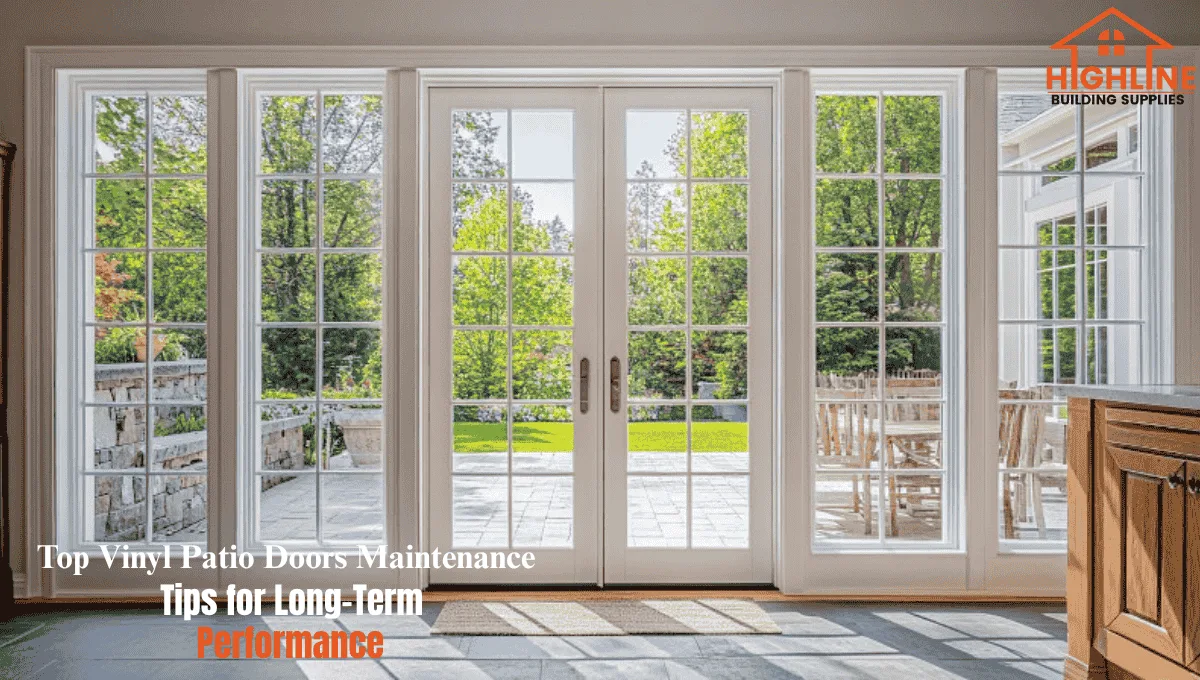
See our exclusive collection of patio doors, visit this page: Top Vinyl Patio Doors Maintenance Tips for Long-Term Performance

Author Bio — Highline Building Supplies Team

The Highline Building Supplies Team shares expert insights on doors, windows, and home improvement solutions, helping Texas homeowners make smart, lasting choices.

Top Vinyl Patio Doors

Top Vinyl Patio Doors Maintenance Tips for Long-Term Performance

Vinyl patio doors are one of those upgrades homeowners love—until they start sticking, fogging, or losing their smooth glide. If you’ve invested in Top Vinyl Patio Doors, you expect them to last for years without constant repairs. But here’s the reality most homeowners in Texas discover too late: even the best vinyl doors fail early without proper maintenance.

The good news? With the right care (and a few expert tricks most guides don’t mention), you can extend the life of your doors, keep them looking brand new, and avoid expensive replacements.

In this guide, we’ll break down real, experience-based maintenance tips, tailored especially for Texas weather conditions—heat, humidity, and dust included.

Why Maintenance Matters More in Texas Homes

Texas isn’t easy on exterior doors.

Between:

  • Intense UV exposure
  • Dust buildup from dry conditions
  • Humidity fluctuations

Your Top Vinyl Patio Doors go through constant stress. Unlike wood, vinyl won’t rot—but tracks clog, seals wear out, and rollers degrade if ignored.

From hands-on experience, most early failures we see aren’t product issues—they’re maintenance neglect.

1. Keep the Tracks Clean (This Is Where Most Problems Start)

If your patio door isn’t sliding smoothly, the culprit is usually dirty tracks.

What happens:

Dust, pet hair, and debris collect inside the track, causing:

  • Dragging
  • Misalignment
  • Roller damage

What to do:

  • Vacuum tracks once a week
  • Use a soft brush for corners
  • Wipe with a damp cloth + mild soap

Pro Tip: Avoid using grease or thick lubricants—it traps more dirt over time.

2. Use the Right Lubrication (Not What You Think)

Many homeowners make a costly mistake here.

Avoid:

  • Oil-based lubricants
  • WD-40 for long-term use

Use instead:

  • Silicone-based spray (light, non-sticky)

Apply lightly to:

  • Rollers
  • Tracks (after cleaning)

This keeps your Top Vinyl Patio Doors gliding like new without attracting debris.

3. Inspect and Maintain Weather Seals

Your door’s energy efficiency depends heavily on weatherstripping.

Signs of worn seals:

  • Drafts near the door
  • Increased energy bills
  • Visible cracks or gaps

What to do:

  • Inspect every 3–6 months
  • Replace damaged seals immediately

This is especially important for models like:

  1. INSPIRE SERIES VINYL PATIO DOOR 5068
  2. INSPIRE SERIES VINYL PATIO DOOR 6068
  3. INSPIRE SERIES VINYL PATIO DOOR 8068

These premium options are built for performance—but seals still require upkeep for maximum efficiency.

4. Clean the Glass Properly (Avoid Hidden Damage)

Glass seems simple—but improper cleaning can reduce clarity over time.

Best method:

  • Use a vinegar + water solution
  • Microfiber cloth (no paper towels)

Avoid:

  • Abrasive cleaners
  • Harsh chemicals

Expert Insight: Hard water stains are common in Texas. Clean regularly to prevent permanent marks.

5. Protect Against UV Damage

Vinyl is resistant—but not invincible.

Over time, UV exposure can:

  • Fade frames
  • Weaken structural integrity

Simple protection:

  • Install blinds or UV film
  • Use exterior shading where possible

This is a small step that adds years to your door’s lifespan.

6. Check Door Alignment and Rollers

If your door feels heavy or uneven, don’t ignore it.

Warning signs:

  • Uneven sliding
  • Grinding noise
  • Door not closing properly

What to do:

  • Adjust rollers (usually via bottom screws)
  • Replace worn rollers if needed

From experience: Roller replacement is far cheaper than replacing the entire door system.

7. Prevent Moisture Build-Up

Humidity can silently damage performance.

Risks:

  • Mold around seals
  • Fogging between glass panels
  • Frame expansion issues

Prevention:

  • Ensure proper drainage in tracks
  • Keep weep holes clear
  • Use a dehumidifier indoors if needed

What Most Homeowners Get Wrong

After years of working with patio door systems, here’s what stands out:

  • Over-cleaning with harsh chemicals does more harm than good
  • Ignoring small issues leads to expensive repairs later
  • Cheap replacements reduce performance of premium doors

If you’ve invested in Top Vinyl Patio Doors, treat maintenance as protection—not a chore.

Common Maintenance Mistakes to Avoid

Using oil-based lubricants
They attract dust and clog tracks faster.

Ignoring small alignment issues
Leads to roller failure and track damage.

Skipping regular cleaning
Dust buildup is the #1 performance killer.

Delaying seal replacement
Impacts energy efficiency and comfort.

Customer Testimonials

James R., Houston, TX
After following a simple cleaning routine, my sliding door feels brand new again. I wish I had done this sooner.

Maria L., Dallas, TX
The biggest difference was switching to silicone spray—huge improvement in smoothness.

David K., Austin, TX
I almost replaced my patio door, but adjusting the rollers solved everything. Saved me thousands.

People Also Ask (PAA)

1. How often should I maintain vinyl patio doors?
At least once a month for cleaning, and every 3–6 months for deeper inspection.

2. What is the best lubricant for vinyl patio doors?
A silicone-based lubricant is ideal—it reduces friction without attracting dust.

3. Do vinyl patio doors need professional maintenance?
Not usually. Most maintenance tasks are DIY-friendly unless there’s structural damage.

4. How long do top vinyl patio doors last?
With proper care, they can last 20–30 years or more.

5. Why is my patio door hard to slide?
Most commonly due to dirty tracks or worn rollers—not the door itself.

Final Thoughts: Protect Your Investment

Your patio doors are more than just an entry point—they’re part of your home’s comfort, efficiency, and style.

Maintaining your Top Vinyl Patio Doors doesn’t require expensive tools or professional help—just consistency and the right approach.

At Highline Building Supplies, we’ve seen firsthand how proper maintenance can double the lifespan of premium doors, including models like the INSPIRE SERIES.

If you’re looking to upgrade or need expert guidance, Highline Building Supplies offers high-performance vinyl patio doors designed specifically for Texas homes.

Take care of your doors today—and they’ll take care of your home for years.

About the Author

Highline Building Supplies
Experts in durable, energy-efficient building products, providing practical tips and solutions for Texas homeowners.

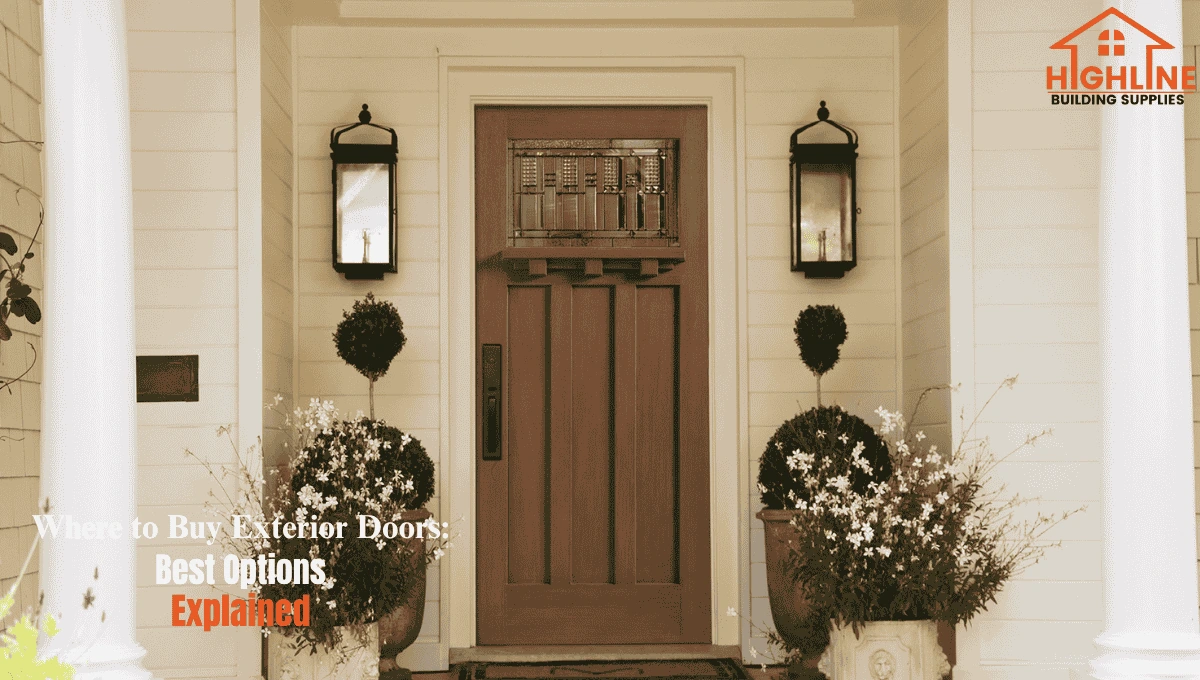
where to buy exterior doors

Where to Buy Exterior Doors: Best Options Explained

Choosing the right place matters just as much as choosing the right product—especially when you’re deciding where to buy exterior doors. Your front door isn’t just an entry point; it affects security, insulation, curb appeal, and long-term durability. With so many exterior doors for sale across online stores, local suppliers, and specialty retailers, it can be difficult to know which option actually delivers quality and value.

This guide breaks down the best place to buy exterior doors, what to look for, and how to avoid common mistakes based on real-world experience in home improvement and building materials.

Understanding Exterior Doors Before You Buy

Before exploring suppliers, it’s important to understand what you’re buying. Not all exterior entry doors are built the same, and the material, construction, and installation all play a role in performance.

Common types of residential exterior doors

  • Fiberglass doors: Durable, low maintenance, and energy-efficient
  • Steel doors: Strong security and cost-effective
  • Wood doors (e.g., mahogany): Premium look with higher maintenance
  • Wrought iron doors: High-end design with strong visual impact

Each type serves a different purpose depending on climate, budget, and design goals.

Where to Buy Exterior Doors: Main Options

When it comes to finding the best exterior door suppliers, you typically have four main options:

1. Online Building Supply Stores

Online platforms have become one of the most convenient ways to buy exterior doors online. They allow you to compare styles, materials, and specifications without visiting multiple locations.

For example, exploring options like
👉 buy exterior doors online
can help you review a wide selection of residential exterior doors in one place.

Best for:

  • Variety and convenience
  • Comparing prices and designs
  • Access to modern and custom styles

2. Specialized Door Suppliers

Specialty suppliers focus only on doors and related materials. They usually offer better product knowledge and higher-quality options than general hardware stores.

This is often the best place to buy exterior doors if you want:

  • Expert guidance
  • Custom sizing options
  • Better material quality

3. Local Hardware Stores

Stores like big-box retailers are easy to access but may have limited premium options.

Pros:

  • Immediate availability
  • Lower entry-level pricing

Cons:

  • Limited design choices
  • Less customization
  • Mixed quality depending on brand

4. Direct Manufacturers

Buying directly from manufacturers can offer customization and competitive pricing, especially for bulk or unique designs.

However, this option may require more planning and longer lead times.

How to Choose the Right Exterior Door Supplier

Not all sellers are equal. A good exterior door buying guide always includes evaluating the supplier—not just the product.

Key factors to consider

  • Material quality: Ask about construction, core material, and finish
  • Installation support: Some suppliers guide you through installation or offer services
  • Warranty: Reliable suppliers stand behind their products
  • Customization options: Especially important for non-standard openings
  • Customer reviews: Real feedback often reveals long-term performance

Practical Buying Tips From Real Experience

After working with different materials and suppliers, here’s what actually matters in practice:

1. Match the door to your climate

  • Humid areas benefit from fiberglass
  • Cold climates need insulated doors
  • Hot climates require UV-resistant finishes

2. Don’t ignore installation

Even the best door fails if installed poorly. This is why many homeowners look into
👉fiberglass front doors installation
along with the product itself.

3. Think beyond price

Cheap doors often lead to higher maintenance or replacement costs later.

4. Choose the right style for your home

For example:

Common Mistakes to Avoid

Many buyers focus only on looks and overlook practical factors.

Mistakes that cost money later

  • Buying the wrong size without proper measurement
  • Ignoring insulation and energy efficiency
  • Choosing style over durability
  • Not checking door swing direction
  • Skipping professional installation when needed

Real-World Use Cases

Home renovation

Upgrading an old entry door improves insulation, security, and curb appeal instantly.

New construction

Builders often choose suppliers that offer consistency and bulk availability.

Design-focused upgrades

Pairing doors with interior details—like
👉 decorative trims for walls and ceilings
creates a cohesive, high-end look throughout the home.

Customer Perspectives

We ordered online and were surprised by the variety. Comparing styles helped us choose something that actually matched our home.

Switching to fiberglass made a huge difference in maintenance. No more constant repainting.

We initially chose a cheaper option but replaced it within two years. Quality matters more than price.

FAQ:

Where is the best place to buy exterior doors?

Online building supply stores and specialized door suppliers usually offer the best mix of quality, variety, and pricing.

Are online exterior doors reliable?

Yes, if purchased from trusted suppliers with clear specifications, warranties, and customer support.

Which material is best for exterior doors?

Fiberglass is often the most balanced option, while wood and iron are preferred for aesthetics and premium design.

How much should I spend on an exterior door?

Costs vary widely, but investing in quality reduces long-term maintenance and replacement expenses.

Do exterior doors come with installation?

Some suppliers offer installation guidance or services, but it depends on the provider.

Final Thoughts

Understanding where to buy exterior doors comes down to more than just finding a seller—it’s about choosing a reliable source that offers quality, guidance, and long-term value. Whether you’re exploring exterior doors for sale online or comparing best exterior door suppliers, the goal is to match the product to your home’s needs, climate, and design.

A well-chosen door improves security, efficiency, and appearance in one decision. Take the time to compare options, understand materials, and choose a supplier that supports you beyond the purchase.

Author Bio

Highline Supplies Editorial Team
The Highline Supplies team brings practical experience in building materials, home improvement, and product selection. Their content focuses on helping homeowners and professionals make informed decisions based on real-world applications, not just product specs.

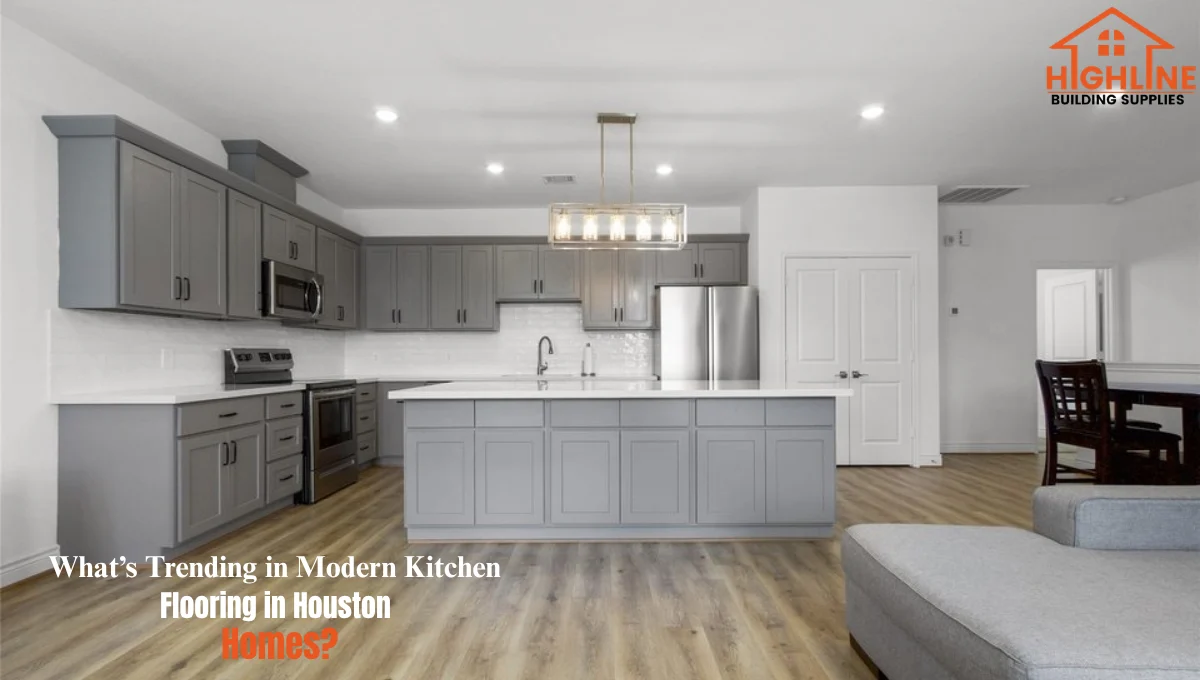
Modern Kitchen Flooring in Houston

What’s Trending in Modern Kitchen Flooring in Houston Homes?

Introduction: Where Style Meets Real-Life Function

Kitchens in Houston homes are changing fast, and best modern kitchen flooring in Houston is at the center of that transformation.

Homeowners aren’t just asking, “What looks good?” anymore. They’re asking:

  • Will it handle humidity?
  • Can it survive spills, pets, and heavy traffic?
  • Does it still feel modern five years from now?

That’s exactly why choosing the right modern kitchen flooring in Houston matters.

In this guide, you’ll discover what’s actually trending in 2026—not recycled ideas, but real, on-the-ground insights from homeowners, designers, and installers across the city.

Why Houston Homes Need a Different Flooring Approach

Before jumping into trends, here’s something most blogs ignore:

Houston’s climate changes everything.

  • High humidity
  • Sudden temperature shifts
  • Heavy indoor-outdoor foot traffic

This means flooring trends here aren’t just about aesthetics—they’re about performance under pressure.

That’s why luxury vinyl, waterproof materials, and low-maintenance surfaces are dominating.

Top Trends in Modern Kitchen Flooring in Houston

1. Waterproof Luxury Vinyl Is Leading the Market

Luxury vinyl tile and plank (LVT/LVP) is no longer a “budget option”—it’s now a premium choice.

Why it’s trending:

  • 100% waterproof
  • Handles humidity better than hardwood
  • Realistic wood and stone visuals
  • Comfortable underfoot

Popular options include:

Expert Insight: In Houston homes, 6 mm thickness is gaining popularity because it offers better sound absorption and long-term durability.

2. Natural Wood Looks (Without the Maintenance)

Hardwood is beautiful—but risky in Houston kitchens.

Instead, homeowners are choosing:

  • Wood-look vinyl planks
  • Matte finishes
  • Wide plank designs

Trending tones:

  • Light oak
  • Warm beige
  • Soft greys

These tones reflect natural light and make kitchens feel larger.

3. Large Format Tiles for a Seamless Look

Minimalism is huge right now.

Large tiles (24×24 or bigger):

  • Reduce grout lines
  • Create a clean, open feel
  • Work well in open-concept kitchens

They’re especially popular in modern and luxury homes.

4. Warm, Earthy Color Palettes

Cool greys are fading.

Houston homeowners are shifting toward:

  • Warm neutrals
  • Sandy tones
  • Natural wood finishes

Why? They create a cozy, lived-in feel—perfect for family kitchens.

5. Low-Maintenance Flooring Is Non-Negotiable

This isn’t just a trend—it’s a requirement.

Modern homeowners want:

  • Easy cleaning
  • Scratch resistance
  • Stain protection

Luxury vinyl dominates here again because it checks all these boxes.

Choosing the Right Flooring for Your Houston Kitchen

Here’s a practical framework professionals actually use:

Consider Your Lifestyle

  • Kids? Go scratch-resistant
  • Pets? Waterproof is a must
  • Frequent cooking? Stain resistance matters

Think Long-Term

Don’t just follow trends—ask:

  • Will this still look good in 5 years?
  • Is it easy to replace or repair?

Balance Budget and Performance

Cheaper options may cost more over time if they wear out quickly.

What Professionals Recommend in 2026

From real installer and supplier experience:

  • Luxury vinyl is dominating 70%+ of kitchen renovations
  • Thicker planks (5–6 mm) are replacing thinner ones
  • Waterproof features are now expected—not optional
  • Texture matters—embossed finishes are preferred over smooth ones

Pro Tip: Always request samples and test them in your kitchen lighting. Colors can look completely different under natural vs artificial light.

Common Mistakes Homeowners Make

Avoid these if you want long-lasting results:

Choosing Style Over Durability

That trendy floor won’t matter if it warps in 6 months.

Ignoring Houston’s Climate

Humidity can destroy the wrong materials.

Going Too Cheap

Low-quality flooring wears out faster—costing more in the long run.

Not Checking Installation Quality

Even the best flooring fails with poor installation.

Real Customer Testimonials

Sarah M., Houston
We switched to luxury vinyl after our hardwood warped. Best decision ever—easy to clean and still looks high-end.

James R., Katy
We chose a 5 mm vinyl plank, and it handles our kids and pets perfectly. No scratches so far.

Linda T., Sugar Land
I love the wood look without worrying about spills. It completely transformed our kitchen.

Practical Tips Before You Buy

  • Always check waterproof rating
  • Choose 5 mm or thicker for durability
  • Match flooring with cabinet color and lighting
  • Ask about warranty and wear layer

People Also Ask (PAA)

1. What is the best modern kitchen flooring in Houston?
Luxury vinyl plank is the best choice due to its waterproof properties, durability, and modern appearance.

2. Is luxury vinyl better than tile for kitchens?
Yes, for most Houston homes. It’s more comfortable, easier to install, and handles humidity better.

3. What flooring lasts longest in Houston kitchens?
High-quality luxury vinyl (5–6 mm thickness) offers the best balance of longevity and performance.

4. Are light or dark floors better for kitchens?
Light floors are trending because they make spaces look bigger and hide dust better.

5. How much does modern kitchen flooring cost in Houston?
Costs vary, but most homeowners spend between $3–$10 per sq. ft. depending on material and quality.

Final Thoughts: Trends Change, Performance Matters

Trends will evolve—but one thing stays constant: The best modern kitchen flooring in Houston is the one that fits your lifestyle, climate, and long-term needs.

If you want flooring that looks great and performs under real conditions, don’t compromise on quality.

Upgrade Your Kitchen with Highline Building Supplies

At Highline Building Supplies, we help homeowners choose flooring that’s built for Houston living.

From premium luxury vinyl options to expert guidance, we make sure you get:

  • Style that lasts
  • Performance you can trust
  • Value for your investment

Explore our flooring collection today and transform your kitchen with confidence.

About the Author

Highline Building Supplies Team
With years of experience in flooring solutions, the Highline team specializes in helping homeowners choose materials that combine durability, style, and long-term value. Our insights are based on real customer needs, industry trends, and hands-on expertise in modern home improvement.

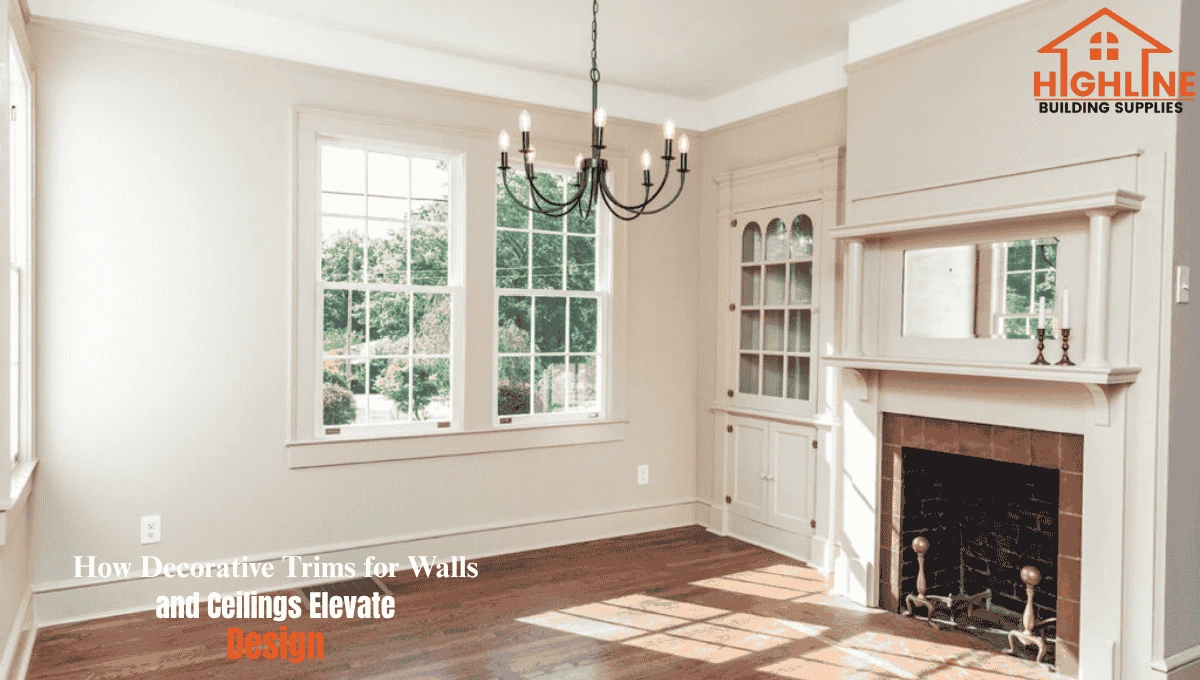
decorative trims for walls and ceilings

How Decorative Trims for Walls and Ceilings Elevate Design

When people think about changing a room, they usually focus on paint, flooring, or furniture first. But decorative trims for walls and ceilings often do more to sharpen a space than any single color or accessory. The right trim can make ceilings look taller, walls feel more finished, and plain rooms read as custom instead of builder-basic. It is one of those details that people may not always notice immediately, but they absolutely feel.

In real homes, trim does more than decorate. It creates transitions, hides uneven edges, frames architectural features, and helps tie a room together. That is why designers, remodelers, and finish carpenters often treat trim as part of the architecture, not an afterthought. At Highline Supplies, this kind of practical building-material knowledge shows up across their categories and educational content, where the focus is on helping homeowners choose materials that actually work in real-world installs, not just in staged photos. For readers comparing options, it can also help to buy trim online and review profiles and sizes before planning a room.

What decorative trim actually means

Decorative trim is a broad term for the finishing pieces installed where surfaces meet or where visual definition is needed.

Common examples include:

  • Crown molding where walls meet the ceiling
  • Baseboards where walls meet the floor
  • Casing around doors and windows
  • Chair rail and picture frame molding on wall surfaces
  • Ceiling accents such as medallions and perimeter trim

These details can be simple and clean or more traditional and layered. The best choice depends on the home’s architecture, ceiling height, room size, and how formal or modern you want the space to feel.

Why trim has such a big design impact

Trim works because it creates visual structure.

A blank room often feels unfinished because the eye has nowhere to land. Once trim is added, the room gets edges, lines, and proportion. That makes even simple spaces feel intentional.

What trim changes in a room

  • It adds depth and shadow lines
  • It makes transitions look cleaner
  • It helps define the room’s style
  • It can visually widen or heighten a space
  • It gives walls and ceilings a more custom look

A lot of homeowners underestimate this. They spend heavily on furniture and decor, then leave the shell of the room plain. In practice, even modest trim upgrades can make average finishes look more polished.

The main types of decorative trims for walls and ceilings

Not every trim belongs in every room. The trick is knowing what each type does best.

Crown molding

Crown molding sits at the top of the wall where it meets the ceiling. It is one of the most effective ways to make a room feel refined.

It works especially well in:

  • Living rooms
  • Dining rooms
  • Entryways
  • Primary bedrooms
  • Rooms with at least moderate ceiling height

For a classic finish, profiles with more detail create a formal look. For a cleaner style, simpler profiles feel more modern. A product like CROWN 4-1/4 X 9/16 FJ 16’PRIMED 16′ 8012FJP fits well when you want a traditional crown line that still feels versatile enough for many interiors.

Baseboard trim

Baseboards anchor the room visually and protect the lower wall from scuffs, vacuum bumps, and everyday wear. Good baseboard trim is practical first, but design-wise it also affects how finished the room feels.

A common mistake is choosing a baseboard that is too short or too thin for the room. In spaces with taller ceilings, undersized baseboard can look skimpy. In tighter rooms, an oversized ornate profile can feel heavy.

For curved walls or layouts where flexibility matters, options such as 1X4×10 STRAIGHT FLEXIBLE TRIM BASEBOARD or 1X6x10 STRAIGHT FLEXIBLE TRIM BASEBOARD can solve fit problems that rigid material often creates.

Wall molding and panel trim

This category covers a lot of strong wall trim ideas, including:

  • Picture frame molding
  • Applied box molding
  • Chair rail
  • Wainscoting details
  • Panel mold layouts

These trims can turn a flat wall into a feature wall without requiring a full renovation. They are especially useful in dining rooms, hallways, stairwells, and home offices where you want more architectural interest.

Decorative ceiling molding

Decorative ceiling molding is not just crown. It can also refer to trim used to frame a tray ceiling, define ceiling sections, or create perimeter detail that draws the eye upward.

This works well when:

  • The room needs more vertical emphasis
  • The ceiling feels flat or visually empty
  • You want a custom look without changing the entire structure

Ceiling trim often works best when the pattern of the room below supports it. A highly detailed ceiling above plain, low-quality finishes elsewhere can feel disconnected.

Ceiling medallion trim

Ceiling medallion trim is typically centered around a chandelier, pendant, or other ceiling fixture. It adds a focal point and can make a standard light fixture feel more intentional.

This detail works best when:

  • The room already has a centered fixture
  • Ceiling height can support the added emphasis
  • The medallion scale matches the light fixture

One of the biggest mistakes here is going too large. Oversized medallions can overwhelm a room fast, especially in average-height homes.

How trim supports different design styles

Trim should match the architecture of the home, not fight it.

Modern interiors

Modern spaces usually work best with:

  • Clean, simple profiles
  • Minimal ornament
  • Crisp transitions
  • Consistent lines from room to room

In these spaces, trim still matters, but restraint matters more. A slimmer crown or flat stock application can feel much more current than a highly decorative profile.

Traditional interiors

Traditional homes can handle:

  • Layered crown profiles
  • Taller baseboards
  • Framed wall molding
  • Decorative corner blocks or built-up trim assemblies

These homes often benefit from richer interior trim designs because the architecture already supports them.

Transitional interiors

Transitional style lives in the middle. It usually pairs classic trim placement with cleaner profiles.

This is often the safest route for homeowners because it gives character without locking the room into a very formal or very modern look.

Practical benefits beyond appearance

Trim is often discussed as a style choice, but in the field it also solves practical problems.

It hides imperfect transitions

Walls and ceilings are rarely perfect. Slight gaps, uneven drywall edges, and movement over time are common. Trim helps cover those transitions in a way that looks intentional.

It protects high-contact areas

Baseboards, chair rails, and some wall trim layouts reduce visible wear in everyday family spaces.

It helps rooms feel complete

Rooms without trim can feel unfinished even when everything else is installed properly. This is especially true in remodels where one updated area makes plain adjacent surfaces stand out more.

What homeowners usually get wrong

This is where hands-on experience matters. Trim looks simple on paper, but poor planning shows quickly.

  1. Choosing trim only from a close-up sample

A profile may look great in your hand and wrong in the room. Always think about scale, ceiling height, and viewing distance.

  1. Mixing too many styles

One ornate profile, one modern casing, and one plain baseboard usually do not create “character.” They create confusion. There should be a clear visual language throughout the home.

  1. Ignoring room proportions

Big trim can make a low room feel crowded. Tiny trim can disappear in a larger room.

  1. Treating installation as a minor detail

Even good material looks bad when joints are sloppy, corners are uneven, or reveals are inconsistent. Trim is detail work. Precision matters.

  1. Forgetting about curved surfaces

Standard rigid trim does not always work around arches, radius walls, or unusual transitions. This is exactly where flexible trim products become useful rather than optional.

How to choose the right trim for your space

A practical selection process usually works better than choosing by trend.

Start with these questions

  • What is the room’s style: modern, traditional, or transitional?
  • How tall are the ceilings?
  • Is the room large enough to handle deeper profiles?
  • Are there curved walls or unusual corners?
  • Are you highlighting a feature or just finishing the space cleanly?

General sizing guidance

  • Lower ceilings usually look better with simpler, smaller trim
  • Standard-height rooms often benefit from moderate crown and baseboard sizes
  • Taller ceilings can support larger, more detailed profiles

There is no perfect one-size-fits-all formula, but proportion matters more than trend.

Best rooms for decorative trims

Some spaces benefit from trim faster than others.

Living rooms

Trim adds polish and helps the room feel architecturally grounded. Crown, baseboard, and wall molding are all strong options here.

Dining rooms

This is one of the best rooms for panel molding, chair rail, and medallion details because people expect a little more formality.

Bedrooms

Bedrooms do not need heavy trim, but even a simple crown or upgraded baseboard can make them feel calmer and more finished.

Hallways and entryways

These spaces often lack furniture and soft finishes, so trim does a lot of visual work.

Ceilings around statement lighting

A centered medallion or perimeter trim can turn an ordinary fixture into a much stronger focal point.

Common limitations to keep in mind

Trim is powerful, but it is not magic.

  • It will not fix poor room proportions
  • It can highlight crooked walls if installed badly
  • Overdecorating can make a room feel smaller
  • Some ornate profiles need more maintenance and more precise painting
  • Budget can rise quickly if multiple rooms need custom work

That said, thoughtful trim usually offers a better visual return than many more expensive cosmetic upgrades.

Expert tips that actually work

Keep profiles consistent across connected spaces

Open floor plans especially benefit from consistency. You can vary accent details, but core trim language should stay related.

Use trim to support focal points

Do not add molding everywhere just because you can. It works best when it frames something important, such as a fireplace wall, dining room chandelier, or tray ceiling.

Paint decisions matter

Trim can either blend into the wall color for subtle depth or contrast for sharper architectural definition. Neither is wrong, but the effect is very different.

Test layout lines before installation

For wall molding, tape off the layout first. Many homeowners are surprised by how different spacing looks once it is on the wall.

Think about the whole envelope of the room

Great trim design connects walls, ceiling, flooring, doors, and windows. That is also why broader material planning matters. For example, homeowners improving interior finishes often end up reviewing adjacent upgrades too, including openings and exterior performance. A related guide on energy efficient exterior doors for houses is useful when you are thinking about how finish details and building-envelope upgrades work together in a full home refresh.

Real-world examples of where trim makes the biggest difference

Example 1: Builder-grade living room

A basic living room with plain drywall and minimal baseboard often feels flat, even with decent furniture. Adding moderate crown, taller baseboard, and a simple wall molding layout can shift it from generic to custom-looking without changing the floor plan.

Example 2: Curved wall in a hallway

This is where many DIY installs stall out. Standard pieces fight the curve, joints open, and the finish looks forced. Flexible trim products solve that problem cleanly and usually save time compared with trying to kerf or force rigid stock into place.

Example 3: Dining room with a chandelier

A chandelier by itself can look like it is floating. Pairing it with a scaled medallion and perimeter wall trim gives the fixture visual context and makes the room feel deliberate.

Customer perspectives

Here are a few realistic examples of what homeowners often say after getting trim choices right:

“We thought the paint color would be the big transformation, but the crown and baseboards made the room feel finished for the first time.”

“Our hallway had a curved section that always looked awkward. Using flexible baseboard was the first solution that actually fit without gaps.”

“The dining room medallion seemed like a small detail, but once it was installed, the light fixture finally looked like it belonged there.”

FAQ:

What trim makes a room look more expensive?

Crown molding, taller baseboards, and well-spaced wall molding usually make the biggest impact. The key is proportion and clean installation, not just ornate detail.

Is crown molding still in style?

Yes. It is still widely used, but the profile matters. Simpler shapes suit modern homes, while layered profiles suit traditional rooms.

What is the best trim for low ceilings?

Low ceilings usually look better with simpler and smaller profiles. Oversized trim can make the room feel compressed.

Can decorative trim work in modern homes?

Absolutely. Modern homes often use flatter, cleaner profiles and more restrained applications, but trim still adds structure and depth.

Where should I use a ceiling medallion?

Use it around a centered light fixture where you want a focal point, especially in dining rooms, entryways, and some bedrooms.

Is flexible trim worth it?

Yes, when the wall or transition is curved. It helps create a cleaner fit where rigid trim would gap, crack, or require extra labor.

Final thoughts

The best decorative trim choices do not shout. They quietly improve proportion, finish transitions, and make the room feel considered. That is why decorative trims for walls and ceilings remain one of the smartest ways to elevate interior design without changing the entire structure of a home.

The most successful projects usually come down to a few practical decisions: choosing profiles that fit the architecture, scaling them correctly, and installing them with care. Whether you are exploring simple wall trim ideas, planning decorative ceiling molding, or comparing options for baseboard trim and ceiling medallion trim, the goal is the same: create a room that feels complete, balanced, and built with intention.

Author Bio

Highline Building Supplies Editorial Team
The Highline Building Supplies editorial team includes home improvement specialists, building-material professionals, and design-focused writers who work closely with real product applications and homeowner questions. Their content is built around practical selection guidance, installation awareness, and the kinds of finish details that make a visible difference in everyday projects.

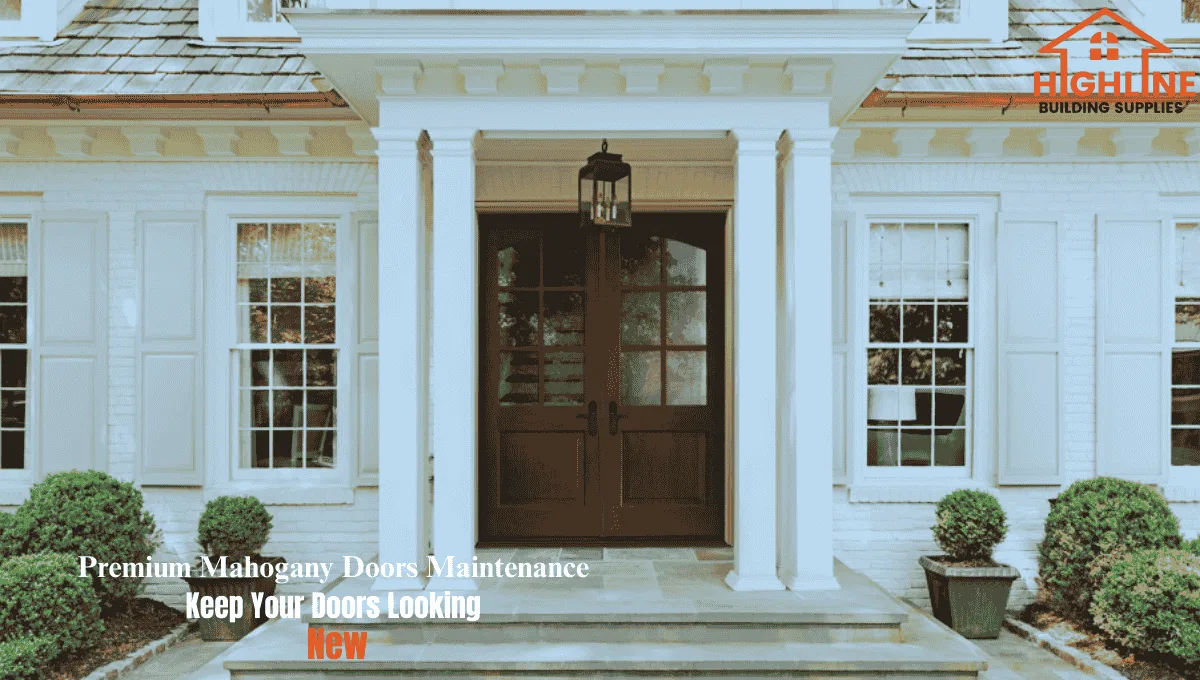
Premium Mahogany Doors

Premium Mahogany Doors Maintenance: Keep Your Doors Looking New

Maintaining the elegance and durability of premium mahogany doors is more than just a chore—it’s an investment in your home’s beauty, security, and value. Many homeowners admire the rich warmth of mahogany but struggle to keep it looking pristine year after year. In this guide, we’ll explore expert-backed maintenance strategies that ensure your doors remain stunning and functional for decades. Whether you’ve installed a 4-Lite over 1 Panel Clear Glass Prehung Door or a 4-Lite over 1 Panel Rain Glass Prehung Door, these tips are tailored for U.S. homeowners who want the perfect blend of luxury and longevity.

Why Proper Maintenance Matters for Premium Mahogany Doors

Mahogany is naturally strong, resistant to rot, and visually striking. But even premium wood can suffer from weather, UV exposure, and daily wear. Without consistent care, your doors may lose their sheen, develop cracks, or allow drafts, undermining your investment. Proper maintenance not only preserves appearance but also maintains security and energy efficiency.

Expert Tip: Treat mahogany doors as both a design feature and a functional asset. A neglected door can cost more in repairs than preventative care would require.

Routine Cleaning: The Foundation of Door Longevity

A clean door is a healthy door. Start with simple, regular maintenance to keep your mahogany doors looking like new.

Pro Tip: Always wipe along the grain of the wood to maintain the natural luster.

Protecting Your Doors from Weather Damage

Texas and other U.S. regions can expose mahogany doors to harsh sun, rain, and temperature swings. Protecting your door from the elements is critical.

  • Seal and Varnish Annually: Apply a high-quality exterior varnish or sealant to prevent moisture penetration and UV damage.
  • Install Door Awnings: Small overhangs can shield doors from direct sunlight and rain, reducing weathering.
  • Check Weatherstripping: Ensure seals around the door frame are intact to prevent drafts and water infiltration.

Expert Insight: Premium mahogany doors with glass panels, such as 4-Lite over 1 Panel Clear Glass Prehung Doors, require special attention to caulking around the glass to prevent leaks and wood warping.

Lubrication and Hardware Maintenance

Wood care isn’t the only concern—hardware plays a critical role in door longevity.

  • Lubricate Hinges: Every 6 months, apply a silicone-based lubricant to hinges and locks.
  • Inspect Locks and Handles: Tighten screws and check for rust to maintain smooth operation.
  • Prevent Sagging: Heavy doors with glass inserts can sag over time; adjusting hinge placement or using heavier-duty hardware can help.

Common Maintenance Mistakes to Avoid

Even well-intentioned homeowners can unknowingly damage their doors. Avoid these frequent errors:

  1. Over-Washing: Excess water can penetrate the wood and cause swelling.
  2. Using Harsh Chemicals: Bleach or ammonia-based cleaners strip protective finishes.
  3. Ignoring Small Cracks: Tiny cracks can grow and invite moisture, warping, or insect damage.
  4. Neglecting Hardware: Rusty hinges or locks can misalign the door and compromise security.

Professional Tip: Schedule an annual inspection to catch small issues before they become costly repairs.

Expert Insights: Longevity Strategies

  1. Finish Layering: Multiple thin coats of exterior-grade finish last longer than a single thick coat.
  2. UV Protection: For homes with direct sunlight, using a finish with UV inhibitors preserves the mahogany’s natural color.
  3. Glass Panel Care: For 4-Lite over 1 Panel Rain Glass Prehung Doors, use mild detergents to prevent streaks and etching.

Investing in proper maintenance keeps premium mahogany doors looking like new for decades. It’s about combining aesthetics with function. — Highline Building Supplies Expert Team

Real Customer Testimonials

Jessica M., Austin, TX:
I purchased a 4-Lite over 1 Panel Clear Glass Prehung Door from Highline Building Supplies. Following their maintenance tips, my door still looks brand new after 3 years!

Michael R., Dallas, TX:
The team’s advice on sealing and hardware maintenance saved me from costly repairs. My mahogany doors remain beautiful and secure.

Practical Maintenance Checklist

Task Frequency Notes
Dusting Weekly Microfiber cloth
Gentle Cleaning Monthly Mild soap & water
Seal/Varnish Annually Exterior-grade
Hardware Lubrication Biannual Silicone-based lubricant
Inspection Annual Check cracks, weatherstripping, and glass

Frequently Asked Questions (PAA)

Q1: How often should I seal my premium mahogany door?
A1: Once a year is ideal, especially in regions with heavy sun or rain.

Q2: Can I use any wood cleaner for my mahogany door?
A2: No. Stick to mild soaps or cleaners recommended for fine wood.

Q3: How do I prevent my glass panels from fogging?
A3: Ensure proper caulking and check seals on 4-Lite over 1 Panel Clear Glass Prehung Doors regularly.

Q4: Are mahogany doors suitable for humid climates?
A4: Yes, but regular sealing and ventilation are essential to prevent warping.

Q5: How do I restore color on faded mahogany?
A5: Light sanding followed by a UV-protective finish can revive natural color.

Conclusion

Maintaining premium mahogany doors is about combining routine care, weather protection, and smart hardware management. Whether it’s a classic 4-Lite over 1 Panel Clear Glass Prehung Door or a stylish 4-Lite over 1 Panel Rain Glass Prehung Door, following these strategies ensures your doors remain both beautiful and secure. For U.S. homeowners seeking expert advice and high-quality doors, Highline Building Supplies provides guidance, top-tier products, and ongoing support to make sure your investment stands the test of time.

See our iron doors collection, visit this page: Protect Your Home: Security Benefits of Highline Iron Door Collections

About the Author

Highline Building Supplies Team
With decades of experience supplying premium doors and building materials, our team combines hands-on expertise with practical advice. We help homeowners across the U.S. choose, install, and maintain products that last a lifetime.

energy efficient exterior doors for houses

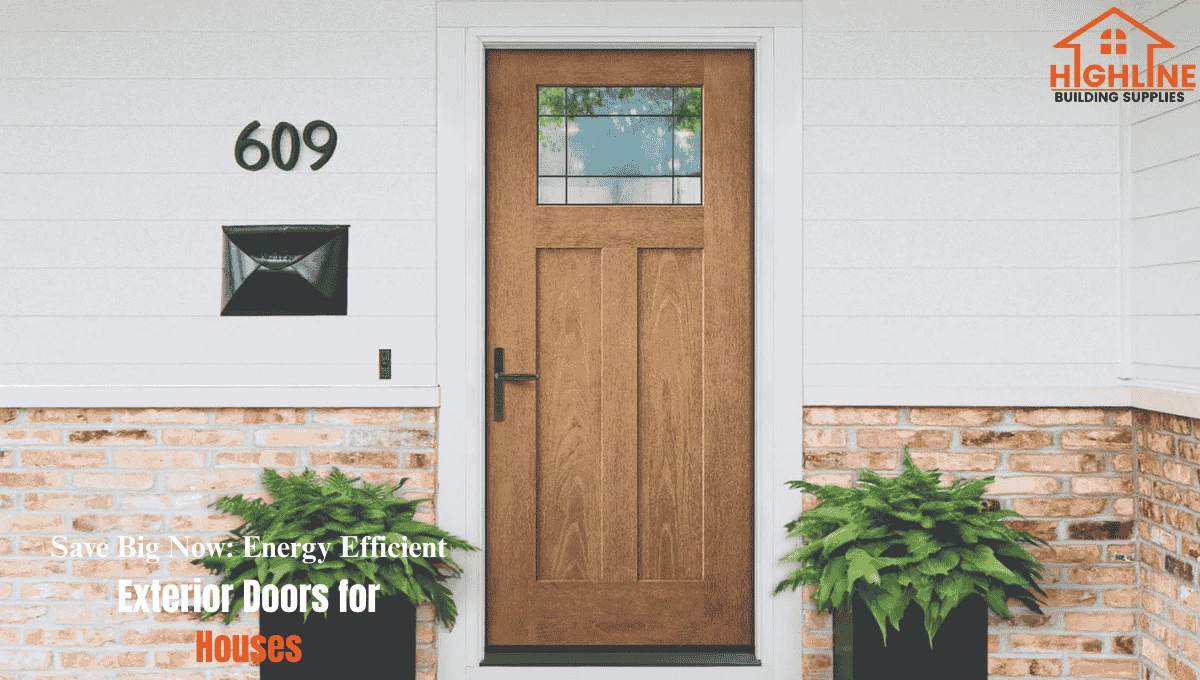
Save Big Now: Energy Efficient Exterior Doors for Houses

When homeowners look for ways to cut utility bills, doors are rarely the first place they start but they should be. Choosing the right energy efficient exterior doors for houses can significantly reduce heat loss, improve indoor comfort, and even increase property value. Whether you’re upgrading an aging entryway or building new, your exterior door plays a bigger role in your home’s energy performance than most people realize.

In this guide, we’ll break down what actually makes a door energy efficient, what materials perform best in real-world conditions, and how to avoid costly mistakes during selection and installation.

Why Exterior Doors Matter More Than You Think

Exterior doors are one of the most common sources of energy loss in a home. Even small gaps or poorly insulated cores can allow:

  • Heat to escape during winter
  • Cool air to leak out during summer
  • Moisture and drafts to enter your home

From hands-on experience working with homeowners and contractors, one issue comes up repeatedly: people focus on aesthetics first and performance second. While design matters, ignoring energy efficiency can lead to long-term costs that far outweigh initial savings.

What Makes a Door Energy Efficient?

Not all exterior doors are built the same. Energy efficiency comes down to a combination of materials, construction, and installation quality.

Key Features to Look For

  1. Insulated Core
  • Polyurethane or polystyrene cores provide strong thermal resistance
  • Solid wood doors without insulation tend to underperform
  1. Tight Weather Sealing
  • High-quality weatherstripping prevents air leaks
  • Adjustable thresholds improve long-term sealing
  1. Low-E Glass (if applicable)
  • Reflects heat while allowing natural light
  • Reduces UV damage to interiors
  1. Proper Frame Construction
  • Warped or poorly fitted frames undermine even the best doors
  1. ENERGY STAR Ratings
  • A reliable benchmark for tested performance

Best Materials for Energy Efficient Exterior Doors

Choosing the right material is one of the most important decisions you’ll make. Each has its strengths and trade-offs.

Fiberglass Doors

Fiberglass is widely considered one of the best all-around options.

Why it works:

  • Excellent insulation properties
  • Resistant to warping, cracking, and moisture
  • Mimics wood without the maintenance

Real-world insight:
Homeowners who invest in fiberglass front doors installation often report immediate improvements in draft reduction, especially in older homes where previous doors were poorly sealed.

Steel Doors

Steel doors are another solid choice for energy efficiency.

Pros:

  • Strong insulation when paired with foam cores
  • Affordable compared to wood
  • High security

Cons:

  • Can dent
  • May rust if not properly maintained

Solid Wood Doors

Wood doors like a mahogany front entry door offer timeless appeal but require careful consideration.

Pros:

  • Natural beauty
  • Strong and durable

Cons:

  • Less energy efficient unless specially insulated
  • Prone to expansion and contraction

Expert tip:
If you choose wood, look for engineered cores or insulated designs. Pure solid wood doors often underperform in extreme climates.

Wrought Iron Doors

A wrought iron door can be surprisingly energy efficient—if designed correctly.

Key factors:

  • Double-pane insulated glass inserts
  • Thermal breaks in the metal frame
  • Proper sealing

Without these features, metal doors can conduct heat and reduce efficiency.

The Hidden Role of Installation

Even the best door on the market will fail if installed incorrectly.

Common Installation Mistakes

  • Gaps between the frame and wall
  • Poorly aligned hinges
  • Missing insulation around the frame
  • Incorrect threshold adjustment

From field experience, improper installation is responsible for more energy loss than the door itself in many homes.

What Proper Installation Looks Like

  • Tight, level fit within the opening
  • Foam insulation around the frame
  • Seamless weatherstripping contact
  • No visible light gaps

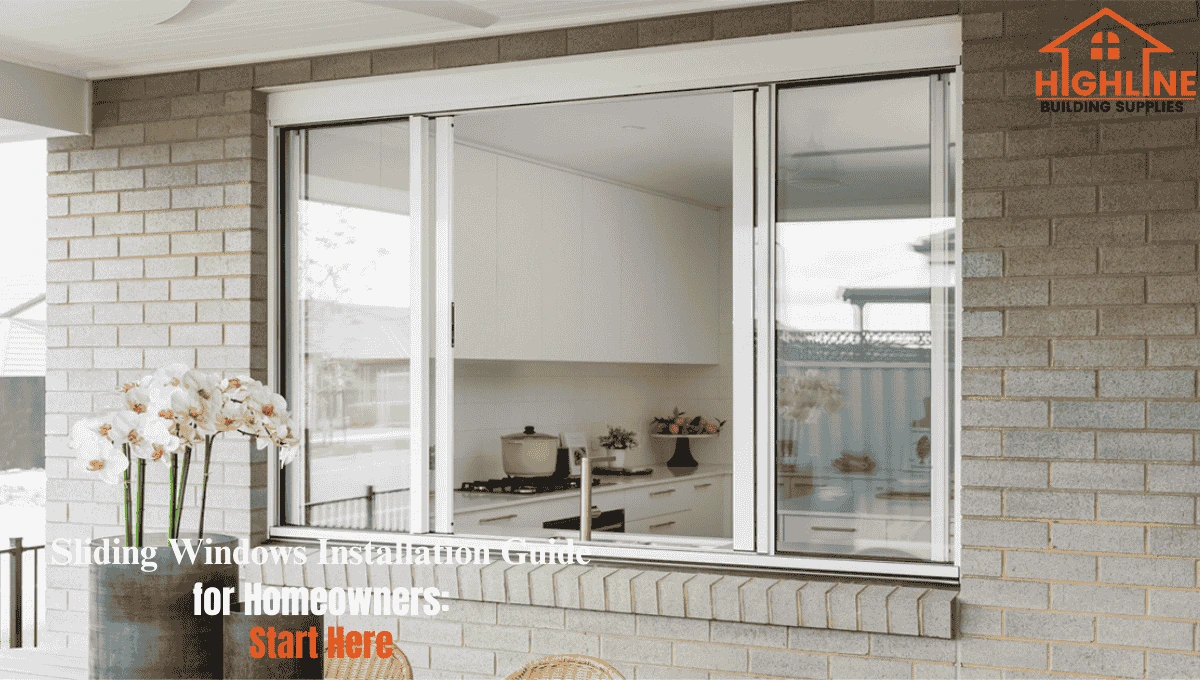
If you’re planning multiple upgrades, it’s worth understanding how doors and windows work together. This sliding windows installation guide for homeowners can help you align your approach across both.

Benefits of Energy Efficient Exterior Doors

  1. Lower Energy Bills

Reduced air leakage means your HVAC system doesn’t have to work as hard.

  1. Improved Indoor Comfort

No more cold drafts near entryways or temperature fluctuations.

  1. Better Noise Insulation

High-quality doors also reduce outside noise.

  1. Increased Home Value

Energy-efficient upgrades are attractive to buyers.

  1. Enhanced Durability

Modern materials like fiberglass and steel resist wear better than older wood doors.

Practical Buying Considerations

If you’re planning to buy exterior doors online, keep these factors in mind:

Measure Accurately

  • Always double-check door frame dimensions
  • Consider rough opening vs. finished opening

Check Climate Compatibility

  • Insulation needs vary by region
  • Coastal areas may require corrosion-resistant materials

Review Certifications

  • ENERGY STAR ratings
  • Manufacturer warranties

Understand Customization Options

  • Glass inserts
  • Finishes
  • Hardware compatibility

Shipping and Handling

Doors are large, heavy items. Ensure:

  • Proper packaging
  • Clear return policies
  • Delivery inspection upon arrival

Common Mistakes Homeowners Make

Choosing Style Over Performance

A visually appealing door that leaks air defeats its purpose.

Ignoring Frame Condition

Replacing the door but not the frame often leads to ongoing issues.

DIY Without Experience

Improper installation can cost more to fix than hiring a professional initially.

Skipping Weatherproofing

Even a good door needs proper sealing to perform well.

Expert Tips from Real Projects

From working with both contractors and homeowners, here are a few practical insights:

  • Upgrade the threshold and sweep when replacing doors—this is often overlooked
  • Don’t reuse old frames unless they’re perfectly square and undamaged
  • Consider door orientation—south-facing doors may need better UV protection
  • Balance ventilation and insulation—especially in humid climates

One pattern we consistently see: homeowners who invest in quality materials and proper installation rarely need to revisit the issue.

Real-World Use Cases

Case 1: Older Home Upgrade

A homeowner replaced a 20-year-old wooden door with fiberglass:

  • Immediate reduction in drafts
  • Noticeable drop in heating costs within one season

Case 2: Modern Build

A new construction project used insulated steel doors:

  • Consistent indoor temperature
  • Lower HVAC load from day one

Case 3: Style + Performance

A homeowner installed a decorative wrought iron door with insulated glass:

  • Maintained aesthetic appeal
  • Improved energy performance compared to previous door

Customer Experiences

We didn’t realize how much air was leaking until we replaced our front door. The difference was obvious within days.

Switching to fiberglass was the best decision no more swelling or sticking during humid months.

We chose a wood-look door but made sure it had an insulated core. Looks great and performs even better.

Installation made all the difference. Once everything was sealed properly, the drafts disappeared.

Frequently Asked Questions

Are energy efficient doors really worth it?

Yes. They reduce heating and cooling costs while improving comfort. Most homeowners see long-term savings that justify the upfront cost

What is the most energy efficient door material?

Fiberglass is often the best balance of insulation, durability, and low maintenance. Steel is also highly efficient when properly insulated.

Can I improve my existing door instead of replacing it?

Sometimes. Adding weatherstripping or sealing gaps can help, but older doors often lack proper insulation, limiting improvements.

How do I know if my door is inefficient?

Common signs include:

  • Drafts near the door
  • Visible light gaps
  • Difficulty maintaining indoor temperature

Is professional installation necessary?

In most cases, yes. Proper installation ensures the door performs as intended and prevents energy loss.

Does glass in doors reduce efficiency?

Not necessarily. Modern doors use insulated, Low-E glass that maintains efficiency while allowing natural light.

Final Thoughts

Energy efficiency isn’t just about windows and insulation—your exterior doors play a critical role in how your home performs day to day. Choosing the right materials, understanding installation requirements, and avoiding common mistakes can make a noticeable difference in both comfort and cost savings.

Homeowners who take the time to research and invest wisely often find that upgrading their exterior doors is one of the most practical and impactful improvements they can make.

About the Author

Highline Supplies Editorial Team
The Highline Supplies team works closely with builders, contractors, and homeowners across a wide range of residential projects. With hands-on experience in building materials, installation practices, and real-world performance, the team focuses on providing clear, practical guidance that helps readers make informed decisions without the marketing noise.

Highline Iron Door Collections

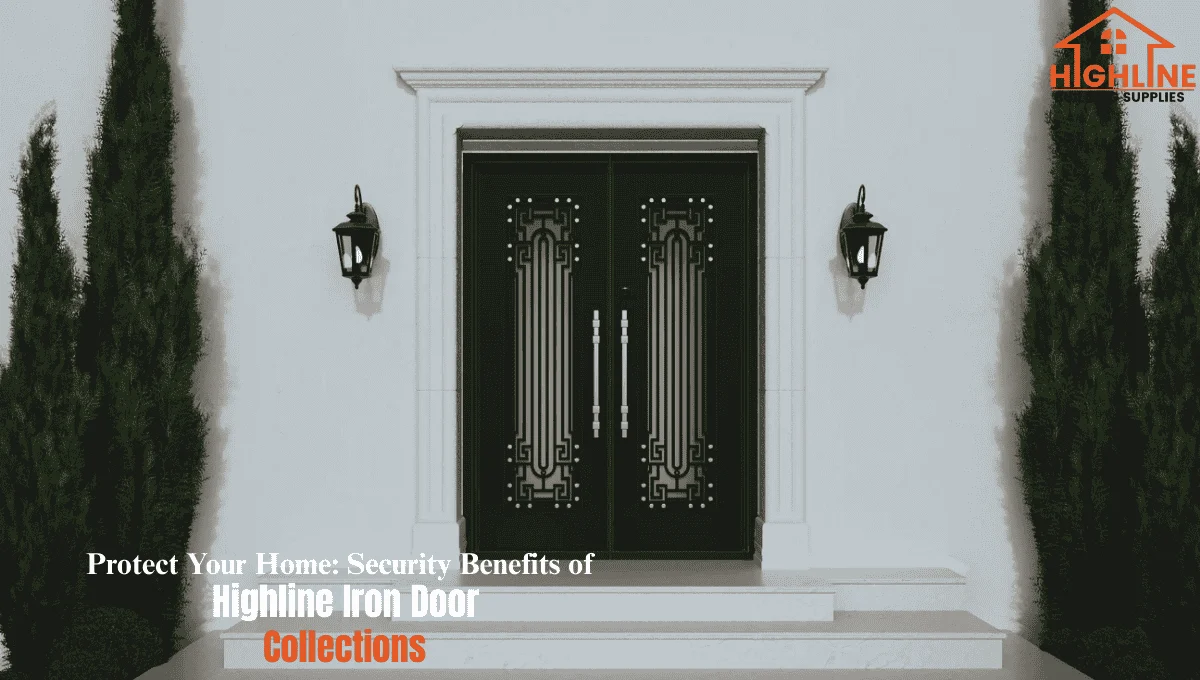
Protect Your Home: Security Benefits of Highline Iron Door Collections

When it comes to home security, many homeowners focus on alarms, cameras, and locks—but often overlook the first line of defense: the front door. Your entryway is more than an aesthetic statement; it’s the gateway to your home’s safety. Highline Building Supplies’ Highline Iron Door Collections combine style, durability, and cutting-edge security features to protect your family while elevating your home’s curb appeal.

In this guide, we’ll explore the practical security benefits of these premium doors, share expert insights, and help you choose the right style for your home.

Why Your Front Door Is Critical to Home Security

A strong door is your home’s first barrier against intruders. Many break-ins occur through weak or easily compromised entry points. Traditional wooden doors, while beautiful, can be vulnerable to forced entry. Highline Iron Door Collections, on the other hand, offer reinforced structures that resist tampering, kick-ins, and environmental damage.

Key Security Advantages:

  • Solid iron core reinforced for strength
  • Multi-point locking mechanisms
  • Shatter-resistant glass panels on 3/4 lite designs
  • Resistant to warping, cracking, and weather damage

By investing in a high-quality iron door, you’re not just upgrading your home’s appearance—you’re actively deterring potential intruders.

Top Security Features in Highline Iron Door Collections

1. Reinforced Iron Construction

Each door in the Highline Iron Door Collections is crafted with heavy-duty wrought iron, offering a strength that traditional doors simply can’t match. Reinforced edges and frames make it extremely difficult for intruders to force entry.

2. Multi-Point Locking Systems

Many models, such as the 3/4 Lite Arched Wrought Iron Double Door, feature multi-point locks that secure the door at several points along the frame. This significantly increases resistance against prying and kicking attempts.

3. Safety-Optimized Glass

Iron doors with glass panels, like the 3/4 lite Texas Star Double Wrought Iron Door or 3/4 lite Texas Star Single Wrought Iron Door, use laminated or tempered glass. This glass is designed to hold together if broken, reducing the risk of injury and preventing easy access for intruders.

4. Weather & Corrosion Resistance

Highline Iron Door Collections are built to withstand extreme weather conditions. Rust-resistant coatings and durable finishes maintain structural integrity, ensuring your door remains secure for decades.

Choosing the Right Iron Door for Your Home

Selecting a door is both an aesthetic and a security decision. Here’s how to match your home’s style and safety needs:

Pro Tip: Always pair iron doors with quality deadbolts, reinforced strike plates, and properly installed frames for maximum protection.

Why Iron Doors Are a Smart Security Investment

From my experience consulting with homeowners across the U.S., investing in an iron door pays dividends beyond aesthetics. Not only does it reduce break-in risks, but it can also:

  • Lower homeowners’ insurance premiums
  • Increase resale value by enhancing curb appeal
  • Provide peace of mind knowing your family is protected

A well-chosen iron door, like those from Highline Building Supplies, is more than a purchase—it’s a long-term security strategy.

Common Mistakes Homeowners Make

Even with a premium iron door, certain mistakes can undermine security:

  1. Improper installation: A poorly fitted frame can compromise strength.
  2. Neglecting maintenance: Rust or loose hardware reduces door integrity.
  3. Weak locks: Single-point locks are less secure than multi-point systems.
  4. Overlooking sidelights and glass panels: Ensure glass is laminated or tempered.
  5. Ignoring frame reinforcement: Even strong doors need a reinforced frame for full protection.

Real Customer Testimonials

Since installing the 3/4 Lite Arched Wrought Iron Double Door, we feel safer, and our home looks incredible. The quality is unmatched.
Sarah J., Austin, TX

Highline Iron Door Collections are worth every penny. The Texas Star Double Door combines beauty and security seamlessly.
Mark L., Dallas, TX

The tempered glass panels are a lifesaver—stylish but strong. I finally feel secure at home.
Emily R., Houston, TX

FAQs About Highline Iron Door Collections

1. Are iron doors more secure than wood doors?
Yes. Reinforced iron doors resist forced entry and last longer under wear and weather conditions.

2. Can I add decorative glass panels without losing security?
Absolutely. Highline doors use laminated or tempered glass to maintain safety while adding natural light.

3. How do I maintain my Highline Iron Door?
Regular cleaning, periodic hardware checks, and rust prevention coatings keep your door secure and attractive.

4. Are these doors energy-efficient?
Yes. Highline Iron Door Collections offer insulated cores that reduce heat loss and enhance energy efficiency.

5. Can I install them myself?
Professional installation is recommended to ensure proper fit, security, and longevity.

Conclusion: Upgrade Your Home Security Today

Your front door is more than a design element—it’s your first line of defense. With Highline Iron Door Collections, homeowners can enjoy elegance, durability, and top-tier security in one package. Whether you’re considering the 3/4 Lite Arched Wrought Iron Double Door or the 3/4 Lite Texas Star Single Wrought Iron Door, Highline Building Supplies offers options that protect your home and elevate your entryway.

Secure your home with style—explore Highline Iron Door Collections today.

See our best collection of flexible trims. Visit this page: How to Choose the Best Flexible Trim in Texas for Curved Walls and Arches

Author Bio

Highline Building Supplies Team
With decades of experience in home improvement and security solutions, our team helps homeowners across the United States select premium doors that combine style, durability, and safety.

sliding windows installation guide for homeowners

Sliding Windows Installation Guide for Homeowners: Start Here

Installing sliding windows can improve ventilation, natural light, and the overall comfort of your home. This sliding windows installation guide for homeowners explains the practical steps, planning considerations, and common mistakes people encounter during installation. Whether you’re upgrading aging windows or planning a renovation project, understanding the process helps ensure your windows perform well for years.

Sliding windows are popular because they open horizontally along a track rather than swinging outward. This makes them ideal for areas where space is limited, such as kitchens, bathrooms, and hallways.

What Are Sliding Windows?

Sliding windows consist of two or more sashes that move horizontally along a track. One or both panels can slide open, depending on the design.

Homeowners typically choose interior & exterior sliding windows for several reasons:

  • Smooth, space-saving operation
  • Large glass area for better natural light
  • Easy ventilation control
  • Simple maintenance compared to hinged windows

Because of these benefits, sliding windows are often installed in modern homes, apartments, and renovation projects.

Why Many Homeowners Choose Sliding Windows

From a practical standpoint, sliding windows solve several common issues homeowners face with traditional window styles.

Key Benefits

Space efficiency

Sliding windows do not require clearance to open, making them ideal for tight areas like walkways or patios.

Improved airflow

Opening one side allows controlled airflow without exposing the entire window opening.

Low maintenance

Fewer moving components mean less wear compared to crank or hinge mechanisms.

Better visibility

Large glass panels provide unobstructed outdoor views.

However, sliding windows also have limitations. Tracks can accumulate debris, and improper installation may cause alignment issues. These factors make proper installation important.

Common Sliding Window Sizes Homeowners Choose

Sliding windows are available in various sizes to fit different wall openings.

Some commonly used options include:

Choosing the correct size depends on your wall opening, structural framing, and the amount of natural light you want.

Tools and Materials Needed for Installation

Before starting the installation process, gather the necessary tools and materials.

Basic tools:

  • Tape measure
  • Level
  • Drill or screw gun
  • Utility knife
  • Caulking gun
  • Shims

Materials:

  • Window flashing tape
  • Exterior-grade sealant
  • Insulation foam
  • Mounting screws

Having these ready before installation helps avoid interruptions during the process.

Step-by-Step Sliding Window Installation Process

1. Measure the Window Opening

Accurate measurements are the most important step.

Measure:

  • Width at the top, middle, and bottom
  • Height on both sides and center
  • Depth of the wall opening

Use the smallest measurement to ensure the window fits properly.

2. Prepare the Opening

Remove the old window if you’re replacing one.

Clean the opening thoroughly:

  • Remove debris and old sealant
  • Inspect the frame for water damage
  • Repair damaged wood if necessary

Applying flashing tape around the opening helps prevent moisture problems later.

3. Dry-Fit the Window

Place the sliding window into the opening temporarily before securing it.

Check for:

  • Proper alignment
  • Level positioning
  • Smooth sliding operation

Adjust with shims if needed.

4. Secure the Window Frame

Once properly aligned:

  • Drill screws through the side mounting holes
  • Avoid over-tightening, which can warp the frame
  • Ensure the window remains level during fastening

This step determines how smoothly the window will operate.

5. Seal the Window

Proper sealing protects the home from drafts and moisture.

Apply:

  • Insulation foam around the frame
  • Exterior caulk along the outside edges
  • Trim or finishing materials if necessary

A well-sealed window improves energy efficiency and prevents long-term damage.

Common Mistakes Homeowners Make

From experience, several issues appear frequently in DIY installations.

Incorrect Measurements

Even small measurement errors can lead to gaps or misalignment.

Skipping Flashing Tape

Flashing protects against water intrusion. Skipping it often leads to leaks.

Over-tightening Screws

Too much pressure can warp the vinyl frame and affect sliding performance.

Ignoring Leveling

A window that isn’t perfectly level will not slide smoothly.

Practical Tips from Experienced Installers

Professionals who regularly install sliding windows often follow a few practical guidelines.

Always measure twice

Accurate measurements prevent expensive replacements.

Use quality sealant

Weather-resistant sealants last longer and protect against moisture.

Clean tracks regularly

Dust and debris can prevent smooth operation over time.

Check insulation

Proper insulation reduces energy loss and improves indoor comfort.

Sliding Windows vs Other Window Types

Many homeowners compare sliding windows with other styles before deciding.

Sliding windows work well when:

  • Space outside the window is limited
  • Easy operation is important
  • Large views are desired

However, in some situations, other options may work better. For example, if ventilation control is a priority, single-hung or double-hung windows might be more suitable.

Homeowners considering alternatives may find this resource helpful:
best single hung replacement windows

Real-World Example: Choosing the Right Sliding Window

A homeowner renovating a kitchen recently needed more natural light without losing cabinet space.

Instead of installing a large fixed window, they chose a INSPIRE VINYL SVS 48×36 sliding window. This provided ventilation when cooking while maintaining a compact frame that fit above the sink.

In living rooms, larger options like INSPIRE VINYL SVS 60×36 often provide better outdoor visibility and lighting.

Customer Experiences

Here are a few real-world experiences homeowners have shared about installing sliding windows.

Daniel M., Homeowner

Installing sliding windows in our kitchen made a noticeable difference in airflow. The horizontal sliding design is much easier to open compared to our old windows.

Rachel S., Renovation Project

We installed sliding windows in our living room renovation. The larger glass panels brought in more natural light than we expected.

Marcus L., DIY Installer

The key lesson I learned was measuring carefully. Once we got the measurements right, installation was actually straightforward.

FAQ:

How difficult is it to install sliding windows?

For experienced DIY homeowners, installation can be manageable. However, it requires accurate measurements, proper sealing, and careful alignment.

How long does sliding window installation take?

Most installations take between 1 and 3 hours per window, depending on whether you are replacing an old window or installing a new opening.

Are sliding windows energy efficient?

Yes, modern vinyl sliding windows with proper sealing and insulation can provide good energy efficiency.

Do sliding windows require a lot of maintenance?

Not much. Regular cleaning of the tracks and occasional lubrication usually keeps them operating smoothly.

Can sliding windows be installed in bathrooms or kitchens?

Yes. Smaller options like INSPIRE VINYL SVS 36×36 are commonly used in these areas because they provide ventilation without taking up extra space.

Final Thoughts

Sliding windows are a practical and versatile option for many homes. They provide natural light, smooth operation, and space efficiency, making them suitable for kitchens, bedrooms, and living rooms.

Following a structured sliding windows installation guide for homeowners helps ensure the installation is done correctly. Careful measurement, proper sealing, and attention to alignment are the most important factors that determine long-term performance.

For homeowners planning renovations, exploring reliable materials, proper installation techniques, and trusted suppliers can make the entire process much smoother.

Author Bio

Highline Supplies Editorial Team

The Highline Supplies editorial team works closely with contractors, builders, and home renovation professionals to create practical guides for homeowners. Their content focuses on real-world building materials, window installation techniques, and renovation insights based on industry experience and customer feedback.

Back to Top

Search For Products

Product has been added to your cart