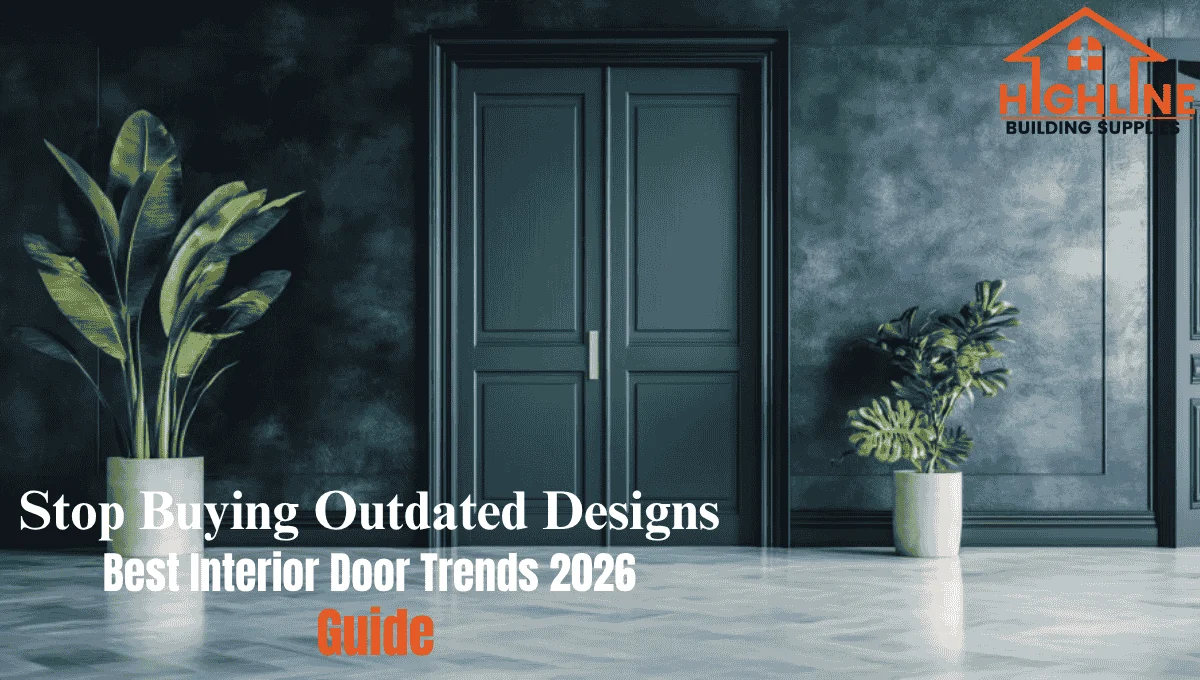
Best Interior Door Trends 2026

Stop Buying Outdated Designs: Best Interior Door Trends 2026 Guide

In 2026, homeowners are paying closer attention to design details—and interior doors are no exception. The best interior door trends 2026 are not just about looks; they focus on functionality, durability, and how a space feels day to day. Yet many people still end up choosing outdated styles that quietly reduce their home’s overall appeal and value.

Why Interior Doors Matter More in 2026

Interior doors used to be an afterthought. Not anymore.

In 2026, they impact:

  • Visual flow between rooms
  • Natural light distribution
  • Sound insulation
  • Overall property value

Expert Insight: Buyers and designers now view doors as part of the home’s design language—not just a utility.

Best Interior Door Trends 2026 You Should Know

Let’s break down what’s actually trending—and what’s worth your investment.

1. Minimalist Flush Doors Are Taking Over

Clean, flat-panel doors with no heavy detailing are dominating modern homes.

Why they work:

  • Fit both modern and transitional interiors
  • Make small spaces feel bigger
  • Pair well with neutral color palettes

Pro Tip: Go for matte finishes like soft white, beige, or light oak tones for a timeless look.

2. Solid Core Interior Doors for Premium Feel

The shift toward Solid Core Interior Door designs is one of the biggest trends in 2026.

Benefits:

  • Better sound insulation
  • Heavier, more luxurious feel
  • Increased durability

In Texas homes, especially open-concept layouts, solid core doors help create quiet, private spaces without sacrificing style.

3. Glass Panel & Light-Enhancing Doors

Natural light is everything in modern homes.

That’s why doors with:

  • Frosted glass panels
  • Full-lite designs
  • Sliding glass inserts

…are becoming more popular.

They:

  • Brighten interiors
  • Reduce the need for artificial lighting
  • Create a seamless flow between rooms

4. Sliding & Space-Saving Door Designs

With rising home prices, maximizing space is critical.

Sliding doors are trending because they:

  • Save floor space
  • Add a modern touch
  • Work great for closets, offices, and pantries

5. Bold Colors & Natural Finishes

White doors are no longer the only option.

Trending colors in 2026:

  • Warm wood tones
  • Matte black
  • Soft greys
  • Earthy neutrals

Expert Tip: In Texas homes, warmer tones work better due to natural sunlight and interior color schemes.

Hollow Core vs Solid Core: What Smart Buyers Choose

This is where most homeowners get confused.

Hollow Core Interior Door

Best for:

  • Budget-friendly projects
  • Low-traffic areas (closets, guest rooms)

Pros:

  • Affordable
  • Lightweight
  • Easy to install

Cons:

  • Less durable
  • Poor sound insulation

Solid Core Interior Door

Best for:

  • Bedrooms
  • Offices
  • High-traffic areas

Pros:

  • Strong and durable
  • Better noise reduction
  • Premium feel

Cons:

  • Higher cost

Real Insight: Most homeowners in 2026 use a mix—solid core for main rooms, hollow core for secondary spaces.

How to Choose the Right Interior Door in 2026

Here’s a practical approach based on real projects:

Match Your Home Style

  • Modern → Flush or glass panel doors
  • Traditional → Paneled solid core doors

Prioritize Function First

Ask:

  • Do you need soundproofing?
  • Is space limited?
  • Will the door get heavy use?

Think Long-Term

Cheap doors may save money upfront but cost more over time.

Invest in quality where it matters most.

What Professionals Recommend

After working with homeowners and builders, here’s what stands out:

  • Don’t follow trends blindly — choose what fits your home
  • Consistency matters — mismatched doors ruin flow
  • Hardware is underrated — handles and hinges can elevate the entire look

Pro Tip: Black or brushed nickel hardware is trending in 2026.

Common Mistakes to Avoid

Avoid these costly errors:

Choosing Style Over Function
A beautiful door that doesn’t insulate sound or fit properly becomes frustrating.

Ignoring Door Thickness
Thin doors feel cheap and reduce durability.

Not Measuring Properly
Incorrect sizing leads to installation issues and extra costs.

Mixing Too Many Styles
Stick to one cohesive theme throughout your home.

Real Customer Experiences

We upgraded to solid core doors in our bedrooms—huge difference in noise reduction.
— James R., Dallas

Switched to modern flush doors and it instantly made our home look more expensive.
— Lisa M., Austin

Used hollow core for closets and solid core for main rooms—saved money without compromising quality.
— Daniel K., Houston

People Also Ask (PAA)

What are the best interior door trends in 2026?
Minimalist flush doors, solid core doors, and glass panel designs are among the top trends.

Are solid core doors worth it in 2026?
Yes, they offer better durability, sound insulation, and a premium feel.

Where should I use hollow core interior doors?
They’re ideal for closets, pantries, and low-traffic areas.

What color interior doors are trending in 2026?
Warm wood tones, matte black, and neutral shades are popular choices.

Do interior doors increase home value?
Yes, high-quality, modern doors improve both aesthetics and resale value.

Final Thoughts: Choose Smart, Not Just Trendy

The best interior door trends 2026 aren’t about chasing what’s popular—they’re about making smart, lasting choices that improve how your home looks and feels.

If you’re upgrading or building in Texas, choosing the right supplier makes all the difference.

Highline Building Supplies offers a wide range of high-quality interior doors—from budget-friendly options to premium solid core designs—helping you get the perfect balance of style, durability, and price.

Make the upgrade today and transform your home with doors that truly stand out.

See our exclusive collection of interior trims, visit this page: What to Look for Before You Buy Interior Trim Online in Texas

Author Bio

Highline Building Supplies is a trusted provider of premium building materials in Texas. With hands-on industry experience, the team specializes in interior doors, trim, and home solutions designed for durability, style, and long-term value.

smart flooring solutions for homes

Smart Flooring Solutions for Homes: What You Need to Know

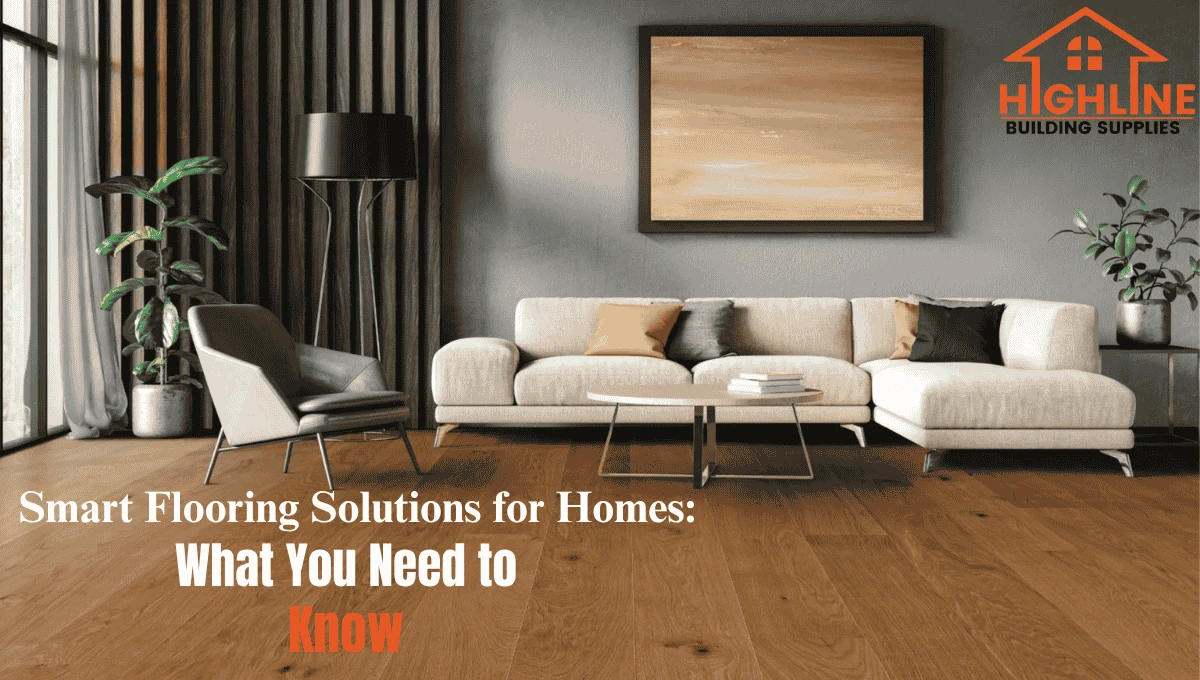
Choosing the right floor has become a much bigger decision than just picking a color or finish. Today, smart flooring solutions for homes are all about combining style, durability, easy maintenance, and long-term value. Whether you’re planning a full flooring renovation, updating one room, or comparing materials for a new build, the right flooring can change how your home looks, feels, and functions every day.

Homeowners often focus on appearance first and that’s understandable. But in real projects, the best flooring decisions come down to how a space is actually used. A beautiful floor that scratches easily, shows every footprint, or struggles with moisture usually becomes a regret purchase. The smarter approach is choosing flooring that works for your lifestyle, room conditions, and budget.

What “Smart Flooring” Really Means

Smart flooring doesn’t necessarily mean high-tech flooring. In most homes, it means choosing materials and layouts that solve everyday problems while still looking great.

A smart flooring choice usually does four things:

  • Handles daily wear without constant upkeep
  • Fits the style of the home without dating quickly
  • Performs well in the room it’s installed in
  • Delivers long-term value, not just short-term appeal

That’s why many homeowners today lean toward practical materials like vinyl flooring, modern large-format tile, and low-maintenance plank systems instead of options that require more upkeep than expected.

Why Flooring Matters More Than Most Homeowners Expect

Flooring affects far more than appearance. It changes how a room sounds, how easy it is to clean, how warm it feels underfoot, and even how connected the whole home feels visually.

A strong flooring plan can help you:

  • Make smaller rooms feel larger
  • Improve flow between open-concept spaces
  • Reduce maintenance in high-traffic areas
  • Support resale appeal with timeless finishes
  • Tie together walls, doors, trim, and cabinetry

In many remodels, flooring is the surface people live with most—but plan for least. That’s where mistakes usually begin.

Best Smart Flooring Solutions for Different Rooms

Not every flooring material belongs in every room. One of the most common renovation mistakes is choosing the same surface for the whole house without thinking through moisture, wear, sunlight, or noise.

Living Rooms and Open Areas

These spaces need flooring that looks polished but can handle heavy foot traffic, pets, and furniture movement.

Good choices include:

  • Luxury vinyl plank
  • Engineered wood-look surfaces
  • Durable low-porosity tile
  • Wide plank finishes for a more open look

If you’re exploring practical and attractive options, browse vinyl plank flooring for styles that balance performance with design.

Kitchens

Kitchens demand flooring that can handle spills, dropped items, and constant use.

Best-fit options:

  • Waterproof vinyl flooring
  • Slip-conscious tile flooring
  • Easy-clean matte finishes
  • Medium-tone surfaces that hide dust and crumbs better

Bathrooms and Laundry Areas

These are moisture-prone zones, so appearance should never come before water resistance.

Best choices:

  • Luxury vinyl tile or plank
  • Porcelain tile flooring
  • Water-resistant click systems
  • Textured finishes for better traction

Bedrooms

Bedrooms are usually lower traffic, which gives you more freedom to prioritize comfort and style.

Good flooring ideas:

  • Warm wood-look planks
  • Softer underfoot vinyl systems
  • Quiet flooring with acoustic backing
  • Neutral finishes that age well with changing decor

Vinyl Flooring vs. Tile Flooring: What Works Best?

This is one of the most common questions homeowners ask during a remodel—and the answer depends on your priorities.

Vinyl Flooring: A Practical Favorite

Vinyl flooring has become one of the smartest choices for modern homes because it solves several real-life issues at once.

Why homeowners choose it:

  • Easier underfoot than hard tile
  • Better comfort in kitchens and family spaces
  • Often faster and simpler for flooring installation
  • Water-resistant or waterproof in many formats
  • Lower maintenance for busy households

For example, products like Amber Escape Luxury Vinyl Tile And Plank 6 mm are often chosen for homes that need durability without sacrificing a clean, modern finish.

If you want something slightly lighter or more transitional in tone, Arbor Terrace Luxury Vinyl Tile And Plank 4.5 mm fits especially well in airy interiors and open-plan layouts.

And for homeowners who need a balanced, versatile option that works across multiple rooms, Explorer’s Cove Luxury Vinyl Tile And Plank 5 mm is the kind of surface that tends to perform well in real family spaces.

Tile Flooring: Strong, Clean, and Long-Lasting

Tile flooring remains a smart option when moisture, longevity, and surface hardness matter most.

Where tile works best:

  • Bathrooms
  • Entryways
  • Mudrooms
  • Laundry rooms
  • High-moisture kitchens

What to know before choosing tile:

  • It can feel colder underfoot
  • Grout lines need occasional care
  • Hard surfaces can be less forgiving if you stand for long periods
  • Installation often takes more prep and labor than vinyl

In practice, many homeowners now mix both materials—tile where water exposure is highest, and luxury vinyl in main living spaces.

What Actually Makes a Flooring Design Look “Modern”

A lot of people search for modern flooring designs but end up focusing only on color trends. In reality, modern flooring is more about restraint, consistency, and proportion than chasing what’s popular this year.

Smart modern flooring choices usually include:

  • Wider planks instead of busy narrow layouts
  • Matte or low-sheen finishes
  • Natural oak, taupe, greige, and warm neutral tones
  • Fewer abrupt flooring changes from room to room
  • Surfaces that complement trim, doors, and wall color

If you’re updating more than just floors, your materials should work together. For example, flooring choices often look stronger when coordinated with interior architectural elements like doors and trim. If you’re planning a broader refresh, this guide on best solid core interior doors is worth reading alongside your flooring decisions.

Stylish Flooring Ideas That Also Make Sense

The best stylish flooring ideas aren’t always the boldest ones. The smartest ones are usually the finishes that still look good five to ten years later.

Flooring ideas that tend to age well:

  • Mid-tone wood looks instead of extreme dark or pale finishes
  • Consistent flooring across common areas
  • Soft texture instead of glossy shine
  • Warm neutrals over trendy gray-only palettes
  • Large-format visuals that reduce visual clutter

A common design mistake is choosing a floor that looks dramatic in a showroom but feels too busy in a lived-in home. Flooring should support the room—not overpower it.

Flooring Installation: What Homeowners Usually Get Wrong

This is where many otherwise good flooring choices fail.

People often spend weeks choosing a product and almost no time thinking about subfloor condition, transitions, expansion space, or room prep. But those details are what determine whether your floor still looks good in two years.

Before any flooring installation, check these first:

  • Is the subfloor level and dry?
  • Is the material rated for this room?
  • Will door clearances and transitions still work?
  • Does the flooring need acclimation time?
  • Are baseboards or trims staying or being replaced?

Real-world installation tip:

A beautiful plank or tile won’t perform properly over an uneven subfloor. Many squeaks, shifting issues, edge lift problems, and premature wear start underneath—not on the visible surface.

If you’re doing a larger flooring renovation, installation planning matters just as much as the material itself.

Common Flooring Mistakes to Avoid

Homeowners usually don’t make flooring mistakes because they’re careless—they make them because they choose based on one factor only.

The most common mistakes include:

  • Picking color before performance
  • Using the same flooring in moisture-heavy and dry rooms without checking specs
  • Choosing glossy finishes that show every mark
  • Ignoring underlayment and sound control
  • Underestimating how lighting changes the appearance of flooring
  • Matching flooring too closely to cabinetry or wall paint

What works better:

Bring samples home, look at them in morning and evening light, and compare them next to your walls, trim, and furniture—not just in the store.

Real-World Flooring Scenarios Homeowners Face

Scenario 1: Busy Family Home

A family with kids and pets usually needs scratch resistance, water tolerance, and easy cleanup more than delicate natural materials.

Best fit: luxury vinyl plank or durable tile in select zones

Scenario 2: Open-Concept Remodel

A homeowner updating kitchen, dining, and living areas needs visual continuity more than room-by-room style changes.

Best fit: one plank style across connected spaces

Scenario 3: Rental or Resale Upgrade

The goal here is durability and broad appeal—not highly personal design choices.

Best fit: neutral wood-look flooring with easy maintenance

Scenario 4: Bathroom and Laundry Upgrade

Moisture protection matters more than trend-driven design.

Best fit: waterproof plank or porcelain tile

How to Choose the Right Flooring for Your Home

If you feel overwhelmed, simplify the decision with this order:

Ask these questions first:

  1. How much wear will this room get?
  2. Will it face water, humidity, or spills often?
  3. Do I want low maintenance or premium natural materials?
  4. Will this flooring connect to other rooms?
  5. Am I choosing for lifestyle, resale, or both?

Then narrow by:

  • Durability
  • Maintenance
  • Style compatibility
  • Installation complexity
  • Budget over time—not just purchase price

That usually leads to a better result than starting with color alone.

What Highline Supplies Gets Right

One reason homeowners and remodelers rely on Highline Supplies is simple: good material choices come from understanding how products perform in real spaces—not just how they look in photos.

The team’s broader focus on doors, windows, trim, and flooring also matters. In real renovations, surfaces don’t exist in isolation. Floors need to work with thresholds, door swings, trim profiles, light levels, and room transitions. That kind of practical perspective usually leads to better outcomes than shopping one finish at a time.

Short Homeowner Testimonials

We almost chose a darker floor, but after seeing samples at home, we went with a warmer vinyl plank and it was the right call. It hides wear much better. — Mariam T.

Our old floor looked good for six months and then showed every scratch. This time, we prioritized durability first and the difference is huge. — James R.

The best advice we got was to think room by room instead of trying to force one material everywhere. — Nadia K.

FAQ:

  1. What is the best smart flooring for homes?

For most households, luxury vinyl plank is one of the most practical options because it balances durability, comfort, water resistance, and style.

  1. Is vinyl flooring better than tile flooring?

It depends on the room. Vinyl often feels warmer and easier to maintain, while tile performs especially well in wet areas like bathrooms and laundry rooms.

  1. How long does flooring installation usually take?

A single room can often be completed in a day or two, but larger projects or prep-heavy jobs may take longer depending on the material and subfloor condition.

  1. What flooring is best for homes with pets?

Scratch-resistant vinyl plank, textured tile, and low-maintenance waterproof surfaces are usually the safest and most practical choices.

  1. What flooring style adds the most value?

Timeless, neutral, durable flooring tends to add the most value because it appeals to more buyers and performs better over time.

  1. Is flooring renovation worth it before selling a home?

In many cases, yes. Worn, dated, or mismatched flooring can make an otherwise good home feel neglected. Clean, modern flooring usually improves first impressions.

Final Thoughts

The smartest flooring decisions aren’t the flashiest ones they’re the ones that still work well after daily life happens on top of them. The best floor for your home should handle traffic, fit your design style, and make maintenance easier, not harder.

If you’re planning a remodel, focus on performance first, style second, and installation quality throughout. That’s usually what separates a floor that looks good for a season from one that truly works for years.

Author Bio

Written by the Highline Supplies Editorial Team
The Highline Supplies editorial team works closely with real-world home improvement materials, including flooring, doors, windows, and trim. Their content is shaped by practical renovation knowledge, product selection experience, and the everyday questions homeowners ask before making a purchase.

Buy Interior Trim Online in Texas

What to Look for Before You Buy Interior Trim Online in Texas

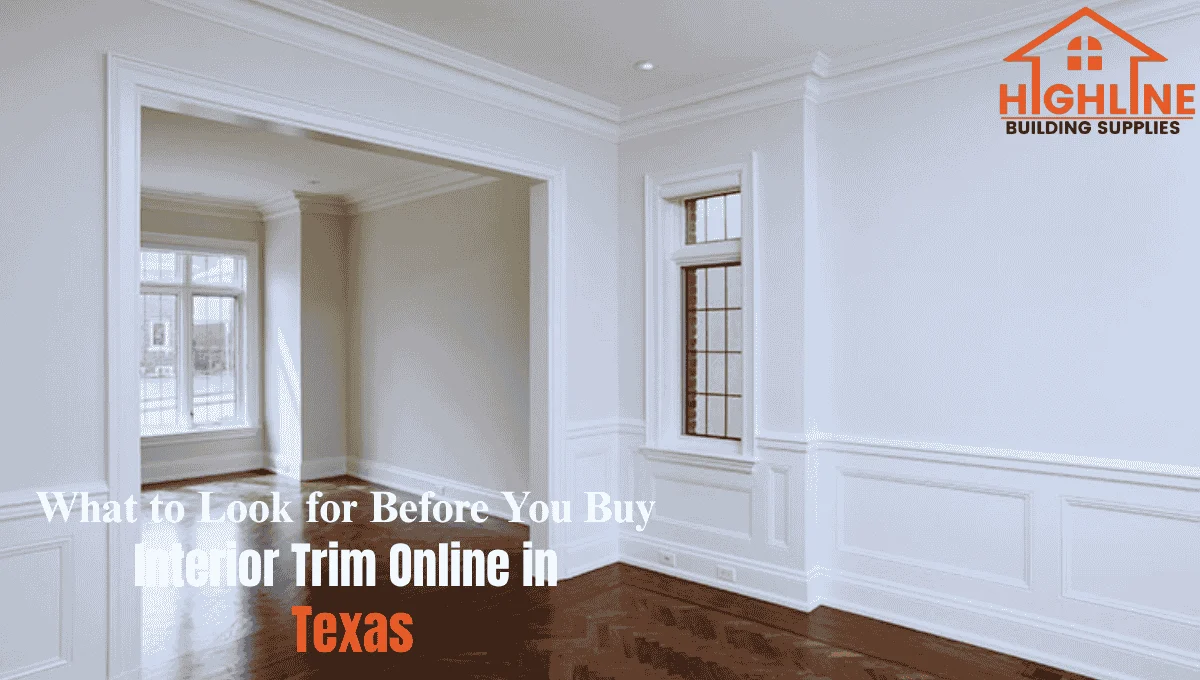
When homeowners plan a renovation, many overlook one crucial detail—interior trim. Yet, it’s often the finishing touch that defines the entire look of a space. If you’re planning to buy interior trim online in Texas, making the right choice upfront can save you from costly mistakes, poor-quality materials, and installation headaches. With so many options available online, knowing exactly what to look for can make all the difference between a smooth project and a frustrating experience.

Why Buying Interior Trim Online in Texas Requires Extra Attention

Texas homes face unique conditions—heat, humidity, and seasonal expansion. That means not all trim materials perform the same way.

From years of working with builders and remodelers, one thing is clear:

The cheapest option online is rarely the best long-term choice.

When you buy interior trim online in Texas, you’re not just choosing a product—you’re choosing durability, finish quality, and installation ease.

1. Choose the Right Material for Texas Climate

Not all trim materials behave the same. This is one of the most common mistakes buyers make.

MDF (Medium-Density Fiberboard)

Products like Trim 1X2X16 MDF Primed MDF1216P are popular for a reason:

  • Smooth, consistent finish
  • Pre-primed for easy painting
  • Budget-friendly

Expert Insight: MDF works great for interior spaces with stable humidity (living rooms, bedrooms). But avoid using it in moisture-prone areas like bathrooms unless sealed properly.

Flexible Trim Options

For curved walls or custom designs, products like:

These are game-changers.

Pro Tip: Flexible trim saves hours of labor on curved installations and reduces material waste. Contractors often prefer it for custom builds.

2. Always Check Dimensions & Profiles Carefully

This sounds obvious—but it’s one of the biggest sources of returns.

Before you buy interior trim online in Texas:

  • Confirm thickness (not just width/length)
  • Check profile style (modern vs traditional)
  • Match existing trim if renovating

Real Experience Tip: Even a ¼-inch mismatch can ruin the visual flow of a room.

3. Look for Pre-Primed vs Raw Finish

Not all trim comes ready to paint.

Pre-Primed Trim

  • Saves time on installation
  • Ensures even paint absorption
  • Ideal for DIY homeowners

Raw Wood Trim

  • More customization options
  • Requires sanding and priming

Contractor Advice: If you’re ordering online, pre-primed trim reduces risk. You can install faster and get a cleaner finish.

4. Evaluate Supplier Quality & Consistency

This is where most online buyers go wrong.

A product may look great in photos—but what matters is:

  • Consistency across batches
  • Straightness of boards
  • Packaging quality

What to check:

  • Customer reviews
  • Product specifications
  • Return policies

When you buy interior trim online in Texas, always choose a supplier known for reliable quality—not just low prices.

5. Understand Delivery & Handling

Trim is long, delicate, and easy to damage during shipping.

Before placing an order:

  • Check delivery timelines
  • Ask about protective packaging
  • Confirm replacement policy for damaged goods

Pro Insight: Experienced suppliers package trim with reinforced edges to prevent bending or cracks during transport.

6. Match Trim Style with Your Home Design

Interior trim isn’t just functional—it defines your home’s style.

Popular Texas Styles:

  • Modern: Clean, flat profiles
  • Traditional: Detailed molding and curves
  • Farmhouse: Wider, simple boards

Expert Tip: Don’t mix too many styles. Consistency across baseboards, door casings, and crown molding creates a premium look.

7. Compare Price vs Long-Term Value

Low-cost trim may seem attractive—but here’s the reality:

Cheap trim often leads to:

  • Warping over time
  • Poor paint finish
  • Higher replacement costs

Smart Buyer Strategy:
Invest slightly more upfront for:

  • Better durability
  • Cleaner installation
  • Long-term savings

Expert Insights from Industry Professionals

From working with contractors across Texas, here are a few insider tips:

  • Order 10–15% extra material to account for cuts and waste
  • Always inspect trim immediately after delivery
  • Store trim indoors before installation to avoid moisture damage
  • Use high-quality adhesive and fasteners for better results

These small steps can make a big difference in your final outcome.

Common Mistakes to Avoid

Before you buy interior trim online in Texas, avoid these costly errors:

  • Ignoring material suitability for Texas climate
  • Ordering incorrect sizes without measuring properly
  • Choosing cheapest option without checking quality
  • Not accounting for shipping damage risks
  • Mixing different trim styles in one space

Avoiding these mistakes can save both time and money.

Customer Testimonials

James R., Dallas, TX
I ordered flexible trim for a curved wall project, and it saved my contractor hours. The finish came out perfect.

Maria L., Houston, TX
Pre-primed MDF trim made painting so much easier. I’d never go back to raw wood for interior projects.

Chris D., Austin, TX
I learned the hard way that cheap trim isn’t worth it. Investing in quality made a huge difference in durability.

People Also Ask (PAA)

What is the best material for interior trim in Texas?
MDF is great for most interiors, while flexible trim works best for curved designs. Choose based on location and moisture exposure.

Is it safe to buy interior trim online?
Yes, if you choose a reliable supplier and check reviews, specifications, and return policies.

How do I measure interior trim before buying?
Measure wall lengths carefully and add 10–15% extra for cuts and waste.

What is pre-primed trim?
Pre-primed trim comes ready for painting, saving time and ensuring a smoother finish.

How much does interior trim cost in Texas?
Costs vary depending on material and quality, but investing in durable trim reduces long-term expenses.

Final Thoughts: Make a Smart Buying Decision

Choosing the right trim isn’t just about looks—it’s about durability, ease of installation, and long-term value.

When you buy interior trim online in Texas, focus on:

  • Material quality
  • Accurate sizing
  • Reliable suppliers
  • Practical installation benefits

At Highline Building Supplies, we understand what Texas homeowners and contractors need. Our carefully selected trim products are designed to deliver durability, consistency, and professional results—whether you’re renovating a single room or building an entire home.

Make your next project easier—choose quality trim you can trust.

See our exclusive collection of solid-core internal doors, visit this page: Top Styles of Solid-Core Internal Doors Popular in Texas Homes

Author Bio

Highline Building Supplies is a trusted provider of premium building materials in Texas, helping homeowners and contractors achieve high-quality results with reliable products and expert support.

best solid core interior doors

Best Solid Core Interior Doors: What Smart Buyers Choose

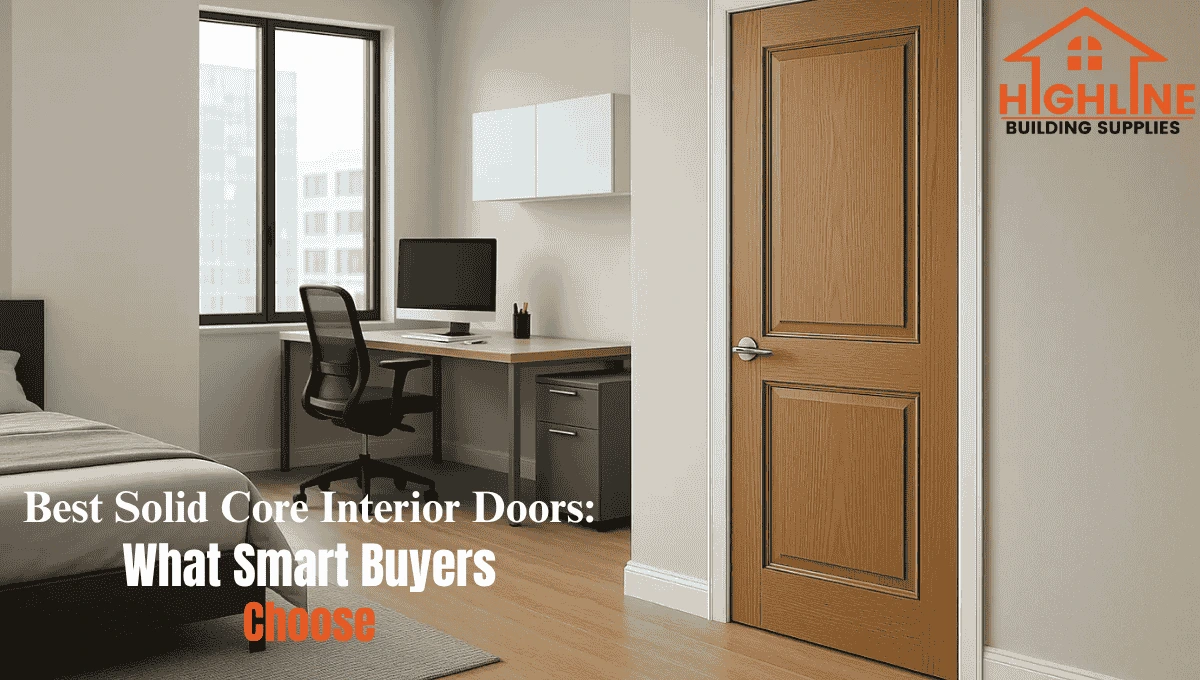
3.When homeowners start comparing interior doors, they usually focus on style first and performance second. That’s understandable—but it’s often backwards. The best solid core interior doors do much more than complete a room visually. They help control noise, improve privacy, feel more substantial in daily use, and hold up better over time than many lightweight alternatives.

For smart buyers, the right door is not just about what looks good in a showroom. It’s about how that door performs after months and years of opening, closing, cleaning, repainting, and living with it. Whether you’re renovating a single bedroom, upgrading a home office, or replacing every interior slab in the house, knowing what actually matters can save you money, frustration, and rework.

This guide breaks down what solid core interior doors are, how to choose the right one, where buyers often make mistakes, and what experienced installers and remodelers usually look for before placing an order.

What Is a Solid Core Interior Door?

A solid core interior door is an interior door built with a dense engineered core rather than a hollow cardboard-style interior. It is not the same as a fully solid wood door, but it delivers many of the benefits people actually care about in everyday residential use.

Most solid core doors are made with:

  • An engineered wood or composite core
  • A veneer, MDF, or finished outer skin
  • A heavier, more durable structure than hollow core doors

In practical terms, that means they feel sturdier in your hand, close with a more substantial sound, and typically perform better in areas where privacy matters.

Why buyers choose them

Most people upgrade to solid core doors for one or more of these reasons:

  • Better sound reduction between rooms
  • Improved privacy for bedrooms and offices
  • A more premium, finished feel
  • Better resistance to dents and daily wear
  • Stronger long-term value in renovations

If you have ever shut a flimsy interior door and immediately noticed the “empty” sound, you already understand the appeal of solid core construction.

Why Smart Buyers Prefer Solid Core Over Hollow Core

Many buyers don’t start out wanting “premium” doors. They simply get tired of lightweight doors that feel cheap, swing too easily, dent quickly, and do little to block noise.

That’s where solid core makes the difference.

  1. They feel better every single day

This may sound minor until you live with them.

A quality solid core door:

  • Opens and closes with more stability
  • Feels less rattly in the frame
  • Usually sits better in the opening when installed properly
  • Gives the room a more finished, intentional feel

It’s one of those upgrades that homeowners notice daily, even if guests can’t immediately explain why the house feels more refined.

  1. They reduce sound better

This is one of the biggest real-world reasons people switch.

No interior door will make a room fully soundproof, but solid core doors can make a noticeable difference for:

  • Bedrooms
  • Nurseries
  • Home offices
  • Bathrooms
  • Media rooms
  • Shared living spaces

If someone in your house works remotely, studies late, naps during the day, or simply values quiet, this upgrade is often worth it.

  1. They hold up better to wear

In busy homes, interior doors take a lot of abuse:

  • Bags bump into them
  • Kids slam them
  • Pets scratch them
  • Furniture clips corners during moves

A stronger core helps many doors resist everyday wear better than lightweight hollow alternatives.

Are Solid Core Doors Worth the Extra Cost?

In many homes, yes.

But the real answer depends on where you’re using them.

Usually worth it in:

  • Primary bedrooms
  • Home offices
  • Bathrooms
  • Laundry rooms
  • Dens
  • Guest rooms
  • Hallways near living spaces

Sometimes less essential in:

  • Low-use closets
  • Utility storage spaces
  • Secondary pantry enclosures

A smart approach is not always “solid core everywhere.” Sometimes the best strategy is using them where comfort, privacy, and daily use matter most, then saving lighter options for lower-priority openings.

That’s one reason many homeowners compare them alongside lighter alternatives before making a whole-house decision. If you’re weighing the tradeoff, this guide on when homeowners buy hollow core door online can help clarify where each option makes sense.

What Actually Makes One Door Better Than Another?

A lot of buyers assume all solid core doors are basically the same. They aren’t.

Here’s what experienced remodelers and careful homeowners usually evaluate first.

1. Core Quality and Construction

Not all “solid-feel” doors are built equally.

Some lower-grade products may technically be denser than hollow core, but still fall short in consistency, edge strength, or finish quality.

What to look for:

  • Consistent, well-finished surfaces
  • Clean edges
  • Stable slab construction
  • Good weight without feeling poorly balanced
  • A finish-ready or prefinished surface that matches your project

What people often get wrong:

Many buyers focus only on style photos and ignore slab quality until delivery day. That’s too late.

Before ordering, confirm:

  • Door thickness
  • Door swing options
  • Bore prep
  • Slab vs prehung configuration
  • Finish compatibility
  • Trimmability, if needed

This matters especially in remodels where older openings are not perfectly square.

2. Door Style Should Match the Home, Not Just the Trend

A beautiful door can still look wrong if it clashes with the rest of the house.

Smart buyers choose a door style that works with:

  • Existing trim
  • Baseboards
  • wall color
  • flooring tone
  • cabinet profile
  • overall architecture

Popular styles that work well in modern and transitional homes

Shaker doors

Shaker-style doors are among the safest and most versatile choices because they look clean without feeling cold or overly trendy.

They work well in:

  • Modern homes
  • Farmhouse interiors
  • Transitional remodels
  • Minimalist spaces
  • New construction

Depending on the visual depth and room style, buyers often compare profiles such as:

The difference may seem small online, but panel count changes the visual rhythm of a hallway or room transition more than many buyers expect.

Flat and flush modern profiles

These work especially well in:

  • Contemporary homes
  • Clean-lined renovations
  • Spaces with minimalist trim details

Traditional panel styles

These are better suited for:

  • Colonial homes
  • Craftsman-inspired interiors
  • More formal room layouts

A smart buyer doesn’t just ask, “What’s popular?” They ask, “What will still look right in five years?”

3. Sound Control: What Solid Core Doors Can and Can’t Do

This is where expectations matter.

Solid core doors are often chosen for noise reduction, but many homeowners overestimate what the slab alone can do.

1. What they can do well:
  • Reduce conversation bleed between rooms
  • Muffle TV and gaming noise
  • Improve office privacy
  • Cut down on hallway noise
2. What they cannot do alone:
  • Fully soundproof a room
  • Block noise if the door has large undercuts
  • Fix gaps around a poorly installed frame
  • Replace acoustic wall or ceiling treatment
3. What actually works better in real homes:

If sound control is your top priority, combine a solid core slab with:

  • Proper weatherstripping where appropriate
  • Tighter reveals
  • A good threshold or sweep when applicable
  • Quality latch alignment
  • Correct jamb fit

A heavy door installed badly will still underperform.

That’s one of the most common mistakes homeowners make.

4. Where Solid Core Doors Make the Biggest Difference

Not every room benefits equally.

Here’s where smart buyers usually prioritize them first.

Bedrooms

Bedrooms are one of the best places to use solid core doors because they improve:

  • Privacy
  • Sleep quality
  • Noise separation
  • Overall comfort

Home offices

Remote work changed what buyers expect from interior spaces. A better office door can reduce interruptions and create a more focused environment.

Bathrooms

Bathrooms benefit from both privacy and a more substantial feel. In humid spaces, surface quality and finishing also matter.

Laundry rooms

A heavier door can help reduce machine noise traveling into hallways or adjacent living areas.

Shared family areas

Playrooms, dens, and bonus rooms often become quieter and more usable with better interior door separation.

5. Common Buyer Mistakes to Avoid

This is where experience matters most. Many interior door problems are avoidable.

Mistake #1: Choosing by photo only

A good-looking product image does not tell you:

  • How the door feels
  • How it closes
  • Whether it fits your frame conditions
  • Whether it suits your trim package

Mistake #2: Ignoring door swing and room layout

Buyers often forget to think through:

  • Which way the door opens
  • Whether it blocks furniture
  • Whether it interferes with switches or vents
  • How it affects hallway traffic

Mistake #3: Measuring only slab width

A successful order depends on more than rough width and height.

Always confirm:

  • Finished opening size
  • Jamb depth
  • Hinge prep
  • Bore location
  • Floor height changes
  • Existing trim conditions

Mistake #4: Assuming all solid core doors are “quiet”

A solid core slab helps, but poor installation, big floor gaps, or loose hardware can undermine performance.

Mistake #5: Overlooking style consistency

A modern slab in one room and a traditional raised panel in another can make a home feel patched together.

Consistency matters more than buyers often realize.

6. Best Practices Before You Buy

If you want fewer headaches and better long-term results, this is the checklist worth following.

Before ordering, confirm:

  • Exact room count
  • Door handing
  • Door width and height
  • Slab or prehung requirement
  • Trim style compatibility
  • Finish or paint plan
  • Hardware prep
  • Hinge finish coordination

If you’re renovating an older home:

Be extra careful.

Older homes often have:

  • Out-of-square frames
  • Uneven floors
  • Nonstandard openings
  • Previous trim modifications

In those cases, a “simple door swap” often turns into a fitting and adjustment project. Experienced installers know this upfront. Many first-time buyers do not.

7. How to Choose the Right Style for Your Home

A smart buyer doesn’t choose a door in isolation. They choose it as part of the room.

Ask these practical questions:

  • Do I want the door to stand out or blend in?
  • Is my home more modern, classic, or transitional?
  • Do I want cleaner lines or more detail?
  • Will I repaint these later?
  • Do all visible doors need to match?

A useful design rule:

If your trim and cabinetry are simple, a cleaner shaker or flat profile usually works best.

If your home already has layered millwork and more traditional details, a more defined panel profile may fit better.

For homeowners exploring style-led options, browsing dedicated collections like solid core interior doors can help narrow the visual direction before making final sizing and install decisions.

How Interior Door Decisions Connect to Exterior Door Buying

This may seem unrelated, but smart homeowners often think about interior and exterior doors at the same time—especially during full-home upgrades or new construction.

That’s where style consistency and buying strategy matter.

Even if your immediate project is interior, buyers often start asking bigger questions like:

  • Where’s the best place to buy exterior doors when I’m ready for the front entry?
  • What should I know before comparing exterior doors for sale online?
  • How do I evaluate residential exterior doors for curb appeal and performance?
  • What should be included in an exterior door buying guide?
  • How do I compare best exterior door suppliers without overpaying?
  • What’s the difference between standard entry slabs and full exterior entry doors systems?

These are smart questions because interior and exterior door decisions often overlap in finish quality, style, color direction, hardware coordination, and overall home design planning.

In real renovation projects, buyers who think holistically usually end up with better-looking results than those who choose every door separately and reactively.

What Smart Buyers Usually Prioritize Most

After all the comparisons, most experienced buyers come back to the same shortlist:

They want doors that are:

  • Quiet
  • Durable
  • Visually consistent
  • Easy to live with
  • Worth installing once

That’s really the heart of the decision.

The best door is not necessarily the most expensive one. It’s the one that fits your home, performs where you need it to, and doesn’t become a source of regret six months later.

That’s what separates impulse buying from smart buying.

Real-World Buyer Scenarios

Here are a few common situations where solid core doors are usually the better call.

Scenario 1: A homeowner working from home

They need:

  • Better sound control
  • A more private office
  • A door that feels professional and substantial

Best move: prioritize office and bedroom upgrades first.

Scenario 2: A family renovating a hallway

They need:

  • Matching style across multiple openings
  • Better durability for high traffic
  • A cleaner, updated look

Best move: choose one profile and keep it consistent across visible sightlines.

Scenario 3: A homeowner replacing builder-grade doors

They want:

  • Better quality without going overboard
  • Improved feel and function
  • A more finished interior overall

Best move: upgrade the most-used rooms first if doing the whole house at once isn’t practical.

Quick Expert Tips That Save Buyers Trouble

These are the kinds of small details that often matter more than marketing claims.

  • Order one style, not five. Consistency usually looks more expensive.
  • Don’t guess measurements. Confirm every opening.
  • Think beyond the slab. Hardware, hinges, and install quality matter.
  • Prioritize sound-sensitive rooms first.
  • Choose for your home’s architecture, not social media trends.
  • Expect weight. Heavier doors may require better hinge support and cleaner install work.

These are the details professionals think about before ordering—not after.

FAQ:

Are solid core interior doors better than hollow core doors?

In many homes, yes. They usually provide better sound reduction, more privacy, and a more substantial feel. Hollow core doors can still make sense for low-use closets or budget-focused projects.

Do solid core doors reduce noise?

Yes, they usually reduce noise better than hollow core doors. They won’t fully soundproof a room, but they can noticeably improve privacy and cut down on sound transfer.

Are solid core doors worth the extra money?

They often are—especially for bedrooms, bathrooms, home offices, and shared living spaces where comfort and noise control matter.

What is the best style for modern homes?

Simple shaker and flat-panel designs are among the most versatile choices for modern and transitional interiors.

Can solid core interior doors be painted?

Yes, many can be painted depending on the surface material and finish prep requirements. Always check the product specifications before painting.

Are solid core doors too heavy for older homes?

Not necessarily, but older frames may need adjustment. The door itself is not usually the problem—it’s the condition of the opening, hinges, and alignment.

Should all interior doors in a home match?

In most cases, yes. Matching visible doors creates a cleaner, more intentional look throughout the home.

Do solid core doors increase home value?

They can improve perceived quality and everyday livability, which often helps a home feel more finished and upgraded to buyers.

What Homeowners Say

We replaced the bedroom and office doors first, and the difference in noise was immediate. I wish we had done it sooner.
Melissa R., Home Renovation Project

The biggest surprise was how much better the whole hallway looked once all the door styles matched.
Jason T., Interior Remodel

I originally thought all interior doors were basically the same. They’re not. Weight, finish, and fit made a huge difference.
Andrea P., Homeowner

Final Thoughts

The smartest buyers don’t choose interior doors based on trend alone. They choose based on performance, fit, durability, and how the door will actually function in daily life.

That’s why the best solid core interior doors continue to stand out for homeowners who want more than just a basic replacement. They offer a stronger feel, better privacy, more visual substance, and a better long-term experience in the rooms that matter most.

If you’re comparing options, the best decision usually comes down to this:

Choose the door you’ll still be happy to live with years from now—not just the one that looked fine in a quick online search.

About the Author

Highline Supplies Editorial Team writes practical, experience-based guides for homeowners, remodelers, and buyers navigating real-world door and material decisions. Our content is shaped by common customer questions, installation realities, product comparison experience, and what actually matters once materials arrive on site and go into daily use.

buy hollow core door online

Why Smart Homeowners Buy Hollow Core Door Online

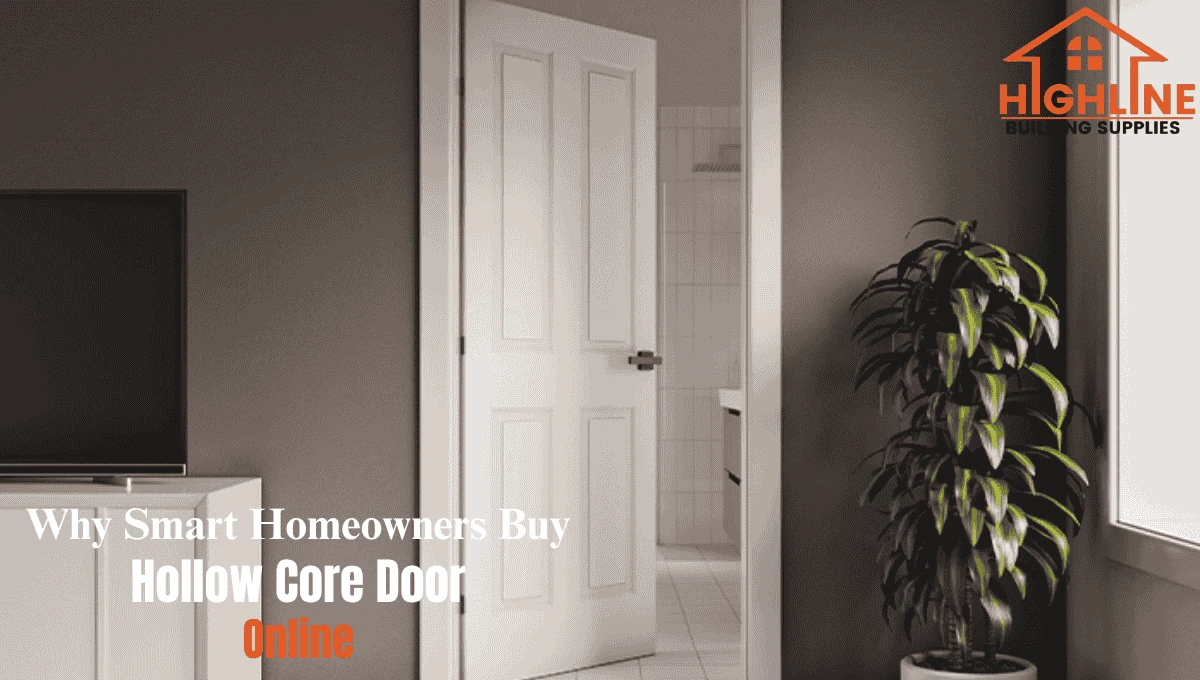
When homeowners buy hollow core door online, they’re usually looking for a practical balance of cost, style, and convenience. Interior doors may not get the same attention as flooring or kitchen cabinets, but they affect how a home feels, functions, and flows every single day. The right hollow core door can make a bedroom feel more finished, help a hallway look cleaner, or improve the usability of closets and utility spaces without stretching the renovation budget.

That’s why more homeowners, contractors, and property managers now prefer shopping online instead of driving from one showroom to another. Buying online makes it easier to compare styles, sizes, finishes, and configurations—while also helping buyers avoid one of the most common renovation mistakes: choosing a door based only on appearance instead of fit, function, and long-term value.

This guide breaks down what hollow core doors are, where they work best, how to shop smarter, and what to check before ordering. If you’ve been searching for an affordable hollow core door, a trusted hollow core door supplier, or even a hollow core door supplier near me, this article will help you make a more informed choice.

What Is a Hollow Core Door?

A hollow core door is an interior door built with a lightweight internal structure—usually a honeycomb or grid core—covered by a molded or engineered outer skin. Despite the name, it’s not completely empty. The interior is designed to provide shape and basic rigidity while keeping the door lighter and more affordable than solid core or solid wood options.

Why they’re so common in homes:

  • They are budget-friendly
  • They’re easier to install and handle
  • They work well for standard interior rooms
  • They come in many modern and traditional styles

For bedrooms, closets, laundry rooms, pantries, and hallways, hollow core doors are often the most practical choice.

Why More Homeowners Buy Interior Doors Online

Ten years ago, many buyers felt more comfortable shopping for doors in person. Today, online buying has become more common because product information is easier to access and comparison shopping is much simpler.

Here’s why online shopping often makes more sense:

  • Better product visibility
    You can compare designs, panel styles, and configurations side by side.
  • More size and style options
    Local stores often stock only basic models, while online suppliers carry broader selections.
  • Less pressure, more research
    You can review specifications, measurements, and installation details at your own pace.
  • Easier planning for renovations
    Buying online helps when coordinating doors with flooring, trim, wall color, or closet systems.

This is especially helpful if you’re comparing options like hollow core interior doors for a larger remodel or multi-room upgrade.

The Benefits of Hollow Core Doors

The benefits of hollow core doors become obvious when you’re managing cost, timeline, and practicality during a renovation.

1) They’re More Affordable

One of the biggest reasons homeowners choose hollow core over solid core is cost. If you’re replacing multiple interior doors at once, the savings can be significant.

This matters most when:

  • Updating older homes
  • Renovating rental properties
  • Refreshing bedrooms and closets
  • Completing builder-grade upgrades on a budget

2) They’re Lightweight and Easier to Work With

A lighter door is easier to:

  • Carry upstairs
  • Position during installation
  • Hang on existing frames
  • Use for closet and bifold applications

This is especially helpful for DIY-minded homeowners or smaller installation crews.

3) They Fit Most Standard Interior Needs

For many rooms, you don’t need the extra mass of a solid core door. In everyday residential settings, hollow core doors often provide all the function you need for:

  • Bedrooms
  • Closets
  • Linen storage
  • Pantries
  • Utility spaces

4) They Come in More Styles Than People Expect

A common misconception is that hollow core doors all look basic or builder-grade. That’s no longer true. Many newer styles offer cleaner lines, modern paneling, and more polished finishes.

For example, if you prefer a softer contemporary look, styles like 2 Pan Carrara can work well in updated bedrooms, home offices, and hallways.

Where Hollow Core Doors Work Best

Not every interior space needs the same kind of door. One of the smartest things a homeowner can do is match the door type to the room’s purpose.

Best Rooms for Hollow Core Doors

Bedrooms

A hollow core door is often more than enough for secondary bedrooms, kids’ rooms, or guest spaces.

Closets

Closet applications are one of the best use cases, especially for bifold or narrower access doors.

Laundry Rooms

For standard laundry enclosures, these doors often provide a clean, cost-effective finish.

Pantries and Linen Closets

These spaces usually don’t require heavy sound reduction or enhanced privacy, making hollow core ideal.

Hallway Utility Areas

Water heater closets, storage rooms, and service spaces are practical places to use them.

A good example is the 2- Panel Molded Primed Hollow Core Carrara Bifold Door, which is especially useful where floor space is limited and a swing door would be awkward.

Where Hollow Core Doors May Not Be the Best Choice

A good buying decision isn’t just about where a product works well. It’s also about knowing its limitations.

Hollow core may not be ideal for:

  • Rooms where sound control matters a lot
  • High-traffic doors that take frequent impact
  • Spaces where a heavier, more substantial feel is preferred
  • Luxury builds where weight and acoustic performance are priorities

Examples where you might consider another option:

  • Primary bedroom suites
  • Home theaters
  • Shared office spaces
  • Multi-generational homes where privacy matters more

That doesn’t mean hollow core is “bad.” It just means it’s best when used intentionally.

What Smart Buyers Check Before Ordering Online

This is where many people get things wrong. They focus on appearance and forget the technical details that determine whether the door will actually fit and function correctly.

Before You Buy, Check These 8 Things

1) Exact Door Size

Don’t assume all interior doors are interchangeable.

Measure:

  • Width
  • Height
  • Thickness
  • Existing rough opening (if replacing frame too)

2) Slab vs. Prehung

Know whether you need:

  • Door slab only (door panel only)
  • Prehung door (door already mounted in frame)

This is one of the most common ordering mistakes.

3) Swing Direction

Confirm whether the door is:

  • Left-hand
  • Right-hand
  • In-swing or out-swing (if applicable)

4) Bifold vs. Standard Swing

Closets and utility areas may need a bifold configuration instead of a standard hinged slab.

5) Primed or Finished Surface

Some doors come primed and ready to paint. Others may require more prep work.

6) Panel Style

Choose a style that works with your trim, wall design, and home architecture.

7) Core Use Suitability

Make sure the door fits the intended room function—not just the look.

8) Delivery and Handling

A trusted hollow core door supplier should provide clear details about shipping, packaging, and product condition expectations.

Common Mistakes Homeowners Make

People often assume buying a door is simple. In reality, it’s a detail-heavy purchase. Most problems come from rushing the order process.

Mistakes to Avoid

Buying Based Only on Price

An affordable hollow core door is a good thing—but only if the style, fit, and application make sense.

Ignoring Frame Condition

If your frame is warped or damaged, a slab replacement may not solve the real issue.

Not Matching Existing Trim Style

A sleek, modern panel door can look out of place in a traditional trim package—and vice versa.

Choosing the Wrong Door for the Wrong Room

Closet? Bedroom? Utility room? These should not always be treated the same.

Forgetting Hardware Compatibility

Door thickness, bore prep, and hinge setup all matter.

How to Choose the Right Style for Your Home

A lot of buyers focus only on “modern” or “traditional,” but door style should really be chosen based on the home’s visual rhythm.

If your home leans modern:

Look for:

  • Clean lines
  • Minimal paneling
  • Smooth surfaces
  • Consistent trim profiles

If your home is more transitional:

Choose:

  • Soft panel definitions
  • Balanced proportions
  • Painted finishes that match baseboards and casings

If your home is more classic:

Look for:

  • Raised or molded panels
  • Symmetry
  • Slightly more detailed face patterns

Collections like Rockport Doors can help homeowners keep the interior style consistent from room to room.

Online Buying vs. Searching “Hollow Core Door Near Me”

A lot of buyers still begin with a search like “hollow core door near me” or “hollow core door supplier near me.” That’s understandable—people want convenience and confidence.

But “near me” doesn’t always mean “better.”

Why local search isn’t always enough:

  • Limited stock
  • Fewer design choices
  • Inconsistent quality
  • Sales-floor decisions made too quickly

Why online often wins:

  • Better category filtering
  • More detailed specifications
  • Easier style comparisons
  • Better planning before purchase

That’s especially useful when you’re trying to compare hollow core doors for sale across multiple styles and applications instead of settling for whatever is physically in stock nearby.

What Actually Works in Real Renovation Projects

From a practical renovation standpoint, homeowners usually get the best results when they treat interior doors as part of the whole design—not as an afterthought.

Best Practices That Save Time and Money

  • Replace doors in visible groupings, not one at a time
  • Match panel styles across connected spaces
  • Paint all doors together for consistency
  • Confirm rough openings before ordering
  • Use bifold options where swing clearance is limited

Real-world example:

A hallway with three mismatched bedroom doors and one closet bifold often feels visually disjointed. Updating all four in a coordinated style instantly improves the space—even if nothing else changes.

That’s why experienced suppliers like Highline Supplies are often valuable during the planning stage, not just the purchase stage. The right product recommendation can prevent installation issues and visual mismatches before they happen.

A Note on Matching Interior and Exterior Design

Homeowners doing larger renovations often update both inside and outside elements around the same time. If that’s your situation, it can help to think about overall consistency in material quality and architectural style.

For example, if you’re also researching entry upgrades, this guide on choosing the right mahogany door supplier offers useful context for comparing long-term value and material expectations across different door types.

Interior and exterior doors serve different purposes, but good selection principles are surprisingly similar:

  • fit the product to the use case
  • choose quality over assumptions
  • don’t ignore installation realities

How to Buy More Confidently Online

If you want the process to go smoothly, treat your purchase like a specification decision—not just a décor decision.

Smart Buyer Checklist

Before placing an order, confirm:

  • Door width and height
  • Slab or prehung requirement
  • Swing or bifold need
  • Primed or paint-ready finish
  • Panel style compatibility
  • Room application
  • Frame condition
  • Hardware prep

That one checklist can prevent most of the problems homeowners run into when they buy hollow core door online.

Frequently Asked Questions

1) Are hollow core doors good for bedrooms?

Yes, in many homes they work well for standard bedrooms, especially where budget and style matter more than sound isolation.

2) Is it safe to buy interior doors online?

Yes—if you verify measurements, door type, swing, and supplier details before ordering.

3) What is the main benefit of a hollow core door?

The biggest benefit is value. You get a lightweight, practical interior door at a lower cost than heavier alternatives.

4) Are hollow core doors durable enough for daily use?

For normal residential interior use, yes. They’re commonly used in bedrooms, closets, and utility spaces.

5) Should I buy a slab or a prehung door?

If your existing frame is in good condition, a slab may work. If the frame is damaged or you’re doing a full replacement, prehung is often the better option.

What Homeowners Are Saying

We replaced all of our upstairs bedroom doors at once, and it made the whole hallway feel newer. Buying online gave us way more options than local stores.
Rachel M., Homeowner

The biggest help was comparing measurements and styles before ordering. It saved us from buying the wrong closet setup.
Darren T., Renovation Customer

I originally searched for a hollow core door near me, but online ended up being easier because I could actually compare what I was getting.
Lisa P., Condo Owner

Final Thoughts

Smart homeowners don’t just buy what’s available they buy what fits the project. That’s the real reason more people now buy hollow core door online. It’s not only about convenience. It’s about better comparison, better planning, and better results.

If you’re updating bedrooms, closets, hallways, or utility spaces, hollow core doors often offer the right mix of affordability, function, and style. The key is to choose carefully, measure correctly, and buy from a supplier that gives you the product clarity you need not just a price tag.

When selected thoughtfully, a hollow core door isn’t just a budget option. It’s a smart interior upgrade.

Author Bio

Highline Supplies Editorial Team
The Highline Supplies editorial team writes with a practical focus on doors, interior finishes, and residential building materials. Their content is shaped by real-world product knowledge, renovation planning experience, and the everyday questions homeowners ask before making a purchase.

solid-core internal doors in texas

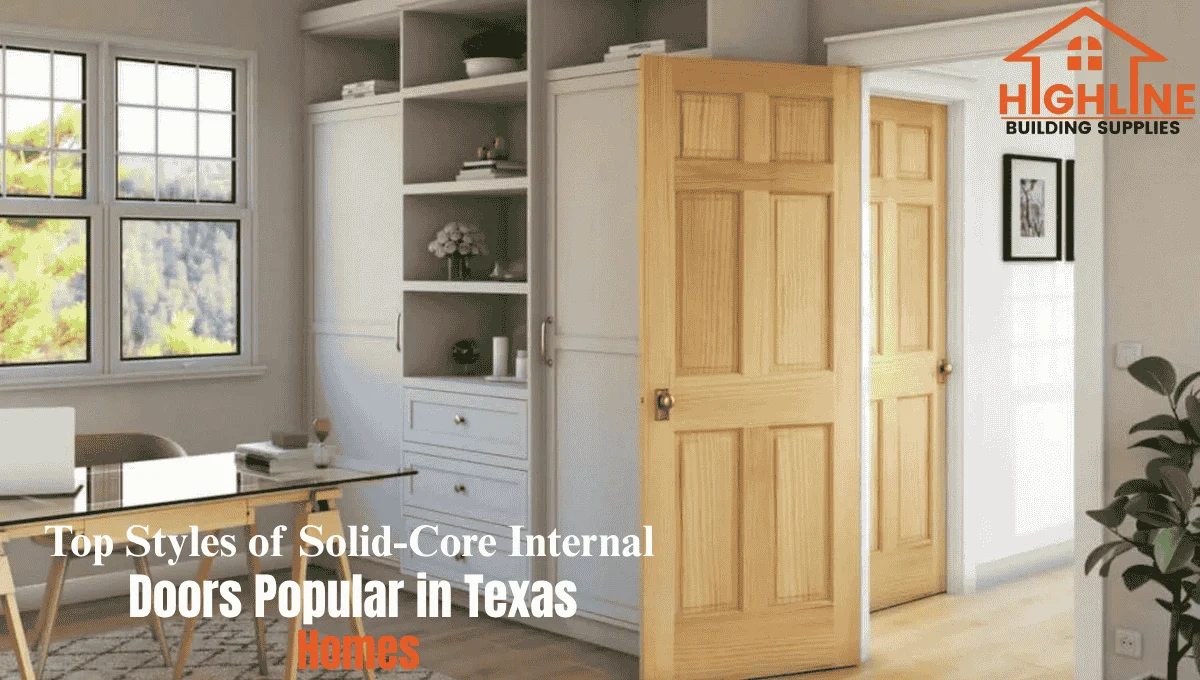
Top Styles of Solid-Core Internal Doors Popular in Texas Homes

Introduction: Why Door Style Matters More Than You Think

When it comes to designing a stylish and functional home, choosing the right solid-core internal doors in Texas can make a bigger impact than most homeowners expect. These doors don’t just divide spaces—they influence privacy, noise control, and the overall aesthetic of your interiors.

Many Texas homeowners invest in flooring, lighting, and furniture but overlook interior doors, which can quietly make or break the final look. The good news? With the right solid-core door style, you can elevate both comfort and design while adding long-term value to your home.

Why Solid-Core Internal Doors Are Popular in Texas

Before diving into styles, it’s important to understand why solid-core doors dominate the Texas market:

  • Better insulation against heat and noise
  • Stronger and more durable than hollow-core options
  • Higher-end appearance and feel
  • Improved resale value

In larger Texas homes—especially open-concept layouts—solid-core doors help maintain privacy and reduce sound travel between rooms.

Top Styles of Solid-Core Internal Doors in Texas Homes

1. 1-Panel Shaker Doors: Minimalist & Modern Favorite

The 1-Panel Shaker Primed Solid Core Prehung Door is one of the most in-demand styles across Texas.

Why Texas homeowners love it:

  • Clean, flat panel design fits modern and transitional interiors
  • Works well with both painted and natural finishes
  • Ideal for new builds and renovations

Where it works best:

  • Bedrooms
  • Home offices
  • Contemporary living spaces

Pro Tip: In cities like Austin and Dallas, this style is often paired with matte black hardware for a sleek, modern look.

2. 1-Panel Shaker Solid Core Slab: Flexible & Customizable

The 1-Panel Shaker Primed Solid Core Slab is perfect if you want more control over installation and finishing.

Key advantages:

  • Great for custom frames or retrofits
  • Allows flexibility in hardware and swing direction
  • Cost-effective compared to pre-hung options

Best use cases:

  • Remodeling older Texas homes
  • Custom interior design projects

Expert Insight: Contractors often recommend slab doors when working with non-standard openings common in older Texas properties.

3. 2-Panel Shaker Doors: Balanced & Versatile

The 2-Panel Shaker Primed Solid Core Pre-hung Door strikes a perfect balance between modern simplicity and classic design.

Why it stands out:

  • Adds subtle visual interest without overwhelming the space
  • Works across farmhouse, transitional, and traditional interiors
  • Popular in suburban Texas homes

Ideal for:

  • Living rooms
  • Hallways
  • Master bedrooms

Design Tip: Use this style in homes where you want consistency but not monotony—it adds just enough variation.

4. Traditional Raised Panel Doors: Classic Texas Charm

While modern styles are trending, many Texas homeowners still prefer raised panel solid-core doors.

Why they remain popular:

  • Timeless appeal
  • Perfect for colonial and traditional homes
  • Adds depth and character

Best suited for:

  • Heritage-style homes
  • Formal spaces like dining rooms

5. Flush Solid-Core Doors: Ultra-Modern Simplicity

Flush doors are completely flat with no panels—perfect for ultra-modern interiors.

Benefits:

  • Cleanest look possible
  • Easy to maintain
  • Works well in minimalist homes

Popular in:

  • Houston high-rise condos
  • Modern custom builds

6. Glass Panel Solid-Core Doors: Light + Privacy Balance

For homeowners who want natural light without sacrificing structure, glass-panel solid-core doors are a great option.

Features:

  • Frosted or clear glass inserts
  • Maintains sound insulation better than hollow-core
  • Enhances brightness in darker spaces

Ideal for:

  • Home offices
  • Dining areas
  • Interior patios

How to Choose the Right Door Style for Your Texas Home

Choosing the right style isn’t just about looks—it’s about function and environment.

Consider These Factors:

1. Home Style

  • Modern → 1-panel shaker or flush
  • Traditional → raised panel
  • Transitional → 2-panel shaker

2. Room Function

  • Bedrooms → solid panels for privacy
  • Offices → consider glass inserts
  • Living areas → design-focused options

3. Climate Impact

Texas heat and humidity can affect materials. Solid-core doors handle expansion and contraction better than hollow-core options.

What Most Homeowners Get Wrong

After working with countless Texas homeowners, one thing stands out:

People choose doors based on price first, style second—and regret it later.

Here’s what experts recommend:

  • Invest in solid-core first, then choose style
  • Stick to consistent door styles throughout the home
  • Don’t ignore door thickness and weight—it impacts feel and quality
  • Choose pre-hung doors for easier installation in new builds

Common Mistakes to Avoid

Avoid these costly errors when selecting solid-core internal doors in Texas:

  • Mixing too many door styles in one home
  • Choosing hollow-core to save money short-term
  • Ignoring humidity resistance
  • Overlooking hardware compatibility
  • Not measuring door frames properly

Upgrade Your Doors with Confidence

At Highline Building Supplies, we offer a wide range of premium solid-core door styles designed specifically for Texas homes.

Whether you need pre-hung shaker doors or custom slab options, our team helps you choose doors that combine durability, style, and long-term value.

Customer Testimonials

James R., Dallas, TX
Switching to solid-core shaker doors completely changed the feel of our home. They’re quieter and look far more premium.

Maria L., Houston, TX
We used 2-panel shaker doors throughout our renovation. The consistency made our home feel professionally designed.

David K., Austin, TX
I didn’t realize how much noise hollow doors let through. Solid-core was a game changer for my home office.

People Also Ask (PAA)

1. Are solid-core internal doors worth it in Texas?
Yes. They provide better insulation, durability, and noise reduction—ideal for Texas homes.

2. Which style of internal doors is most popular in Texas?
Shaker-style doors, especially 1-panel and 2-panel designs, are the most popular.

3. What is the difference between pre-hung and slab doors?
Pre-hung doors come with a frame and are easier to install, while slab doors require separate framing.

4. Do solid-core doors increase home value?
Yes, they enhance perceived quality and can positively impact resale value.

5. Are solid-core doors better for soundproofing?
Absolutely. Their dense core significantly reduces noise transfer between rooms.

Final Thoughts: Choose Smart, Not Just Stylish

Interior doors may seem like a small detail—but in reality, they shape how your home feels every day.

From modern 1-panel shaker designs to versatile 2-panel options, the right choice depends on your home’s style, function, and long-term goals.

If you’re planning to upgrade or build, investing in solid-core internal doors in Texas is one decision you won’t regret.

See our best collection of sliding windows, visit this page: Top Advantages of Different Types of Sliding Windows

Author Bio

Highline Building Supplies is a trusted name in premium construction materials across Texas. With years of hands-on industry experience, the team specializes in high-quality doors, windows, and building solutions designed for durability, performance, and modern living.

mahogany door supplier

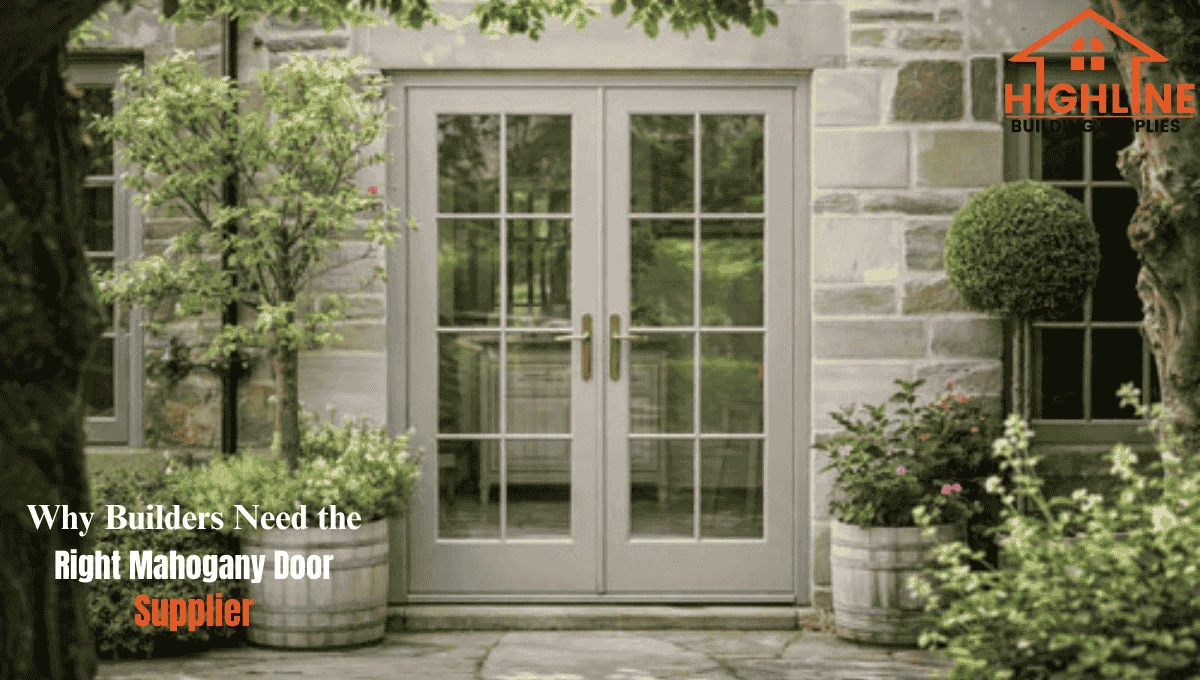
Why Builders Need the Right Mahogany Door Supplier

A reliable mahogany door supplier can make or break a build long before the homeowner notices the finished entryway. Builders depend on consistent dimensions, stable wood quality, proper prehanging, and on-time delivery because one bad door can delay trim work, paint schedules, inspections, and final handover. Whether you’re sourcing a solid mahogany door for a custom home or comparing options for a mahogany exterior door package, supplier quality matters far more than many buyers realize.

Mahogany doors sit in a unique category of building materials. They are expected to deliver curb appeal, structural performance, durability, and design flexibility all at once. That means builders need more than a catalog they need a supplier that understands moisture movement, finishing requirements, glass configurations, jamb setup, and how doors perform in real-world conditions.

This guide breaks down what builders should look for, what often goes wrong, and how to choose a supplier that supports quality work from framing to final walkthrough.

Why the Supplier Matters More Than the Door Alone

Most people focus on the door slab itself. Builders know better.

A good door can still become a jobsite problem if it arrives:

  • Out of square
  • Poorly prehung
  • Incorrectly handed
  • With unfinished edges
  • With low-quality glass inserts
  • Without the right jamb depth or threshold setup

In other words, a quality product is only part of the equation. The supplier determines whether the product arrives ready to install and suited to the build.

What builders actually need from a supplier

A strong supplier should help with:

  • Product consistency across multiple units
  • Accurate lead times
  • Proper packaging and shipping protection
  • Clear product specs
  • Matching sidelights, transoms, and glass options
  • Guidance on climate suitability and finishing

This is especially important on custom homes and renovation projects where one wrong door size can affect framing, casing, weatherproofing, and labor hours.

What Makes Mahogany a Preferred Choice for Builders?

Mahogany remains a go-to material for premium entry systems because it offers a rare balance of workability, strength, and appearance.

The practical benefits builders care about

The benefits of mahogany doors go beyond aesthetics. In the field, builders often choose mahogany because it:

  • Machines cleanly and consistently
  • Holds stain and finish beautifully
  • Offers strong dimensional stability when properly kiln-dried
  • Works across traditional and modern elevations
  • Adds perceived value to the home

For many builders, mahogany is also easier to specify than some mixed hardwood alternatives because clients already recognize it as a premium material.

Where it performs best

Mahogany is commonly used for:

  • Front entry systems
  • High-end custom homes
  • Renovation projects with upgraded curb appeal
  • Transitional and modern exterior designs
  • Homes where glass and wood need to balance visually

That’s why many builders start their search with a dedicated mahogany front entry door collection rather than a general wood door catalog.

What Builders Usually Get Wrong When Choosing a Supplier

This is where expensive mistakes happen.

On paper, many suppliers look similar. In practice, the differences show up on delivery day and during installation.

Common Supplier Mistakes That Cost Builders Time

Choosing based on price alone

A lower upfront cost can quickly disappear when the door arrives with issues that require:

  • Rehanging
  • Reboring
  • Replacing damaged glass
  • Reordering due to wrong swing or sizing

The real cost is labor, schedule disruption, and callbacks.

Not asking about wood preparation

Many builders assume all mahogany products are equally ready for finish. They are not.

Important questions include:

  • Is the door engineered or solid stile-and-rail construction?
  • Is it kiln-dried properly?
  • Are all six sides sealed recommendations clearly provided?
  • Are the bottom and top rails protected for exterior exposure?

These details directly affect performance.

Overlooking climate and exposure

A supplier that doesn’t ask where the door will be installed is already missing something important.

Exterior doors behave differently depending on:

  • Direct sun exposure
  • Covered vs uncovered entry
  • Humid vs dry climate
  • Coastal air exposure
  • Rain and sprinkler contact

A good supplier will ask these questions before recommending a product.

Ignoring prehung details

One of the most common jobsite issues isn’t the slab—it’s the prehung setup.

Builders should confirm:

  • Jamb depth
  • Sill type
  • Hinge placement
  • Bore prep
  • Weatherstripping quality
  • Left-hand vs right-hand swing

A supplier who gets these wrong can create avoidable installation headaches.

How the Right Mahogany Door Supplier Helps Builders Work Smarter

The best suppliers reduce friction. They don’t just ship products—they help builders avoid rework.

What to Look for in a Reliable Supplier

1) Product consistency

If you’re building multiple homes or ordering matching units, consistency matters.

Look for:

  • Uniform grain quality
  • Consistent stain-readiness
  • Repeatable sizing and joinery
  • Matching glass options across SKUs

This is especially important for builders trying to keep a clean, cohesive front elevation package.

2) Practical product knowledge

A knowledgeable supplier should be able to explain:

  • Which door styles work best for exposed entryways
  • Which glass inserts offer privacy without sacrificing light
  • Which thresholds perform best in wet conditions
  • Which configurations are best for oversized openings

That kind of advice saves builders time during planning and prevents poor product fit later.

3) Real-world installation awareness

The best suppliers understand how doors are actually installed, not just how they’re displayed online.

They should know how their products interact with:

  • Flashing systems
  • Exterior cladding
  • Sill pans
  • Insulation and air sealing
  • Trim and casing tolerances

That’s the kind of support builders remember.

4) Clear lead times and communication

Builders can work around long lead times if expectations are clear. What they can’t work around is uncertainty.

A dependable supplier should be transparent about:

  • Stock vs made-to-order inventory
  • Shipping windows
  • Freight handling
  • Replacement timelines if issues occur

Understanding Door Construction: What Builders Should Ask About

Not all wood doors are built the same, even when they look similar online.

Construction Details That Affect Long-Term Performance

Solid wood vs engineered construction

A solid mahogany door sounds appealing, but builders should understand exactly what that means in the product description.

In practice, quality performance depends on:

  • Core construction
  • Rail and stile joinery
  • Moisture content
  • Proper assembly
  • Finishing and maintenance

Some engineered constructions can actually outperform lower-quality “solid wood” options if they are built correctly.

Glass integration

Doors with lites or glass panels must be well assembled to prevent:

  • Air leakage
  • Water intrusion
  • Rattling
  • Premature seal failure

This matters even more on exposed front elevations.

For example, a style like the 4-Lite over 1 Panel Clear Glass Prehung Mahogany Door can look beautiful in both traditional and transitional homes—but only if the frame, glass, and prehung components are properly integrated.

Another similar configuration, the 4-Lite over 1 Panel Clear Glass Prehung Mahogany Door, may suit a different elevation or trim style, so builders should compare dimensions, panel proportions, and how each design works with the facade.

For more privacy while still allowing light, a 4-Lite over 1 Panel Rain Glass Prehung Mahogany Door can be a practical choice for homes facing the street or close neighboring lots.

Why Builders Need to Think Beyond Looks

Clients often choose a door based on appearance. Builders need to think about performance, installation, and maintenance too.

The Difference Between a Beautiful Door and a Good Door

A good-looking door can still become a problem if it:

  • Warps under direct exposure
  • Requires excessive field adjustment
  • Arrives unfinished in vulnerable areas
  • Doesn’t hold finish well over time

The right supplier helps builders bridge the gap between style and long-term functionality.

What actually works in the field

From a practical building standpoint, the best results usually come from doors that have:

  • Protected entry placement
  • Proper overhang coverage
  • Correct finish application on all sides
  • Professional installation
  • Ongoing homeowner maintenance guidance

These aren’t glamorous details, but they are what keep callbacks down.

Design Trends Builders Should Watch

Today’s buyers want both warmth and clean architectural lines, which is why mahogany continues to work across multiple home styles.

Mahogany Door Design Ideas That Appeal to Buyers

Popular mahogany door design ideas right now include:

  • Vertical glass lites for modern facades
  • Narrow-profile panels for transitional homes
  • Double-entry configurations for larger homes
  • Privacy glass options for street-facing entries
  • Dark stain finishes with black hardware
  • Warm natural finishes for organic modern exteriors

Builders who work with a strong supplier can usually access these styles without having to custom-source every project.

Matching the door to the architecture

A builder should always evaluate:

  • Roofline and elevation style
  • Exterior cladding material
  • Hardware finish
  • Natural light needs
  • Privacy expectations

That’s how you avoid installing a door that looks expensive but feels visually out of place.

What to Check Before Ordering

This is one of the most useful stages for avoiding expensive mistakes.

Builder’s Pre-Order Checklist

Before placing an order, confirm:

  • Exact rough opening dimensions
  • Door handing
  • Swing direction
  • Jamb depth
  • Sill type
  • Bore prep for lockset and deadbolt
  • Glass type and privacy level
  • Finish expectations
  • Exposure conditions
  • Delivery timeline

Pro tip from the field

One of the most common issues on custom homes is assuming the rough opening is “close enough.”

It isn’t.

For prehung exterior doors, even small framing inconsistencies can create:

  • Uneven reveals
  • Weatherstripping issues
  • Lock alignment problems
  • Extra shimming and trim correction

A reliable supplier helps builders verify specs before the order is finalized.

Should Builders Buy Online or Through a Local Supplier?

This depends on project needs, but online sourcing has improved significantly—if you buy from the right source.

When It Makes Sense to Buy Online

Many builders now buy mahogany door online because it can offer:

  • Better style selection
  • Easier comparison across configurations
  • Access to specialty designs
  • Faster browsing for spec planning

However, online buying only works well when the supplier provides:

  • Clear dimensions
  • Detailed product specs
  • Good customer support
  • Reliable freight handling
  • Accurate photos and descriptions

What about “mahogany door supplier near me”?

A search for mahogany door supplier near me can be helpful if you need:

  • Faster pickup
  • Easier local coordination
  • In-person material inspection
  • Immediate replacement support

That said, “near me” is not always the same as “best fit for the project.” Builders should prioritize product accuracy, support, and consistency over geography alone.

Real-World Use Cases: Where Supplier Quality Shows Up

Builders usually notice supplier quality in three places:

1) Installation day

A well-prepared door saves time.

A poor one creates delays.

2) Final walkthrough

Clients notice:

  • Uneven reveals
  • Hardware misalignment
  • Finish inconsistencies
  • Glass and trim details

3) One year later

This is when long-term quality becomes obvious.

Doors that were poorly selected or improperly supported often show:

  • Finish wear
  • Swelling or movement
  • Seal issues
  • Customer complaints

That’s why experienced builders think beyond delivery day.

How This Impacts Client Satisfaction

Front doors are one of the first things homeowners touch, see, and talk about.

A good entry door contributes to:

  • Stronger first impressions
  • Better perceived craftsmanship
  • More homeowner confidence in the build
  • Fewer post-close complaints

That’s especially true in higher-end residential work, where small finish details carry more weight.

If a client is also comparing wood and metal entry options, it can be useful to read related material such as affordable iron front doors to understand how different front door materials perform in design-focused residential projects.

Short Builder Testimonials

We learned the hard way that door quality isn’t just about wood species. The supplier’s prep and accuracy made the biggest difference on install day.
— Residential Builder, Texas

A good supplier saves labor. When the door arrives correctly prehung and properly packed, the crew can move fast.
— Project Manager, Custom Homes

Clients notice front doors immediately. We need something that looks premium but also installs without surprises.
— Renovation Contractor, Florida

Best Practices for Builders Working With Mahogany Doors

Expert Tips That Actually Help

Seal early and correctly

Do not delay finishing after delivery. Exterior wood doors should be protected as soon as practical.

Keep doors out of harsh exposure when possible

A covered entry can significantly improve long-term performance.

Verify every opening

Never assume repeated plans mean identical openings.

Don’t leave style selection too late

Door lead times can affect framing, trim, and hardware scheduling.

Match glass to lifestyle, not just looks

Street-facing homes often need privacy and daylight balance.

FAQ:

What should builders look for in a mahogany door supplier?

Look for accurate specs, consistent quality, proper prehung setup, and reliable communication. A supplier should understand both design and installation requirements.

Are mahogany doors good for exterior use?

Yes, when they are properly constructed, finished, and installed in suitable conditions. Exposure and maintenance matter a lot.

Is a solid mahogany door always the best choice?

Not automatically. Build quality, moisture control, joinery, and finishing matter just as much as the wood type.

Can builders buy mahogany doors online safely?

Yes, if the supplier provides detailed specs, dependable shipping, and knowledgeable support. Clarity matters more than convenience.

How long do mahogany exterior doors last?

With proper finishing, maintenance, and reasonable weather protection, they can perform well for many years.

What is the biggest mistake builders make with wood entry doors?

Ordering without fully confirming swing, jamb depth, rough opening, and exposure conditions. Most door issues start before installation.

Are glass mahogany doors practical for front entries?

Yes. They can work very well when privacy, energy performance, and exposure are considered during selection.

Final Thoughts

Builders don’t just need a beautiful door they need a dependable process behind it. The right mahogany door supplier helps reduce delays, improve installation outcomes, and support long-term homeowner satisfaction. That matters whether you’re sourcing a classic panel entry or a glass-forward mahogany exterior door for a more modern build.

At the end of the day, the best supplier is the one that helps builders avoid preventable problems. Good materials matter. But practical support, product accuracy, and real-world understanding matter just as much.

If you’re planning upcoming projects, it’s worth taking the extra time to evaluate supplier quality before you place the order. That’s where better builds often begin.

About the Author

Editorial Team at Highline Supplies
This article was prepared by the Highline Supplies editorial team with input from professionals familiar with residential entry systems, exterior door selection, and practical installation considerations. The team focuses on clear, experience-based content that helps homeowners, builders, and contractors make better material decisions with fewer surprises on the job.

Types of Sliding Windows

Top Advantages of Different Types of Sliding Windows

When it comes to upgrading your home, windows aren’t just about letting in light—they shape your comfort, energy efficiency, and curb appeal. Sliding windows, in particular, have gained popularity across Texas for their sleek design and functional benefits. But with so many types of sliding windows available, making the right choice can be overwhelming.

In this guide, we’ll walk you through the key advantages of different sliding windows, practical tips for installation and maintenance, and real-life insights from homeowners who’ve transformed their spaces.

Why Sliding Windows Are a Smart Choice

Sliding windows are unique because they operate on horizontal tracks, allowing smooth opening and closing without taking up indoor or outdoor space. This design makes them ideal for rooms with limited space, patios, or modern architectural styles.

Here’s why homeowners across Texas love them:

  • Space-saving design: Unlike casement or awning windows, sliding windows don’t swing in or out.
  • Unobstructed views: Large panes provide clear visibility, perfect for backyard or street views.
  • Ease of operation: Simple gliding mechanism is user-friendly for all ages.

Types of Sliding Windows

Understanding the differences between sliding windows helps you choose the perfect fit for your home. Here are the main types:

1. Single Slider Windows

  • Design: One fixed panel, one movable panel.
  • Best for: Small to medium-sized rooms, bedrooms, or offices.

Advantages:

  • Easy to clean and maintain
  • Budget-friendly
  • Efficient airflow control

2. Double Slider Windows

  • Design: Both panels slide horizontally.
  • Best for: Living rooms, kitchens, and large walls needing flexible ventilation.

Advantages:

  • Maximum airflow flexibility
  • Symmetrical design for aesthetics
  • Can pair with screens for insect protection

3. Multi-Slider / Bypass Windows

  • Design: Multiple panels slide past each other on parallel tracks.
  • Best for: Expansive wall spaces, patios, or sunrooms.

Advantages:

  • Wide openings for natural light
  • Seamless indoor-outdoor transition
  • Stylish and modern appearance

INSPIRE Vinyl Sliding Windows: Quality Meets Durability

At Highline Building Supplies, we often recommend INSPIRE vinyl sliding windows for Texas homeowners due to their durability and performance. Some popular options include:

  1. INSPIRE VINYL SVS 36×36
    Perfect for small rooms or kitchens, combining compact size with energy efficiency.
  2. INSPIRE VINYL SVS 48×36
    A versatile mid-size window ideal for bedrooms or offices, balancing light and ventilation.
  3. INSPIRE VINYL SVS 60×36
    Large-scale option for living rooms and patios, maximizing natural light and exterior views.

These windows offer low-maintenance vinyl frames that resist warping, fading, and moisture—essential for Texas’ variable climate.

Expert Tips for Choosing Sliding Windows

  1. Match window size to room needs: Larger windows for communal spaces, smaller ones for private rooms.
  2. Consider energy efficiency: Look for double-glazed or low-E glass to reduce energy bills.
  3. Check track quality: Smooth operation depends on sturdy, corrosion-resistant tracks.
  4. Opt for vinyl frames in humid or high-heat areas: They offer superior longevity compared to wood.
  5. Plan for maintenance access: Removable sashes simplify cleaning both inside and outside.

Common Mistakes to Avoid

Even experienced homeowners can make errors when installing sliding windows:

  • Ignoring proper measurements: A misfit can cause drafts or leaks.
  • Skipping energy-efficient options: Lower-quality glass increases heating and cooling costs.
  • Neglecting track maintenance: Dirt buildup can damage sliding mechanisms over time.
  • Choosing purely for style: Ensure the window suits both aesthetics and functional needs.

Practical Maintenance Tips

  • Regularly clean tracks: Use a vacuum or soft brush to remove dirt.
  • Lubricate rollers once a year: Ensures smooth sliding and extends lifespan.
  • Inspect weatherstripping: Replace if worn to prevent drafts.
  • Clean glass with non-abrasive cleaners: Protects vinyl frames from scratches.

Customer Testimonials

We installed the INSPIRE VINYL SVS 60×36 in our living room, and it completely changed the space. Smooth operation, energy savings, and a modern look—Highline Building Supplies made the process easy.
– Sarah J., Dallas, TX

The 48×36 vinyl sliders in our kitchen provide excellent ventilation. Cleaning is simple, and the durability is outstanding. Highly recommend Highline Building Supplies.
Mark R., Austin, TX

We upgraded all bedrooms with the 36×36 INSPIRE sliders. Kids love opening them safely, and our energy bills dropped noticeably. Great investment.
Lisa P., Houston, TX

People Also Ask (PAA)

1. What are the different types of sliding windows?
Single slider, double slider, and multi-slider windows—each offers different airflow and space-saving benefits.

2. Which sliding window is best for large rooms?
Multi-slider or bypass windows provide wide openings, more light, and unobstructed views.

3. Are vinyl sliding windows energy-efficient?
Yes, vinyl sliders like INSPIRE models resist heat, reduce energy loss, and often include double glazing.

4. How do you maintain sliding windows in Texas heat?
Clean tracks, lubricate rollers, check weatherstripping, and wipe frames and glass regularly.

5. What sizes do INSPIRE vinyl sliding windows come in?
36×36, 48×36, and 60×36—perfect for small rooms, bedrooms, or large living spaces.

Conclusion

Choosing the right types of sliding windows can elevate your home’s comfort, energy efficiency, and aesthetic appeal. From compact INSPIRE VINYL SVS 36×36 units to expansive 60×36 sliders, there’s an option for every room and lifestyle.

At Highline Building Supplies, we guide Texas homeowners with expert advice, top-quality products, and reliable installation. Upgrade your windows today and experience the difference!

Our exclusive collection of durable single hung windows, visit this page: Top Benefits of Installing Durable Single Hung Windows in 2026

Author Bio

Highline Supplies Team – With decades of combined experience in home improvement and building materials, our team at Highline Building Supplies provides practical advice, trusted products, and hands-on guidance for homeowners across Texas.

Durable Single Hung Windows

Top Benefits of Installing Durable Single Hung Windows in 2026

Introduction: Why Homeowners Are Rethinking Their Windows

If your home still has outdated or poorly sealed windows, you’re likely losing energy, comfort, and money every single day—especially in a climate like Texas where heat and humidity push materials to their limits. Many homeowners upgrade insulation or HVAC systems but overlook one critical factor: the windows themselves. That’s where durable single hung windows come in. In 2026, they’re no longer just a budget option—they’ve evolved into a smart, long-lasting solution designed for efficiency, low maintenance, and real-world performance.

In this guide, we’ll break down the true benefits, expert insights, and practical tips you need before making the switch—based on what actually works in Texas homes.

What Are Durable Single Hung Windows?

Single hung windows feature a fixed top sash and a movable bottom sash, making them structurally simpler than double hung options. But the real advantage lies in durability.

Modern Durable Single Hung Windows are built using advanced vinyl, reinforced frames, and energy-efficient glass—making them ideal for long-term use with minimal wear and tear.

1. Built for Long-Term Durability (Especially in Texas Climate)

Texas weather is unforgiving—extreme heat, UV exposure, and seasonal storms can quickly degrade low-quality windows.

Why durability matters:

  • Fewer moving parts = less mechanical failure
  • Strong vinyl frames resist warping and cracking
  • Sealed design reduces air and water infiltration

Expert Insight:
In our experience working with homeowners, single hung windows often outlast double hung systems simply because there’s less that can go wrong.

2. Energy Efficiency That Lowers Utility Bills

Energy efficiency is one of the biggest reasons homeowners are upgrading in 2026.

How they help:

  • Tight seals prevent air leaks
  • Compatible with double or triple-pane glass
  • Reflect heat, keeping interiors cooler

This is especially important in Texas, where cooling costs can spike during summer months.

Pro Tip:
Choose models like INSPIRE VINYL SH 24×24, INSPIRE VINYL SH 24×36, and INSPIRE VINYL SH 24×48 for optimized sizing and insulation performance across different rooms.

3. Low Maintenance, High Convenience

One of the most underrated benefits is how easy these windows are to maintain.

Compared to traditional wood windows:

  • No repainting or sealing required
  • Resistant to moisture and corrosion
  • Easy-to-clean glass surfaces

Real-World Advice:
If you’re managing rental properties or simply want less upkeep, durable single hung windows are one of the lowest-maintenance investments you can make.

4. Cost-Effective Without Compromising Quality

Home upgrades can get expensive fast—but windows don’t have to.

Why they’re budget-friendly:

  • Lower initial cost than double hung or casement
  • Reduced installation complexity
  • Long lifespan = better ROI

Industry Insight:
Many contractors recommend single hung windows for large-scale projects because they provide consistent performance at a lower cost per unit.

5. Improved Home Security

Security is often overlooked—but modern designs have changed that.

Built-in safety features:

  • Fixed upper sash reduces access points
  • Strong locking systems
  • Durable frames resist forced entry

This makes them a practical choice for ground-floor installations or family homes.

6. Clean, Modern Aesthetic for Any Home

Design matters—and single hung windows offer a clean, timeless look.

Why homeowners love the design:

  • Minimal frame lines
  • Works with modern and traditional homes
  • Enhances curb appeal

Pro Tip:
Pair different sizes like INSPIRE VINYL SH 24×24, 24×36, and 24×48 to create visual balance across your home exterior.

What Professionals Recommend in 2026

From years of hands-on experience in the field, here’s what truly matters when choosing Durable Single Hung Windows:

  • Frame quality matters more than brand name
  • Look for reinforced vinyl for long-term strength
  • Always check energy ratings (U-factor & SHGC)
  • Proper installation is just as important as the window itself

A poorly installed premium window will underperform compared to a properly installed standard one.

Common Mistakes to Avoid

Even the best windows won’t perform well if you make these mistakes:

Choosing based on price alone
Cheap windows often lead to higher long-term costs.

Ignoring climate compatibility
Not all windows handle Texas heat equally.

Poor installation
Gaps and misalignment reduce efficiency instantly.

Overlooking sizing options
Using the right dimensions (like INSPIRE VINYL SH series) ensures better insulation and aesthetics.

Real Customer Testimonials

James R., Houston, TX
We replaced our old windows with durable single hung units, and the difference in cooling costs was immediate.

Maria L., Dallas, TX
Low maintenance was my top priority—and these windows delivered exactly that.

David K., Austin, TX
Simple design, strong build, and great value. I’d recommend them to any homeowner.

People Also Ask (PAA)

1. Are Durable Single Hung Windows energy efficient?
Yes, they provide excellent insulation due to their tight seals and modern glass technology.

2. How long do single hung windows last?
High-quality durable models can last 20–30 years or more with minimal maintenance.

3. Are single hung windows cheaper than double hung?
Yes, they are typically more affordable due to their simpler design and fewer moving parts.

4. Can single hung windows be used in all rooms?
Yes, they are versatile and suitable for most residential spaces.

5. What sizes are best for single hung windows?
Standard sizes like 24×24, 24×36, and 24×48 offer flexibility for different rooms and layouts.

Conclusion: A Smart Investment for 2026 Homes

Upgrading to Durable Single Hung Windows isn’t just about replacing old fixtures—it’s about improving your home’s efficiency, comfort, and long-term value.

From energy savings and low maintenance to durability and modern design, these windows check all the boxes for today’s homeowners—especially in Texas.

If you’re planning your next upgrade, Highline Building Supplies offers high-quality solutions tailored for performance and longevity. Make the switch now and invest in windows that truly last.

See our exclusive collection of vinyl picture windows, visit this page: Pros and Cons of Large Vinyl Picture Windows You Should Know

Author Bio

Highline Building Supplies Team
The Highline Building Supplies team brings hands-on industry experience, helping homeowners and contractors choose high-performance building materials designed for durability, efficiency, and long-term value.

affordable iron front doors

Affordable Iron Front Doors Worth Buying This Year

Choosing affordable iron front doors is no longer just about getting a strong entry door at a lower price. Today, homeowners want better curb appeal, better security, and better long-term value without overspending. The good news is that modern iron doors now come in more practical styles, finishes, and configurations than ever before, making them a smart option for many homes.

If you are comparing materials, designs, and price points, this guide will help you understand what actually matters before you buy.

Why Iron Front Doors Remain a Strong Investment

A front door does more than close an opening. It affects:

  • Home security
  • First impressions
  • Energy efficiency
  • Daily durability
  • Resale appeal

Iron doors have remained popular because they offer a mix of strength and design that many standard wood or hollow-core doors simply cannot match.

The important part is knowing how to choose one wisely, especially if your goal is to find a model that feels premium without crossing into luxury-only pricing.

What Makes an Iron Front Door Affordable?

Affordable does not always mean cheap. In home improvement, cheap often leads to:

  • Weak hardware
  • Poor weather sealing
  • Thin finishes
  • Lower-quality glass
  • Installation issues later

A truly affordable iron front door gives you good value over time.

In practical terms, affordability usually means:

  • Durable frame construction
  • Reliable finish quality
  • Proper weather resistance
  • Functional insulation performance
  • A design that fits your home without expensive customization

That is what separates a smart purchase from a short-term compromise.

Why Homeowners Are Choosing Iron Doors More Often

Over the last few years, more buyers have shifted toward wrought iron front entry doors because they want an entrance that looks substantial and performs well.

Common reasons include:

  • Better visual impact
  • Stronger perceived security
  • Modern and classic style flexibility
  • Better durability than many lower-end alternatives
  • Long-term value for curb appeal upgrades

For homeowners comparing options, iron often becomes attractive once they realize it is no longer limited to oversized estate homes or highly custom builds.

The Real Benefits of Affordable Iron Front Doors

1) Stronger First Impressions

Your entry door is one of the first things visitors notice.

Affordable iron designs can create a cleaner, more upscale exterior without requiring a full facade renovation. This is especially true for homes with neutral stucco, brick, stone, or painted siding.

2) Better Security Feel

Even when security ratings vary by build and hardware, iron doors tend to feel more substantial than many standard alternatives.

That “solid close” matters to homeowners. It communicates durability and protection in a way lightweight doors often do not.

3) Long-Term Durability

One of the practical reasons buyers choose iron is lifespan.

When properly finished and maintained, a well-made iron front door can handle:

  • Daily traffic
  • Seasonal weather shifts
  • Sun exposure
  • General wear better than many lower-end materials

4) Design Versatility

Today’s best iron front doors for homes are available in more than ornate, old-world styles.

You can now find options that fit:

  • Modern homes
  • Transitional homes
  • Farmhouse-inspired exteriors
  • Mediterranean architecture
  • Contemporary builds

This flexibility is a big reason iron doors appeal to more homeowners than before.

What Buyers Usually Get Wrong

This is where many homeowners overspend—or buy the wrong door.

Common mistakes include:

  • Focusing only on price
  • Ignoring finish quality
  • Not checking glass type
  • Choosing style over weather performance
  • Forgetting installation requirements
  • Assuming all iron doors are insulated equally

A front door is not something you want to replace quickly. The smarter approach is to evaluate total value, not just upfront cost.

What to Look for Before You Buy

If you are comparing affordable iron front doors, these are the details that deserve the most attention.

1) Frame and Build Quality

A good iron door should feel solid without being poorly balanced or overbuilt in a way that complicates installation.

Look for:

  • Clean welds
  • Straight lines and square framing
  • Smooth opening and closing
  • Reliable hinge support
  • Consistent finish across all surfaces

Poorly constructed doors often show problems before installation is even complete.

2) Glass Type and Privacy Level

A lot of homeowners love iron doors with glass, but this is where style and function need to meet.

Ask yourself:

  • Do I want privacy from the street?
  • How much natural light do I want?
  • Is this a high-sun exposure entry?
  • Will decorative glass match the home style?

Frosted and textured glass are often practical choices because they improve privacy while still allowing light.

For example, styles like the
4-Lite Equal Frosted Double Iron Door
or the
4-Lite Equal Frosted Single Iron Door
can work well for homeowners who want a cleaner, more modern look without giving up privacy.

3) Single vs Double Door Layout

This is not just a style choice. It affects budget, visual proportion, and installation.

Single iron doors are often better when:

  • Your entry opening is standard width
  • You want lower overall cost
  • You prefer a simpler look
  • Your porch or facade is narrower

Double iron doors are often better when:

  • You have a wide front elevation
  • You want a dramatic entrance
  • You are designing for visual symmetry
  • Your home architecture supports a grander opening

A model like the
5-Lite Equal Frosted Double Iron Door
can make sense when the home exterior needs a wider visual anchor.

4) Finish Quality and Weather Resistance

This is one of the most overlooked parts of buying iron doors.

A door may look excellent in photos, but if the finish is weak, long-term performance suffers.

What matters:

  • Protective coating quality
  • Moisture resistance
  • Sun exposure tolerance
  • Resistance to chipping or surface wear

If you live in a region with heat, humidity, or regular storms, finish quality should not be treated as a minor detail.

Are Affordable Iron Front Doors Energy Efficient?

This is one of the most common buyer concerns, and the answer is: they can be, but not all are equally efficient.

Energy performance depends on:

  • Glass type
  • Weatherstripping
  • Threshold sealing
  • Frame design
  • Installation quality

A high-end material does not automatically mean strong energy performance. Even a good door can underperform if the seal or installation is poor.

This is also why some homeowners compare iron against fiberglass before making a final decision. If you are weighing both, this
fiberglass doors buying guide
is useful for understanding the differences in upkeep, insulation, and style.

Iron Doors vs Other Popular Front Door Materials

Iron advantages:

  • More durable in many conditions
  • Less vulnerable to warping
  • Stronger security feel

Wood advantages:

  • Natural warmth
  • Easier to refinish cosmetically
  • Traditional appeal

Iron vs Fiberglass

Iron advantages:

  • Stronger visual presence
  • More architectural weight
  • Excellent for statement entries

Fiberglass advantages:

  • Often lighter
  • Lower maintenance in some climates
  • Often better insulation depending on build

Iron vs Steel

These are often confused, but not always the same in design and finish application.

In many homeowner searches, iron door also reflects a style preference, not just metal composition.

Best Use Cases for Iron Front Doors

Affordable iron doors are especially practical for:

  • Main front entries
  • Remodel projects
  • Curb appeal upgrades
  • New construction homes
  • Homes with stone, stucco, or brick exteriors
  • Owners wanting more upscale exterior contrast

They tend to work particularly well when the goal is to upgrade the home’s visual strength without changing multiple exterior elements.

Where to Start If You Want to Buy Iron Doors Online

One of the easiest ways to compare styles efficiently is to
buy iron doors online
through a specialized supplier that focuses on home building and exterior entry materials.

This helps because you can compare:

  • Style families
  • Frosted vs clear glass
  • Single vs double layouts
  • Design consistency
  • Product details in one place

For many buyers, the biggest advantage is being able to narrow down practical options before talking to a contractor or installer.

Practical Buying Tips From Real-World Experience

These are the details experienced buyers and contractors usually pay attention to first.

Before you buy, check:

  • Exact rough opening requirements
  • Swing direction
  • Threshold details
  • Hardware compatibility
  • Glass privacy level
  • Finish tone against your exterior palette
  • Whether your installer has experience with heavier entry units

What actually works:

The best outcomes usually happen when homeowners choose the door after checking the full entry context—not before.

That means looking at:

  • Porch width
  • Sidelight visibility
  • Sun exposure
  • Existing trim color
  • Exterior paint or masonry tone

A beautiful door can still look out of place if those details are ignored.

Common Design Pairings That Work Well

If you are trying to create a balanced exterior, these combinations tend to work well with elegant iron doors for front entry areas.

Strong pairings include:

  • Black iron + white stucco
  • Frosted glass + warm wood accents
  • Matte dark finishes + stone veneer
  • Symmetrical double doors + lantern lighting
  • Iron door + minimal exterior trim for a modern look

Design success usually comes from proportion and consistency, not over-decoration.

Why Highline Supplies Is a Useful Starting Point

For homeowners comparing materials, sizes, and style directions, Highline Supplies serves as a practical source because it focuses on products homeowners and builders actually use in real projects.

That matters because buyers often need more than inspiration. They need options that are:

  • realistic
  • durable
  • visually current
  • suitable for actual installation planning

When you are trying to compare entry systems, a specialized supplier can save time and reduce guesswork.

Customer Perspectives

“We wanted a front door that looked premium without going fully custom. Iron gave us that visual upgrade without redoing the whole front exterior.”

The frosted glass made a huge difference for privacy. We got the look we wanted without feeling exposed from the street.

What helped most was comparing actual styles side by side. Once we saw single vs double options, the decision became much easier.

FAQ:

Are affordable iron front doors worth it?

Yes, if the build quality, finish, glass, and installation are all solid. A well-chosen iron door can offer long-term value.

Do iron front doors rust easily?

Not if they are properly finished and maintained. Finish quality and climate exposure both matter.

Are iron front doors secure?

They are often chosen for their strong, substantial feel and can offer excellent entry durability when properly installed.

What is better: iron or fiberglass front doors?

It depends on your priorities. Iron is often chosen for style and strength, while fiberglass may be preferred for lighter maintenance and insulation.

Can I buy iron doors online confidently?

Yes, as long as you confirm dimensions, swing direction, privacy needs, and installation details before ordering.

Are double iron doors better than single doors?

Not always. Double doors work well for larger entries, while single doors are often more practical and budget-friendly for standard openings.

Final Thoughts

The best affordable iron front doors are not simply the lowest-priced ones. They are the doors that deliver the right mix of:

  • visual impact
  • durability
  • privacy
  • function
  • long-term value

If you take time to compare build quality, glass, finish, and layout, you can find a door that improves both the look and feel of your home entrance.

Whether you are upgrading a dated facade or planning a new exterior design, iron doors remain one of the most effective ways to create a stronger first impression without relying on temporary trends.

Author Bio

Highline Supplies Editorial Team
The Highline Supplies editorial team creates practical, experience-based content for homeowners, builders, and remodelers. Their articles focus on doors, trim, and building materials that support real-world design decisions, product clarity, and long-term home value.

Back to Top

Search For Products

Product has been added to your cart