
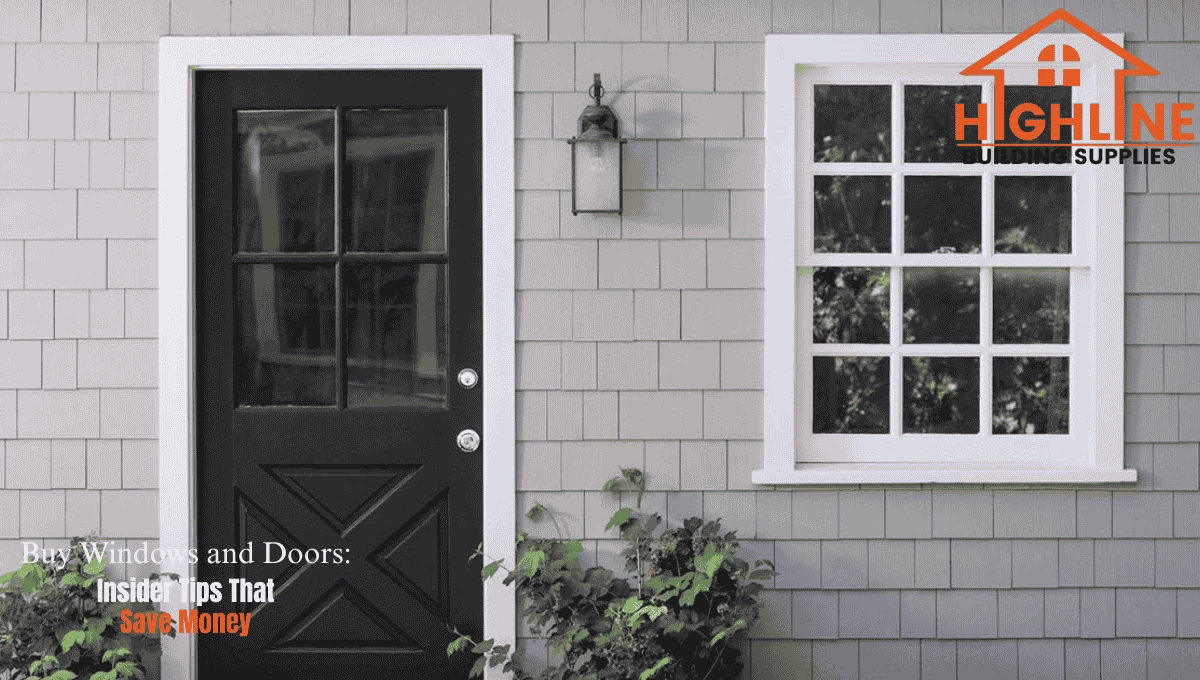
When homeowners decide to buy windows and doors, the focus often lands on style first—how it looks from the street or how it fits inside the home. Cost savings usually come later, sometimes too late. The truth is, smart decisions made early can protect your budget without sacrificing comfort, durability, or performance. This guide breaks down what experienced buyers know, what first-time buyers often miss, and how you can make confident choices that save money over time.
Whether you’re planning a renovation, replacing aging units, or building from scratch, understanding how windows and doors really work—and where costs add up—makes a measurable difference.
Why Buying Windows and Doors Is a Bigger Decision Than It Seems
Windows and doors aren’t just visual features. They directly affect:
- Energy efficiency and monthly utility bills
- Indoor comfort and noise control
- Home security and resale value
- Long-term maintenance costs
Replacing them is not something most homeowners want to do twice. That’s why knowing what to prioritize before buying matters more than chasing the lowest upfront price.
At Highline Building Supplies, years of working with contractors and homeowners have shown that the biggest regrets usually come from rushed decisions or focusing on the wrong features.
Understanding the Basics Before You Spend a Dollar
Windows vs. Doors: Different Jobs, Different Standards
While they’re often purchased together, windows and doors serve different structural and performance roles.
- Windows control light, airflow, insulation, and noise
- Doors handle security, access, insulation, and weather exposure
Treating them as one-size-fits-all products is a common mistake.
Interior vs. Exterior Products
Not all products are built for the same conditions:
- Interior doors focus on privacy, sound control, and design
- Exterior doors must resist weather, temperature swings, and forced entry
Mixing these categories—or buying without checking ratings—can lead to early wear or safety issues.
Where Homeowners Overspend (and How to Avoid It)
1. Paying for Features That Don’t Fit Your Climate
Triple-pane glass or extreme thermal ratings sound impressive, but they’re not always necessary. In many regions, mid-range performance windows provide excellent efficiency without inflated costs.
Instead of buying the “best” option on paper, buy what’s appropriate for your local climate and home design.
2. Ignoring Frame Materials
Glass gets most of the attention, but frames matter just as much.
- Vinyl frames are cost-effective, low-maintenance, and energy efficient
- Aluminum frames may cost more and can transfer heat
- Wood frames look great but require ongoing upkeep
A vinyl single hung window, for example, often balances price, performance, and durability better than more expensive alternatives.
How to Compare Windows Without Getting Overwhelmed
Focus on Function First
Before comparing brands or styles, answer these questions:
- Do you need ventilation or fixed glass?
- Is noise reduction important?
- Are energy bills a concern?
If natural light is the main goal, picture windows for sale can be a smart choice since they’re fixed, efficient, and typically more affordable than operable windows.
Don’t Overpay for Trends
Design trends change fast. What doesn’t change is how a window performs over 15–25 years. Clean, simple styles tend to age better and cost less to replace or repair.
Doors: Where Smart Choices Protect Your Budget
Exterior Doors Are About More Than Looks
A modern exterior door should provide:
- Proper insulation
- Secure locking systems
- Resistance to warping and moisture
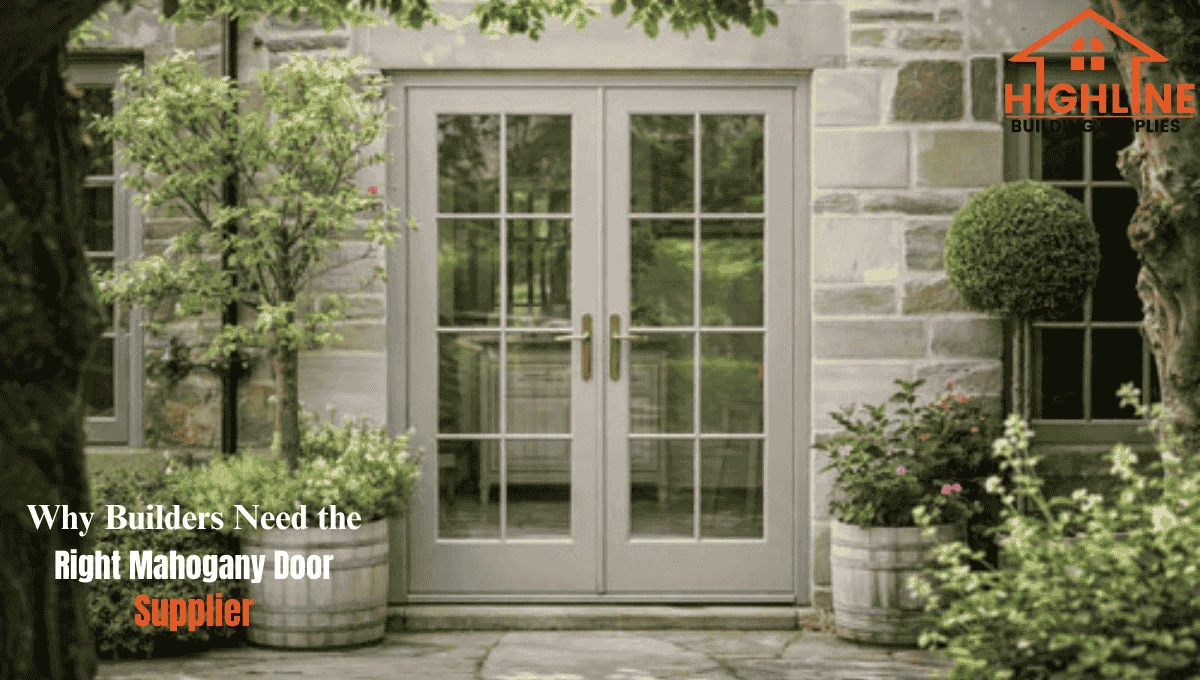
Steel and fiberglass doors often outperform solid wood in durability while costing less over time due to lower maintenance.
Interior Doors: Subtle Savings Add Up
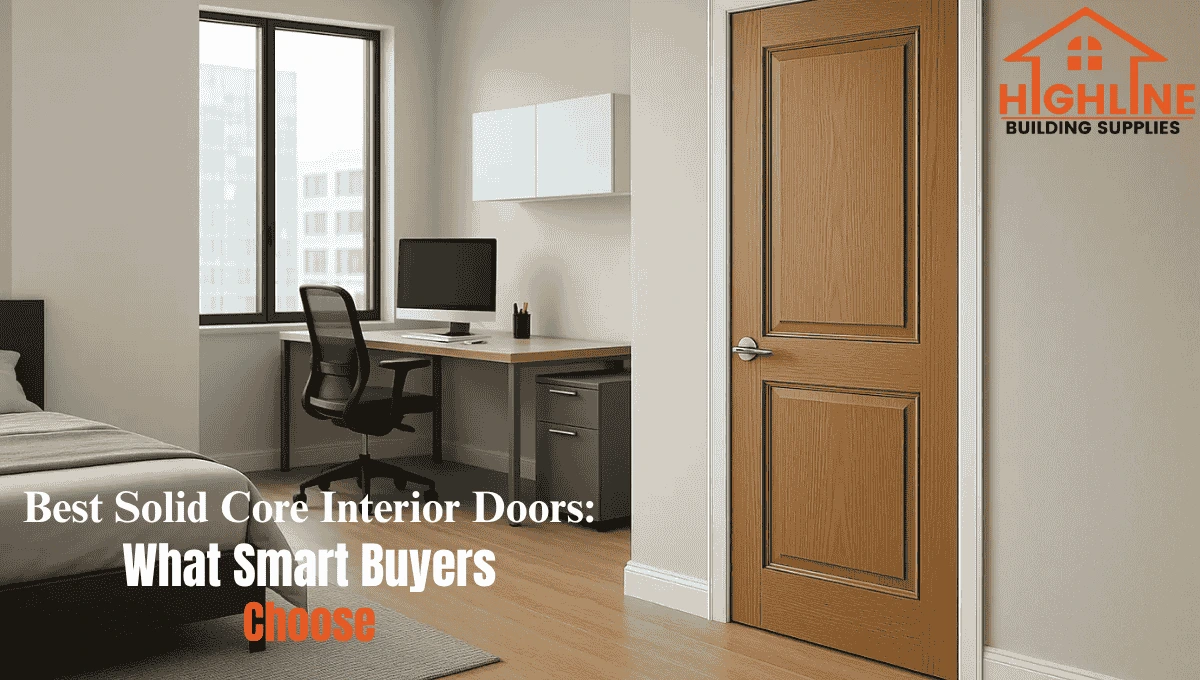
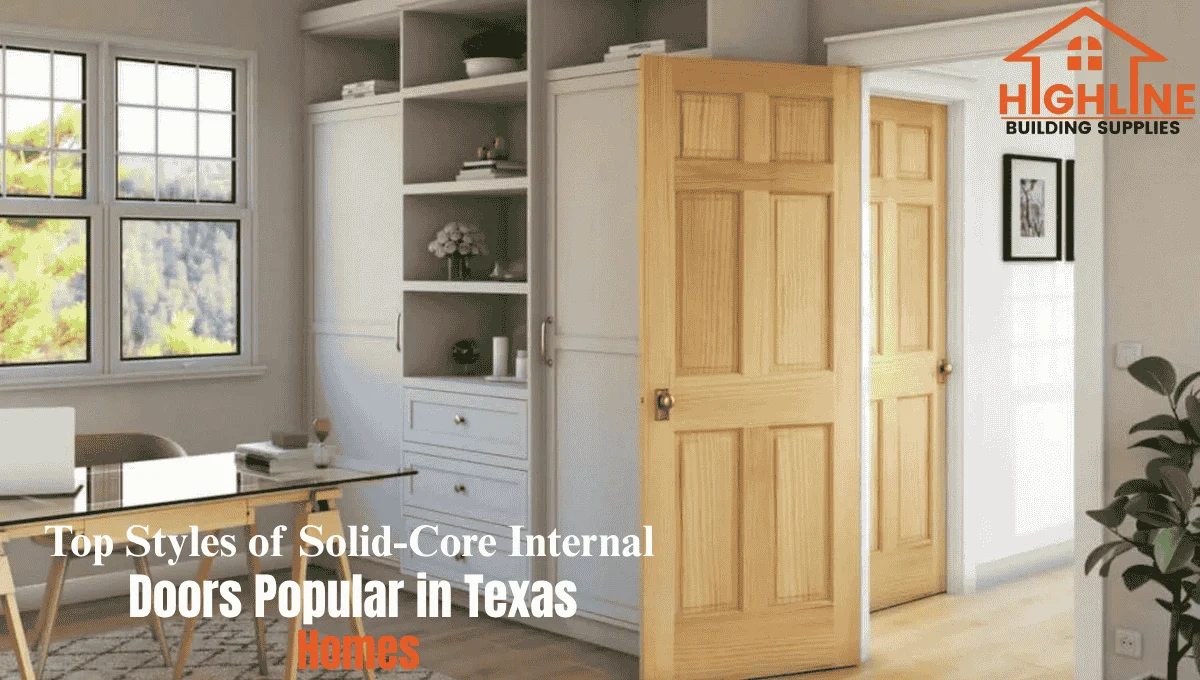
Interior doors don’t face weather, but poor-quality options can warp, crack, or fail at hinges. Spending slightly more upfront on solid, well-constructed Interior Doors can prevent frequent replacements.
Practical Tips That Save Real Money
Measure Twice—Order Once
Incorrect measurements are one of the most expensive mistakes. Custom corrections, restocking fees, or forced modifications can quickly erase any initial savings.
Bundle Your Purchases
Buying windows and doors together often reduces per-unit costs, shipping expenses, and installation complexity.
Plan Installation Timing
Labor costs fluctuate. Scheduling during off-peak seasons can lower installation rates and shorten lead times.
What Experienced Buyers Do Differently
People who consistently make good purchasing decisions tend to:
- Ask about warranties and real-world lifespan
- Compare total ownership cost, not just purchase price
- Choose proven product types over experimental designs
- Work with suppliers who understand both residential and contractor needs
This approach reduces surprises and keeps projects on budget.
Common Mistakes to Avoid
- Choosing style over performance
- Ignoring energy ratings altogether
- Mixing interior and exterior product standards
- Buying without confirming local code requirements
- Skipping professional guidance when unsure
Most of these mistakes don’t show up immediately—but they cost money later.
Real-World Scenarios: Making the Right Call
Renovation on a Budget
A homeowner replacing aging windows chose vinyl single hung units paired with fixed picture windows. The mix reduced costs while improving insulation and curb appeal.
New Build With Long-Term Savings in Mind
Instead of premium custom designs, the builder selected standard-sized windows and durable exterior doors. The result: faster installation, lower costs, and easier future replacements.
Expert Insights From the Field
One lesson learned repeatedly: homeowners rarely regret buying quality—but they often regret buying too cheaply. That doesn’t mean expensive. It means appropriate.
Working with an experienced supplier helps match products to real needs rather than marketing claims. For a deeper look at long-term performance, see this guide on best windows for homes and what actually holds up over time.
(FAQ)
How do I know when it’s time to replace windows and doors?
Drafts, rising energy bills, condensation between panes, and sticking frames are common signs.
Are vinyl windows a good long-term option?
Yes. Quality vinyl windows offer solid insulation, low maintenance, and good durability.
Do modern doors really improve energy efficiency?
They can. Proper seals, insulated cores, and correct installation make a noticeable difference.
Is it cheaper to replace everything at once?
Often, yes. Bundled purchases and single installation timelines reduce overall costs.
What Customers Say
We didn’t realize how much energy we were losing until we replaced our old windows. The difference was immediate.
The guidance we received helped us avoid features we didn’t need and focus on what mattered.
Choosing standard sizes saved us more than we expected, especially on installation.
Final Thoughts: Spend Smarter, Not Just Less
To buy windows and doors wisely is to think beyond today’s price tag. Focus on performance, suitability, and long-term value. The right decisions protect your comfort, your home, and your budget for years to come.
About the Author
This article was prepared by the Highline Building Supplies editorial team, drawing on years of hands-on experience working with homeowners, builders, and renovation professionals. The goal is simple: share practical insights that help people make confident, informed decisions without unnecessary costs.

Leave a comment