

Choosing the right building materials has never mattered more than it does heading into 2026. Rising construction costs tighter energy codes evolving design standards and long-term durability expectations mean there’s far less room for error. Whether you’re building from the ground up renovating a home or specifying materials for a commercial project the decisions you make now will affect performance maintenance and resale value for years to come.
At Highline Building Supplies we work daily with contractors, builders designers and homeowners who want materials that are dependable well sourced and practical not trendy products that look good for a season and fail under real world use. This category brings together core building materials that consistently perform where it matters most.
Why Building Materials Matter More in 2026
The construction landscape has changed. Supply chains are more selective, homeowners are more informed, and building standards are stricter than they were even a few years ago. Materials are expected to do more:
- Handle temperature swings and moisture exposure
- Meet energy-efficiency requirements
- Support modern aesthetics without sacrificing strength
- Reduce long-term maintenance and replacement costs
Making the wrong choice isn’t just inconvenient—it can lead to callbacks, premature repairs, or lost value.
That’s why selecting proven building materials from a reliable supplier is no longer optional. It’s foundational.
What This Building Materials Category Offers
This category focuses on materials that impact both structure and finish—products that builders and homeowners interact with every day after the project is complete. These are not specialty items meant for niche applications; they’re core components used across residential and light commercial construction.
You’ll find solutions designed for:
- New builds and major renovations
- Interior and exterior applications
- Performance-driven design choices
- Long-term durability under real conditions
Rather than overwhelming you with every option on the market, this category prioritizes materials with consistent demand, proven performance, and practical installation considerations.
Who This Category Is For
Contractors & Builders
You need materials that install cleanly, meet code, and don’t come back as warranty issues. Consistency matters as much as appearance.
Homeowners & Renovators
You want materials that look right today and still feel like the right choice five or ten years from now—without constant upkeep.
Designers & Architects
You’re balancing aesthetics with feasibility, cost, and durability. Materials must support your vision without introducing risk.
Property Managers & Developers
You care about longevity, replacement cycles, and tenant satisfaction. Short-term savings rarely justify long-term problems.
Key Building Materials That Demand Careful Selection
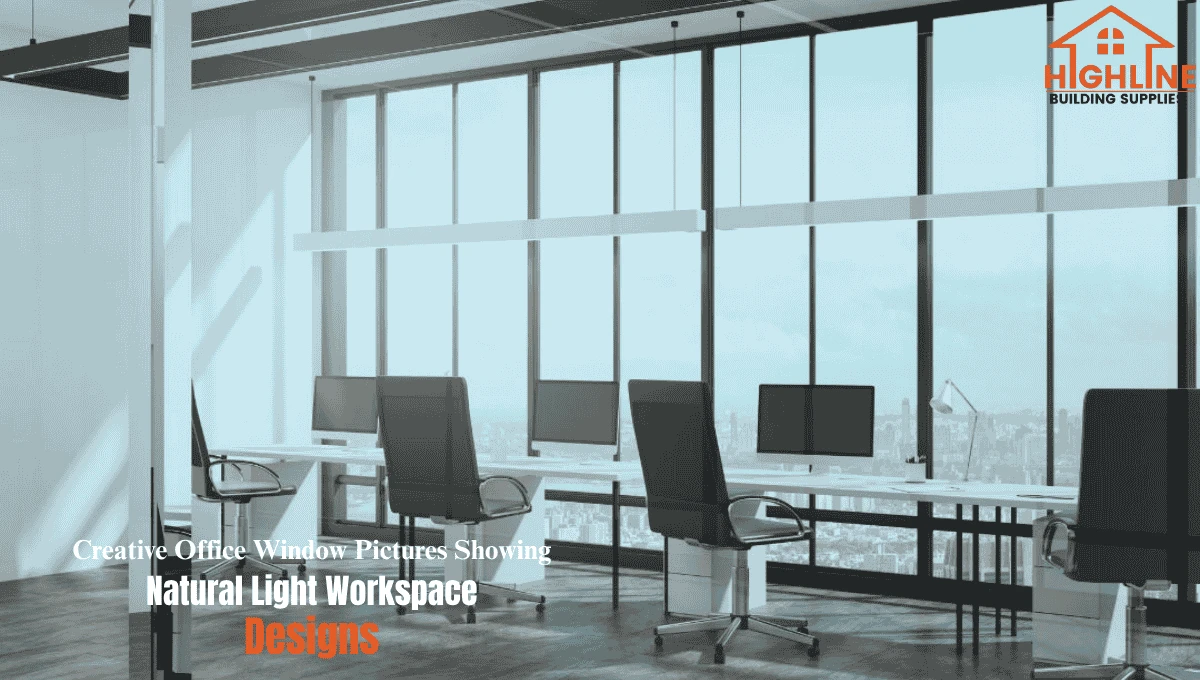
Glass Windows That Balance Performance and Design
Windows do far more than bring in light. Poor-quality glass windows can undermine insulation, increase energy bills, and create comfort issues year-round.
When selecting windows for modern projects, experienced builders look for:
- Multi-pane glass for thermal performance
- Proper sealing to reduce air leakage
- Frames designed to handle expansion and contraction
- Glass clarity that doesn’t distort natural light
In 2026, windows are expected to contribute to energy efficiency, not work against it. Quality glass windows support temperature regulation, reduce noise, and improve overall building comfort—benefits that are immediately noticeable to occupants.
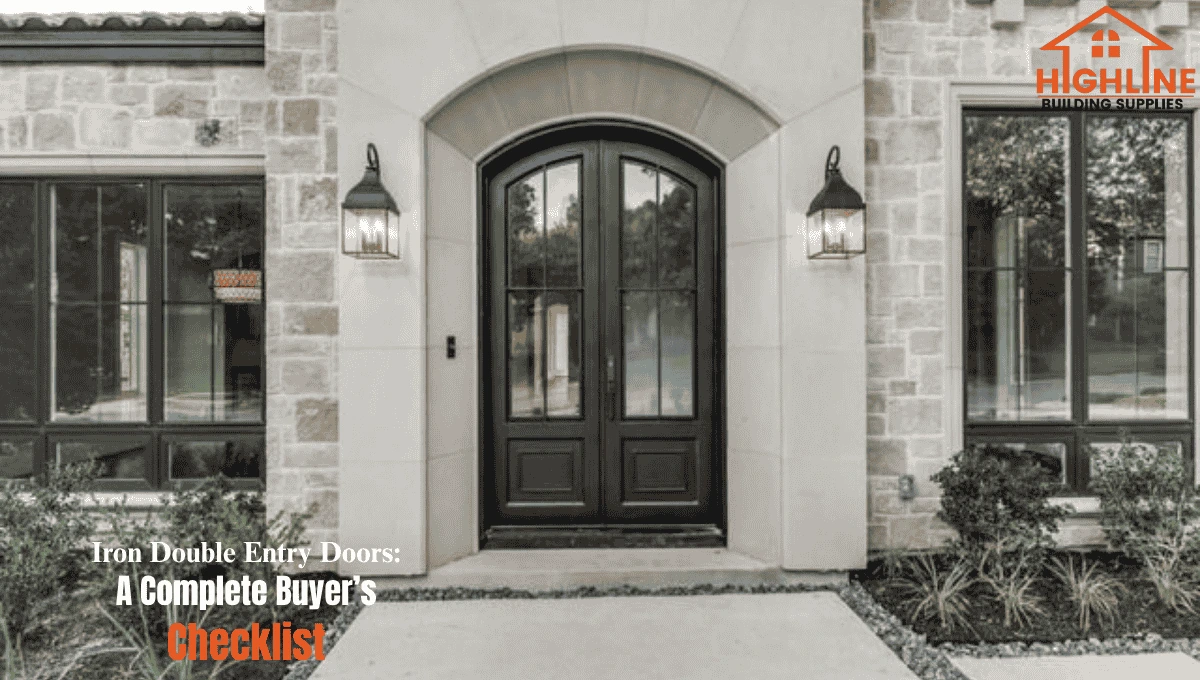
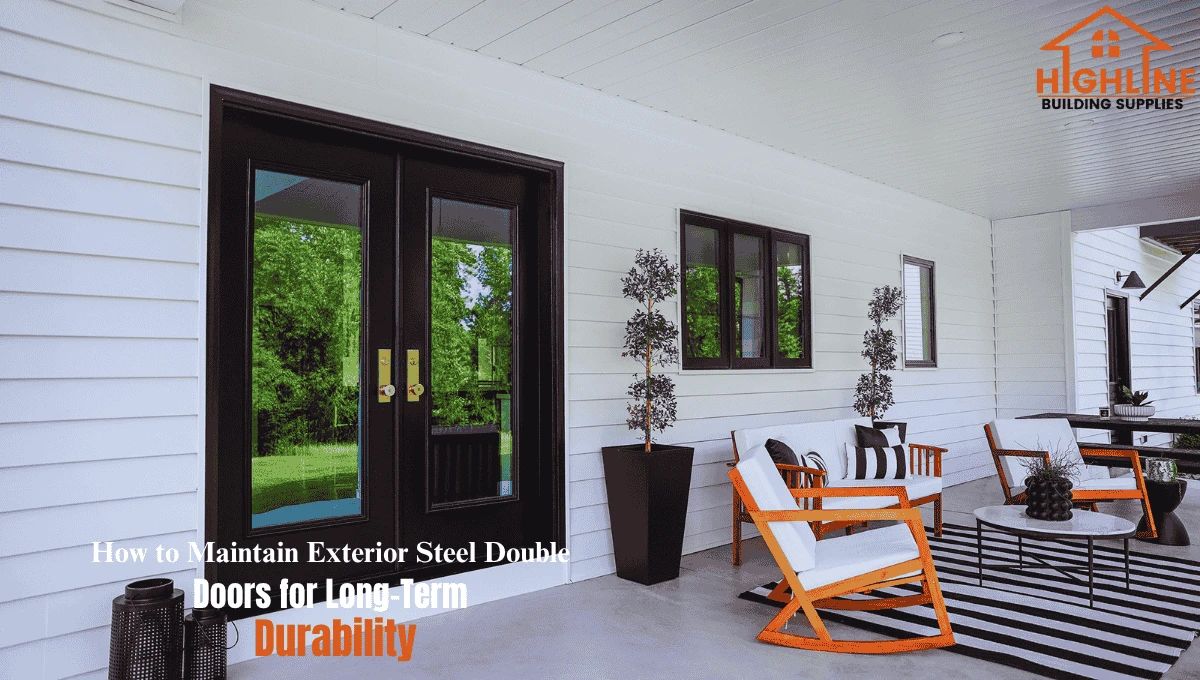
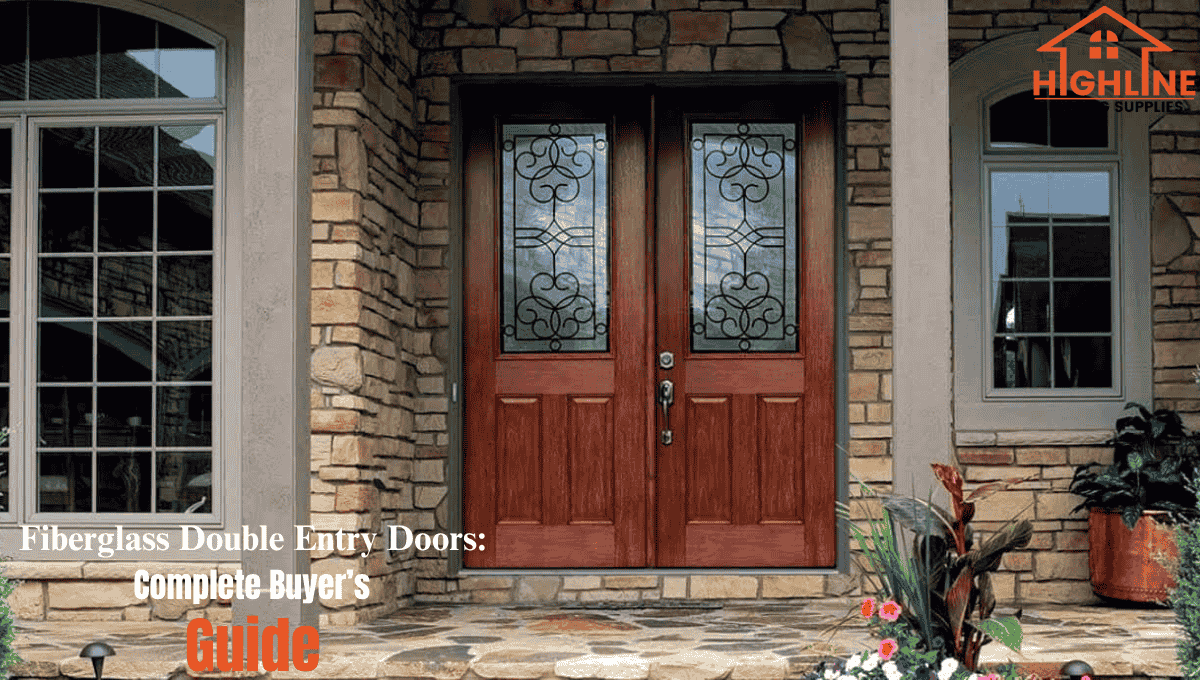
Modern Front Door Designs That Hold Up Over Time
A front door sets expectations. It’s one of the first elements people notice, and one of the most frequently used components of a home or building.
Modern front door designs today emphasize:
- Clean lines without sacrificing structural strength
- Materials resistant to warping, swelling, or fading
- Secure construction that supports updated locking systems
- Finishes that age gracefully rather than peel or crack
From our experience, the biggest mistake buyers make is prioritizing appearance alone. A door must perform under daily use, weather exposure, and security demands. Well-made modern designs do all three without compromise.
Best Flooring for Living Room Spaces That See Real Use
Living rooms are high-traffic areas. Flooring here needs to handle furniture movement, foot traffic, spills, and changing humidity levels.
When professionals evaluate the best flooring for living room applications, they focus on:
- Dimensional stability
- Surface durability
- Ease of cleaning and maintenance
- Compatibility with subfloor conditions
A visually appealing floor that scratches easily or reacts poorly to moisture becomes a liability fast. The right flooring choice supports both comfort and longevity, especially in shared or open-plan spaces.
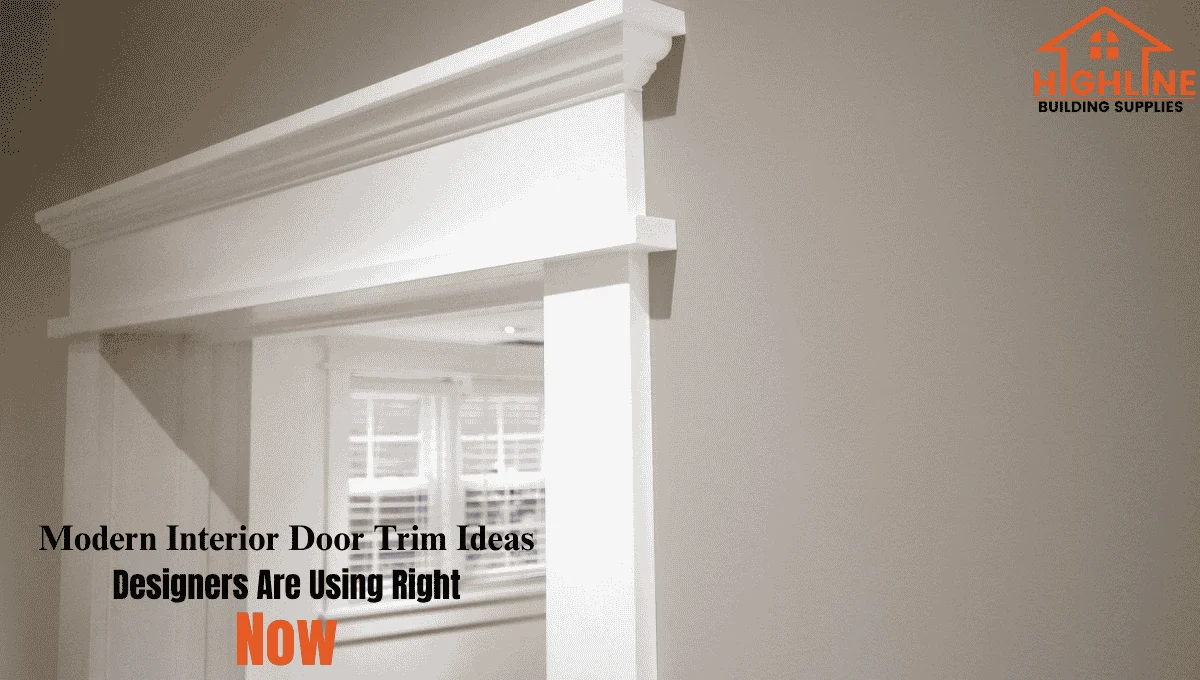
Trim for Interior Doors That Finishes the Job Properly
Trim might seem minor until it’s done poorly. Inconsistent profiles, low-density materials, or improper sizing can undermine an otherwise solid build.
Quality trim for interior doors should offer:
- Clean, consistent profiles
- Materials that resist dents and separation
- Smooth finishes ready for paint or stain
- Compatibility with modern and traditional interiors
Experienced installers know that good trim saves time during finishing and holds up better during everyday wear. It’s one of those details that separates rushed jobs from well-executed ones.
Practical Benefits of Choosing the Right Materials
Selecting dependable building materials isn’t about chasing premium labels—it’s about avoiding unnecessary problems.
Long-Term Cost Control
Better materials reduce repair cycles, callbacks, and replacements. That matters whether you’re a homeowner or managing multiple properties.
Predictable Installation
Materials designed for real-world use install more smoothly and consistently, saving time on site.
Better Occupant Experience
From temperature control to noise reduction and visual comfort, materials influence how a space feels every day.
Higher Resale and Property Value
Well-chosen materials age better and signal quality to future buyers or tenants.
What Sets Highline Supplies Apart
We don’t just sell materials—we work with them. Our product selection reflects years of hands-on experience with what performs well on job sites and in finished spaces.
Real-World Knowledge
Our team understands installation challenges, compatibility issues, and long-term performance—not just spec sheets.
Carefully Curated Selection
We focus on materials that meet practical needs, not short-lived trends.
Reliable Sourcing
Consistent supply and dependable quality matter, especially when timelines are tight.
Straightforward Guidance
We believe in clear information, realistic expectations, and helping customers make informed decisions.
Common Mistakes We See (and How to Avoid Them)
- Choosing based on looks alone
Appearance matters, but performance matters more. - Underestimating daily wear
High-use areas need materials designed for stress, not just light duty. - Ignoring climate factors
Moisture, temperature changes, and sunlight exposure affect material lifespan. - Mixing incompatible products
Not all materials work well together—proper pairing prevents issues later.
Avoiding these mistakes often comes down to choosing suppliers who understand how materials behave beyond the showroom.
Customer Experiences
We sourced windows and doors through Highline Supplies for a full renovation. Everything arrived consistent, and the install went smoother than expected.
— Mark R., Residential Contractor
The trim quality made a noticeable difference during finishing. Clean lines, no warping, and less prep work.
— Linda T., Interior Remodeler
I appreciated that no one oversold me. The recommendations were practical and fit how we actually use the space.
— Daniel S., Homeowner
Reliable materials and clear communication. That matters when you’re managing multiple projects.
— Aisha K., Property Manager
Frequently Asked Questions
How do I choose the right building materials for my project?
Start with how the space will be used, local climate conditions, and long-term maintenance expectations. Performance should guide style—not the other way around.
Are higher-priced materials always better?
Not always. Value comes from durability, consistency, and suitability for the application, not just price.
What building materials affect energy efficiency the most?
Windows, doors, and insulation-related components play a major role in energy performance.
How important is supplier reliability?
Very. Consistent quality and availability reduce delays, mismatched materials, and costly rework.
Should I prioritize modern designs or proven materials?
The best choice blends both—modern design built on materials with a track record of performance.
Making Confident Decisions in 2026
Construction and renovation aren’t forgiving when materials fall short. The right building materials support efficiency, appearance, and durability without adding complexity or risk.
At Highline Building Supplies, this category reflects what we’d use ourselves and recommend to professionals we trust. It’s built for people who want fewer surprises, smoother installs, and results that hold up long after the project is finished.
If you’re planning ahead for 2026, this is where confident decisions start.
About the Team
The Highline Building Supplies Team brings hands on experience from construction renovation and material sourcing. We work closely with builders and homeowners to understand what actually performs on site not just what looks good on paper. Our focus is helping customers choose materials that make projects smoother today and more reliable tomorrow.

Leave a comment