pantry door ideas

Pantry Door Ideas That Instantly Elevate Kitchen Flow

When people think about kitchen upgrades, pantry doors rarely top the list. Yet the right pantry door ideas can dramatically improve how your kitchen looks, moves, and functions day to day. From easing traffic flow to reducing visual clutter, pantry doors play a much bigger role than most homeowners realize especially in modern layouts where kitchens serve as both workspaces and gathering areas.

Drawing on hands-on experience with residential construction, renovations, and building materials, this guide breaks down what actually works when choosing pantry doors. We’ll cover practical design options, real-world sizing considerations, common mistakes to avoid, and how door construction impacts durability and performance. Whether you’re remodeling or building new, this article is designed to help you make confident, informed decisions—not push products.

Why Pantry Doors Matter More Than You Think

A pantry door isn’t just a barrier it’s part of your kitchen’s workflow. Poor door choices can cause daily annoyances like blocked walkways, awkward clearances, or doors that clash with cabinets and appliances. The right door, on the other hand, can:

  • Improve movement between prep, storage, and cooking zones
  • Make small kitchens feel more open
  • Reduce noise from appliances or storage areas
  • Add architectural balance without overpowering the space

In professional builds, pantry doors are planned early because they affect framing, sightlines, and even lighting. In remodels, they’re often corrected later usually after homeowners realize something feels off.

Key Pantry Door Concepts (What Homeowners Should Know)

Before exploring specific pantry door ideas, it helps to understand a few fundamentals that professionals rely on.

Door Swing vs. Door Slide

One of the most common issues we see on job sites is a pantry door that opens into the worst possible spot—blocking drawers, islands, or walkways.

  • Swing doors require clearance. If space is tight, they can disrupt traffic.
  • Sliding doors (barn or pocket) save space but need proper wall planning.
  • Bi-fold doors work for shallow pantries but can feel flimsy if poorly built.

The best choice depends on kitchen layout, not just aesthetics.

Height Impacts Visual Flow

Standard interior doors are often Pantry door 6’8″ Height, but many newer kitchens are moving toward Pantry door 8’0″ Height for better proportions—especially with higher ceilings.

Taller doors:

  • Make ceilings feel higher
  • Reduce visual breaks in cabinetry lines
  • Feel more custom and intentional

However, they require proper framing and planning early in the project.

Popular Pantry Door Ideas That Improve Kitchen Flow

Below are door styles that consistently perform well in real homes—not just in photos.

  1. Solid Swing Doors for Traditional Layouts

A full swing door remains one of the most reliable options when space allows. When paired with solid core doors, they offer excellent durability and sound control—ideal if your pantry also houses appliances or bulk storage.

Best for:

  • Larger kitchens
  • Homes with dedicated pantry rooms
  • Households that prioritize durability

Limitations:

  • Requires adequate clearance
  • Can feel heavy if poorly hinged
  1. Pocket Doors for Seamless Movement

Pocket doors slide into the wall, completely disappearing when open. From a workflow perspective, they’re hard to beat.

Why professionals like them:

  • No door swing interference
  • Clean, minimalist appearance
  • Great for narrow aisles or galley kitchens

What people get wrong:
Installing pocket doors without reinforcing the wall structure can lead to misalignment and rattling over time.

  1. Sliding Barn-Style Doors (With Caution)

Barn doors are popular, but they’re often misused. When chosen carefully, they can work well.

When they make sense:

  • Wide wall space next to the pantry
  • Casual or farmhouse-style kitchens
  • Situations where pocket doors aren’t feasible

Common drawbacks:

  • No sound or odor seal
  • Track hardware must be high quality
  • Not ideal near cooking zones
  1. Glass-Panel Pantry Doors for Visibility

Glass doors can improve flow visually by making the kitchen feel larger. They work best when the pantry is well-organized.

Options include:

  • Frosted glass for privacy
  • Reeded or textured glass for light diffusion
  • Clear glass for display-style pantries

Pro tip: Glass doors demand consistency. If the pantry interior is cluttered, they can create visual noise.

Choosing High-Quality Pantry Doors That Last

Not all doors are created equal. One of the biggest differentiators in long-term performance is door construction.

Why Solid Core Doors Matter

In real-world homes, Solid core doors outperform hollow-core doors in nearly every way:

  • Less prone to warping
  • Better sound reduction
  • Heavier, more substantial feel
  • Improved longevity in high-use areas

They’re especially valuable for pantries that double as storage hubs or appliance zones.

Materials That Hold Up Over Time

Experienced builders prioritize materials that tolerate humidity, temperature changes, and frequent use. This is where selecting high-quality pantry doors becomes less about style and more about performance.

If you’re unsure how materials affect long-term durability, this guide on building materials explains why seemingly small choices can have lasting consequences.

Practical Sizing and Installation Considerations

Standard vs. Tall Pantry Doors

Most homes still use Pantry door 6’8″ Height, but taller doors are increasingly common in:

  • New construction
  • Open-concept kitchens
  • Homes with 9’ or higher ceilings

Pantry door 8’0″ Height options offer cleaner lines but require:

  • Taller rough openings
  • Matching trim and casing
  • Careful alignment with cabinetry

Clearance and Traffic Flow

Before choosing a door style, map out:

  • Appliance door swings
  • Island overhangs
  • Drawer and cabinet clearance

What looks good on paper can feel awkward in daily use.

Common Pantry Door Mistakes (and How to Avoid Them)

After years of seeing renovations up close, these mistakes come up repeatedly:

  • Choosing style before layout
  • Ignoring door swing direction
  • Installing hollow-core doors in high-traffic kitchens
  • Undersizing doors in tall-ceiling spaces
  • Forgetting about future storage needs

Most of these issues aren’t expensive to fix—but they’re frustrating when discovered after installation.

Expert Tips From the Field

  • Always mock up door swing paths before finalizing layouts
  • Prioritize function first, style second
  • Match door height to ceiling height whenever possible
  • Invest in better hinges and hardware—it pays off long-term
  • Don’t underestimate the value of weight and feel

Experienced suppliers like High Line Supplies work closely with builders and remodelers who see these details every day, which is why practical guidance often matters more than trends.

Real-World Pantry Door Use Cases

Small Urban Kitchen

A narrow kitchen benefited from a pocket pantry door that eliminated bottlenecks near the refrigerator.

Family Home With Heavy Use

A solid core swing door reduced noise from appliances and handled constant daily traffic without loosening over time.

Modern New Build

An 8’ pantry door aligned with tall cabinetry created a seamless, high-end look without added ornamentation.

FAQ:

What is the best pantry door for small kitchens?

Pocket or sliding doors work best because they don’t interfere with walkways.

Are solid core pantry doors worth it?

Yes. They’re quieter, sturdier, and hold up better over time.

Should pantry doors match kitchen cabinets?

They don’t have to, but they should complement the overall style and proportions.

Is an 8-foot pantry door better than standard height?

In taller kitchens, yes. It improves visual flow and feels more custom.

Can glass pantry doors work in busy households?

They can, but only if the pantry stays organized or uses textured glass.

What Homeowners Are Saying

Switching to a pocket pantry door completely fixed our traffic issue near the island.
Mark T., Renovation Homeowner

We upgraded to a solid core pantry door, and the difference in sound and feel was immediate.
Angela R., New Build Client

Our 8-foot pantry door made the kitchen feel taller without changing the layout.
Jason L., Custom Homeowner

Final Thoughts: Pantry Doors Are a Design Decision—Not an Afterthought

The best pantry door ideas are the ones that quietly improve daily life. They open smoothly, stay out of the way, and feel solid every time you use them. By focusing on layout, construction quality, and real-world use—not just trends—you can choose a pantry door that genuinely elevates kitchen flow.

About the Editorial Team

This article was written by the Highline Building Supplies editorial team, drawing on hands-on experience working with builders, remodelers, and homeowners across residential projects. Our focus is practical guidance rooted in real construction challenges, helping readers make informed decisions about materials, layout, and long-term performance.
solid core doors

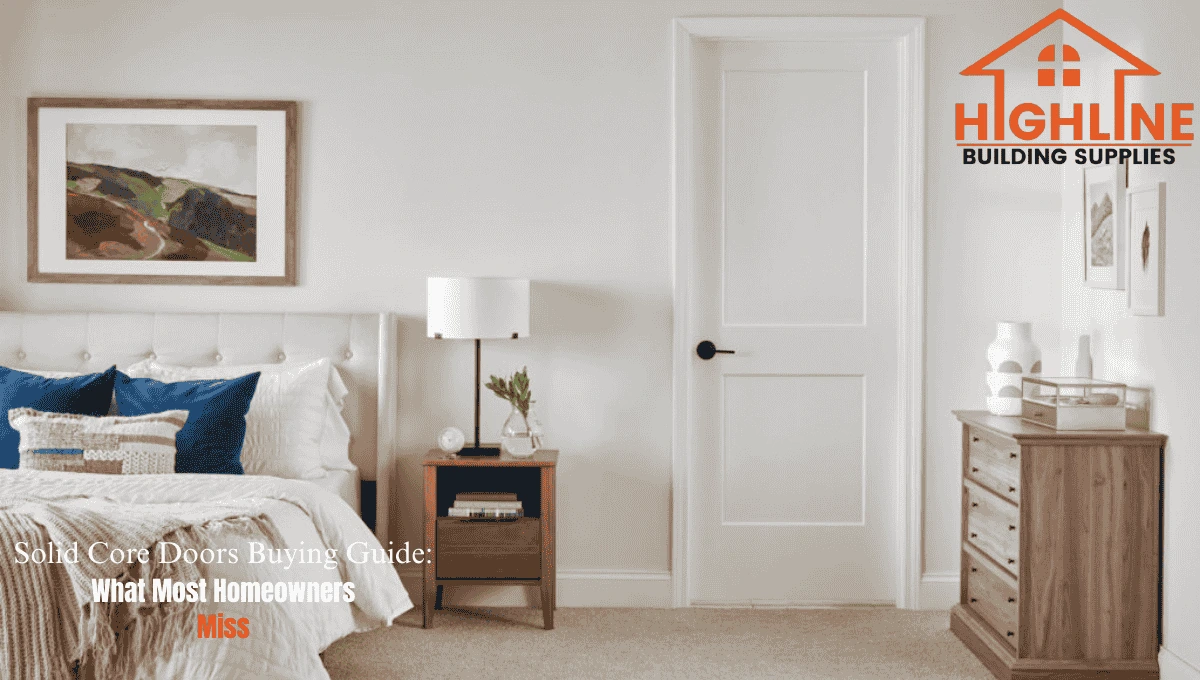
Solid Core Doors Buying Guide: What Most Homeowners Miss

Choosing interior doors doesn’t usually feel like a high-stakes decision—until you live with the wrong ones. In many homes, doors are picked late in the process, often based on price or appearance alone. That’s where most people go wrong.

Solid core doors sit in a middle ground between budget hollow options and expensive solid wood doors, and they’re frequently misunderstood. Homeowners assume they’re “basically the same” as hollow doors, or they overpay for features they don’t actually need. This guide is meant to fix that.

Drawing from real-world experience in home improvement and building materials, this article breaks down what solid core doors really are, when they make sense, where they don’t, and the common mistakes homeowners regret after installation.

What Are Solid Core Doors (and What They’re Not)

A solid core door is an interior doors built with a dense engineered core—typically particleboard, MDF, or a composite material—wrapped in a wood veneer or molded surface.

They are not:

  • Fully solid wood doors
  • Exterior-rated doors
  • Purely decorative upgrades

They are:

  • Heavier and denser than a hollow core door
  • Designed to improve sound control and durability
  • A practical upgrade for everyday living spaces

Solid Core vs Hollow Core: The Core Difference

The confusion usually starts here.

Feature Solid Core Doors Hollow Core Door
Weight Heavy Very light
Sound control Moderate to good Minimal
Durability High Low
Feel when closing Substantial Thin, echoing
Cost Mid-range Budget

A hollow core door is essentially a shell with a cardboard or honeycomb interior. It works fine for closets or low-traffic rooms. But once installed in bedrooms, offices, or bathrooms, their weaknesses become obvious—especially with noise.

Why Solid Core Interior Doors Matter More Than You Think

Homeowners often focus on finishes, flooring, and fixtures while underestimating doors. In reality, interior doors affect daily comfort more than most people expect.

Practical Benefits That Show Up Every Day

  1. Better Sound Control
    Solid core interior doors noticeably reduce noise transfer. This matters in:
  • Home offices
  • Bedrooms near living areas
  • Nurseries
  • Media rooms

They won’t soundproof a room, but they dramatically cut down voices, TVs, and everyday household noise.

  1. Durability That Holds Up
    Solid core doors resist:
  • Warping
  • Dents from kids or pets
  • Hardware loosening over time

In busy homes, this translates to fewer repairs and longer replacement cycles.

  1. A More Substantial Feel
    This is subjective, but important. Solid core doors close with weight. They don’t rattle, flex, or feel disposable—something many homeowners only realize after upgrading.

Door Styles Homeowners Commonly Overlook

Once people decide on solid core, they often rush the style decision. That’s where design regrets happen.

Shaker Styles Explained (Without the Hype)

Shaker doors are popular because they balance clean lines with versatility. The panel count changes the look more than most people expect.

1 Pan Shaker

  • Minimalist, modern
  • Works well in contemporary homes
  • Shows wall imperfections more clearly

2 Pan Shaker

  • Transitional option
  • Works in modern and traditional spaces
  • Common in renovations blending old and new

5 Pan Shaker

  • More traditional appearance
  • Better suited for classic or craftsman interiors
  • Visually busier but forgiving in older homes

Many homeowners choose purely based on photos, without considering ceiling height, trim width, or wall texture. That mismatch often feels “off” after installation.

Where Solid Core Doors Make the Most Sense

Not every room needs an upgrade. Strategic placement matters.

Rooms That Benefit Most

  • Bedrooms
  • Bathrooms
  • Home offices
  • Guest rooms
  • Shared walls between noisy spaces

Rooms Where Hollow Core Is Usually Fine

  • Closets
  • Pantries
  • Laundry rooms (in some layouts)

A common mistake is installing solid core doors everywhere “just in case.” That adds cost without adding value.

The Weight Problem No One Warns You About

Here’s a hands-on issue that comes up often: solid core doors are heavy.

That affects:

  • Hinges (cheap hinges will sag)
  • Door frames (must be square and secure)
  • Installation labor

Homeowners sometimes reuse old hardware or frames designed for hollow doors. The result is sticking doors, uneven gaps, and long-term wear.

Expert tip:
If your home has older framing, budget for hinge upgrades and frame inspection. This prevents problems that show up months later.

Sound Control: What Solid Core Doors Can and Can’t Do

There’s a myth that solid core doors “block sound.” They don’t—at least not fully.

What they do:

  • Reduce airborne noise
  • Limit sound vibration through the door panel

What they don’t:

  • Seal gaps at the bottom or frame
  • Replace acoustic insulation
  • Eliminate sound completely

For real results, pair solid core doors with:

  • Proper weatherstripping (even for interiors)
  • Tight door-to-frame tolerances
  • Rugs or soft furnishings inside rooms

Common Buying Mistakes Homeowners Regret

After years of feedback from builders and homeowners, these mistakes come up repeatedly.

  1. Choosing Style Before Function

A door that looks great but doesn’t control sound or fit the space will always disappoint.

  1. Ignoring Door Thickness

Standard thickness works for most homes, but some renovations require adjustments. Skipping this check causes trim and hardware issues later.

  1. Mixing Door Types Randomly

Combining hollow and solid core doors in adjacent rooms often feels inconsistent—especially in hallways.

  1. Overlooking Long-Term Use

What works for a guest room might not work for a child’s bedroom or home office.

Solid Core Doors and the Bigger Picture of Building Materials

Doors don’t exist in isolation. They interact with framing, trim, flooring, and wall construction. That’s why experienced suppliers stress planning ahead.

If you’re renovating or building, it’s worth understanding how doors fit into the broader category of building materials that affect performance and comfort. Some choices are easy to change later—doors are not.

(For a broader perspective, see this related guide on building materials that homeowners frequently underestimate.)

Real-World Use Cases from Actual Homes

Case 1: Home Office Upgrade

A homeowner replaced a hollow core door with a solid core interior door in a shared hallway office. Result:

  • Fewer interruptions during calls
  • Less sound leakage from TV noise
  • No change needed to wall construction

Case 2: Bedroom Privacy in a Family Home

Parents upgraded bedroom doors after realizing nightly noise traveled easily. Solid core doors reduced sound enough to improve sleep without full renovation.

Case 3: Renovation on a Budget

Rather than upgrading every door, solid core doors were installed only in bedrooms and bathrooms. Closets remained hollow core—saving money with no downside.

FAQs:

Are solid core doors worth the extra cost?

For bedrooms, offices, and bathrooms—yes. For closets and low-use spaces, usually not.

Do solid core doors increase home value?

They don’t add resale value directly, but they improve daily living quality, which buyers often notice.

Can I replace a hollow core door with a solid core door?

Usually yes, but hinges and frames may need reinforcement.

Are solid core doors better for soundproofing?

They reduce noise but don’t fully soundproof. Sealing gaps matters just as much.

Are solid core doors hard to install?

They require more care due to weight, but a professional installer won’t find them difficult.

What Homeowners Say (Real Experiences)

We didn’t realize how loud our house was until we upgraded just two doors. Huge difference.
Mark L., homeowner

I wish someone had told us about hinge upgrades earlier. Once that was fixed, the doors were perfect.
Sandra K., renovation client

Solid core doors made our home office usable without remodeling the whole room.
Daniel R., remote worker

Final Thoughts: What Most Homeowners Miss

Solid core doors aren’t about luxury—they’re about function, comfort, and longevity. The mistake most homeowners make isn’t choosing the wrong brand or style. It’s misunderstanding where these doors matter and what they actually do.

When chosen intentionally, solid core interior doors solve real problems:

  • Noise
  • Wear and tear
  • Day-to-day comfort

That’s why experienced suppliers like the team behind Highline Supplies emphasize education first. The right door choice rarely feels dramatic—but it quietly improves how a home works every single day.

About the Author / Editorial Team

This article was written by contributors with hands-on experience in home improvement and building materials, drawing from real renovation projects, supplier insights, and homeowner feedback. The focus is always on practical guidance what works, what doesn’t and what people wish they knew before making long-term decisions.

hollow core door

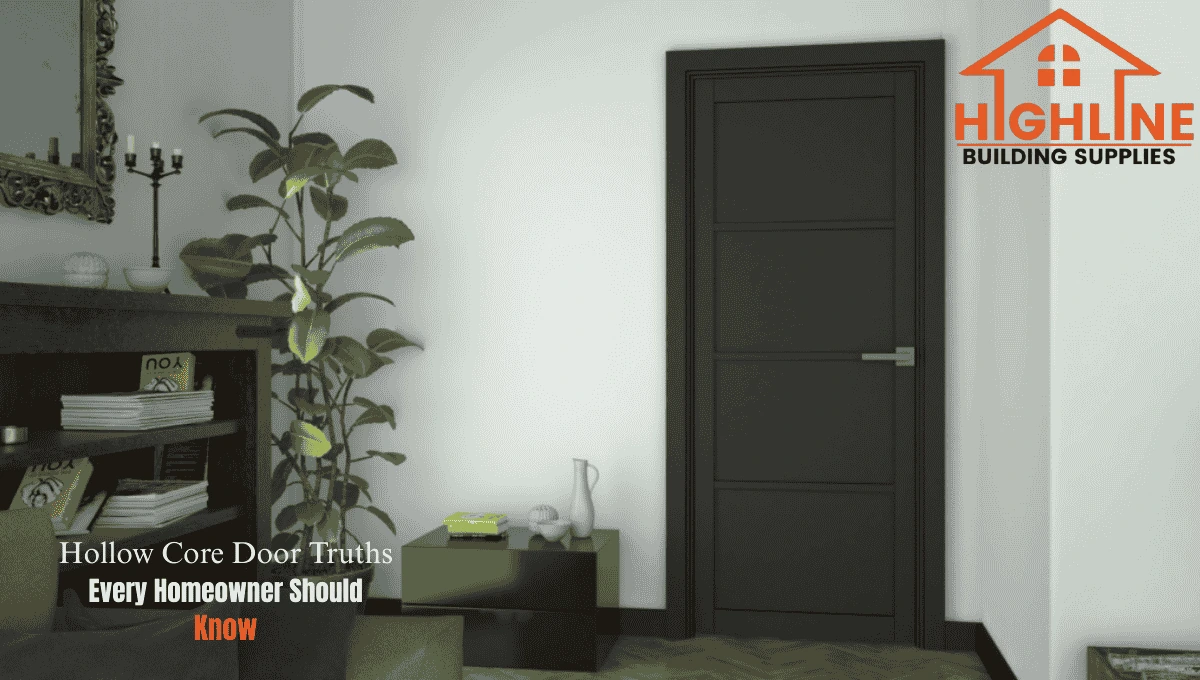
Hollow Core Door Truths Every Homeowner Should Know

Choosing the right interior door might seem like a small decision, but it can quietly impact comfort, privacy, noise control, and even long-term maintenance. One option that often comes up especially in budget-conscious renovations is the hollow core door. While common in many homes, these doors are frequently misunderstood. Homeowners often install them without fully knowing their strengths, limitations, or best-use scenarios.

This guide breaks down the real truths behind hollow core doors, based on hands-on industry experience and practical homeowner concerns so you can decide when they make sense and when they don’t.

What Is a Hollow Core Door?

Despite the name, a hollow core door isn’t completely empty. It’s constructed with a lightweight internal structure—often honeycomb cardboard or engineered supports—encased between thin wood or molded fiberboard skins.

This design keeps the door light, affordable, and easy to install, which explains why hollow core doors are commonly used in residential construction, apartments, and remodels.

Key structural characteristics:

  • Lightweight internal core
  • Thin molded or composite exterior panels
  • Pre-hung or slab options
  • Designed primarily for interior use

You’ll often see hollow core doors grouped under broader Interior Doors categories because they are not intended for exterior exposure or high-security applications.

Why Hollow Core Doors Are So Widely Used

From a builder’s or homeowner’s perspective, hollow core doors solve several practical problems—especially when balancing cost and function.

Primary Benefits Homeowners Appreciate

  • Affordability
    Hollow core doors are among the most budget-friendly door options available, making them ideal for large projects with multiple rooms.
  • Lightweight Handling
    Their low weight makes them easier to transport, install, and adjust—especially helpful during DIY renovations.
  • Consistent Appearance
    Molded designs provide a clean, uniform look that fits modern and traditional interiors alike.
  • Availability in Standard Sizes
    Sizes like Molded Panel 1’8″ x 8’0″ Riverside or Molded Panel 2’4″ x 6’8″ Riverside are widely stocked, reducing wait times during construction or replacement.

These benefits explain why hollow core doors remain a staple in residential builds—but they don’t tell the full story.

The Limitations Most Buyers Learn Too Late

Where hollow core doors shine in affordability, they compromise in performance. Understanding these trade-offs upfront prevents frustration later.

Common Drawbacks to Consider

  • Poor Sound Insulation
    Hollow interiors do little to block noise. This becomes noticeable in bedrooms, home offices, or shared living spaces.
  • Lower Impact Resistance
    Thin skins dent more easily than solid alternatives. Repeated impacts or slamming can shorten lifespan.
  • Limited Privacy
    Sound and vibration pass through more easily, which can be an issue in bathrooms or work-from-home setups.
  • Hardware Limitations
    Heavy hardware or repeated adjustments can loosen faster due to the lightweight internal structure.

These realities don’t make hollow core doors “bad”—they simply make them situational.

Best Places to Use Hollow Core Doors

Based on real-world residential projects, hollow core doors work best in areas where noise, durability, and privacy aren’t critical.

Ideal use cases include:

  • Closets
  • Pantries
  • Laundry rooms
  • Guest rooms used occasionally
  • Utility or storage spaces

In contrast, homeowners often regret installing them in:

  • Primary bedrooms
  • Bathrooms
  • Home offices
  • Media rooms

Understanding placement is one of the biggest factors in long-term satisfaction.

Hollow Core Doors vs Solid Core Doors

One of the most common homeowner questions is whether upgrading is worth it.

Practical Comparison

Feature Hollow Core Solid Core
Weight Very light Heavier
Cost Lower Higher
Sound Control Minimal Significantly better
Durability Moderate High
Installation Easier More demanding

If budget allows, many homeowners mix both—using hollow core doors in low-impact areas and solid core doors where comfort matters most.

Molded Panel Hollow Core Doors: What to Know

Products like Molded Panel 1’8″ x 8’0″ Riverside and Molded Panel 2’4″ x 6’8″ Riverside are popular because they balance aesthetics and price.

Why molded panel designs work well:

  • Uniform texture and finish
  • Easy to paint
  • Resistant to minor surface cracking
  • Consistent dimensions for replacement projects

However, molded panels don’t improve internal performance. The core remains lightweight, so expectations should match function.

Installation Considerations That Affect Longevity

From years of supplier and installer feedback, improper installation causes more issues than the door itself.

Practical Installation Tips

  • Ensure hinges are anchored into framing, not just trim
  • Avoid overtightening screws
  • Use door stops to reduce impact stress
  • Align frames carefully to prevent twisting

Small installation shortcuts often lead to sagging, latch issues, or surface damage over time.

Common Mistakes Homeowners Make

Many complaints about hollow core doors stem from mismatched expectations rather than product failure.

Mistakes to avoid:

  • Assuming all interior doors perform the same
  • Installing them in noise-sensitive rooms
  • Hanging heavy mirrors or organizers
  • Ignoring humidity exposure in bathrooms

Understanding the door’s purpose helps avoid costly replacements later.

Cost Factors to Keep in Mind

Hollow core doors are affordable upfront, but long-term value depends on use.

Costs are influenced by:

  • Size and panel design
  • Pre-hung vs slab
  • Finish and paint readiness
  • Hardware selection

As material pricing fluctuates, broader construction costs—especially building materials—can impact availability and pricing. For context, Highline Building Supplies regularly tracks these trends in resources like their breakdown of building materials affecting future construction costs.

Real-World Examples from Residential Projects

In multi-unit housing projects, hollow core doors are often selected for secondary spaces to keep budgets manageable. In contrast, homeowners renovating single-family homes frequently upgrade key rooms after experiencing noise issues.

This mixed-use approach reflects practical decision-making rather than brand preference.

(FAQ)

Are hollow core doors durable enough for daily use?

Yes, when used in low-impact interior spaces and installed correctly, they hold up well for everyday use.

Can hollow core doors be repaired if damaged?

Minor surface dents can sometimes be filled, but significant damage usually requires replacement.

Are hollow core doors good for bathrooms?

They can work, but moisture exposure and privacy concerns often make solid core doors a better option.

Do hollow core doors affect home value?

They typically don’t reduce value, but higher-quality doors in key rooms can improve buyer perception.

What Experienced Suppliers Want Buyers to Know

From years of working with homeowners and contractors, one truth stands out: hollow core doors are neither good nor bad—they’re purpose-driven products.

When buyers understand:

  • where they work best
  • what they don’t offer
  • how they should be installed

they tend to be satisfied long-term.

Highline Building Supplies regularly helps customers navigate these decisions by matching door types to real usage needs rather than trends or assumptions.

Customer Experiences

“We used hollow core doors for closets and laundry spaces, and they’ve been perfectly fine.”

“I wish I’d known about sound transfer earlier—ended up upgrading our office door later.”

“Lightweight made installation easier during our remodel.”

“They’re great for secondary rooms if you set expectations right.”

Final Thoughts: Making the Right Choice

A hollow core door can be a smart, cost-effective solution—or a frustrating compromise—depending on how and where it’s used. Homeowners who take time to understand the trade-offs usually end up with better results and fewer regrets.

The key is not choosing the cheapest option—but choosing the right option for the space.

About the Author

Highline Building Supplies Editorial Team
Our team works closely with contractors, builders, and homeowners to provide practical insights based on real-world project experience. We focus on clarity, accuracy, and helping readers make informed decisions about building materials that impact daily living.

mahogany front door

Why a Mahogany Front Door Instantly Increases Home Value

A mahogany front door is more than a design choice it’s a long-term investment that directly impacts how a home is perceived valued and protected. From real estate professionals to builders and discerning homeowners mahogany has earned its reputation as one of the most reliable and visually striking materials for entry doors.

At Highline Building Supplies we’ve worked closely with contractors, architects and homeowners who consistently choose mahogany for one clear reason it delivers measurable value the moment it’s installed. This category page breaks down why mahogany front doors increase home value who they’re best for and how to choose the right style for your property without hype or guesswork.

The Immediate Impact of a Mahogany Front Door

First impressions matter, especially in real estate. A front door is often the first physical interaction someone has with a home. A mahogany front door signals craftsmanship, durability, and thoughtful design before a buyer ever steps inside.

Unlike lower-grade wood or steel alternatives, mahogany offers:

  • Rich, natural grain patterns that elevate curb appeal
  • High density for strength and long-term performance
  • Excellent resistance to moisture and seasonal movement
  • A premium appearance without excessive ornamentation

These qualities translate directly into higher perceived home value, which is why mahogany doors are frequently specified in custom homes, renovations, and resale-focused upgrades.

Why Mahogany Is Trusted by Builders and Homeowners

Mahogany doors have been used in residential construction for decades, not trends. Builders continue to recommend them because they perform reliably in real-world conditions—not just showrooms.

Practical Advantages of Mahogany Doors

  • Dimensional stability: Less warping and swelling than many hardwoods
  • Longevity: Properly sealed mahogany doors can last decades
  • Refinishing flexibility: Can be stained or refinished without replacement
  • Weight and density: Adds a solid, secure feel that buyers notice

For homeowners, this means fewer replacements, less maintenance stress, and a door that continues to look good years after installation.

Designed for a Range of Architectural Styles

One of the reasons mahogany front doors are so widely used is their adaptability. Whether the home is traditional, transitional, or contemporary, there’s a configuration that fits naturally.

Popular Mahogany Door Styles Available

These styles provide flexibility without sacrificing the core benefits of mahogany—strength, stability, and refined appearance.

How Mahogany Front Doors Compare to Other Options

Homeowners often compare mahogany to fiberglass, steel, or even modern iron doors. Each material has its place, but they don’t offer the same balance of aesthetics and long-term value.

  1. Mahogany vs. Steel Doors

Steel doors are affordable but lack visual warmth

Dents and finish wear are harder to repair

Limited customization compared to wood

2. Mahogany vs. Fiberglass Doors

Fiberglass mimics wood but lacks depth and grain variation

Long-term refinishing options are limited

Often perceived as mid-range by buyers

3. Mahogany vs. Modern Iron Doors

Iron doors offer security and bold style

Heavier cost and installation requirements

Less suitable for all architectural styles

Mahogany sits in the sweet spot—premium without being impractical, luxurious without being fragile.

Who Should Choose a Mahogany Front Door?

This category is best suited for homeowners and professionals who value longevity, aesthetics, and resale impact.

Ideal Buyers Include:

  • Homeowners upgrading curb appeal before resale
  • Builders working on custom or semi-custom homes
  • Renovators restoring older or historic properties
  • Buyers seeking a premium entry without extreme maintenance

If your goal is to make a lasting improvement that buyers notice, mahogany doors are a proven choice.

Energy Efficiency and Performance

While appearance often drives the decision, performance matters just as much. A properly prehung mahogany door offers solid insulation when paired with quality weatherstripping and glass options.

Benefits include:

  • Reduced air leakage compared to hollow doors
  • Compatibility with insulated glass inserts
  • Strong sealing when professionally installed

For best results, always pair the door with correct installation practices—something we consistently emphasize at Highline Building Supplies.

Trust Factors: Why Buyers Choose Highline Building Supplies

We don’t just sell doors—we work daily with professionals who install and rely on them. Our experience in supplying building materials across residential and commercial projects allows us to recommend products based on real job-site performance, not marketing claims.

What Sets Highline Apart:

  • Curated selection based on durability and demand
  • Transparent product specifications
  • Support for contractors and homeowners alike
  • Industry knowledge shaped by ongoing construction trends

We also track broader material trends, including cost fluctuations that impact decision-making. For deeper insight, see our resource on building materials by Highline Building Supplies, which outlines how material choices affect project budgets and value.

Installation Matters More Than Most Buyers Realize

Even the best door can underperform if installed incorrectly. Prehung mahogany doors are recommended because they ensure:

  • Proper alignment
  • Consistent weather sealing
  • Faster, cleaner installation

We always advise working with experienced installers familiar with wood doors, especially in climates with temperature or humidity changes.

Long-Term Maintenance: What to Expect

Mahogany doors are not maintenance-free—but they’re predictable.

Typical care includes:

  • Periodic resealing or refinishing
  • Keeping protective finishes intact
  • Basic inspection of seals and thresholds

Homeowners who follow these steps often keep the same mahogany door for decades, making it a cost-effective choice over time.

Customer Testimonials

We replaced our front door before listing our home, and buyers commented on it immediately. The mahogany door made the entrance feel high-end without being flashy.
Laura M., Homeowner

As a contractor, I recommend mahogany doors when clients want something that lasts. They’re consistent and easier to work with than people expect.
Daniel R., Residential Builder

The quality was exactly what we were looking for. Solid, well-finished, and it completely changed the look of our entryway.
Mark T., Renovation Client

We wanted a door that would age well. Two years later, it still looks great with minimal upkeep.
Samantha K., Homeowner

Frequently Asked Questions

Does a mahogany front door really increase home value?

Yes. Buyers associate mahogany with quality and durability, which increases perceived value and curb appeal.

Is mahogany a good choice for exterior doors?

It is. Mahogany’s density and resistance to moisture make it well-suited for exterior use when properly finished.

How long does a mahogany front door last?

With proper installation and maintenance, many last 30 years or more.

Are mahogany doors high maintenance?

They require periodic refinishing, but not excessive upkeep compared to other premium materials.

Can mahogany doors include glass panels?

Yes. Many popular styles include clear or frosted glass for light and design flexibility.

Making the Right Choice for Your Entryway

A mahogany front door is not an impulse upgrade it’s a strategic improvement that combines visual impact, performance, and long-term value. Whether you’re building new, renovating, or preparing a home for sale, this category offers reliable options that stand the test of time.

At Highline Building Supplies, we help customers choose doors based on how they perform in real homes, not just how they look in photos. If you’re ready to invest in an entry door that genuinely adds value, mahogany remains one of the most dependable choices available.

Author Bio

Highline Building Supplies Team
Our team works directly with contractors, builders, and homeowners to source dependable building materials for real-world projects. With hands-on experience across residential construction and renovation, we focus on practical guidance, honest recommendations, and materials that perform as expected on the job site and long after installation.

modern iron doors

Modern Iron Doors: The Smartest Investment Homeowners Make

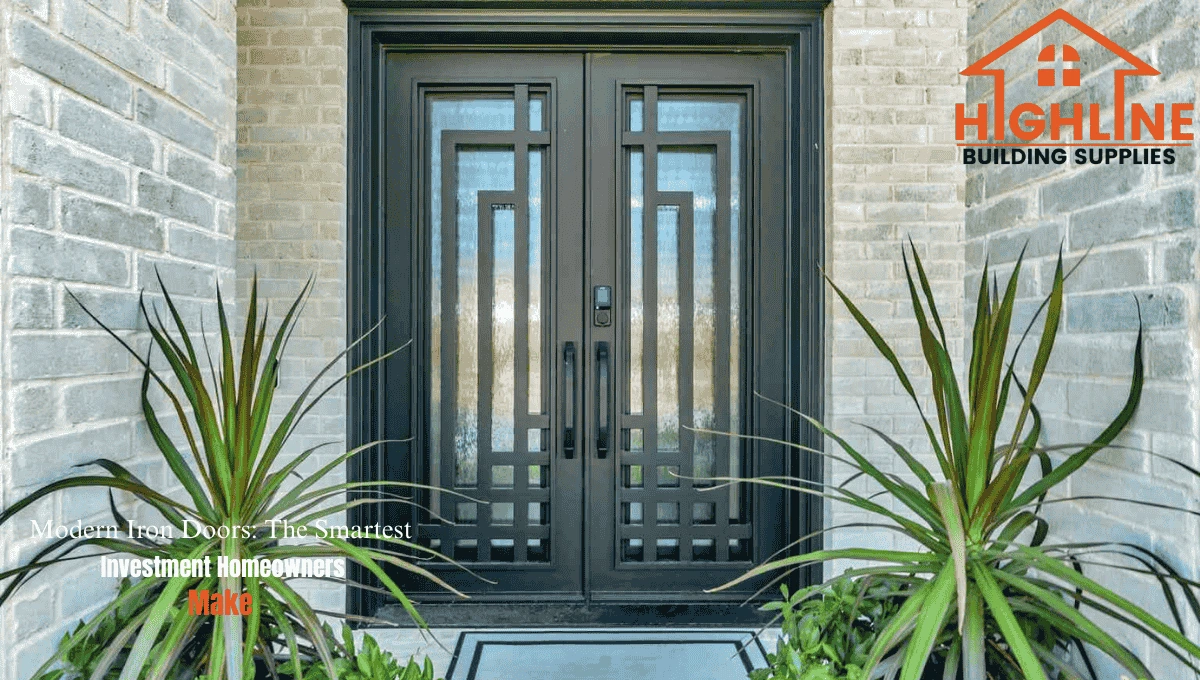
When homeowners look for a front-door upgrade that delivers lasting value security and visual impact modern iron doors consistently rise to the top. These doors are not trend driven add ons they’re structural investments that elevate a home’s performance protection and resale appeal from day one.

At Highline Building Supplies we curate modern iron door solutions designed for real world use not showroom hype. Our collection serves homeowners builders and remodelers who want dependable materials that perform just as well five or ten years from now as they do on installation day.

Why Modern Iron Doors Matter More Than Ever

The entry door is no longer just an access point it’s a defining architectural feature. Modern iron doors combine precision engineering with timeless materials, offering a level of strength and longevity that traditional wood or standard steel doors simply can’t match.

In the first year alone, homeowners often notice:

  • Improved insulation and temperature stability
  • Increased home security and peace of mind
  • A dramatic upgrade in curb appeal

Unlike trend-based materials, iron doors age gracefully and retain their value over time.

Designed for Homes That Demand More

Our modern iron door category is built for customers who expect durability without sacrificing aesthetics. Whether you’re upgrading a primary residence, finishing a luxury build, or improving a high-traffic entryway, these doors are designed to handle real use.

Ideal for:

  • Custom homes and luxury residences
  • Remodels focused on curb appeal and ROI
  • Builders seeking long-term performance materials
  • Homeowners replacing outdated or failing entry doors

What Sets Modern Iron Doors Apart

Structural Strength You Can Feel

Iron doors provide unmatched rigidity and resistance compared to many fiberglass exterior doors or wood alternatives. They don’t warp, crack, or degrade under normal conditions.

Energy-Conscious Construction

Modern designs incorporate insulated cores and thermally broken frames to help regulate interior temperatures—an important consideration in regions with extreme heat or cold.

Security Without Overstatement

Iron doors naturally discourage forced entry. Their weight, construction, and locking compatibility provide confidence without the need for exaggerated claims.

Timeless Design Flexibility

From clean-lined modern styles to detailed wrought iron designs, these doors complement a wide range of architectural styles.

Popular Iron Door Styles We Offer

Our collection includes proven, in-demand designs that customers consistently choose for performance and aesthetics.

3/4 Lite Arched Wrought Iron Double Door

A favorite for grand entrances, this style balances natural light with solid iron structure. The arched design adds visual height and classic appeal without overpowering the facade.

3/4 Lite Texas Star Double Wrought Iron Door

A regional favorite with bold character, this door delivers symmetry, strength, and a distinctive design that works well in Southwestern and transitional homes.

3/4 Lite Texas Star Single Wrought Iron Door

Ideal for narrower entries or remodels, this option offers the same durability and design presence in a streamlined footprint.

Each door style is selected for long-term reliability, not short-term aesthetics.

Iron Doors vs. Fiberglass Exterior Doors

Many homeowners compare iron doors to fiberglass exterior doors before deciding. Both have advantages, but the differences matter depending on expectations.

Iron Doors Offer:

  • Greater structural strength
  • Higher perceived value
  • Longer lifespan under heavy use
  • Strong architectural presence

Fiberglass Exterior Doors May Offer:

  • Lower upfront cost
  • Lightweight installation
  • Moderate insulation benefits

For homeowners prioritizing durability, security, and long-term return, iron doors consistently outperform lighter alternatives.

Built With Real Construction Experience in Mind

At Highline Building Supplies, we don’t select products based on trends—we select them based on job-site performance. Our team works closely with contractors and homeowners, giving us firsthand insight into how materials behave after installation.

That experience informs:

  • Product selection
  • Material recommendations
  • Honest expectations around maintenance and lifespan

We understand how material costs, labor considerations, and long-term performance impact real projects—especially as construction costs continue to rise. For broader insight into material pricing trends, see our breakdown of building materials by Highline Building Supplies.

Practical Benefits Homeowners Notice

Modern iron doors aren’t about luxury alone—they deliver practical, everyday advantages.

Homeowners commonly report:

  • Quieter interiors due to solid construction
  • Fewer maintenance issues over time
  • Improved entryway insulation
  • Strong first impressions for guests and buyers

These are benefits you experience daily, not just at installation.

A Smart Investment for Long-Term Value

Entry doors play a major role in resale perception. Appraisers and buyers recognize the value of iron doors because they signal durability, security, and quality construction.

Unlike cosmetic upgrades that fade with trends, modern iron doors:

  • Maintain relevance across architectural styles
  • Age without losing function or appeal
  • Reduce future replacement costs

That combination makes them one of the most cost-effective upgrades over the lifespan of a home.

Quality You Can Trust From Highline Building Supplies

We’ve built our reputation by supplying materials that professionals trust and homeowners rely on.

What sets us apart:

  • Curated product selection—not mass-market inventory
  • Transparent material specifications
  • Support from knowledgeable supply professionals
  • Reliable availability and logistics

Our goal isn’t to sell you the most expensive door—it’s to help you choose the right one for your project.

Customer Testimonials

We replaced a standard door with an iron double door, and the difference is night and day. It feels solid and secure without looking heavy.
Marcus L., Homeowner

Highline’s team actually understood what we needed. The door arrived exactly as described, and installation was straightforward.
Sandra P., Remodel Client

As a builder, consistency matters. These iron doors perform well and clients love the finished look.
Daniel R., Residential Builder

It was an investment, but one we don’t regret. The door still looks new after years of use.
Emily T., Homeowner

Frequently Asked Questions

Are modern iron doors energy efficient?

Yes. Many modern designs include insulated cores and thermally broken frames that help regulate indoor temperatures.

Do iron doors require a lot of maintenance?

Minimal maintenance is required. Occasional cleaning and basic hardware checks are usually sufficient.

Are iron doors suitable for hot or humid climates?

Yes. Quality iron doors are designed to perform well in a range of climates when properly finished and installed.

Can iron doors include glass panels?

Absolutely. Styles like 3/4 lite designs allow natural light while maintaining structural strength.

Are iron doors worth the cost compared to other materials?

For homeowners focused on longevity, security, and resale value, iron doors often provide a stronger return over time.

Ready to Upgrade Your Entryway?

Modern iron doors aren’t just a design choice—they’re a decision to invest in strength, performance, and lasting value. Whether you’re building new or upgrading an existing home, Highline Building Supplies offers door solutions backed by real experience and practical insight.

Explore our selection and speak with our team to find the right door for your project.

About the Author

The Highline Building Supplies Team
Our team brings decades of combined experience supplying materials to homeowners builders and contractors across residential and commercial projects. We focus on products that perform in real conditions not just on paper helping customers make confident informed decisions for long term success.

fiberglass exterior doors

Fiberglass Exterior Doors That Resist Warping, Rot and Damage

When durability performance and long term value matter fiberglass exterior doors have become the go to solution for homeowners builders and remodelers who want reliability without constant maintenance. At Highline Building Supplies we offer fiberglass exterior doors engineered to withstand harsh weather daily use and changing climates without sacrificing design or curb appeal.

In this category you’ll find exterior door options designed for real world conditions fluctuating temperatures moisture exposure direct sunlight and heavy traffic. These doors are built to stay straight sealed and secure year after year making them a practical upgrade for both residential and light commercial projects.

Why Fiberglass Exterior Doors Are a Smarter Choice

Exterior doors are exposed to more stress than almost any other part of a building. Over time, traditional materials can swell, crack, rot, or warp—leading to air leaks, sticking doors, and costly repairs. Fiberglass doors solve these issues by combining advanced materials with modern construction methods.

Key advantages include:

  • Resistance to warping caused by heat and humidity
  • No rot, corrosion, or insect damage
  • Consistent insulation performance year-round
  • Long-lasting finishes that hold up to sun exposure
  • Strong cores that enhance security without excess weight

For homeowners tired of repainting or adjusting doors, and for builders focused on long-term performance, fiberglass exterior doors offer a dependable alternative.

Built for Climate Stress and Daily Use

One of the biggest reasons customers choose fiberglass doors is their ability to perform consistently in demanding environments. Unlike wood, fiberglass does not absorb moisture. Unlike steel, it won’t dent easily or corrode.

These doors are especially well-suited for:

  • Coastal or humid regions
  • Areas with extreme temperature swings
  • South- or west-facing entries with direct sun exposure
  • High-traffic entryways that see frequent opening and closing

At Highline, we’ve supplied fiberglass doors to projects across diverse conditions, including residential builds and renovations in Long Beach, where salt air, moisture, and sunlight are constant challenges. The material’s stability helps ensure doors continue to open, close, and seal properly over time.

Style Options That Don’t Compromise Performance

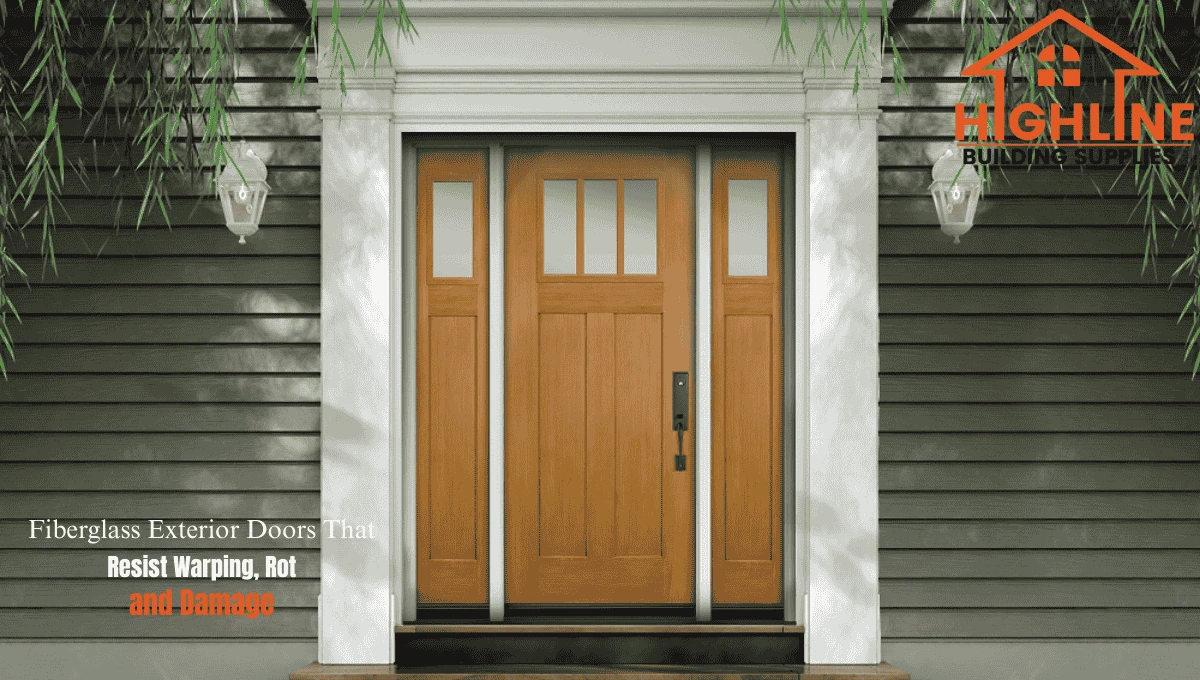
Durability doesn’t have to mean limited design. Today’s fiberglass doors are available in a wide range of styles and finishes that replicate the look of natural wood or deliver clean, modern lines.

Popular style options include:

  • Cherry Oak finishes that provide a warm, wood-grain appearance
  • Craftsman-inspired profiles like Craftsman Meridian designs
  • Smooth-surface doors for modern or contemporary homes
  • Panel configurations that match traditional architectural styles

These finishes are molded into the door skin rather than applied on the surface, helping them maintain their appearance longer than painted or stained wood doors.

Who Fiberglass Exterior Doors Are Best For

This category is designed for buyers who prioritize performance, longevity, and value—not just upfront cost.

Fiberglass exterior doors are ideal for:

  • Homeowners upgrading entry doors for better insulation and durability
  • Builders seeking consistent quality across multiple projects
  • Remodelers replacing failing wood or steel doors
  • Property managers reducing long-term maintenance expenses
  • Designers looking for flexible style options without material risk

Because fiberglass doors require less upkeep over time, they’re often chosen for projects where long-term ownership and performance matter more than short-term savings.

Energy Efficiency You Can Measure

A poorly performing exterior door can significantly affect indoor comfort and energy costs. Fiberglass doors are typically built with insulated cores that help reduce heat transfer, keeping interiors cooler in summer and warmer in winter.

Benefits include:

  • Improved thermal performance compared to hollow or aging doors
  • Better air sealing when paired with proper weatherstripping
  • Reduced strain on heating and cooling systems
  • More consistent indoor temperatures near entryways

When installed correctly, fiberglass doors contribute to a more energy-efficient building envelope—something both homeowners and contractors increasingly prioritize.

Installation Matters More Than Most Buyers Realize

Even the best door won’t perform properly if it’s installed incorrectly. That’s why professional exterior door installation is critical to achieving the benefits fiberglass doors are known for.

At Highline Building Supplies, we work closely with contractors and installers who understand:

  • Proper door framing and shimming
  • Moisture management and flashing
  • Threshold alignment and sealing
  • Hardware placement for smooth operation

Our team regularly supports installation planning to help ensure doors perform as designed from day one.

Trusted Supply from Highline Building Supplies

Highline Building Supplies has built its reputation by supplying materials that meet real-world construction demands—not just showroom standards. Our fiberglass doors are sourced with performance, consistency, and reliability in mind.

Customers trust Highline because we offer:

  • Product knowledge based on hands-on industry experience
  • Materials suited for residential and light commercial use
  • Transparent guidance without exaggerated claims
  • Reliable availability and responsive support

We also stay informed on broader construction trends that impact material choices and costs. For additional context on how pricing and supply factors affect building decisions, see our article on Building Materials by Highline Building Supplies, which breaks down current industry pressures in a practical, contractor-focused way.

Practical Benefits That Add Long-Term Value

Fiberglass exterior doors aren’t just about durability—they’re about reducing future problems.

Long-term advantages include:

  • Fewer service calls for swelling or sticking doors
  • Lower repainting or refinishing needs
  • Strong resistance to everyday wear and impact
  • Better resale appeal due to performance and appearance

Over time, these factors can offset initial costs and make fiberglass doors a more economical choice overall.

People Also Ask

Are fiberglass exterior doors better than wood?

Fiberglass doors are more resistant to moisture, temperature changes, and wear. Wood offers a classic look but typically requires more maintenance over time.

Do fiberglass doors look like real wood?

Yes. Many fiberglass doors feature molded wood-grain textures and finishes like Cherry Oak that closely resemble natural wood.

How long do fiberglass exterior doors last?

With proper installation and normal use, fiberglass doors can last decades with minimal maintenance.

Are fiberglass doors energy efficient?

Most fiberglass doors are insulated and help reduce heat transfer, contributing to better indoor comfort and lower energy use.

Can fiberglass doors be installed in coastal areas?

Yes. Fiberglass performs well in coastal environments because it resists moisture, salt air, and corrosion.

What Customers Are Saying

We replaced a warped wood door with fiberglass, and the difference was immediate. No sticking, no drafts.
— Homeowner, Long Beach

The Cherry Oak finish looks great and hasn’t faded. It’s held up better than any wood door we’ve used.
— Residential Builder

Highline helped us choose the right door for our remodel. Straightforward advice, no pressure.
— Remodeling Contractor

After installation, the door sealed perfectly. We noticed better temperature control right away.
— Property Manager

Choosing the Right Fiberglass Exterior Door

Selecting the right door involves more than appearance. Consider:

  • Exposure to weather and sunlight
  • Desired insulation performance
  • Architectural style compatibility
  • Installation requirements
  • Long-term maintenance expectations

Our team can help match door options to project needs, whether you’re building new or replacing an existing entry.

Ready to Upgrade with Confidence?

Fiberglass exterior doors offer a proven balance of durability efficiency and design flexibility. At Highline Building Supplies we focus on supplying doors that perform under real conditions not just ideal ones.

If you’re planning a new build remodel or exterior upgrade explore our fiberglass exterior door options and get guidance backed by experience.

About the Highline Building Supplies Team

The Highline team brings years of hands on experience working with builders contractors and homeowners. Our product recommendations are shaped by real jobsite feedback installation challenges and long term performance not marketing trends. We focus on materials that work last and make projects run smoother from start to finish.

interior door styles

Interior Door Styles That Dominate New Construction in 2026

Interior door styles are no longer an afterthought in new construction they are now a defining design and performance feature. In 2026, builders, architects, and homeowners are prioritizing interior doors that balance aesthetics durability sound control and long-term value. Whether you’re building a custom home managing a multi-unit project or planning a major renovation understanding which interior door styles dominate new construction helps you make smarter future-proof decisions.

At Highline Building Supplies, we work daily with contractors developers and homeowners across real-world projects. This guide reflects what’s actually being specified and installed on job sites not just design trends but doors that perform under real conditions.

Why Interior Door Styles Matter More Than Ever

In modern construction, interior doors influence far more than room separation. The right door affects:

  • Noise control between living spaces
  • Energy efficiency and airflow
  • Visual continuity across the home
  • Perceived quality and resale value

As floor plans move toward open concepts with defined zones, interior doors are being used strategically—not hidden. That’s why interior door styles in 2026 emphasize clean lines, solid construction, and adaptable finishes.

From entry-level builds to high-end custom homes, interior doors now serve both functional and architectural roles.

Interior Door Styles in New Construction 2026

Shaker-Style Doors: Still the Industry Standard

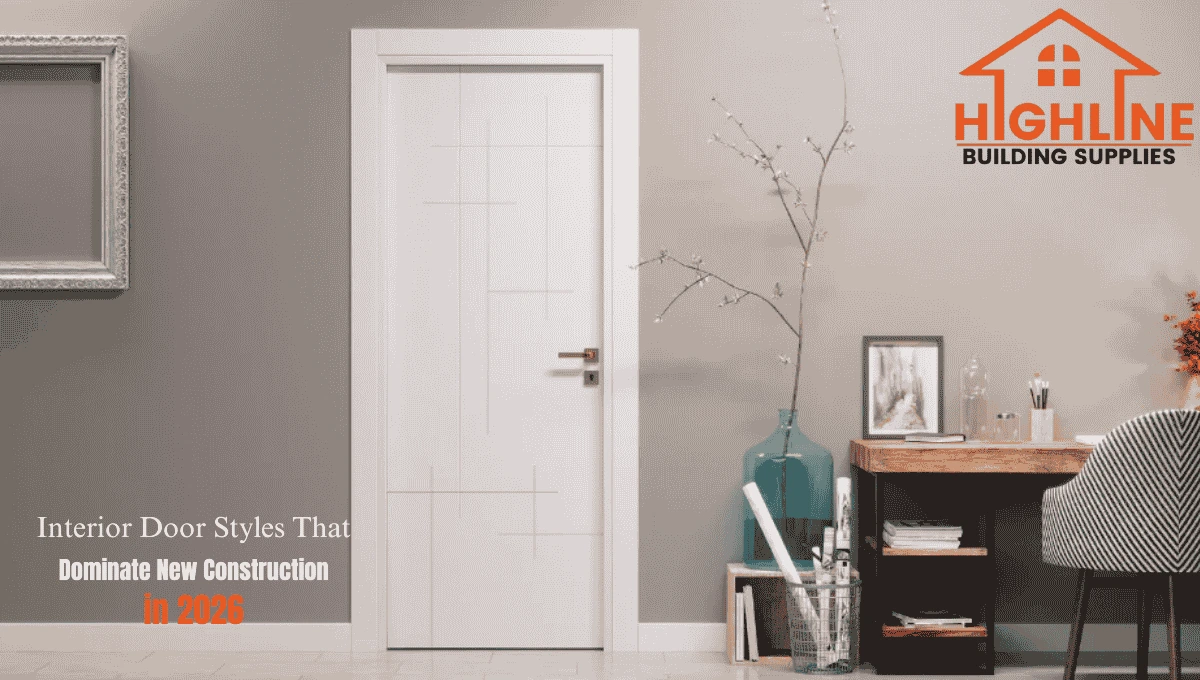
Shaker doors continue to dominate new construction due to their versatility. Simple, recessed panels fit seamlessly into:

  • Modern homes
  • Transitional builds
  • Updated traditional designs

The most specified option we see is the 1-Panel Shaker Primed Solid Core Slab. Builders favor it because it offers a clean profile that works with multiple trim styles and paint colors.

Why builders choose it:
  • Easy to finish on site
  • Minimal detailing reduces install issues
  • Appeals to a wide buyer audience

This door style is especially popular in developments where consistency and efficiency matter.

Solid Core Doors: The New Baseline for Quality

In 2026, solid core interior doors are no longer considered an upgrade—they’re becoming the default in quality-focused construction.

Compared to hollow options, solid core doors provide:

  • Better sound reduction
  • Increased durability
  • A heavier, premium feel

Homeowners immediately notice the difference, especially in bedrooms, offices, and shared living spaces. Builders also report fewer callbacks due to warping or damage.

Solid core doors pair exceptionally well with modern interior door styles that rely on clean surfaces and tight tolerances.

Hollow Core Doors: Still Used But More Strategically

Hollow core interior doors haven’t disappeared, but their role has changed. In 2026, they’re typically limited to:

  • Closets
  • Pantries
  • Utility rooms

Their lighter weight and lower cost still make sense in low-traffic areas. However, experienced builders now mix hollow core and solid core doors within the same project to balance budget and performance.

This selective use reflects smarter material planning rather than cost-cutting.

Minimal Panel and Flush Door Styles

Flush and minimal-panel doors are growing rapidly in popularity, especially in:

  • Urban builds
  • Contemporary homes
  • Multi-family projects

These interior door styles emphasize:

  • Flat surfaces
  • Hidden or low-profile hardware
  • Seamless wall integration

When paired with solid core construction, flush doors deliver modern aesthetics without sacrificing performance.

Taller Interior Doors for Visual Impact

Another clear shift in 2026 is door height. Standard 80-inch doors are being replaced by:

  • 84-inch doors
  • 96-inch doors in custom builds

Taller interior doors:

  • Make ceilings feel higher
  • Improve light flow
  • Create a more upscale appearance

Builders are pairing taller doors with simple styles like Shaker or flush designs to keep proportions balanced.

Materials and Construction: What’s Driving These Choices

Interior door styles don’t exist in isolation—they’re shaped by material costs, labor availability, and performance expectations.

Recent changes in construction economics have pushed builders to choose materials that offer long-term value, not just upfront savings. For deeper insight into material pricing and supply trends, see our related article on building materials by Highline Building Supplies:
Building Materials That Are Driving Construction Costs Up in 2026

This context explains why solid core doors and primed slabs are becoming standard across more projects.

Who These Interior Door Styles Are Best For

These dominant interior door styles are ideal for:

  • Builders seeking fewer callbacks and consistent installs
  • Developers aiming for broad buyer appeal
  • Homeowners who want durability without over-customization
  • Designers working within practical construction constraints

If your project requires coordination with exterior door installation, interior door selection also impacts trim alignment, hardware continuity, and scheduling. Choosing widely available, builder-tested styles helps avoid delays.

Benefits of Choosing the Right Interior Door Styles

Selecting the right interior door styles delivers measurable benefits:

  • Improved sound separation in daily living
  • Lower long-term maintenance
  • Stronger buyer perception during resale
  • Faster installation with fewer adjustments

From our experience supplying doors across residential and light commercial projects, doors that combine solid core construction with simple profiles consistently outperform trend-driven designs.

Why Professionals Trust Highline Building Supplies

Highline Building Supplies isn’t just a distributor—we work directly with contractors and builders to solve real job-site challenges.

What sets us apart:

  • Hands-on product knowledge
  • Reliable inventory for active builds
  • Honest guidance based on project needs
  • Experience with both interior doors and exterior door installation coordination

We understand how door choices affect framing, hardware, finishing, and scheduling—because we see it every day.

Interior Door Styles: Practical Selection Tips

Before finalizing your selection, consider:

  • Room function: Bedrooms and offices benefit most from solid core
  • Traffic level: Heavier doors last longer in high-use areas
  • Finish plan: Primed slabs offer flexibility for site finishing
  • Consistency: Matching styles across the home improves flow

Avoid mixing too many profiles—it complicates installs and disrupts visual cohesion.

People Also Ask: Interior Door Styles FAQ

What interior door styles are most popular in new construction?

Shaker-style and flush doors dominate due to their clean look and flexibility.

Are solid core interior doors worth it?

Yes. They provide better sound control, durability, and long-term value.

Where are hollow core doors still used?

Typically in closets, pantries, and low-traffic utility spaces.

What door height is standard in 2026?

Many builders now use 84-inch doors, with taller options in custom homes.

Can interior doors impact resale value?

Absolutely. Buyers notice door quality immediately during walkthroughs.

What Customers Are Saying

We switched to solid core Shaker doors on our last build, and the difference was obvious—fewer issues and better feedback from buyers.
Residential Builder, Washington

Highline helped us balance hollow core and solid core doors without blowing the budget.
Project Manager, Multi-Unit Development

The 1-panel Shaker slabs were easy to install and finish. No surprises.
Finish Carpenter

Their team understands real construction timelines, not just product specs.
Custom Home Contractor

Final Thoughts: Building Smarter With the Right Interior Door Styles

Interior door styles in 2026 reflect a shift toward smarter, performance-driven design. Builders are choosing doors that install cleanly, hold up over time, and appeal to modern buyers—without unnecessary complexity.

From Shaker profiles to solid core construction, the leading styles are practical, proven, and adaptable. When sourced from experienced suppliers, they become a quiet but powerful contributor to a successful build.

About the Author

The Highline Building Supplies Team brings hands-on experience from years of working directly with builders, contractors, and homeowners. Our insights come from real projects, real materials, and real-world challenges—not theory. We focus on helping customers choose products that work on the job site and last long after installation.

exterior door installation

Exterior Door Installation That Secures Your Home Fast

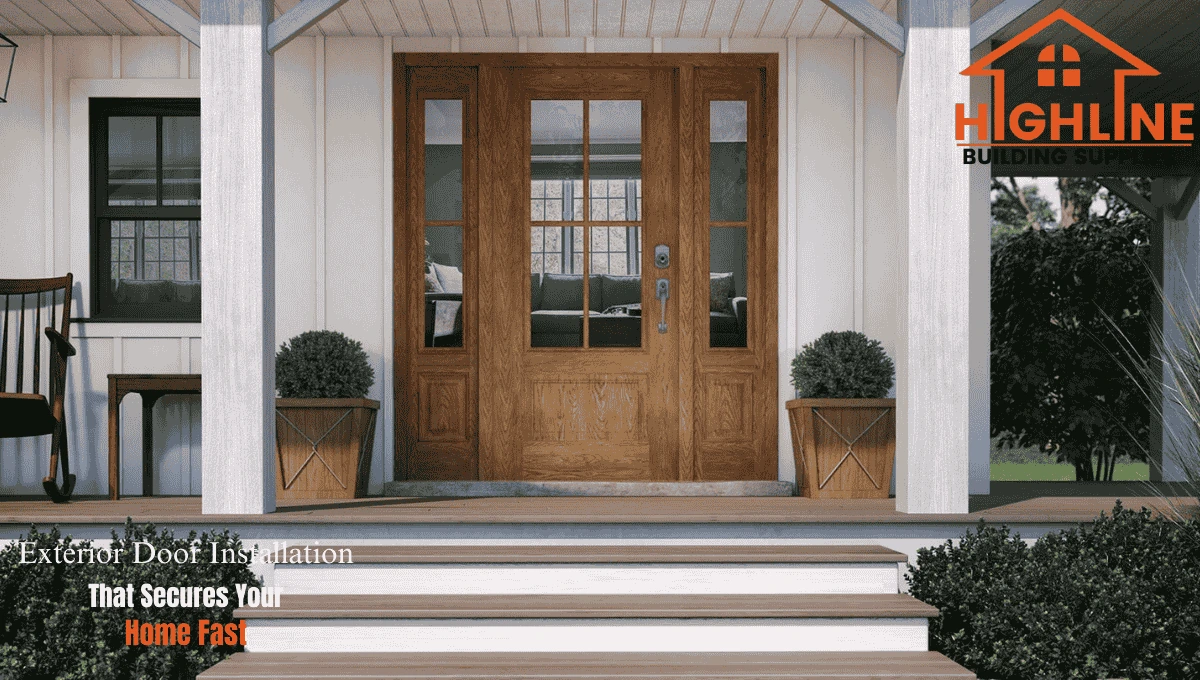
Your front door is the first line of defense for your home—and when it’s installed correctly, it does far more than look good. At Highline Building Supplies, we specialize in exterior door installation that prioritizes security, performance, and long-term durability without slowing down your project timeline.

Whether you’re a homeowner upgrading curb appeal, a contractor managing multiple builds, or a developer working on tight schedules, our exterior door solutions are designed to deliver reliable protection, clean finishes, and fast turnaround.

We don’t just sell doors. We help you choose the right door and make sure it’s installed the right way.

Built for Security, Performance, and Real-World Use

Exterior doors aren’t interchangeable—and neither are installation standards. A poorly installed door can compromise security, energy efficiency, and even structural integrity. Our approach is hands-on, detail-driven, and based on real field experience.

When you choose Highline for exterior door installation, you get:

  • Proper framing and alignment to prevent shifting and air leaks
  • Secure anchoring that supports heavy iron and steel doors
  • Clean sealing to protect against moisture, drafts, and warping
  • Install methods that meet residential and commercial standards

We work with doors that are meant to last, and we install them accordingly.

Modern Exterior Iron Doors

Modern exterior doors are designed for homeowners and builders who want security without sacrificing architectural appeal. These doors combine clean lines, durable iron construction, and frosted glass elements to create a strong yet refined entryway.

Each modern exterior door we support is selected for:

  • Structural strength suitable for daily use
  • Compatibility with residential and light commercial installations
  • Long-term performance in changing weather conditions

Our team focuses on doors that not only look modern on day one but continue to operate smoothly years after installation.

4-Lite Equal Frosted Double Iron Door

The 4-Lite Equal Frosted Double Iron Door is built for wide entryways where presence, balance, and security matter. With evenly spaced frosted glass panels, this door allows natural light to enter while maintaining privacy.

Key advantages:

  • Double-door configuration for larger openings
  • Frosted glass reduces visibility without blocking daylight
  • Ideal for custom homes and upscale residential projects

This door is commonly selected for front entrances where homeowners want a bold, symmetrical look paired with dependable construction.

4-Lite Equal Frosted Single Iron Door

The 4-Lite Equal Frosted Single Iron Door offers a clean, modern profile for standard entryways. It’s a practical upgrade for homeowners replacing older doors or builders working within traditional layouts.

Why it works well:

  • Fits most standard residential openings
  • Maintains privacy while improving interior brightness
  • Streamlined appearance with minimal visual distraction

It’s a popular option for remodels where security and aesthetics need to improve without structural changes.

5-Lite Equal Frosted Single Iron Door

The 5-Lite Equal Frosted Single Iron Door adds height and visual interest, making it a strong fit for contemporary designs and taller entry frames.

Best for:

  • Homes with higher ceilings or vertical architectural lines
  • Modern builds seeking a distinctive entry profile
  • Projects where light diffusion is preferred over clear visibility

This door offers a subtle upgrade that enhances curb appeal without overpowering the facade.


Who Our Exterior Door Installation Services Are For

Our category serves customers who value quality and reliability—not shortcuts.

We regularly work with:

  • Homeowners replacing outdated or damaged exterior doors
  • Builders and contractors needing dependable installation support
  • Developers managing multi-unit or phased projects
  • Property managers upgrading entry security

If you need exterior doors installed correctly the first time, this category serves you.

Why Proper Installation Matters More Than the Door Itself

Even the best door can fail if installation is rushed or incorrect. We’ve seen firsthand how misaligned frames, poor sealing, or inadequate anchoring lead to long-term issues.

Our installation process focuses on:

  • Structural compatibility with the opening
  • Load support for heavy iron doors
  • Precision measurements and adjustments
  • Weather protection and insulation performance

This practical, experience-based approach is why many of our customers return for future projects.

Trusted by Builders and Homeowners Alike

Highline Building Supplies has built its reputation by working closely with professionals who understand the realities of construction timelines and jobsite conditions.

What sets us apart:

  • Product knowledge rooted in real installations
  • Inventory selected for durability, not trends
  • Consistent quality across residential and commercial projects
  • Clear communication and reliable fulfillment

We don’t overpromise—we deliver what works.

Exterior Door Installation and Today’s Construction Costs

Material choices matter more than ever. Rising costs across the construction industry have made durable, correctly installed exterior components a smarter long-term investment.

If you’re planning future projects, you may find it helpful to review our industry insights on building materials by Highline Building Supplies, including how material trends are impacting construction budgets.

Understanding material performance upfront can help avoid costly replacements later.

Benefits of Choosing Highline for Exterior Door Installation

We built our category offering around real project needs—not marketing language.

Key benefits include:

  • Faster installation timelines with fewer callbacks
  • Doors that operate smoothly and close securely
  • Improved insulation and weather resistance
  • Long-term reliability backed by experience

When your exterior door is installed correctly, you notice the difference every day.

What Customers Say About Our Exterior Door Installations

The door feels solid and secure. Installation was clean, and everything lined up perfectly.
Mark R., Homeowner

We’ve used Highline for multiple projects. Their iron door installs are consistent and dependable.
Daniel S., General Contractor

The frosted glass gives us privacy without making the entry dark. Very happy with the result.
Lisa T., Residential Client

Good communication, no surprises, and the door performs exactly as expected.
Anthony P., Builder

These are the kinds of results we aim for on every installation.

People Also Ask – Exterior Door Installation FAQs

How long does exterior door installation take?

Most standard installations finish in a single day, depending on the door type and site conditions.

Are iron exterior doors secure?

Yes. Iron doors provide excellent strength and durability when properly installed.

Do frosted glass doors still allow light inside?

They do. Frosted glass diffuses light while maintaining privacy.

Can I replace just the door without changing the frame?

In some cases, yes—but full replacement often provides better alignment and sealing.

Are modern exterior doors energy efficient?

When installed correctly with proper sealing, modern doors can significantly reduce drafts and heat loss.

Designed for Long-Term Performance

Exterior doors are not a short-term decision. They impact safety, comfort, and the overall feel of your home or project. That’s why this category focuses on solutions that perform well beyond installation day.

From material selection to final fit, every step matters.

Ready to Upgrade Your Exterior Entry?

If you’re planning a new build, renovation, or replacement, our exterior door installation category gives you access to proven products and experienced support.

Review our available options, speak with our team, and move forward with confidence—your exterior door is built and installed to last.

About the Highline Building Supplies Team

Our team brings years of hands-on experience supplying and supporting exterior building products across residential and commercial projects. We work closely with contractors, builders, and homeowners to ensure the materials and installations we support meet real-world demands. Practical knowledge, consistency, and reliability guide everything we do.

modern doors

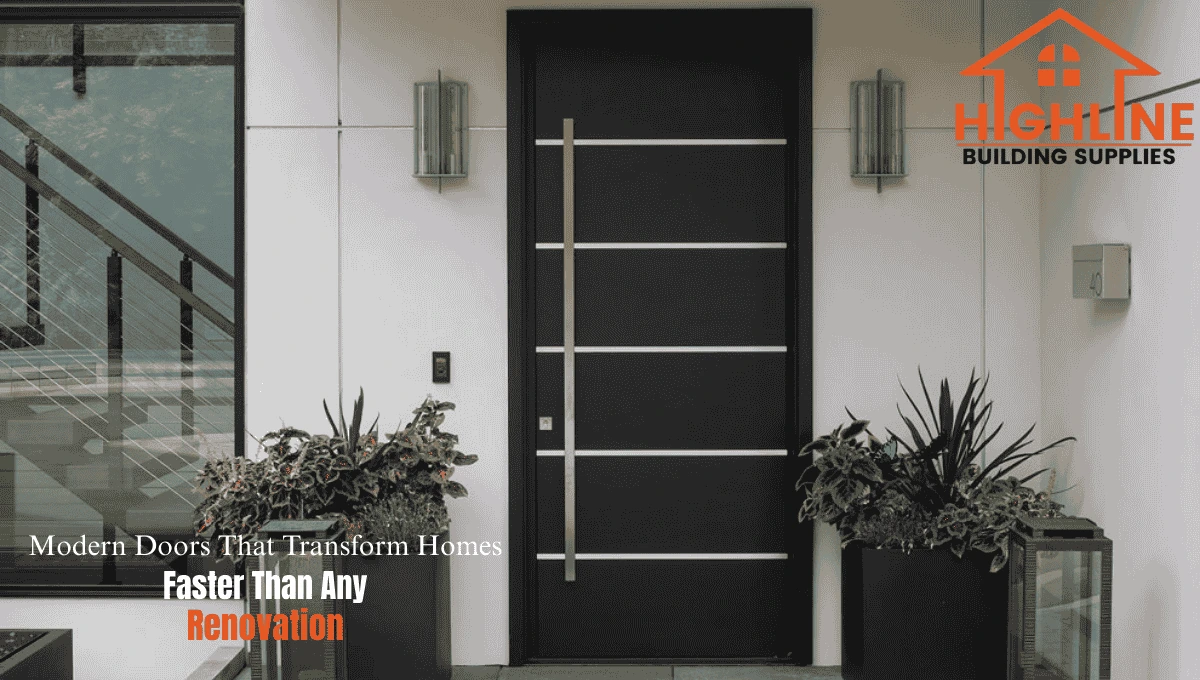
Modern Doors That Transform Homes Faster Than Any Renovation

The right modern doors can change how a home looks, feels and functions often faster and more cost-effectively than a full renovation. At Highline Building Supplies, we curate modern door solutions designed for today’s homes, builders, and renovation projects where performance, design, and reliability matter equally.

Whether you’re updating a single entryway or specifying doors for an entire build, our collection is built to meet real-world demands: durability, clean aesthetics, energy performance and long-term value.

A Smarter Way to Upgrade Without Major Construction

Modern doors are one of the few architectural elements that deliver immediate visual impact while also improving daily usability. Unlike large remodels that require permits, timelines and disruption, door upgrades can dramatically refresh a space with minimal downtime.

Our category is designed for:

  • Homeowners upgrading curb appeal or interiors
  • Builders and contractors working on new construction
  • Designers specifying clean, contemporary finishes
  • Property managers seeking durable, low-maintenance solutions

Every product we offer is selected with practical installation, long-term performance and modern design standards in mind.

What Defines a Truly Modern Door?

Not every door labeled “modern” performs well in real conditions. Through years of supplying builders and homeowners, we’ve learned that modern doors must balance form and function.

Our modern door offerings focus on:

  • Clean lines and minimalist profiles
  • High-quality materials engineered for daily use
  • Compatibility with modern hardware and locking systems
  • Energy-conscious construction suitable for varied climates

These doors are designed to integrate seamlessly into contemporary homes without sacrificing strength or longevity.

Modern Front Door Designs That Set the Tone

The front door is often the first and most lasting impression of a home. Our modern front door designs prioritize proportion, material integrity, and security without relying on unnecessary ornamentation.

Popular front door features include:

  • Solid-core construction for stability and sound control
  • Fiberglass and steel options for durability
  • Flush panels, subtle grooves, and glass accents
  • Finishes that resist warping, fading and moisture

These designs work equally well for urban builds, suburban homes, and modern remodels where curb appeal must feel intentional not trendy.

Modern Exterior Door Solutions Built for Performance

A modern exterior door must do more than look good. It needs to stand up to temperature swings, moisture and daily use while maintaining insulation and security.

Our exterior door selection is chosen with:

  • Tested energy performance standards
  • Weather-resistant materials and seals
  • Structural integrity for long-term use
  • Compatibility with contemporary entry systems

Builders and homeowners alike rely on these doors to deliver consistent performance without frequent maintenance or replacement.

Interior Doors That Redefine Space and Flow

Interior doors often get overlooked, yet they play a major role in how a home feels and functions. Our Interior Doors collection supports modern layouts by enhancing light flow, privacy and visual continuity.

Common applications include:

  • Open-plan homes needing subtle separation
  • Offices, bedrooms, and flex spaces
  • Minimalist interiors with consistent sightlines

With clean profiles and solid construction, these doors contribute to a cohesive interior design without overpowering the space.

Pantry Doors That Combine Function and Design

Pantry doors are no longer just utility elements. In modern homes, pantry doors help organize space while maintaining a polished, intentional look especially in open kitchens.

Our pantry door options are selected for:

  • Smooth operation in high-use areas
  • Designs that complement cabinetry and millwork
  • Durable finishes resistant to moisture and wear

They’re practical upgrades that quietly elevate daily routines.

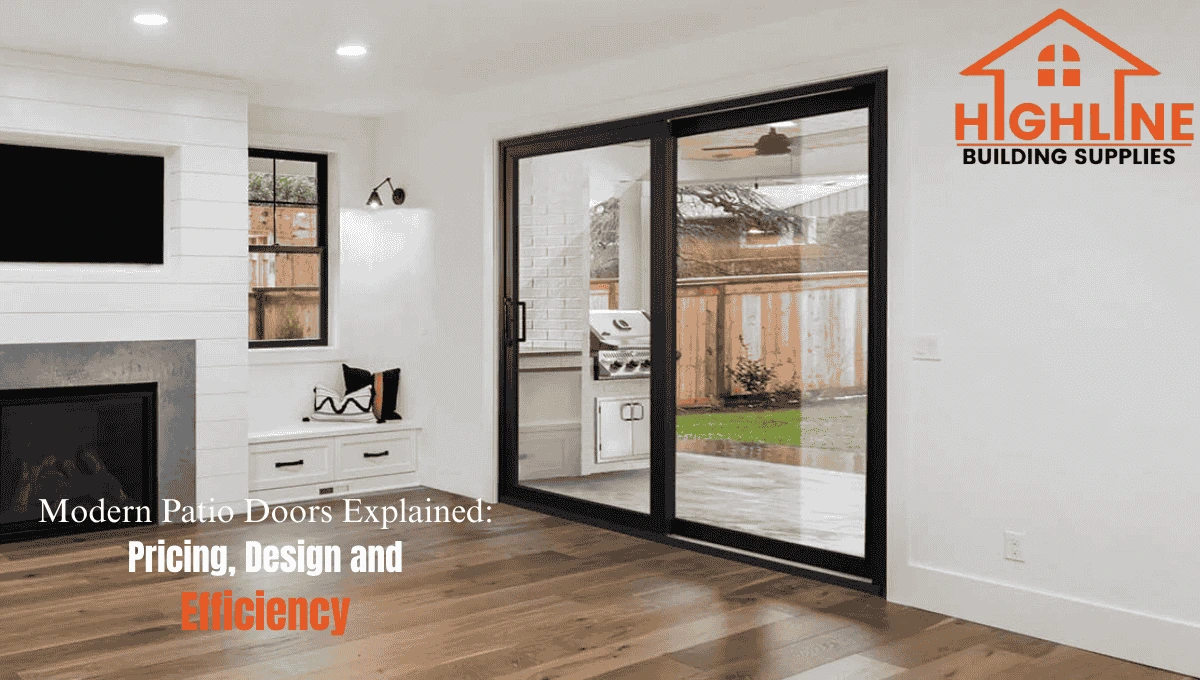
Modern Patio Doors That Blur Indoor and Outdoor Living

Today’s homeowners expect seamless transitions between interior and exterior spaces. Our modern patio doors are designed to support that lifestyle with strong frames, efficient glass and smooth operation.

Key benefits include:

  • Increased natural light without sacrificing insulation
  • Wide openings for better airflow and access
  • Durable tracks and hardware built for repeated use

These doors are ideal for patios, decks and backyard living spaces where functionality and design must work together.

Why Choose Modern Doors From Highline Building Supplies?

At Highline Building Supplies, we don’t just list products we supply solutions that professionals trust. Our experience working directly with builders, contractors, and homeowners informs every category we offer.

What sets us apart:

  • Hands-on product knowledge from real projects
  • Carefully vetted manufacturers and materials
  • Consistent availability for residential construction
  • Straightforward guidance without sales pressure

We understand that door selection affects timelines, budgets and long-term satisfaction. That’s why reliability matters as much as design.

Built for Today’s Construction Realities

Material choices and construction costs continue to evolve. Understanding how doors fit into broader building decisions is essential. For insight into how materials are impacting budgets, you may find this helpful:
Building Materials That Are Driving Construction Costs Up in 2026

This perspective helps builders and homeowners plan smarter upgrades that deliver value without surprises.

Benefits of Upgrading to Modern Doors

Choosing modern doors offers tangible advantages beyond appearance:

  • Improved energy efficiency and insulation
  • Better sound control between spaces
  • Increased home value and buyer appeal
  • Stronger security and structural integrity
  • Cleaner, more cohesive architectural design

These benefits make modern doors one of the most impactful upgrades available today.

Designed for Builders, Homeowners, and Designers

We work with:

  • Builders who need consistent quality across projects
  • Homeowners focused on practical upgrades
  • Designers specifying modern, durable finishes

Our category is structured to support real decisions not overwhelm you with unnecessary options.

People Also Ask

Are modern doors worth the investment?

Yes. They offer a strong balance of visual impact, performance and long-term durability compared to many cosmetic upgrades.

Do modern doors work in older homes?

Absolutely. When sized and specified correctly, modern doors can refresh older homes without altering their structure.

Are modern exterior doors energy efficient?

Most modern exterior doors are designed with insulation, tight seals and energy-conscious materials.

What’s the difference between modern and traditional interior doors?

Modern doors emphasize clean lines and minimal detailing, while traditional doors rely more on panels and ornamentation.

Can I replace doors without major renovation work?

In many cases, yes. Door upgrades are often faster and less disruptive than larger remodels.

What Customers Say

We swapped out our old entry door for a modern one and the difference was immediate inside and out.
Homeowner, Residential Remodel

Highline made it easy to source doors that matched our project specs without delays.
Residential Builder

The interior doors helped clean up the look of the entire house without touching the walls.
Property Owner

Solid products and honest guidance. That’s why we keep coming back.
General Contractor

Explore Modern Doors With Confidence

Modern doors aren’t just a design choice they’re a practical upgrade that improves daily living, construction efficiency and long-term value. At Highline Building Supplies, we bring real-world experience and dependable products together to help you make informed decisions.

Browse our modern door category to find solutions that fit your project not just your style.

About the Highline Building Supplies Team

The Highline Building Supplies team works directly with builders, contractors and homeowners across residential projects. Our experience comes from hands-on involvement in real construction environments not theory. We focus on supplying materials that perform as expected, install efficiently, and stand up to everyday use.

modern patio doors

Modern Patio Doors Explained: Pricing, Design and Efficiency

Modern patio doors are no longer just a way to access outdoor spaces they’re a core architectural feature that impacts light, energy efficiency, security, and overall home value. At Highline Building Supplies, we offer modern patio doors designed for today’s construction standards, renovation demands, and real-world performance expectations.

Whether you’re a homeowner upgrading an aging door, a contractor sourcing reliable products, or a builder planning efficient layouts, this category brings together durable, design-forward patio door solutions that balance aesthetics with long-term functionality.

Modern Patio Doors Built for Real Homes and Real Conditions

Modern patio doors must do more than look good. They need to perform under daily use, seasonal temperature swings, and long-term wear. That’s why our selection focuses on proven materials, precise manufacturing, and designs that work across a wide range of residential applications.

In the first moments you interact with a patio door, you’ll notice:

  • Smooth operation
  • Tight seals
  • Consistent panel alignment
  • Quality hardware that doesn’t feel disposable

These are not luxury extras they’re baseline expectations for modern construction.

At Highline, we source products we’ve seen perform on actual job sites, not just in catalogs.

What Defines a Modern Patio Door?

A modern patio door prioritizes clean lines, large glass areas, and efficient framing systems without sacrificing durability or safety.

Key characteristics include:

  • Minimalist frame profiles that maximize glass
  • Energy-efficient glazing options
  • Durable vinyl or composite construction
  • Secure locking systems
  • Smooth sliding or hinged mechanisms

Many customers compare sliding patio doors with hinged or multi-panel systems, but sliding remains one of the most practical and space-efficient solutions for modern homes.

Sliding Patio Doors: A Practical Modern Standard

Sliding patio doors remain a top choice for homeowners and builders because they combine ease of use with efficient space planning.

Why sliding patio doors work:

  • No swing clearance needed
  • Ideal for patios, decks, and balconies
  • Simple operation for all age groups
  • Consistent sealing when installed correctly
  • Lower maintenance compared to complex folding systems

Modern sliding systems also integrate better thermal performance and improved track engineering than older-generation doors.

INSPIRE Series Vinyl Patio Doors: Built for Everyday Use

The INSPIRE SERIES VINYL PATIO DOOR line is designed to meet the needs of modern residential construction while staying cost-conscious and reliable.

Each size option serves a specific layout and application requirement:

  1. INSPIRE SERIES VINYL PATIO DOOR 5068

Ideal for smaller patios or secondary exits

Efficient footprint without sacrificing glass area

Popular for townhomes and renovations

2. INSPIRE SERIES VINYL PATIO DOOR 6068

Balanced size for most standard openings

Strong choice for single-family homes

Excellent blend of light, access, and efficiency

3. INSPIRE SERIES VINYL PATIO DOOR 8068

  • Maximizes daylight and outdoor visibility
  • Works well in open-concept layouts
  • Often selected for backyard-facing living spaces

These doors are built using vinyl systems that resist warping, moisture intrusion, and finish degradation key considerations for long-term performance.

Why Vinyl Patio Doors Make Sense Today

Vinyl has become one of the most widely used materials for modern patio doors, and for good reason.

Benefits of vinyl construction:

  • Resistant to moisture and rot
  • Stable in changing temperatures
  • Low maintenance over time
  • Cost-effective compared to wood or aluminum
  • Compatible with modern energy standards

Many homeowners pairing patio doors with vinyl sliding windows appreciate the consistent look, performance balance, and simplified maintenance across the exterior envelope.

Design Flexibility Without Overcomplication

Modern design doesn’t mean complex installation or fragile components. The products in this category are chosen for their ability to integrate seamlessly into both new builds and renovations.

Design considerations include:

  • Neutral frame colors that match modern exteriors
  • Clean sightlines that don’t overpower the space
  • Hardware finishes that age well
  • Compatibility with standard rough openings

Our team regularly works with contractors and homeowners to ensure door selections align with existing layouts and structural realities.

Energy Efficiency That Meets Today’s Expectations

Energy efficiency is no longer optional. Modern patio doors must reduce heat loss, control solar gain, and support overall building performance.

Our offerings prioritize:

  • Tight weatherstripping systems
  • Insulated glass configurations
  • Durable seals that hold up over time
  • Frames engineered to reduce thermal transfer

This makes modern patio doors a practical upgrade for homeowners focused on comfort and utility costs not just aesthetics.

Who This Category Is For

This collection is designed to serve:

  • Homeowners replacing outdated patio doors
  • Contractors seeking dependable, install-ready products
  • Builders needing consistent sizing and availability
  • Remodelers balancing budget with modern appeal

If you value straightforward installation, reliable performance, and materials that hold up over years of use, this category is built for you.

Trusted Sourcing from Highline Building Supplies

Highline Building Supplies works directly with manufacturers and distributors to offer products we trust on real job sites. Our focus is on consistency, availability, and honest product representation.

We also stay closely connected to broader construction trends and material pricing. For deeper insights, see our analysis on building materials by Highline Building Supplies and how they impact project planning.

Our customers return because they know what they’re getting—no surprises, no inflated claims.

Installation Considerations That Matter

Even the best patio door depends on proper installation. Based on years of feedback from installers and contractors, common success factors include:

  • Accurate rough opening preparation
  • Level and plumb placement
  • Proper flashing and sealing
  • Following manufacturer hardware adjustments

We’re happy to help customers select products that match their installation capabilities and project scope.

People Also Ask

Are modern patio doors energy efficient?

Yes. When properly installed, modern patio doors are designed to reduce air leakage and improve thermal performance compared to older models.

What size patio door should I choose?

The right size depends on your existing opening, wall space, and how much light you want. Common options include 5068, 6068, and 8068 configurations.

Are sliding patio doors secure?

Modern sliding systems include improved locking mechanisms and reinforced frames, making them far more secure than older designs.

Is vinyl a good material for patio doors?

Vinyl is widely used because it resists moisture, requires minimal maintenance, and performs well in varied climates.

Can patio doors match my vinyl windows?

Yes. Many homeowners pair patio doors with vinyl sliding windows for a consistent exterior look and performance profile.

What Customers Say

The INSPIRE vinyl patio door we installed slid smoothly right out of the box. No adjustments needed.
Mike R., Contractor

Highline helped us choose the right size for our renovation. The door looks clean and modern.
Sarah L., Homeowner

Reliable product, fair pricing, and clear specs. That’s why we keep sourcing from Highline.
James T., Builder

Matched perfectly with our vinyl windows. Installation was straightforward.
Alex P., Remodeler

Why Buy Modern Patio Doors from Highline?

  • Products selected based on real-world performance
  • Practical sizing and configurations
  • Honest product information
  • Support from an experienced supply team
  • Trusted by contractors, builders, and homeowners

We focus on long-term value, not short-term trends.

Author Bio

Written by the Highline Building Supplies Team
Our content is developed by industry professionals with hands-on experience in residential construction materials, sourcing, and job-site performance. We work directly with contractors, builders, and homeowners every day, giving us a practical understanding of what works and what doesn’t beyond the spec sheet.

Back to Top

Search For Products

Product has been added to your cart