sliding pantry doors ideas for modern homes

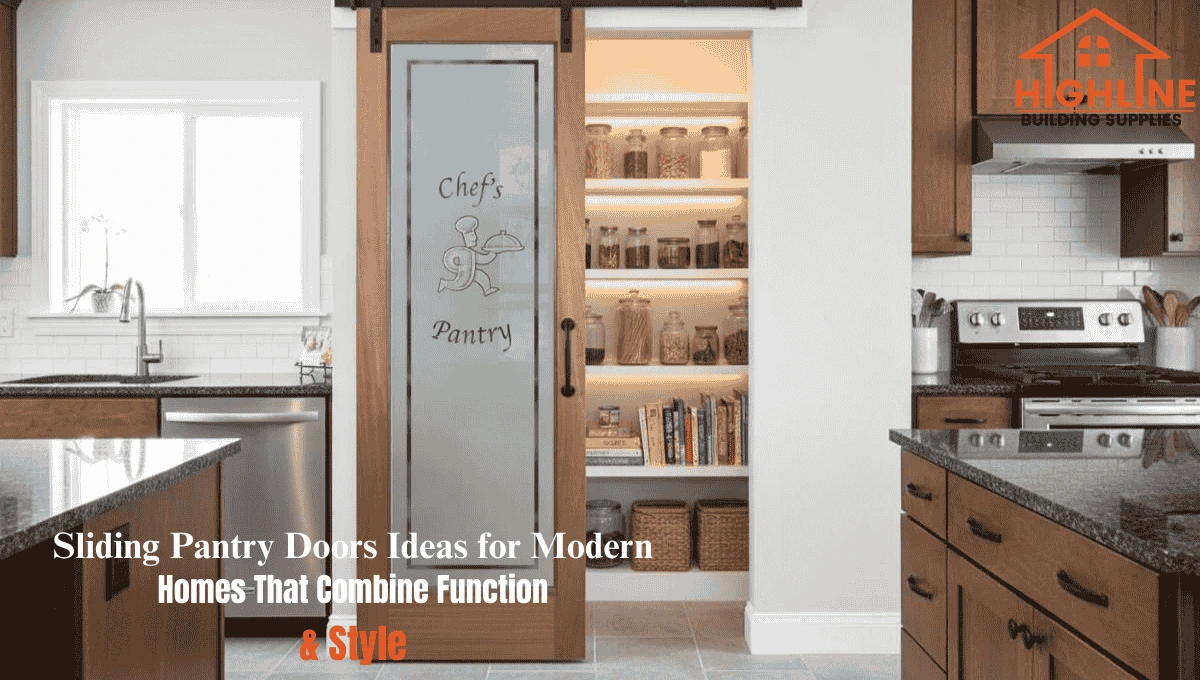
Sliding Pantry Doors Ideas for Modern Homes That Combine Function & Style

In contemporary kitchen design, sliding pantry doors ideas for modern homes are more than an aesthetic choice they solve real problems. Whether you’re remodeling a compact kitchen, updating an outdated space, or adding functional storage that feels intentional, sliding pantry doors bring efficiency and style together. They free up floor space, provide seamless access to storage, and can elevate your overall interior look without overwhelming the room.

In this guide, we’ll break down what makes sliding pantry doors practical and appealing, how to choose the right style and materials, common pitfalls to avoid, and real tips you can use before you buy or build.

What Sliding Pantry Doors Are (And Why They Matter)

Sliding pantry doors are doors that open sideways along a track instead of swinging inward or outward like traditional hinged doors. In modern homes, these doors are especially useful because they:

  • Save space in compact layouts
  • Eliminate interference with kitchen traffic
  • Create a cleaner, more minimal look
  • Work with a variety of materials and styles

For homes where every inch counts such as urban apartments or open‑plan kitchens sliding doors turn a storage area into a design feature rather than a functional afterthought.

Understanding Key Concepts Before You Choose

Pantry Door Height: What Works Best

Pantry door ideas come in standard heights, and choosing the right one impacts both look and installation:

Often homeowners assume bigger is automatically better, but in kitchens with low soffits, lighting, or cabinetry transitions, standard 6’8″ heights can maintain harmony with surrounding elements.

Solid Core vs. Hollow Core

One choice that affects durability, insulation (sound), and feel is door construction.

  • Solid core prehung interior doors are heavier, sturdier, and more resistant to dents and wear. They’re great for pantry applications where the door gets frequent use.
  • Hollow core doors are lighter and cheaper but can feel flimsy and wear out faster.

For sliding pantry doors, the added weight of a solid core door often means choosing hardware rated for heavier loads — but the payoff is a high‑end feel and lasting performance.

Sliding Pantry Doors Ideas That Combine Function & Style

Here are practical, real homeowner‑approved ideas that bring together utility and modern aesthetics:

  1. Minimal Frameless Glass with Matte Tracks
  • Glass keeps sight lines open, making small kitchens feel bigger
  • Matte black hardware adds modern contrast
  • Works especially well in open‑concept layouts

Why it works: Glass doesn’t create a heavy visual block, which keeps the focus on the kitchen design rather than the door itself.

  1. Frosted Panels for Privacy & Light Control
  • Frosted glass obscures pantry contents
  • Still lets light travel through, brightening adjacent spaces
  • Great for contemporary minimalist palettes

Real‑world tip: Frosted panels reduce the stress of keeping pantry contents perfectly organized — you don’t see everything clearly, just the brightened silhouette.

  1. Barn‑Style Sliding Doors With Textured Wood
  • Adds a layer of rustic warmth to modern kitchens
  • Can be paired with painted cabinetry for contrast
  • Works beautifully in farmhouse‑inspired spaces

Common mistake to avoid: Don’t oversize the track hardware — it should feel balanced with the scale of the cabinetry.

  1. Pocket Sliding Pantry Doors
  • The door disappears into the wall when opened
  • Perfect for tiny kitchens or narrow corridors
  • Offers full access without blocking walkways

Installation insight: Pocket doors require careful framing ahead of drywall — coordinate early with your contractor.

  1. Mixed Materials: Wood + Metal Frames
  • Combines warmth with industrial flair
  • Black or brass frames add definition
  • Works in transitional homes blending modern and traditional elements

Design note: Keep frame thickness consistent with other black accents (lighting, cabinet pulls, faucets) to tie the look together.

Benefits of Sliding Pantry Doors (Beyond Looks)

Sliding pantry doors are not just about aesthetics — they deliver measurable lifestyle advantages:

Space Efficiency

Unlike hinged doors that need swing clearance, sliding doors glide parallel to the wall — ideal for kitchens where every inch counts.

Improved Accessibility

Sliding doors allow unobstructed access to every shelf in your pantry, especially when they stack or pocket completely out of the way.

Enhanced Visual Continuity

Whether you choose wood, glass, or mixed materials, sliding doors create long, clean lines that visually expand your space.

Custom Flexibility

Different finishes, heights (like 6’8″ or 8’0″), and hardware choices mean you can tailor the doors to both functional needs and design preferences.

Practical Considerations Before You Install

Assess Your Wall Structure

Sliding doors require either wall space beside the opening (for bypass or barn tracks) or enough cavity depth (for pocket options).

Choose Hardware for Longevity

Look for tracks and rollers rated to handle the weight of solid core doors to avoid premature wear. Cheap hardware may squeak, bind, or fail over time.

Factor in Maintenance

Glass panels may need regular cleaning, while wood finishes can age gracefully with occasional conditioning.

Mind Your Traffic Flow

If your pantry sits near busy zones (e.g., near the dishwasher or range), consider how the door placement affects movement and safety.

Common Mistakes Homeowners Make (So You Don’t)

Mistake Why It Matters
Picking flimsy hollow core doors They wear out faster and feel cheap
Ignoring proper hardware rating Leads to noisy or sagging doors
Forgetting about adjacent cabinets Causes clearance issues
Choosing design over practicality Beautiful doors that don’t function are frustrating


Expert Tips from Highline Supplies

Having supported countless builders and homeowners, here are real pro insights:

  • Plan before finalizing cabinetry: Sliding doors interact with the whole kitchen design.
  • Test your lighting with samples: Natural and artificial light change how materials look.
  • Don’t skimp on rollers or tracks: Good hardware is invisible when it works well and obvious when it fails.
  • Ask for mock‑ups or drawings: Seeing scale before install prevents surprises.

For broader context on materials that make or break a renovation, see our guide on building materials you can’t afford to get wrong.

Real Experiences from Homeowners

We switched to sliding pantry doors with frosted glass and it made our small kitchen feel twice as big. The doors glide smoothly and look great with black hardware. — Alicia R., San Diego

Choosing solid core prehung interior doors for our pantry was worth the extra cost. They feel sturdy and add a quality touch you notice every time you use them. — Marcus T., Chicago

People Also Ask

What’s the best sliding pantry door style for a small kitchen?
Pocket or barn styles work best because they don’t encroach on floor space.

Are sliding pantry doors hard to install?
They require precise framing and quality hardware, so it’s worth planning with your contractor.

Can pantry doors match cabinet finishes?
Yes — matching finishes tie the pantry into your overall kitchen design.

Do sliding doors save money on kitchen remodeling?
They can reduce the need for wider clearances and save space, which may lower costs.

Is glass a practical pantry door material?
Frosted or tempered glass balances aesthetics and privacy while keeping the space bright.

About the Author

Highline Supplies Editorial Team
Our team draws on decades of real‑world experience in home improvement, carpentry, and materials sourcing. We help homeowners and professionals make informed decisions that balance design, durability, and practicality because great spaces should work beautifully every day.
Solid-Core Prehung Interior Doors

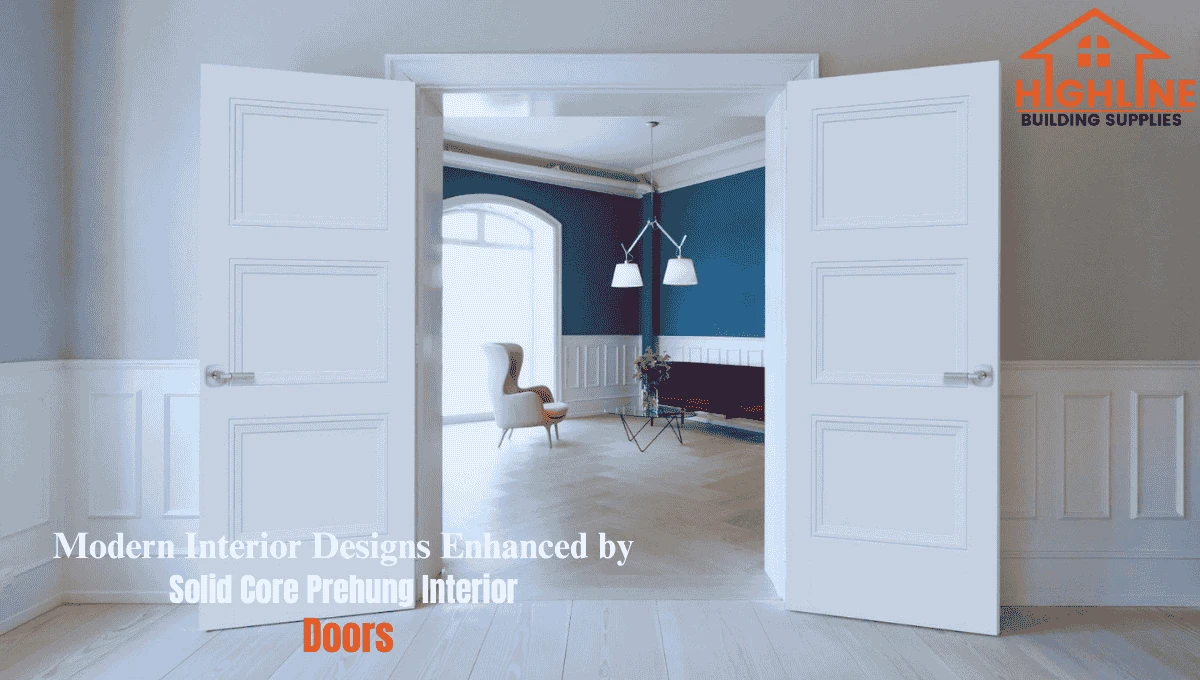
Modern Interior Designs Enhanced by Solid Core Prehung Interior Doors

When it comes to elevating the style, functionality, and value of your Texas home, nothing transforms a space quite like the right interior doors. Yet, many homeowners still settle for flimsy or hollow alternatives that fail to deliver durability, privacy, or aesthetic appeal. Enter solid-core prehung interior doors—a game-changer in modern interior design that combines beauty, strength, and lasting performance. In this guide, we’ll show you why these doors are more than just an upgrade—they’re an investment in your home’s comfort and style.

Why Solid Core Prehung Interior Doors Are a Smart Choice

Unlike hollow core doors, solid core options are constructed with dense, engineered wood or composite cores, giving them a robust feel and exceptional longevity. Here’s what makes them stand out:

  • Durability: Resistant to dents, warping, and everyday wear.
  • Noise Reduction: The dense core absorbs sound, making it perfect for bedrooms, offices, or bathrooms.
  • Premium Aesthetics: A smooth, substantial feel that enhances any modern interior design.
  • Energy Efficiency: Help maintain a consistent indoor temperature by minimizing airflow between rooms.

For Texas homeowners, where climate extremes are common, the 1-Panel Shaker Primed Solid Core Prehung Door or the double-door version can be particularly beneficial, combining classic style with lasting quality.

Choosing the Right Style: Single vs Double Doors

Modern interior design isn’t just about functionality—it’s about creating a visual impact. When selecting your doors, consider the following:

1. Single 1-Panel Shaker Primed Solid Core Prehung Door

Perfect for bedrooms, offices, and bathrooms, single shaker-style doors deliver minimalist elegance. Their clean lines complement contemporary interiors while offering superior soundproofing and durability.

2. 1-Panel Shaker Primed Solid Core Prehung Double Door

Double doors create a grand entrance into dining rooms, living areas, or master suites. They maximize natural light, offer flexible accessibility, and create a luxurious feel without sacrificing structural strength.

3. 1-Panel Shaker Primed Solid Core Slab

For a fully custom look, slab doors can be finished or painted to match any interior palette. These doors are ideal when paired with modern hardware to enhance sleek, minimalist spaces.

Installation Tips for a Seamless Fit

Installing prehung doors correctly ensures they function properly and last for decades. Here are expert tips from Highline Building Supplies professionals:

  1. Measure Twice, Cut Once: Confirm rough opening dimensions before removing old doors.
  2. Level and Plumb: Use shims to keep the door perfectly aligned to prevent sticking or uneven gaps.
  3. Secure Hinges Properly: Heavy, solid-core doors require reinforced screws for longevity.
  4. Check Swing and Clearance: Ensure smooth operation without scraping floors or trim.

Pro Tip: Installing a solid-core prehung interior door with professional-grade weatherstripping and threshold seals can further enhance privacy and energy efficiency.

Common Mistakes to Avoid

Even experienced DIYers sometimes stumble when upgrading to solid-core doors. Avoid these pitfalls:

  • Skipping the Pre-Hanging Step: Always work with prehung doors for a smoother, faster installation.
  • Neglecting Door Weight: Solid core doors are heavier—ensure your hinges and frame can support them.
  • Improper Trim Alignment: Misaligned trim can ruin the sleek, modern look; take time to level every piece.
  • Painting Without Priming: Primed doors require the right paint for a smooth, lasting finish.

Why Designers Recommend Solid Core Doors

Interior designers consistently prioritize solid-core doors because:

  • They enhance room acoustics, particularly in open-plan homes.
  • Their durability reduces long-term maintenance costs.
  • Versatile styles, like the shaker prehung series, integrate seamlessly with modern, transitional, or classic designs.

Design experts also note that pairing these doors with contemporary hardware, matte black finishes, or natural wood stains creates a cohesive, high-end look.

Practical Styling Tips

  • Contrast with Light Walls: Dark, solid-core doors pop beautifully against lighter interior palettes.
  • Minimal Hardware: Keep handles and hinges understated to maintain a clean aesthetic.
  • Symmetry in Design: Double doors look best in symmetrical layouts, such as entrances to dining or living rooms.
  • Add Texture: Consider pairing doors with textured wall panels or rugs for visual interest.

Real Customer Experiences

We replaced all our hollow doors with 1-panel Shaker primed solid-core prehung doors from Highline Building Supplies, and the difference is night and day. Rooms feel quieter, and the doors just exude quality.
Jessica R., Dallas, TX

The double doors in our master suite make a bold statement. Installation was straightforward, and the craftsmanship is excellent. Highly recommend solid core doors for anyone serious about interior design.
Mark T., Austin, TX

People Also Ask (PAA)

Q1: Are solid-core prehung interior doors worth the extra cost?
A: Absolutely. They provide superior soundproofing, durability, and a premium feel, making them a long-term investment.

Q2: Can I install solid-core prehung doors myself?
A: Yes, with proper measurements, tools, and support. However, professional installation ensures optimal performance and longevity.

Q3: How do I maintain solid-core interior doors?
A: Wipe them with a damp cloth, avoid harsh chemicals, and touch up paint or finish as needed to preserve their beauty.

Q4: Do solid-core doors help with home energy efficiency?
A: Yes, their dense construction reduces airflow between rooms, contributing to consistent indoor temperatures and energy savings.

Conclusion: Upgrade Your Texas Home Today

For homeowners in Texas seeking style, performance, and lasting value, solid-core prehung interior doors are an essential upgrade. From quiet bedrooms to dramatic double-door entrances, these doors combine durability with timeless aesthetics. Trust Highline Building Supplies for expert advice, premium-quality doors, and installation guidance that ensures your interior looks as good as it functions.

Upgrade your interiors today—your home deserves nothing less than solid core excellence.

Explore our full range of doors at Highline Building Supplies

Author Bio

The Highline Building Supplies team is a dedicated group of home design and construction experts based in Texas. With years of experience helping homeowners choose premium doors, flooring, and interior finishes, the team combines practical advice with design insights to create interiors that are both stylish and durable. Their expertise ensures every project delivers lasting quality and modern elegance.

Prehung Hollow Core Interior Door

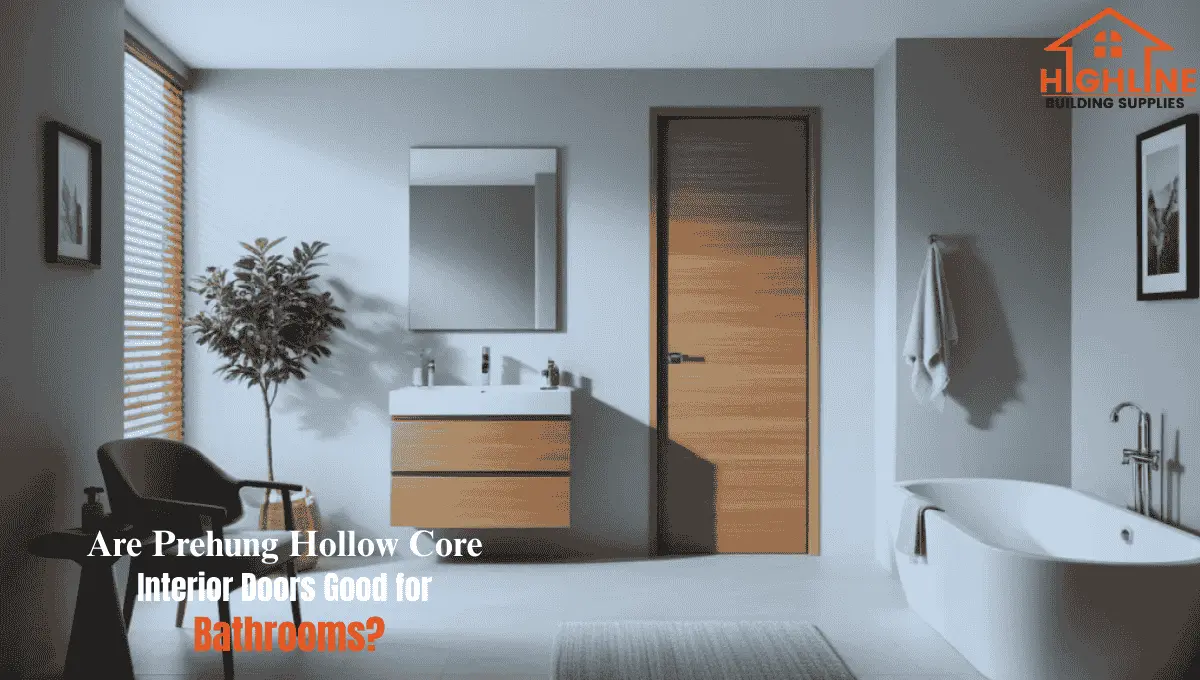
Are Prehung Hollow Core Interior Doors Good for Bathrooms?

A prehung hollow core interior door is one of the most popular and budget-friendly options in today’s residential building materials market. But are they a smart choice for bathrooms where humidity and moisture are constant concerns?

At Highline Building Supplies, we work closely with homeowners, contractors, and remodelers who ask this exact question. Bathrooms create unique conditions—steam, temperature swings, and frequent use all impact door performance. So choosing the right door matters.

In this in-depth guide, we’ll break down:

  • Moisture performance
  • Durability expectations
  • Cost vs value
  • Style options like 2-Panel Molded Primed, 2-Panel Molded Primed Hollow Core Carrara Slab, and 5-Panel Molded Primed Rockport Prehung Door
  • Installation insights
  • Maintenance tips
  • Real customer experiences

Let’s answer the big question clearly and honestly.

What Is a Prehung Hollow Core Interior Door?

A prehung hollow-core interior door comes already mounted in a frame with hinges attached. Installers simply place it into the rough opening and secure it. This saves time and ensures proper alignment.

Hollow core doors typically feature the following:

  • Lightweight construction
  • A molded composite or MDF outer surface
  • An internal honeycomb structure
  • A primed finish ready for paint

Because they are lightweight and cost-effective, builders use them widely in residential construction.

Are Prehung Hollow Core Interior Doors Good for Bathrooms?

Short Answer:
Yes — if installed and sealed properly.

However, they are not ideal for every bathroom scenario. Let’s examine why.

1. How Do Hollow Core Doors Handle Moisture?

Bathrooms create humidity, not direct water exposure. A properly painted and sealed prehung hollow core interior door resists typical bathroom moisture levels well.

However:

  • They are not waterproof
  • Long-term water exposure can cause swelling
  • Poor ventilation increases risk
Pro Tip from Highline Building Supplies

We recommend:

  • Applying high-quality moisture-resistant paint
  • Sealing all edges (especially bottom edge)
  • Ensuring bathroom ventilation is adequate

When these steps are followed, hollow core doors perform reliably in most residential bathrooms.

2. Cost Comparison: Hollow Core vs Solid Core for Bathrooms

Many homeowners ask:
Should I just install a solid-core door instead?

Here’s the comparison:

Feature Hollow Core Solid Core
Cost Lower Higher
Weight Lightweight Heavy
Sound Control Moderate Better
Moisture Resistance Good when sealed Better overall
Installation Easier Heavier to install

For guest bathrooms and powder rooms, hollow core doors often provide excellent value.

For high-use master bathrooms, some homeowners prefer solid core for added durability and soundproofing privacy.

Popular Bathroom-Friendly Styles at Highline Building Supplies

We stock modern designs that complement bathroom interiors while remaining practical.

1. 2- Panel Molded Primed

The 2-panel molded primed style offers:

  • Clean lines
  • Modern simplicity
  • Easy paint customization
  • Budget-friendly pricing

It works well in minimalist bathrooms and transitional interiors.

2. 2-Panel Molded Primed Hollow Core Carrara Slab

The 2-panel molded primed hollow core Carrara slab provides the following:

  • Elegant panel definition
  • Smooth primed finish
  • Easy coordination with modern tile designs
  • Lightweight handling for quick installation

This option is popular in contemporary bathroom renovations.

3. 5- Panel Molded Primed Rockport Prehung Door

The 5-Panel Molded Primed Rockport Prehung Door offers:

  • More visual detail
  • Classic proportions
  • Strong resale appeal
  • Prehung convenience for smoother installs

Many contractors choose this for upscale remodel projects.

Installation Matters More Than You Think

Even the best prehung hollow core interior door will fail if installed poorly.

Best Practices:

  1. Check framing alignment
  2. Seal all edges before installation
  3. Use quality trim and caulking
  4. Prime and paint immediately after installation
  5. Maintain proper ventilation in the bathroom

At Highline Building Supplies, we supply not only doors but also complementary building materials to support a complete and long-lasting installation.

Sound Privacy in Bathrooms: Is Hollow Core Enough?

This is a common concern.

Hollow core doors provide moderate sound reduction, but they are not soundproof.

If privacy is important:

  • Add weather stripping
  • Install a door sweep
  • Choose a solid core upgrade if budget allows

For many households, hollow core performance is sufficient when combined with soft-close hardware and proper sealing.

Durability: What Should You Expect?

A properly maintained prehung hollow core interior door can last 15–25 years in residential environments.

Avoid:

  • Direct water spray
  • Leaving the bottom edge unsealed
  • Using low-quality paint

Maintenance remains simple:

  • Wipe clean regularly
  • Touch up paint as needed
  • Inspect for swelling annually

Energy Efficiency Considerations

While interior doors do not directly impact exterior energy performance, they help:

  • Contain humidity
  • Maintain HVAC zoning
  • Improve temperature balance between rooms

In homes where bathrooms connect to conditioned spaces, proper door sealing supports overall home efficiency.

When Should You Avoid Hollow Core Doors in Bathrooms?

You may want a different option if:

  • The bathroom lacks ventilation
  • The door is exposed to frequent water splash
  • You need enhanced sound insulation
  • It’s a luxury primary suite where weight and feel matter

In such cases, our team at Highline Building Supplies can guide you toward upgraded interior door solutions.

People Also Ask (PAA)

Can a prehung hollow core interior door get wet?
It can tolerate humidity but not standing water. Seal and paint all edges to prevent swelling.

Is hollow core good for a bathroom door?
Yes, for most residential bathrooms with proper ventilation and finishing.

How do you waterproof a hollow core door?
Use:

  • Moisture-resistant primer
  • High-quality paint
  • Caulk around the trim.
  • Seal the bottom edge

Does hollow core reduce bathroom noise?
It reduces some sound, but a solid core performs better for maximum privacy.

How long does a hollow-core bathroom door last?
With proper installation and maintenance, 15–25 years is typical.

Why Homeowners Trust Highline Building Supplies

At Highline Building Supplies, we combine:

  • Deep knowledge of residential building materials
  • Quality product sourcing
  • Contractor-focused solutions
  • Transparent pricing
  • Reliable supply chain support

We don’t just sell doors. We help customers make confident decisions.

Our team evaluates:

  • Climate conditions
  • Project budgets
  • Installation needs
  • Long-term durability expectations

That guidance builds trust and repeat business.

How to Choose the Right Bathroom Door Today

Ask yourself:

  • Is this a guest bath or a primary bath?
  • How important is sound privacy?
  • What’s my ventilation quality?
  • What style fits my interior theme?
  • What is my budget?

For many homes, the prehung hollow-core interior door offers the right balance between performance and affordability.

Real Customer Testimonials

James R., Home Remodeler
I’ve installed dozens of prehung hollow core interior doors from Highline. The alignment is consistent, and installation time is fast. For bathrooms, they hold up well when sealed properly.

Maria T., Homeowner
We renovated two bathrooms and used the 2-panel molded primed style. They look clean and modern. No issues with humidity so far.

Contractor Review
The 5-panel molded primed Rockport prehung door adds great visual appeal. Clients love the value and finish quality.

Final Verdict: Are They Worth It?

Yes—for most residential bathrooms, they provide the following:

  • Affordable pricing
  • Easy installation
  • Modern design flexibility
  • Sufficient moisture resistance when sealed
  • Long lifespan with proper care

They remain one of the most widely used interior door solutions in residential construction for a reason.

If you want expert guidance, product availability, and dependable support, Highline Building Supplies stands ready to assist.

Best collection of mahogany doors. Visit this page: Is Mahogany Good for Doors? Maintenance Tips to Keep Them Beautiful

Author Bio

Written by the Highline Building Supplies Product & Building Materials Team
With years of experience supplying residential and contractor-grade building materials, the Highline Building Supplies team specializes in interior and exterior door solutions. Our expertise covers product selection, installation best practices, and performance optimization to ensure long-lasting results for every project. We work directly with homeowners, builders, and remodelers to deliver reliable solutions that meet both budget and performance goals.

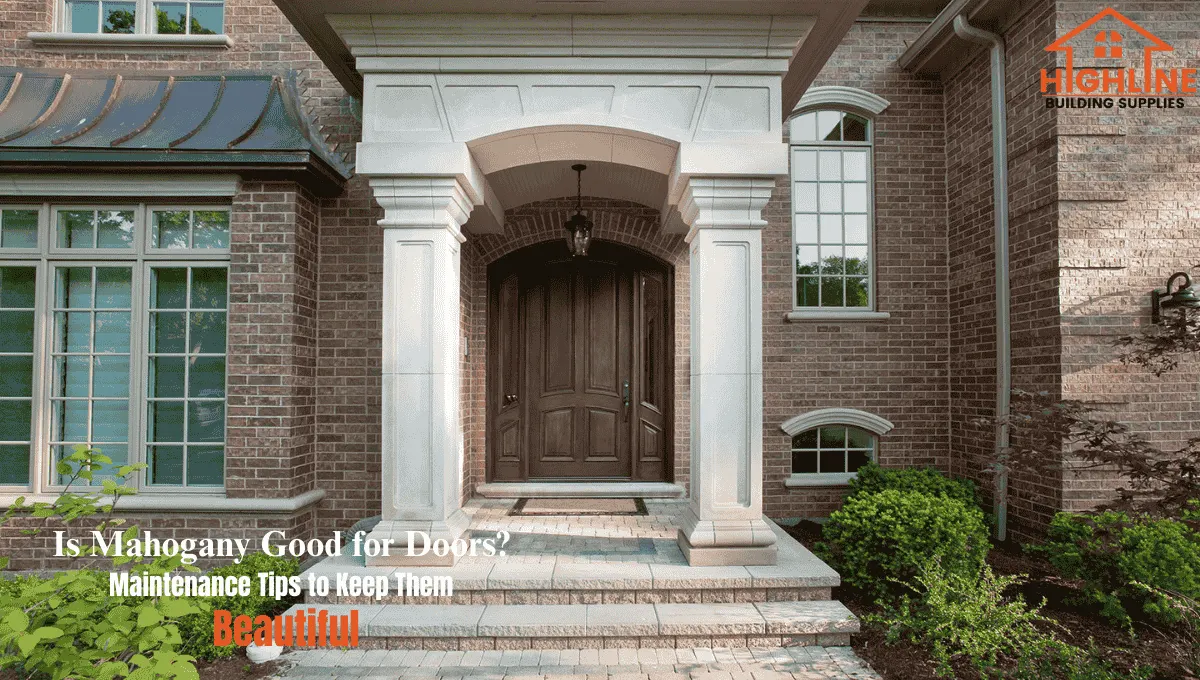
Is Mahogany Good for Doors? Maintenance Tips to Keep Them Beautiful

When choosing the perfect door for your home, many homeowners ask: “Is mahogany good for doors?” At Highline Building Supplies, we provide high-quality mahogany doors that combine elegance, durability, and modern design. Our Modern 5-Lite Equal Frosted Double Door and Mahogany 36X80 RH 3-Lite Equal Frosted options are crafted with precision to withstand the elements while adding a luxurious look to any home.

Mahogany is renowned for its strength and resistance to warping, making it an ideal material for both exterior and interior doors. Its natural beauty enhances curb appeal, while its durability ensures long-lasting performance. When paired with modern building materials, mahogany doors deliver a combination of sophistication, security, and reliability.

Why Choose Mahogany Doors?

Strength and Durability

Mahogany is one of the strongest hardwoods available, resisting dents, scratches, and warping. This quality makes it perfect for heavy-duty exterior doors, including our Modern 5-Lite Equal Frosted designs.

Aesthetic Appeal

With a rich, deep color and smooth grain, mahogany adds warmth and elegance to any entryway. Doors like the Mahogany 36X80 RH 3 Lite Equal Frosted create a striking first impression while complementing modern architecture.

Energy Efficiency

Mahogany’s dense structure provides excellent insulation, keeping homes cooler in summer and warmer in winter. Using mahogany doors along with other quality building materials can improve your home’s energy efficiency.

Maintenance Tips for Mahogany Doors

Maintaining the beauty of mahogany doors is straightforward if you follow expert-recommended tips:

  1. Regular Cleaning: Use a soft cloth and mild detergent to remove dust and grime. Avoid harsh chemicals.
  2. Protective Finish: Apply a UV-protective sealant to prevent fading and sun damage.
  3. Inspect for Damage: Check hinges, locks, and edges periodically to prevent small issues from becoming costly repairs.
  4. Avoid Moisture Exposure: Keep exterior doors sheltered from excessive rain and humidity to maintain their structural integrity.

With consistent maintenance, your Modern 5-Lite Equal Frosted Double Door or Mahogany 36X80 RH 3-Lite Equal Frosted will remain stunning for decades.

People Also Ask (PAA) Section

Q1: Is mahogany good for exterior doors?
Yes, mahogany is ideal for exterior doors because of its strength, resistance to warping, and natural beauty. It holds finishes well, maintaining color and shine over time.

Q2: How do I clean a mahogany door?
Clean with a soft cloth and mild soap. Avoid abrasive cleaners and harsh chemicals. Apply a protective finish annually for long-term care.

Q3: How long do mahogany door last?
With proper maintenance, mahogany doors can last 50 years or more, making them a long-term investment in both aesthetics and durability.

Q4: Are mahogany door energy-efficient?
Yes, mahogany’s dense wood provides excellent insulation, helping reduce energy costs while keeping your home comfortable.

Comparing Mahogany to Other Door Materials

  1. Mahogany vs. Fiberglass: Fiberglass doors are low-maintenance but lack the natural richness and warmth of mahogany.
  2. Mahogany vs. Pine: Pine is lighter and less expensive, but it’s more prone to dents and warping.
  3. Mahogany vs. Oak: Oak is strong and durable but doesn’t achieve the same luxurious finish as mahogany.

Choosing mahogany ensures long-lasting beauty, superior performance, and a higher return on investment for homeowners.

Modern Mahogany Door Styles Available

These designs highlight the versatility of mahogany doors and enhance the architectural appeal of any home.

Customer Testimonials

Emma R., Texas:
I installed the Modern 5-Lite Equal Frosted Double Door from Highline Building Supplies, and it completely transformed our entrance. It’s sturdy and elegant, and maintenance is easy!

David L., California:
The Mahogany 36X80 RH 3 Lite Equal Frosted door exceeded my expectations. It feels secure, looks beautiful, and has held up through harsh weather without any warping.

Sophia T., New York:
Highline Building Supplies provided excellent guidance on maintenance. My mahogany doors still look brand new after three years!

FAQs

Q1: Can a mahogany door be painted or stained?
Yes, mahogany doors take both paint and stain exceptionally well, allowing you to customize your door while highlighting its natural grain.

Q2: Do mahogany door require annual maintenance?
While they are durable, applying a protective finish once a year helps maintain color, prevent cracking, and extend the door’s life.

Q3: Are mahogany door suitable for modern home designs?
Absolutely. Styles like the Modern 5-Lite Equal Frosted Double Door or Mahogany 36X80 RH 3-Lite Equal Frosted complement contemporary architecture beautifully.

Q4: How do mahogany door perform in extreme weather?
Mahogany is naturally dense and resistant to warping, making it reliable in hot, humid, and cold climates when properly sealed.

Final Verdict

So, is mahogany good for doors? Absolutely. Its strength, beauty, and resistance to warping make it ideal for both modern and classic homes. Doors like the Modern 5-Lite Equal Frosted Double Door and 36X80 RH 3-Lite Equal Frosted combine style, durability, and energy efficiency. With simple maintenance, a mahogany door from Highline Building Supplies can stay stunning and functional for decades, making it a smart, long-lasting choice for any homeowner.

Author Bio

The Spire Team at Highline Building Supplies specializes in home doors, building materials, and modern entryway solutions. With years of experience, they provide expert guidance on selecting, maintaining, and installing doors like mahogany, fiberglass, and modern frosted designs. The team is committed to helping homeowners make informed choices that enhance durability, style, and energy efficiency.

luxury iron front doors for homes

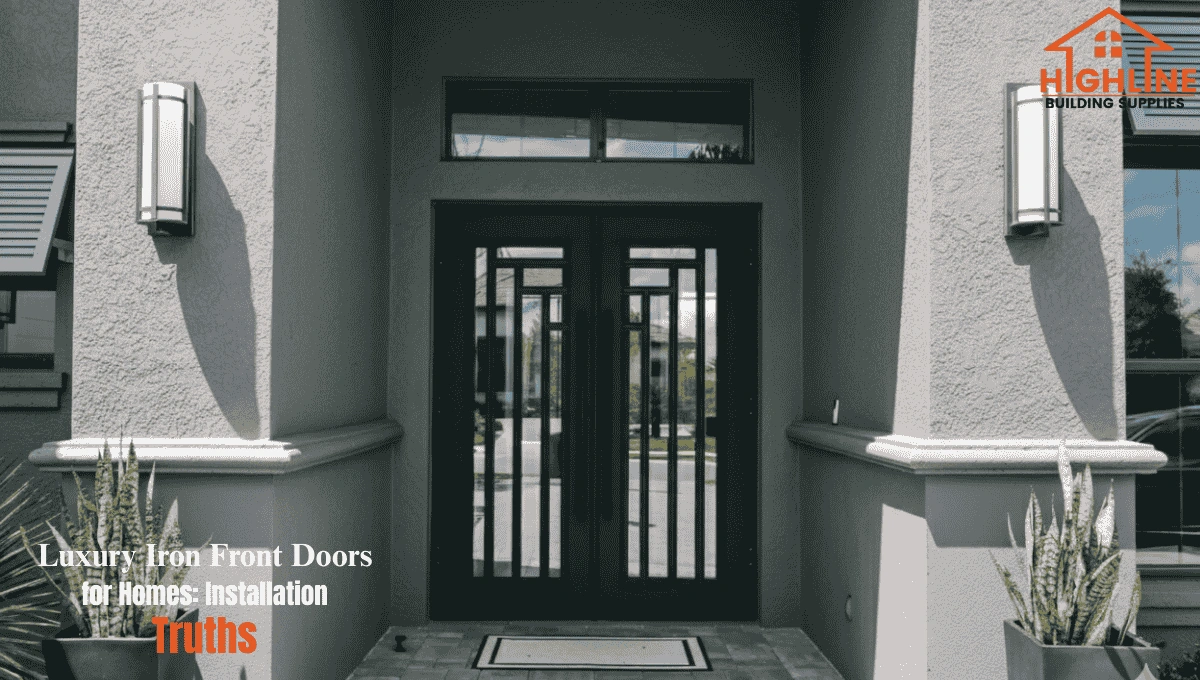
Luxury Iron Front Doors for Homes: Installation Truths

Upgrading to luxury iron front doors for homes is one of the most dramatic changes you can make to a property’s exterior. But what many homeowners don’t realize is that installation—not just design or price determines whether that investment performs beautifully for decades or becomes a constant headache.

As someone who has worked hands-on with entry systems, framing adjustments, and exterior renovations, I can confidently say this: iron doors are not just another door swap. They require planning, structural awareness, and proper sealing techniques that differ significantly from standard wood or fiberglass units.

This guide walks you through the real installation truths what works, what fails, and what homeowners often misunderstand.

Why Installation Matters More Than the Door Itself

A premium wrought iron door is engineered to last. Heavy-gauge steel frames, reinforced hinges, insulated glass, and weather-sealed cores are built for durability and security.

But improper installation can cause:

  • Air leaks and poor insulation
  • Water infiltration
  • Door sagging over time
  • Misalignment that damages locking mechanisms
  • Premature rust around seams

In other words, even the best door can fail if the opening isn’t prepared correctly.

At Highline Supplies, we often see homeowners focused on aesthetics—arched tops, decorative scrollwork, or statement pieces like a 3/4 Lite Arched Wrought Iron Double Door—but overlooking framing and structural requirements. That’s where most problems begin.

Understanding the Weight and Structural Demands

Luxury iron doors are significantly heavier than wood or fiberglass models.

Typical Weight Comparison

  • Standard fiberglass entry door: 80–120 lbs
  • Solid wood door: 100–150 lbs
  • Iron single door: 250–400+ lbs
  • Iron double door system: 500–800+ lbs

That weight changes everything.

What This Means for Installation

  • Framing must be square and reinforced
  • Subfloor must be level and load-capable
  • Hinges must be properly aligned and anchored
  • Anchoring hardware must match structural material (wood framing vs. masonry)

Skipping reinforcement often leads to sagging within the first few years.

Pre-Installation Planning: The Step Most People Rush

Before installation even begins, consider these key factors:

  1. Rough Opening Accuracy

Iron doors have tighter tolerances than many other materials. A rough opening that’s even slightly out of square can lead to sealing and locking issues.

Professional installers check:

  • Diagonal measurements
  • Plumb alignment
  • Level threshold surface

Even a 1/8-inch variation can create long-term problems.

  1. Threshold and Drainage

Iron doors must be protected from standing water.

Best practice includes:

  • Sloped exterior surfaces
  • Proper flashing
  • Waterproof membrane under threshold
  • Sealant rated for exterior metal

Water intrusion is the most common cause of rust at the base of entry systems.

  1. Climate Considerations

Iron expands and contracts with temperature changes.

In hot climates:

  • Thermal expansion affects seals
  • Dark finishes absorb heat

In cold climates:

  • Condensation control becomes critical
  • Insulated glass options matter more

This is why choosing between traditional designs and modern exterior doors isn’t just stylistic—it affects performance based on region.

Single vs. Double Iron Door Installation Truths

Double-door systems, such as the 3/4 lite Texas Star Double Wrought Iron Door, add another layer of complexity.

Common Double-Door Challenges

  • Active and passive leaf alignment
  • Flush bolt calibration
  • Center meeting seam sealing
  • Consistent latch pressure

If the center seam isn’t sealed properly, drafts and water infiltration can occur—even if the outer perimeter is perfect.

Sealing and Weatherproofing: Where Most Failures Happen

Iron itself doesn’t “fail” easily. Weather sealing does.

Best Practices

  • Use high-quality compression weather stripping
  • Ensure glass panels are insulated and sealed
  • Apply rust-resistant primer on exposed metal cuts
  • Seal all anchor penetrations

Cheap sealants shrink over time. When that happens, moisture enters—especially around screw holes.

From hands-on experience, I recommend checking seal integrity annually during seasonal maintenance.

Rust: What’s Normal vs. What’s Preventable

Many homeowners assume iron doors will rust quickly. That’s not true—if they’re installed and maintained correctly.

What Causes Premature Rust

  • Scratched powder coating left untreated
  • Poor drainage under threshold
  • Unsealed anchor penetrations
  • Coastal salt exposure without protective coatings

What Works

  • Touch-up kits for surface scratches
  • Annual inspection
  • Clear protective wax application in humid regions

Rust typically starts at the bottom edge where water pools. Proper flashing eliminates most of that risk.

Buying Online vs. In-Store: Installation Implications

More homeowners now buy exterior doors online, which can offer broader style options and pricing transparency.

However, online purchasing requires:

  • Precise measurements
  • Clear understanding of rough opening specs
  • Professional installation planning before delivery

A mismeasured iron door return can cost significantly due to freight and restocking fees.

When ordering custom systems, always confirm:

  • Hinge side
  • Swing direction
  • Jamb depth
  • Threshold type

These details directly affect installation success.

Comparing Iron to Other Building Materials

Choosing iron is often part of a larger exterior renovation. If you’re upgrading entry systems, it’s also wise to evaluate surrounding structural elements.

We’ve covered how critical material selection is in our related guide on building materials. The wrong framing lumber, flashing, or exterior sealant can undermine even the best entry system.

Your door is only as strong as the materials supporting it.

Energy Efficiency: The Reality

Luxury iron doors today are not hollow steel slabs. High-quality systems include:

  • Thermal breaks
  • Insulated cores
  • Double or triple-pane glass
  • Compression weather seals

When installed correctly, performance rivals many fiberglass doors.

But poor installation—gaps, misalignment, weak seals—negates these benefits immediately.

Energy efficiency is not just about the product. It’s about the seal.

Common Installation Mistakes (And How to Avoid Them)

  1. Skipping Structural Reinforcement

Heavy doors require reinforced framing.

  1. Rushing Sealant Application

Improper curing time leads to long-term leaks.

  1. Ignoring Flashing

Water always finds a way.

  1. Improper Shimming

Uneven support causes long-term hinge stress.

  1. DIY Without Experience

Iron systems are not beginner-level installs.

Expert Tips From the Field

After years of working with premium entry systems, here’s what consistently works:

  • Install during mild weather if possible
  • Always dry-fit before final anchoring
  • Protect the finish during installation
  • Confirm swing clearance inside and out
  • Use corrosion-resistant fasteners

One overlooked step? Checking the subfloor moisture level. Installing over damp concrete can create long-term corrosion issues.

Real-World Use Cases

Luxury Renovation Project

A homeowner upgrading to a 3/4 Lite Arched Wrought Iron Double Door needed header reinforcement due to span width. Proper structural correction prevented sagging that would have occurred within two years.

Contemporary Build

A client choosing sleek modern exterior doors underestimated sun exposure. Upgrading to insulated low-E glass prevented interior heat gain issues.

Customer Experiences

We assumed replacing our door would be simple. The framing adjustment alone took a full day—but it made all the difference.
— Daniel R., homeowner

Our contractor insisted on re-leveling the threshold before installing our wrought iron door. I’m glad he did—no drafts, even in winter.
— Melissa T., property owner

Buying online was easy, but measuring correctly was critical. Double-checked everything before ordering.
— James L., renovation client

FAQ:

Are iron doors harder to install than wood doors?

Yes. They’re heavier and require more precise framing and sealing.

Do iron doors rust easily?

Not if properly coated and installed with correct drainage.

How long does installation take?

Typically 4–8 hours for a standard replacement. Longer for structural modifications.

Are double doors harder to maintain?

They require periodic alignment checks, but maintenance is manageable.

Can I install one myself?

If you don’t have framing and structural experience, professional installation is strongly recommended.

Final Thoughts: Installation Determines Longevity

Luxury iron entry systems are built to last decades. But longevity depends almost entirely on:

  • Structural preparation
  • Precision alignment
  • Proper sealing
  • Ongoing maintenance

When installed correctly, luxury iron front doors for homes provide exceptional durability, security, and architectural impact.

The door itself is only half the story. The installation is the truth most people discover too late.

About the Author

Highline Supplies Editorial Team

Our team works closely with contractors, builders, and renovation professionals across residential projects involving entry systems, framing materials, and exterior upgrades. With hands-on experience evaluating installation challenges and material performance, we focus on practical guidance not marketing hype to help homeowners make informed decisions that hold up in real-world conditions.

Fiberglass Main Doors in Texas

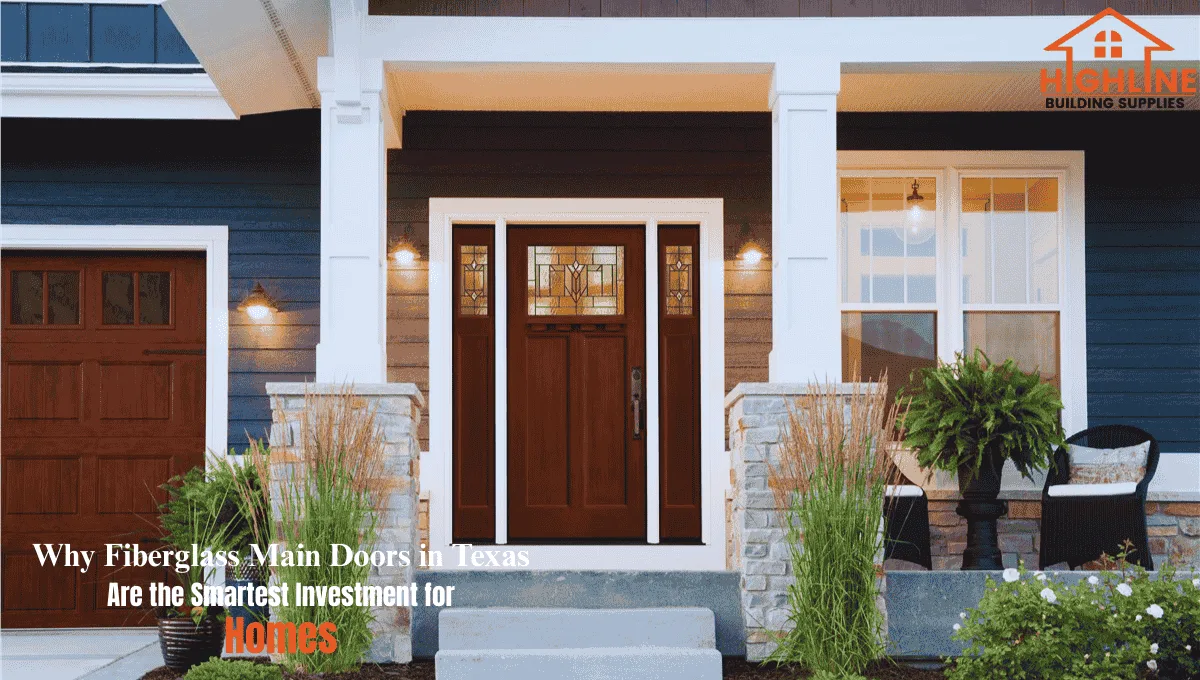
Why Fiberglass Main Doors in Texas Are the Smartest Investment for Homeowners

When it comes to choosing the right entryway, fiberglass main doors in Texas stand out as one of the smartest investments a homeowner can make. Texas weather is intense—scorching summers, high humidity, sudden storms, and shifting temperatures all demand durable, energy-efficient solutions. That’s exactly where fiberglass doors excel. They combine strength, thermal performance, visual appeal, and long-term value in one powerful package.

At Highline Building Supplies, we help homeowners, contractors, and builders select high-performance building materials that last. Our fiberglass door collection is engineered to meet Texas climate demands while maintaining elegant curb appeal and dependable security.

Why Texas Homes Need High-Performance Entry Doors

Texas climate conditions are unique. Because of that, exterior doors must handle the following:

  • Extreme heat and UV exposure
  • Rapid temperature fluctuations
  • High humidity levels
  • Wind-driven rain and seasonal storms

Traditional wood doors often warp, crack, or swell in these conditions. Steel doors may dent and transfer heat. However, fiberglass doors resist warping, rotting, and corrosion. As a result, they maintain structural integrity and appearance for years.

In other words, fiberglass doors aren’t just stylish—they’re practical for Texas living.

What Makes Fiberglass Main Doors a Smart Investment?

1. Energy Efficiency That Lowers Utility Bills

Texas summers can push cooling systems to the limit. Fiberglass doors provide superior insulation thanks to their polyurethane foam core and tight weather sealing. Consequently, they reduce heat transfer and help maintain indoor comfort.

Benefits include:

  • Lower energy consumption
  • Reduced strain on HVAC systems
  • More consistent indoor temperatures
  • Potential long-term savings on electricity

Energy efficiency isn’t just about comfort. It also increases property value and supports sustainable building practices.

2. Long-Term Durability in Harsh Weather

Unlike wood, fiberglass does not absorb moisture. Unlike steel, it does not rust. Because of this, homeowners experience:

  • No warping or swelling
  • No termite damage
  • Resistance to cracking
  • Minimal maintenance requirements

Even after years of sun exposure, fiberglass doors retain their shape and finish. Therefore, you avoid frequent replacements and repair costs.

3. Strong Security Without Compromise

Home security is always a top concern. Fiberglass doors are reinforced and designed to work seamlessly with modern locking systems. Many models support multi-point locking mechanisms for enhanced protection.

With proper installation from trusted suppliers like Highline Building Supplies, your entry door becomes both a design feature and a security barrier.

Style Options That Enhance Curb Appeal

Function matters—but so does appearance. Fiberglass doors come in a wide range of textures, finishes, and glass options.

For example, popular models include the following:

These options allow homeowners to match contemporary, transitional, or traditional architectural styles.

Additionally, fiberglass doors can mimic real wood grain finishes. So, you get the warm appearance of wood without the maintenance headaches.

Increased Home Value and ROI

Real estate professionals often highlight curb appeal as a key selling factor. A premium fiberglass entry door enhances first impressions immediately.

Because it improves:

  • Energy efficiency
  • Security
  • Visual impact
  • Longevity

Homebuyers see it as a valuable feature. Therefore, fiberglass doors can contribute to higher resale value.

Why Choose Highline Building Supplies?

At Highline Building Supplies, we specialize in premium exterior doors and quality building materials tailored to residential and commercial projects.

Our Commitment to Quality

  • Carefully sourced materials
  • Tested performance standards
  • Reliable supply chain
  • Trusted by builders and homeowners

We prioritize long-term performance rather than short-term trends. Our door selections are curated for durability, safety, and aesthetic flexibility.

Installation Matters: Professional Fit Ensures Performance

Even the best fiberglass door must be installed correctly. Poor installation can lead to air leaks, water infiltration, and reduced insulation performance.

That’s why we recommend:

  • Accurate measurement
  • Proper frame alignment
  • High-quality sealing materials
  • Professional installation support

When installed correctly, fiberglass doors deliver optimal results for decades.

People Also Ask (PAA)

Are fiberglass main doors good for Texas heat?
Yes. Fiberglass doors perform exceptionally well in hot climates. They resist warping and maintain insulation even under extreme temperatures.

How long do fiberglass doors last in Texas?
With proper installation and maintenance, fiberglass doors can last 20–30 years or more.

Do fiberglass doors increase home value?
Yes. They enhance curb appeal, improve energy efficiency, and provide strong security—factors that buyers appreciate.

Are fiberglass doors better than wood doors?
For Texas weather, fiberglass often outperforms wood because it resists moisture, sun damage, and expansion.

Do fiberglass doors require maintenance?
Maintenance is minimal. Occasional cleaning and hardware checks are typically sufficient.

How Fiberglass Doors Support Modern Texas Architecture

Contemporary Texas homes often emphasize clean lines and bold entryways. Models like the Ocean Gray Clear With Sidelite Door complement modern façades beautifully. Meanwhile, the ocean gray Flemish glass door suits homeowners who want both light and privacy.

Because fiberglass allows flexible design, homeowners can customize finishes, glass inserts, and hardware.

Reduced Maintenance, More Peace of Mind

Wood doors demand repainting and sealing. Steel doors may need rust treatment. In contrast, fiberglass doors maintain their appearance with minimal upkeep.

Simply clean periodically and inspect weather stripping. That’s it.

Consequently, homeowners save both time and money.

Sustainability and Smart Building Choices

Today’s building materials must meet environmental expectations. Fiberglass doors contribute to energy conservation by reducing HVAC demand. Moreover, their long lifespan reduces material waste over time.

For eco-conscious homeowners, that makes fiberglass a responsible choice.

Customer Testimonials

James R., Houston, TX
Highline Building Supplies provided excellent guidance. Our Ocean Gray Clear Door transformed the look of our home and improved insulation instantly.

Maria L., Dallas, TX
The Ocean Gray Clear with Sidelite Door added natural light while keeping our entry secure. We’re extremely satisfied with the quality.

Daniel K., Austin, TX
We replaced a wooden door that kept swelling every summer. The fiberglass model from Highline performs flawlessly.

Final Thoughts

Choosing the right entry door impacts security, comfort, aesthetics, and long-term value. Fiberglass main doors in Texas deliver strength, insulation, and style without the maintenance challenges of traditional materials.

At Highline Building Supplies, we combine product reliability with deep industry knowledge to help homeowners make informed decisions. If you want a door that withstands Texas heat, enhances curb appeal, and offers lasting performance, fiberglass is a wise choice.

For an exclusive collection of trims, visit this page:  Step-by-Step Guide to Installing the Best Interior Door Trim

Author Bio

Written by the Highline Building Supplies Content Team
Our team specializes in residential and commercial building materials, offering insights based on industry standards, supplier partnerships, and real-world project experience. We aim to provide accurate, helpful information that supports smart purchasing decisions for Texas homeowners and professionals.

modern exterior doors

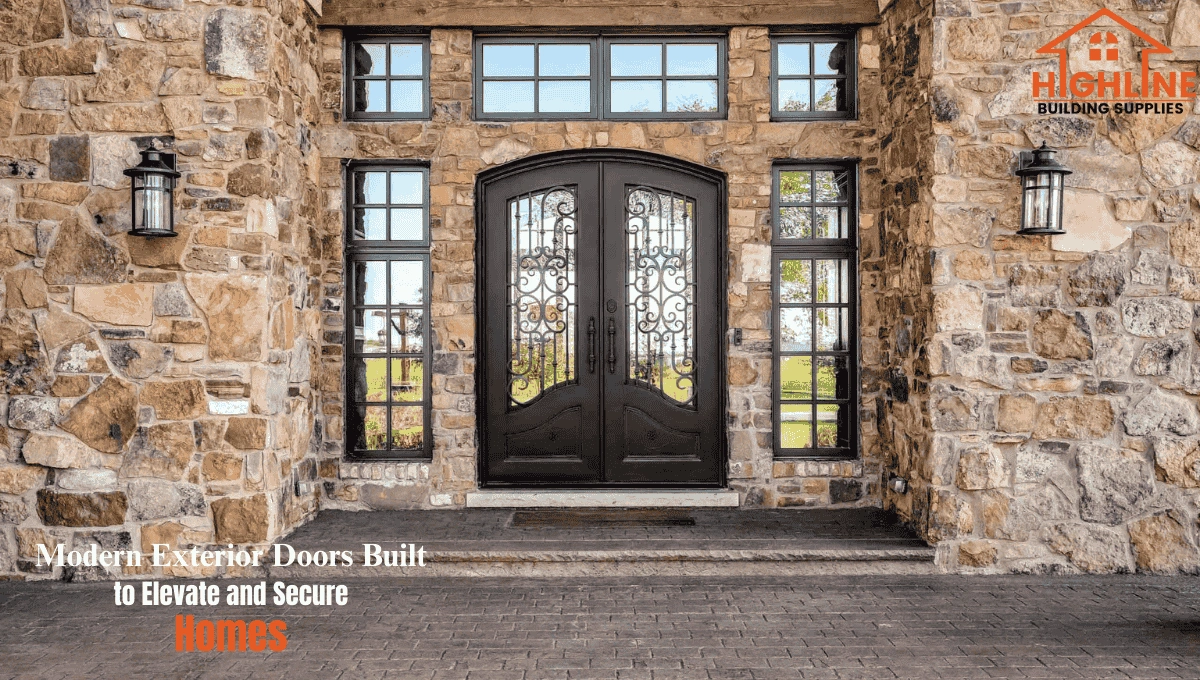
Modern Exterior Doors Built to Elevate and Secure Homes

Your front door does more than close off your entryway. It defines your home’s character, protects what matters most, and plays a major role in energy efficiency. Today’s modern exterior doors are engineered to do all three better than ever combining sleek design with advanced materials and real security performance.

Whether you’re building new, remodeling, or simply replacing an aging entry door, understanding your options can save you thousands of dollars and a lot of frustration. In this guide, we’ll break down what truly makes a door “modern,” compare materials like fiberglass doors, iron doors, and mahogany doors, and share practical insights from real-world projects so you can make a confident decision.

What Defines a Modern Exterior Door?

“Modern” doesn’t just refer to style. In the building industry, it typically means:

  • Clean lines and minimal detailing
  • Larger glass panels or horizontal lite configurations
  • Flush slabs or narrow stiles and rails
  • High-performance cores and insulation
  • Multi-point locking systems
  • Energy-efficient glazing

Modern exterior doors prioritize both aesthetics and performance. It’s no longer about choosing between beauty and durability—you can (and should) expect both.

Why Modern Exterior Doors Matter More Than You Think

From a contractor’s perspective, the front door is one of the highest ROI upgrades you can make. Here’s why:

  1. First Impressions Drive Perceived Value

Real estate professionals consistently emphasize curb appeal. A dated door can make even a well-maintained home feel tired. A well-chosen modern entry instantly elevates the façade.

  1. Security Is Non-Negotiable

Older wood doors with basic deadbolts are often vulnerable to forced entry. Today’s modern options include:

  • Reinforced frames
  • Steel cores or impact-rated fiberglass
  • Multi-point locking systems
  • Laminated or tempered safety glass

Security isn’t just about the slab—it’s about the entire system.

  1. Energy Efficiency Impacts Monthly Bills

A poorly insulated door can leak air and transfer heat. Modern construction includes:

  • Polyurethane or foam cores
  • Thermal breaks
  • Low-E glass
  • Compression weatherstripping

This helps maintain interior comfort and reduce HVAC strain.

Choosing the Right Material for Your Home

Material choice is where many homeowners go wrong. Let’s break down the most common options and how they perform in real conditions.

Fiberglass Doors: The Workhorse of Modern Design

Best for: Energy efficiency, durability, low maintenance

Fiberglass doors have become one of the most popular modern exterior doors for good reason.

Advantages:

  • Excellent insulation
  • Resistant to warping, cracking, and rot
  • Can mimic wood grain convincingly
  • Low maintenance

Limitations:

  • Lower-end versions can feel lightweight
  • Color changes are harder if factory finished

From experience, fiberglass doors perform especially well in climates with extreme temperature swings. Unlike solid wood, they don’t expand and contract significantly.

Iron Doors: Strength Meets Architectural Impact

Best for: Statement entries, security-focused designs

Iron doors are often associated with luxury homes, but they’re increasingly integrated into contemporary designs with minimalist lines and large glass panels.

Advantages:

  • Exceptional durability
  • Strong security presence
  • Customizable glass options

Limitations:

  • Higher upfront cost
  • Heavier installation requirements
  • Can conduct heat if not thermally broken

Installation quality matters greatly here. Improper sealing around iron frames can cause condensation issues.

Mahogany Doors: Timeless Warmth in Modern Forms

Best for: Transitional and modern organic designs

Mahogany doors blend traditional warmth with modern profiles. When properly sealed and maintained, they can last decades.

Advantages:

  • Rich natural grain
  • Solid feel
  • Custom carving and detailing options

Limitations:

  • Requires regular sealing
  • Sensitive to moisture
  • Higher maintenance than fiberglass

In coastal or humid climates, mahogany requires disciplined upkeep. Without it, warping and finish breakdown are common.

Key Performance Factors to Evaluate

When comparing modern exterior doors, focus on performance—not just looks.

Insulation (R-Value and U-Factor)

Look for manufacturer-provided performance ratings. Lower U-factor means better insulation.

Glass Technology

Choose:

  • Low-E coatings
  • Argon-filled panes
  • Tempered or laminated glass

Frame Construction

A strong door installed in a weak frame is still vulnerable. Consider:

  • Reinforced jambs
  • Adjustable thresholds
  • Continuous weather seals

Practical Considerations Before You Buy

If you plan to buy exterior doors online, there are a few extra steps you shouldn’t skip.

Measure Accurately

  • Rough opening size
  • Slab size
  • Frame depth
  • Swing direction

Incorrect measurements are the most common and expensive mistake.

Understand Local Climate

  • High humidity? Avoid poorly sealed wood.
  • Intense sun exposure? UV-resistant finishes matter.
  • Cold winters? Insulated cores are essential.

Consider Long-Term Maintenance

Be honest about upkeep. If you don’t plan to reseal wood annually, fiberglass might be the better choice.

Common Mistakes Homeowners Make

After years in the building materials industry, these patterns show up repeatedly:

  1. Choosing Based on Looks Alone

Design matters—but performance should come first.

  1. Ignoring Installation Quality

Even the best door fails if installed poorly. Gaps, misalignment, and improper flashing lead to air leaks and water intrusion.

  1. Overlooking Hardware

Modern designs often include multi-point locks. Skipping this upgrade reduces security and structural stability.

  1. Not Coordinating With Windows

Entry doors should complement window design. If you’re planning a broader exterior update, consider pairing your door upgrade with sliding window replacement for cohesive aesthetics and improved efficiency.

Integrating Modern Exterior Doors Into Whole-Home Design

Modern design isn’t just about the door—it’s about consistency.

Design Pairings That Work

  • Black iron door + minimalist black-framed windows
  • Wood-tone fiberglass + neutral stucco exterior
  • Horizontal glass panels + clean-lined siding

Door style should align with siding, roofing, and trim materials.

For a broader look at how exterior materials influence long-term performance and cost, Highline Supplies offers a helpful resource on building materials that breaks down common mistakes homeowners make when selecting exterior components.

Real-World Use Cases

Case Study 1: Energy Upgrade in a 1990s Suburban Home

A homeowner replaced a hollow-core wood door with an insulated fiberglass model featuring Low-E glass.

Result:

  • Noticeably reduced drafts
  • Improved street noise reduction
  • Lower winter heating bills

Case Study 2: Security-Focused Urban Remodel

A downtown property upgraded to a thermally broken iron door with laminated glass.

Result:

  • Enhanced security confidence
  • Modern architectural appeal
  • Increased resale interest

Testimonials From Homeowners

“We replaced our old wood door with a fiberglass option, and the difference in insulation was immediate. No more cold air near the entry.” — Daniel R.

“The iron door completely changed our home’s appearance. It feels solid and secure without looking bulky.” — Maria S.

“We ordered online after triple-checking measurements. Installation went smoothly, and the finish quality exceeded expectations.” — Kevin L.

Expert Tips for Long-Term Performance

  • Re-check caulking annually
  • Inspect weatherstripping before winter
  • Lubricate hinges and multi-point locks yearly
  • Avoid dark finishes on full-sun exposures in hot climates

Maintenance isn’t complicated—but ignoring it shortens lifespan.

FAQ:

What is the best material for a modern entry door?

It depends on climate and maintenance preferences. Fiberglass offers the best balance of durability and efficiency for most homeowners.

Are iron doors energy efficient?

They can be, if they include thermal breaks and insulated glass. Without these features, heat transfer can be an issue.

Is it safe to buy exterior doors online?

Yes—if you verify measurements carefully, review specifications, and confirm return policies.

How long do modern entry doors last?

Fiberglass and iron can last 20–30+ years with proper maintenance. Wood lifespan depends heavily on climate and upkeep.

Do modern doors increase home value?

Yes. Entry doors consistently rank among top ROI exterior upgrades due to curb appeal and security improvements.

Final Thoughts: Invest in Performance, Not Just Appearance

Modern exterior doors are more than a design statement—they’re a structural, security, and energy investment. Choosing the right material, verifying installation quality, and thinking long-term about maintenance will determine whether your door performs beautifully for decades or becomes a recurring issue.

As professionals in the building materials space, we’ve seen firsthand that the most successful projects begin with informed decisions. A well-selected door doesn’t just elevate a façade it strengthens the entire home envelope.

If you’re evaluating options or planning broader exterior upgrades, start with performance first. Style should enhance durability not replace it.

About the Author

Highline Supplies Editorial Team

The Highline Supplies team brings hands-on experience in construction materials, exterior building products, and home renovation projects. Working closely with contractors, builders, and homeowners, the team focuses on practical guidance rooted in real-world applications—not marketing trends. Their goal is to help readers make confident, informed decisions about the materials that protect and define their homes.

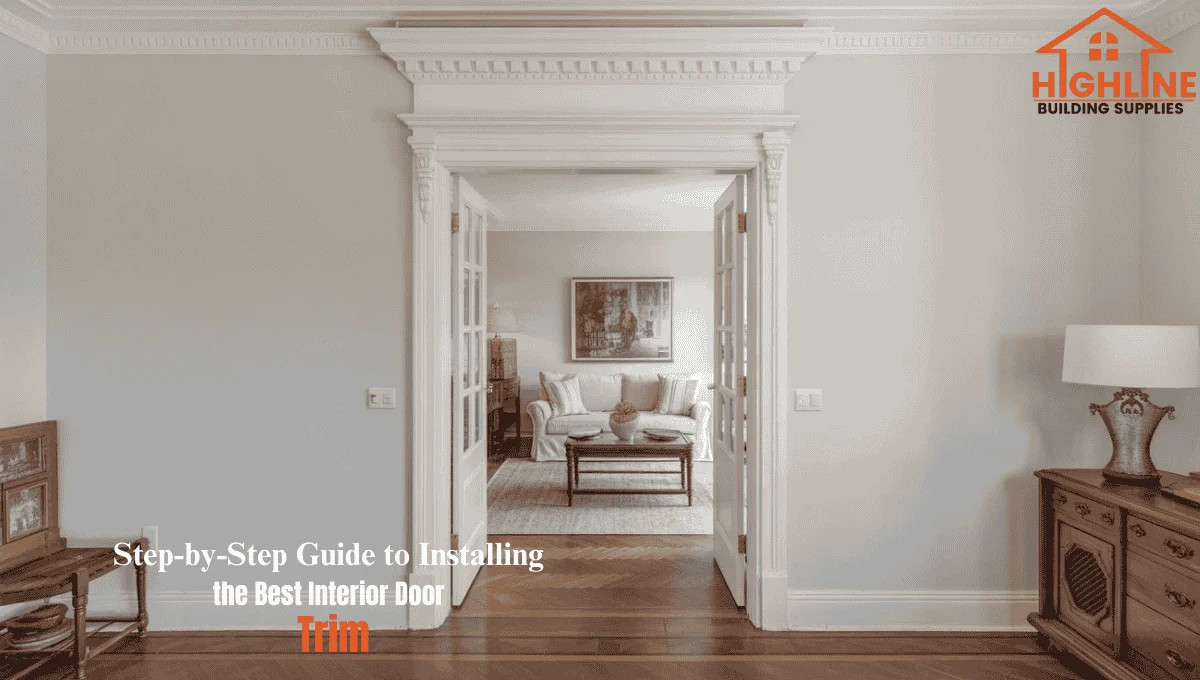
Best Interior Door Trim

Step-by-Step Guide to Installing the Best Interior Door Trim

When it comes to finishing a room properly, choosing the best interior door trim makes all the difference. The right trim frames your doors cleanly, hides gaps, enhances architectural style, and increases property value. Whether you’re renovating a single room or completing a full interior project, proper installation ensures long-lasting results.

At Highline Building Supplies, we provide premium trim and other high-performance building materials trusted by contractors, remodelers, and homeowners. With decades of industry experience, our team supports projects of all sizes by offering reliable products, practical guidance, and consistent customer service.

This detailed, step-by-step guide explains how to install interior door trim correctly, which materials to choose, and how to achieve a professional finish.

Why Interior Door Trim Matters

Interior door trim does more than frame a doorway. It:

  • Covers uneven drywall edges
  • Conceals expansion gaps between door frames and walls
  • Enhances design style
  • Increases resale appeal
  • Creates visual balance in a room

When installed correctly, trim creates clean lines that tie together baseboards, crown molding, and other finishing elements.

Choosing the Best Interior Door Trim for Your Project

Before you start installation, select the right trim material and profile.

1. Consider Material Type

Different materials serve different needs:

Solid Wood

  • Traditional look
  • Strong and durable
  • Ideal for stained finishes

Finger-Jointed Pine (FJ Primed)

  • Smooth, paint-ready surface
  • Budget-friendly
  • Resists warping

Example:
CROWN 4-1/4 X 9/16 FJ 16′ PRIMED 16′ 8012FJP – A high-quality primed crown option that pairs beautifully with door trim for cohesive interiors.

Flexible Trim Options
For curved walls or custom designs, flexible trim offers clean results where rigid wood cannot bend.

Examples:

These options help maintain design consistency around arches or radius walls.

2. Match Trim Style to Home Design

Your home’s style should guide your trim selection:

  • Modern: Flat stock trim, minimal detailing
  • Traditional: Decorative casing with layered profiles
  • Farmhouse: Wider trim with simple, bold edges
  • Transitional: Balanced profiles that blend classic and modern

Consistency across rooms creates a polished look.

3. Determine Trim Width

Standard door casing widths range from 2 ¼” to 3 ½”. ”. However:

  • Higher ceilings benefit from wider trim
  • Narrow hallways look better with slimmer profiles
  • Larger rooms support more decorative casing

Pro Tip: Wider trim creates a stronger visual impact without increasing complexity.

Tools You’ll Need

Before installation, gather these tools:

  • Measuring tape
  • Miter saw
  • Level
  • Nail gun or finish nails
  • Caulk gun
  • Wood filler
  • Sandpaper
  • Safety glasses

Preparation prevents delays and reduces material waste.

Step-by-Step Guide to Installing the Best Interior Door Trim

Step 1: Measure the Door Frame

Measure each side of the door from floor to top corner. Then measure the top horizontal section.

Always measure twice. Even small miscalculations can affect miter joints.

Step 2: Mark the Reveal Line

A reveal is the small gap between the trim edge and door jamb.

Standard reveal: 1/8 inch.

Use a combination square to mark a consistent reveal around the door frame. This ensures symmetrical alignment.

Step 3: Cut the Side Casings

Cut two vertical pieces first.

  • Use a 45-degree miter cut at the top
  • Keep the bottom cut straight

Dry-fit the pieces before nailing.

Step 4: Cut the Top Casing

Cut the top trim with matching 45-degree angles on both ends.

Test-fit all three pieces together to ensure tight joints.

If gaps appear:

  • Adjust the miter slightly
  • Sand edges carefully

Precision here determines the final look.

Step 5: Nail the Trim in Place

Start with one side piece.

  • Align it with the reveal line
  • Use a level to confirm straightness
  • Nail into the door jamb first
  • Then secure to wall studs

Repeat on the opposite side.

Finally, install the top casing.

Step 6: Fill Nail Holes and Gaps

Use wood filler for nail holes.

Apply paintable caulk along:

  • Outer edges of trim
  • Miter joints

Smooth with a damp finger or caulking tool.

Let everything dry completely before sanding lightly.

Step 7: Prime and Paint

If using primed material like CROWN 4-1/4 X 9/16 FJ 16′ PRIMED 16′ 8012FJP, apply two coats of high-quality paint for best results.

Use semi-gloss or satin finish for durability and easy cleaning.

Installing Flexible Trim Around Curved Walls

If your project includes arches or rounded walls:

  1. Measure curve length carefully
  2. Use products like 1X4×10 Straight Flexible Trim Baseboard
  3. Gradually bend into position
  4. Secure with adhesive and finish nails

Flexible trim maintains design continuity without cracking or splitting.

Common Mistakes to Avoid

Even experienced DIYers make these errors:

  • Skipping the reveal line
  • Rushing miter cuts
  • Not checking level alignment
  • Overdriving nails
  • Ignoring wall imperfections

Take your time. Precision produces professional results.

How Interior Door Trim Enhances Overall Building Materials Design

Door trim works best when coordinated with:

  • Baseboards
  • Crown molding
  • Window casing
  • Wall panels

At Highline Building Supplies, we help clients select complementary building materials to maintain visual harmony across projects.

Matching profiles creates cohesion that designers and buyers appreciate.

People Also Ask (PAA)

What is the best interior door trim material?
Finger-jointed primed pine works well for painted finishes, while solid wood suits stained applications. Flexible trim options handle curved walls effectively.

How wide should interior door trim be?
Most homes use 2 ¼” to 3 ½” casing. Larger rooms or high ceilings support wider trim for balanced proportions.

Can I install interior door trim myself?
Yes. With proper measurements, accurate cuts, and patience, most homeowners can complete trim installation successfully.

Should door trim match baseboards?
Yes. Matching trim and baseboards creates a unified design. However, slight variations in width can add subtle dimension.

What type of paint is best for door trim?
Semi-gloss paint resists scuffs and cleans easily, making it ideal for high-traffic areas.

Why Contractors Trust Highline Building Supplies

Highline Building Supplies has built a reputation for reliability, product consistency, and customer support. Our team works closely with:

  • Professional contractors
  • Remodelers
  • Interior designers
  • DIY homeowners

We maintain strict quality standards across our trim inventory and other building materials to ensure performance, stability, and long-term durability.

Customers return because they know they will receive dependable service and clear product guidance.

Customer Testimonials

Michael R., General Contractor
Highline Building Supplies consistently provides straight, primed trim that installs smoothly. Their flexible trim options save us time on curved projects.

Sandra L., Homeowner
I used the 1x6x10 Straight Flexible Trim Baseboard in my hallway renovation. The result looks seamless. The team answered every question clearly.

David M., Interior Designer
The CROWN 4-1/4 X 9/16 FJ 16′ PRIMED 16′ 8012FJP pairs beautifully with modern door casing. Reliable quality every time.

Maintenance Tips for Long-Lasting Trim

After installation:

  • Wipe dust regularly
  • Touch up paint when needed
  • Inspect caulk annually
  • Avoid excessive moisture exposure

Proper care extends trim life for decades.

Final Thoughts

Installing the best interior door trim does not require complicated tools or advanced experience. However, it does require careful measurements, accurate cuts, and attention to detail. When you select quality materials and follow proper steps, the result enhances your home’s design and value.

Highline Building Supplies supports every stage of your project with dependable trim options, expert product knowledge, and trusted service. Whether you’re working on one doorway or an entire home renovation, the right materials make all the difference.

Visit our vinyl single-hung window collections: UV Protection, Insulation, and Comfort: Vinyl Single-Hung Window Replacement Explained

Author Bio

Written by the Highline Building Supplies Content Team

The Highline Building Supplies team brings years of experience in construction, renovation, and interior finishing products. We collaborate with contractors, builders, and homeowners to provide reliable building materials that meet modern performance standards. Our mission is to support projects with clear guidance, dependable products, and practical expertise you can trust.

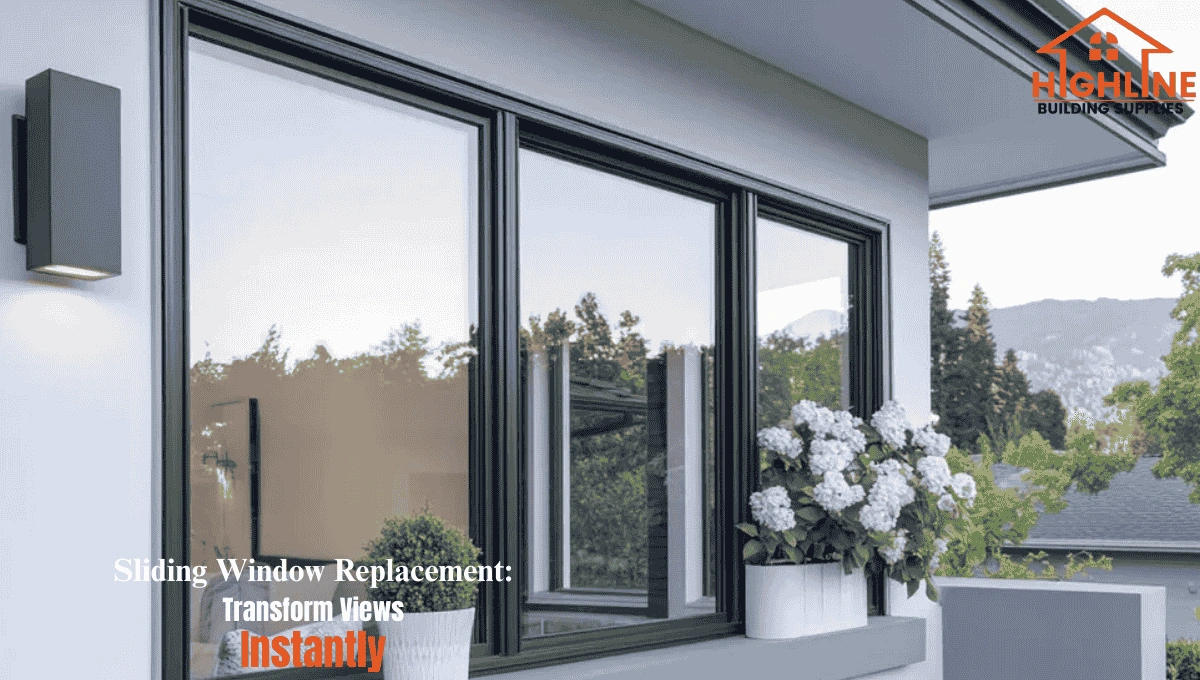
sliding window replacement

Sliding Window Replacement: Transform Views Instantly

Sliding window replacement is one of the most practical and visually impactful upgrades homeowners can make when they want to improve comfort, efficiency, and everyday usability without a full renovation. Whether you’re dealing with stuck frames, rising energy bills, or outdated aesthetics, replacing older units with modern interior & exterior sliding windows can completely change how a space looks and feels.

In homes I’ve worked on over the years, window upgrades consistently deliver some of the most noticeable results. They improve airflow, brighten interiors, reduce drafts, and often fix issues homeowners didn’t even realize were caused by failing windows. If you’re planning a home improvement project, understanding how sliding window replacement works and when it makes sense is essential.

This guide walks you through everything: how sliding windows function, where they work best, what people often get wrong, and how to choose the right size and design for your space.

What Is Sliding Window Replacement?

Sliding window replacement involves removing older, worn, or inefficient window units and installing new ones that open horizontally along a track. Unlike traditional single-hung or double-hung windows that move vertically, sliding windows move side-to-side.

They are especially popular in:

  • Living rooms
  • Kitchens
  • Ground-floor bedrooms
  • Basements
  • Modern homes with wide wall openings

Their simple mechanics mean fewer moving parts, which often translates into fewer maintenance issues over time.

Why homeowners choose sliding windows

From hands-on experience, most people opt for sliding windows for three main reasons:

  • They’re easy to open and close
  • They allow wide, unobstructed views
  • They bring in more natural light

In practical terms, they’re one of the most user-friendly window types available.

Why Replacing Old Sliding Windows Matters

Many homeowners don’t realize how much energy and comfort they lose through aging windows. Over time, seals weaken, frames shift, and tracks collect debris that affects performance.

Signs it’s time for replacement

If you notice any of the following, replacement may be worth considering:

  • Drafts near the window area
  • Condensation between glass panes
  • Difficulty opening or closing
  • Increased outside noise
  • Visible frame damage or warping

In older homes, I’ve seen cases where replacing windows alone noticeably improved indoor temperature stability without touching HVAC systems.

The Practical Benefits of Sliding Window Replacement

Replacing outdated windows isn’t just about appearance. It directly affects how your home functions day to day.

  1. Improved Natural Light

Sliding windows typically have large glass panels, allowing more sunlight to enter. This can:

  • Make rooms feel larger
  • Reduce the need for artificial lighting
  • Improve overall mood and ambiance
  1. Better Ventilation

Because half of the window opening can be used for airflow, they’re especially effective in kitchens and living areas.

  1. Easier Operation

Compared to older vertical windows, sliding models require less effort to open — ideal for:

  • Seniors
  • Children
  • Frequently used areas
  1. Energy Efficiency

Modern units seal better, reducing:

  • Air leakage
  • Heat gain in summer
  • Heat loss in winter
  1. Cleaner Modern Look

Many homeowners choose sliding windows as part of modern home windows design ideas, especially in renovations focused on minimalism and clean lines.

Understanding Interior & Exterior Sliding Windows

When planning a replacement, it’s important to think about both interior & exterior sliding windows as part of a complete system.

Interior perspective

From inside the home, sliding windows affect:

  • Light flow
  • Ventilation patterns
  • Furniture placement
  • Ease of cleaning

Exterior perspective

From the outside, they contribute to:

  • Home curb appeal
  • Architectural balance
  • Weather protection

In many projects, I’ve seen that a well-chosen window style can instantly modernize a home’s exterior — even without changing siding or paint.

Choosing the Right Window Size for Your Space

Size matters more than most people expect. The wrong dimensions can affect both appearance and function.

Some commonly used sizes include:

Choosing the right width can dramatically change how open a room feels. Larger windows create a stronger connection between indoor and outdoor areas.

Practical Considerations Before Replacing Sliding Windows

Before starting a replacement project, there are several factors worth evaluating.

Frame Material

Vinyl is a popular choice because it:

  • Resists moisture
  • Requires minimal maintenance
  • Holds insulation well

Installation Quality

Even the best window won’t perform well if installed poorly. Common problems from bad installation include:

  • Air leaks
  • Water intrusion
  • Frame misalignment

Orientation of the Home

Where your windows face matters:

  • South-facing windows get more sunlight
  • North-facing windows offer more consistent light
  • West-facing windows can increase afternoon heat

Understanding this helps in planning for comfort and efficiency.

Common Mistakes Homeowners Make

Over the years, certain mistakes show up again and again during window replacement projects.

Choosing style over function

It’s easy to focus on aesthetics, but usability matters just as much.

For example:

  • A window placed too low can interfere with furniture
  • A window placed too high reduces ventilation effectiveness

Ignoring insulation details

People often assume glass is the main factor. In reality:

  • Seals
  • Frame quality
  • Installation precision

…all play a major role in performance.

Not considering long-term maintenance

Tracks can collect dust and debris. Choosing models that are easy to clean saves effort later.

Where Sliding Windows Work Best

From real-world installation experience, sliding windows perform particularly well in these areas:

Kitchens

  • Easy to open while cooking
  • Improves airflow quickly

Living Rooms

  • Enhances natural light
  • Creates wide outdoor views

Bedrooms

  • Improves ventilation
  • Helps regulate temperature

Basements

  • Provides light without taking up vertical wall space

Expert Tips for a Successful Sliding Window Replacement

Here are practical lessons from hands-on home improvement work that make a real difference:

Measure twice — always

Incorrect measurements are one of the top causes of installation delays.

Think about airflow patterns

Place windows where they can create cross-ventilation.

Consider how you use the room

For example:

  • In kitchens, place windows near prep areas
  • In bedrooms, prioritize quiet operation

Plan upgrades with other materials

Window replacement often ties into larger renovation plans. If you’re working on structural updates or framing, it’s worth understanding how everything connects. A helpful starting point is this guide on , which explains why material choices matter more than most homeowners realize.

Limitations to Be Aware Of

While sliding windows are versatile, they’re not perfect for every situation.

Partial opening space

Only one side typically opens at a time, limiting full airflow compared to casement windows.

Track maintenance

Dust buildup can affect smooth operation if not cleaned occasionally.

Security considerations

Proper locks and reinforced frames are important, especially for ground-floor windows.

These aren’t major drawbacks — just practical factors to keep in mind.

Real-World Use Cases

Renovating an older home

In many older properties, replacing worn-out windows instantly improves comfort. Drafts disappear, noise reduces, and interiors feel brighter.

Updating a modern layout

Sliding windows fit perfectly into modern home windows design ideas, especially open-concept living spaces.

Improving everyday usability

For families, sliding windows are easy to use, clean, and maintain.

Customer Experiences

Here are a few common homeowner perspectives after replacing their windows:

We didn’t realize how much light we were missing until the new windows were installed. The living room feels twice as big.

Our old windows were hard to open. The new sliding ones move smoothly and make airflow so much better.

Replacing the kitchen window changed everything. It’s brighter, and cooking heat doesn’t build up like before.

The noise reduction was noticeable right away. Street sounds are much softer now.

FAQ:

How long does sliding window replacement take?

Most single-window replacements can be completed in a few hours. Full-home projects may take one to three days depending on size and complexity.

Are sliding windows energy efficient?

Yes, modern designs with proper seals and insulated glass help reduce air leakage and maintain indoor temperature.

Can sliding windows be installed in older homes?

In most cases, yes. Older frames can often be removed and replaced without major structural changes.

Do sliding windows need a lot of maintenance?

Not much. Occasional cleaning of the track and glass is usually enough to keep them working smoothly.

What size sliding window is best for a living room?

Larger options like 48×36 or 60×36 typically provide better views and more light, making them suitable for main living spaces.

Final Thoughts

Sliding window replacement is one of those upgrades that delivers both visual and practical benefits. It improves light, airflow, comfort, and overall home functionality in a way that’s immediately noticeable.

From a hands-on perspective, the most successful projects focus on:

  • Correct sizing
  • Good installation
  • Thoughtful placement
  • Quality materials

When planned well, even a single replacement can make a room feel more open, usable, and modern.

For homeowners exploring ways to refresh their space without major construction, sliding windows remain one of the smartest and most effective improvements available.

Author Bio

Highline Supplies Editorial Team

The Highline Supplies editorial team brings practical, real-world experience from working with building materials, window systems, and home improvement projects across residential settings. Their insights are shaped by hands-on industry knowledge, contractor feedback, and common homeowner challenges, with a focus on helping readers make informed, confident decisions about improving their homes.

Vinyl Single-Hung Window Replacement

UV Protection, Insulation, and Comfort: Vinyl Single Hung Window Replacement Explained

At Highline Building Supplies, we understand that window replacement is more than a visual update—it directly affects energy efficiency, indoor comfort, and long-term property value. A vinyl single-hung window replacement offers a smart balance of durability, insulation, and cost efficiency, making it one of the most trusted window solutions for homeowners, builders, and remodeling professionals.

As a leading supplier of premium building materials, Highline Building Supplies delivers dependable window products backed by industry knowledge, quality sourcing, and customer trust. Whether you are upgrading a single room or planning a full-scale renovation, vinyl single hung windows remain a proven choice for performance and reliability.

Why Vinyl Single-Hung Window Replacement Matters

Older windows often allow heat transfer, UV damage, and air leakage that make indoor spaces uncomfortable and energy bills unpredictable. A vinyl single hung window replacement solves these issues with modern materials designed for insulation, stability, and longevity.

Unlike outdated aluminum or wood windows, vinyl frames resist moisture, warping, and fading. When combined with insulated glass, they help regulate indoor temperatures while reducing strain on HVAC systems.

This balance of efficiency and comfort explains why single hung vinyl windows continue to dominate residential window replacement projects.

What Is a Vinyl Single-Hung Window?

A single hung window features:

  • A fixed upper sash
  • A movable lower sash that slides vertically

This design simplifies operation while improving insulation and structural strength. Fewer moving parts also mean fewer maintenance concerns over time.

Vinyl construction enhances this design by providing:

  • Strong thermal resistance
  • Consistent performance in changing weather
  • Long-term durability without repainting

How Vinyl Single-Hung Window Replacement Improves Insulation

Multi-Chamber Vinyl Frames

Vinyl frames are engineered with internal chambers that slow heat transfer. These chambers trap air, which acts as a natural insulator.

Insulated Glass Units

Most vinyl single hung window replacement options include double-pane or advanced insulated glass. This reduces heat gain in summer and heat loss in cooler months.

Tight Sealing Technology

Modern window installation techniques create airtight seals that limit drafts, dust, and outdoor noise. This helps maintain stable indoor temperatures throughout the year.

UV Protection That Preserves Your Interior

Sunlight brings warmth and brightness, but prolonged UV exposure damages flooring, furniture, and fabrics. A vinyl single hung window replacement helps block harmful rays without sacrificing natural light.

Many window options include:

  • Low-E glass coatings
  • UV-reflective layers
  • Advanced glazing technology

These features reduce fading and discoloration while keeping indoor spaces comfortable.

Comfort You Can Feel Every Day

Replacing outdated windows often leads to an immediate difference in comfort. Homeowners notice:

  • Fewer drafts near windows
  • More consistent room temperatures
  • Reduced outside noise

A vinyl single hung window replacement creates a more stable indoor environment, especially in bedrooms, living rooms, kitchens, and home offices.

INSPIRE Vinyl Single Hung Window Options

Highline Building Supplies proudly offers INSPIRE vinyl single hung windows, trusted for performance and size consistency across residential applications.

INSPIRE VINYL SH 48×48

A balanced option ideal for bedrooms, kitchens, and compact living spaces. This size delivers excellent ventilation while maintaining strong insulation performance.

INSPIRE VINYL SH 48×60

A popular mid-range size that works well in living rooms and common areas. It provides ample daylight while supporting efficient airflow and comfort.

INSPIRE VINYL SH 48×72

Perfect for spaces that benefit from taller window openings. This size enhances natural light and visual openness without compromising energy efficiency.

Each INSPIRE option supports vinyl single hung window replacement projects that demand dependable sizing and long-term value.

Energy Efficiency and Cost Savings

One of the strongest reasons to choose vinyl single hung window replacement is energy performance. Improved insulation reduces heating and cooling demand, which often leads to noticeable energy savings over time.

Benefits include:

  • Lower monthly utility costs
  • Reduced HVAC wear
  • Improved indoor temperature stability

While energy savings vary by home and climate, modern vinyl windows consistently outperform older window systems.

Why Homeowners Trust Highline Building Supplies

Highline Building Supplies has earned a reputation for reliability through:

  • Careful product selection
  • Deep knowledge of building materials
  • Consistent customer support

Our focus stays on delivering window solutions that meet professional standards and homeowner expectations. Every vinyl single hung window replacement product reflects our commitment to quality and trust.

Vinyl Single-Hung Windows vs Other Window Types

Compared to Double-Hung Windows

Single hung windows offer:

  • Better insulation due to fewer moving parts
  • Lower cost
  • Simplified maintenance

Compared to Sliding Windows

Single hung windows:

  • Seal more tightly
  • Resist air leakage
  • Provide stronger vertical structure

For many homes, vinyl single hung window replacement strikes the best balance between performance and affordability.

Installation Quality Matters

Even the best window underperforms if installed incorrectly. Proper measurement, sealing, and alignment ensure your vinyl single hung window replacement delivers full insulation and comfort benefits.

Highline Building Supplies works with professionals who understand installation standards that protect window performance and longevity.

Maintenance Made Simple

Vinyl single hung windows require minimal upkeep:

  • No painting or staining
  • Easy cleaning with mild soap
  • Long-lasting color stability

This low-maintenance advantage makes vinyl a preferred material for busy homeowners and rental properties.

Built for Long-Term Durability

Vinyl resists:

  • Moisture damage
  • Corrosion
  • Insect activity

A vinyl single hung window replacement maintains structural integrity for years, even in challenging environments.

Environmental Considerations

Energy-efficient windows support sustainability goals by reducing energy consumption. Vinyl windows also last longer, which lowers replacement frequency and material waste.

Choosing quality building materials contributes to responsible home improvement decisions.

People Also Ask (PAA)

What is a vinyl single-hung window replacement?
It is the process of replacing an existing window with a vinyl-framed single-hung window that improves insulation, UV protection, and comfort.

Are vinyl single-hung windows energy efficient?
Yes. Their insulated frames and glass options help reduce heat transfer and maintain indoor temperature balance.

Do vinyl windows block UV rays?
Modern vinyl windows with advanced glass coatings block a significant portion of harmful UV rays while allowing natural light.

How long do vinyl single-hung windows last?
With proper installation and care, they often last 20–30 years or longer.

Is single-hung better than double-hung?
Single-hung windows often offer better insulation and lower cost, making them a strong choice for many homes.

Customer Testimonials

The vinyl single hung windows we purchased from Highline Building Supplies made an immediate difference in comfort. The rooms stay cooler, and outside noise dropped noticeably.
Residential Homeowner

INSPIRE vinyl single hung windows are reliable and easy to install. Highline consistently delivers quality products we trust.
Professional Contractor

We replaced several old windows and saw better insulation right away. Highline Building Supplies guided us through the process.
Property Manager

Why Vinyl Single-Hung Window Replacement Adds Value

Window replacement often improves:

  • Energy efficiency ratings
  • Buyer appeal
  • Overall home comfort

A single-hung window replacement supports both functional upgrades and long-term property value.

Choosing the Right Window Size and Style

Matching window size to room layout ensures proper light, airflow, and visual balance. INSPIRE vinyl single hung sizes like 48×48, 48×60, and 48×72 accommodate a wide range of residential needs.

FAQs

1. Can vinyl single hung windows help reduce outside noise?
Yes. Their tight seals and insulated glass help limit sound transfer, creating a quieter indoor space.

2. Are vinyl single hung windows suitable for full-home replacement projects?
They work well for both single-room upgrades and whole-house window replacement due to consistent sizing and performance.

3. Do vinyl single hung windows require special maintenance?
No. Basic cleaning is enough since vinyl resists moisture, peeling, and corrosion.

4. Are INSPIRE vinyl single hung windows compatible with standard openings?
Yes. Sizes like 48×48, 48×60, and 48×72 fit many common residential window openings.

Final Thoughts

A vinyl single-hung window replacement delivers measurable benefits in insulation, UV protection, and everyday comfort. When paired with quality products from Highline Building Supplies, homeowners and professionals gain reliable performance backed by expertise and trust.

From energy efficiency to ease of maintenance, vinyl windows remain a practical and proven solution within modern building materials.

Visit our exclusive collection of picture windows: Stunning Creative Picture Window Designs That Instantly Transform Your Living Room

Author Bio

Highline Building Supplies Editorial Team
The Highline Building Supplies editorial team brings industry knowledge, product expertise, and real-world experience to every piece of content. Focused on quality building materials and informed decision-making, our team supports homeowners and professionals with accurate, practical insights they can trust.

Back to Top

Search For Products

Product has been added to your cart