best single hung replacement windows

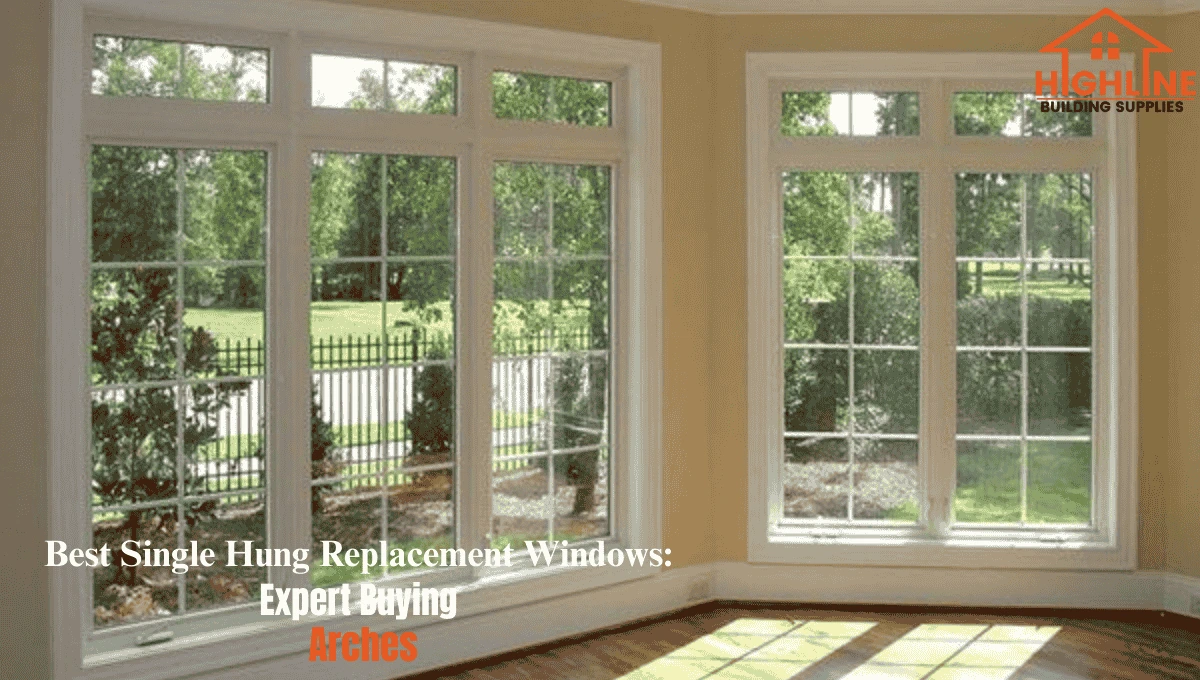
Best Single Hung Replacement Windows: Expert Buying Guide

Choosing the best single hung replacement windows can make a significant difference in your home’s comfort, energy efficiency, and long-term maintenance costs. For homeowners updating older properties or contractors handling renovation projects understanding how single hung windows work and how to choose the right option is essential.

Single hung windows remain one of the most widely installed window styles in residential construction. They’re simple, durable, and often more affordable than other window types. But not all replacement windows are built the same. Frame materials, glass options, installation quality, and sizing all affect performance.

In this expert buying guide, we’ll walk through what single hung windows are, how they compare with other window styles, what features actually matter in real-world installations, and how to choose the right size and model such as INSPIRE VINYL SH 24×24, INSPIRE VINYL SH 24×36, and INSPIRE VINYL SH 24×48 for your home improvement project.

What Are Single Hung Windows?

A single hung window is a vertical sliding window where:

  • The bottom sash moves up and down
  • The top sash remains fixed

This design has been used in homes for over a century because of its reliability and straightforward mechanics.

How It Works

  • The bottom panel (sash) slides upward to allow ventilation
  • The upper panel remains stationary within the frame
  • Many modern models include tilt-in features for easier cleaning

Because only one sash moves, single hung windows tend to have fewer mechanical components, which often means lower maintenance over time.

Why Single Hung Windows Are Still Popular

Despite the availability of modern window styles, single hung windows remain common in both renovations and new builds.

Here’s why.

  1. Affordability

Compared to double hung windows, single hung units typically cost less due to their simpler design.

This makes them ideal for:

  • Whole-home window replacement projects
  • Rental property upgrades
  • Budget-conscious renovations
  1. Energy Efficiency

Fewer moving parts often mean tighter seals. With proper weatherstripping and insulated glass, these windows can significantly improve energy performance.

  1. Durability

Since the upper sash doesn’t move, there’s less wear on the frame and hardware over time.

  1. Simple Operation

Single hung windows are easy to use and intuitive for homeowners of all ages.

Common Sizes for Replacement Projects

When replacing windows, size compatibility is one of the most important considerations.

Many residential renovations rely on standard window sizes to reduce installation complexity and cost.

Some commonly used options include:

INSPIRE VINYL SH 24×24

This compact square window is commonly used in:

  • Bathrooms
  • Basements
  • Laundry rooms
  • Stairwells

Because it provides ventilation without taking up much wall space, it’s a practical solution for smaller areas.

INSPIRE VINYL SH 24×36

A mid-size vertical window, this model works well in:

  • Bedrooms
  • Hallways
  • Secondary living spaces

It provides more natural light while maintaining energy efficiency.

INSPIRE VINYL SH 24×48

This taller configuration is commonly used in:

  • Living rooms
  • Dining rooms
  • Home offices

It allows for increased daylight and better outdoor visibility.

Vinyl vs Other Window Materials

One of the biggest decisions when selecting replacement windows is frame material.

Vinyl Windows (Most Common)

Vinyl windows dominate the replacement market for several reasons:

Advantages

  • Excellent insulation
  • Low maintenance
  • Moisture resistance
  • Affordable pricing
  • No painting required

Limitations

  • Limited color options compared to wood
  • Slight expansion in extreme temperature swings

For most homeowners, vinyl offers the best balance of durability and cost.

Wood Windows

Wood frames provide a traditional aesthetic but require regular maintenance.

Pros:

  • Classic appearance
  • Paintable or stainable

Cons:

  • Higher cost
  • Susceptible to moisture damage if not maintained

Aluminum Windows

Aluminum frames are strong but less energy efficient than vinyl.

They’re typically used in:

  • Commercial buildings
  • Modern architectural designs

Key Features to Look for When Buying Replacement Windows

Not all windows perform the same, even if they appear similar.

Here are the features professionals look for during installation.

  1. Energy-Efficient Glass

Look for insulated glass units (IGUs) with:

  • Double-pane or triple-pane glass
  • Low-E coatings
  • Argon or krypton gas fills

These features reduce heat transfer and improve indoor comfort.

  1. Quality Weatherstripping

Good weatherstripping prevents:

  • Drafts
  • Water intrusion
  • Energy loss

Inexpensive windows often cut corners here.

  1. Durable Hardware

The balance system controls how smoothly the sash moves.

Better systems:

  • Operate smoothly
  • Resist wear
  • Maintain alignment over time
  1. Easy Cleaning Mechanisms

Tilt-in sashes make cleaning safer and more convenient—especially for second-story windows.

Real-World Installation Considerations

From years of renovation projects, installers consistently emphasize one thing:

Even the best window fails if installed poorly.

Here are practical factors that matter during installation.

Measure Carefully

Replacement windows must fit the existing rough opening precisely.

Common measurement mistakes include:

  • Ignoring frame depth
  • Forgetting about siding thickness
  • Not accounting for shimming space

Check the Existing Frame

If the surrounding frame is:

  • Rotten
  • Warped
  • Structurally compromised

The window opening may need repairs before installation.

Skipping this step can lead to:

  • Air leaks
  • Water damage
  • Poor insulation

Insulate Around the Frame

Proper insulation between the window and wall cavity is critical.

Professionals typically use:

  • Low-expansion spray foam
  • Backer rod and sealant

This step prevents drafts and improves overall efficiency.

Common Mistakes Homeowners Make

Many window replacement problems stem from simple oversights.

Choosing the Cheapest Option

Lower-cost windows may lack:

  • Proper insulation
  • Strong balance systems
  • Durable seals

The result is often higher heating and cooling costs over time.

Ignoring Climate Conditions

Different climates require different window performance levels.

For example:

  • Cold climates benefit from triple-pane glass
  • Hot regions need Low-E coatings that reflect heat

Not Considering Ventilation Needs

Single hung windows provide airflow only from the bottom sash.

In spaces requiring better ventilation, other styles may be more suitable.

Where Single Hung Windows Work Best

These windows are ideal for specific areas of the home.

Bedrooms

They offer natural light and ventilation without occupying extra space.

Bathrooms

Smaller sizes provide airflow while maintaining privacy.

Basements

Compact single hung units fit well in limited wall space.

Rental Properties

Property owners often choose them for their durability and cost-efficiency.

Expert Tips for Choosing the Right Replacement Window

Based on contractor experience, these tips help homeowners make smarter decisions.

Match Window Style to Your Home

Traditional homes often look best with single hung windows because they maintain the architectural character.

Focus on Energy Ratings

Check for labels such as:

  • U-Factor
  • Solar Heat Gain Coefficient (SHGC)

These numbers indicate how well the window insulates.

Replace Multiple Windows at Once

Installing several windows together often reduces:

  • Labor costs
  • Installation time

Complementary Home Improvements

Window upgrades often happen alongside other renovation projects.

For example, homeowners replacing windows frequently update interior finishes like flooring.

If you’re planning a broader renovation, this guide on best luxury vinyl plank flooring can help you evaluate durable, water-resistant flooring options for modern homes.

Pairing efficient windows with durable flooring can dramatically improve both the comfort and value of a home.

Customer Experiences With Single Hung Replacement Windows

Homeowners often share similar feedback after installing replacement windows.

Rachel M., Homeowner

We replaced the original windows in our 1980s home with vinyl single hung units. The difference in indoor temperature during winter was noticeable right away.

Daniel S., Property Manager

For rental properties, single hung windows are reliable and affordable. We’ve installed dozens across multiple units with very few maintenance issues.

Karen L., Renovation Enthusiast

Our contractor recommended vinyl single hung windows because they’re simple and efficient. They’ve been easy to clean and operate.

FAQ:

Are single hung windows energy efficient?

Yes, modern models with insulated glass and Low-E coatings can provide excellent energy efficiency. Proper installation and sealing are just as important as the window itself.

What is the difference between single hung and double hung windows?

Single hung windows have one movable sash, while double hung windows allow both the top and bottom sashes to move.

Double hung windows offer more ventilation but typically cost more.

How long do vinyl single hung windows last?

Quality vinyl windows often last 20–30 years or longer, depending on climate, maintenance, and installation quality.

Are single hung windows good for bedrooms?

Yes. They provide adequate ventilation, natural light, and a clean appearance, making them a common choice for bedroom installations.

Can you install replacement windows yourself?

DIY installation is possible for experienced homeowners, but improper installation can cause drafts, leaks, and structural issues. Many people choose professional installation to avoid these risks.

Final Thoughts

Finding the best single hung replacement windows requires more than choosing a size or material. Homeowners should consider energy efficiency, durability, frame material, and installation quality before making a decision.

Single hung windows remain a practical and dependable solution for many homes. With their simple design, reliable performance, and cost-effective pricing, they continue to be one of the most widely used window styles in residential construction.

Whether you’re upgrading a single room or planning a full home renovation, understanding the features that matter most will help you make a more confident and informed choice.

About the Author

Highline Supplies Editorial Team

The Highline Supplies editorial team works closely with contractors, builders, and renovation specialists to provide practical home improvement guidance. Drawing on hands-on experience with construction materials, flooring systems, and building products, the team focuses on helping homeowners understand what works in real-world projects—not just in product brochures. Their goal is to simplify complex renovation decisions with clear, trustworthy information.
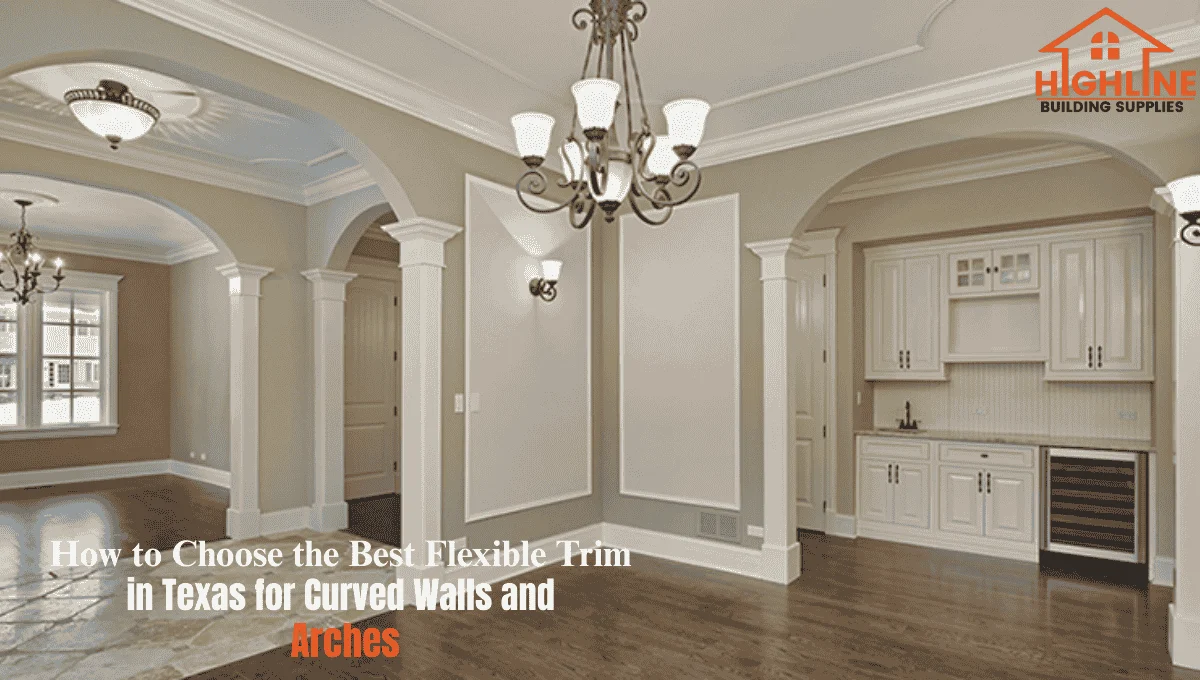
Best Flexible Trim in Texas

How to Choose the Best Flexible Trim in Texas for Curved Walls and Arches

Finding the best flexible trim in Texas can make a huge difference when finishing curved walls, arched doorways, or rounded windows in modern homes. Traditional wood trim often cracks or is difficult to bend, leaving homeowners and contractors struggling to achieve a clean, professional look.

Flexible trim solves this problem by allowing molding to bend smoothly around curves while maintaining the same design profile as standard trim. In Texas—where architectural styles frequently include arches and curved entryways—choosing the right flexible trim ensures both durability and visual consistency. But not all flexible trims perform the same. Factors like material quality, climate resistance, and profile compatibility can determine whether your project looks professionally finished or poorly executed.

In this guide, we’ll break down how to choose the best flexible trim in Texas, which trim profiles work best for curved walls and arches, and what professional installers recommend for long-lasting results.

Why Flexible Trim Is Ideal for Curved Architecture

Flexible trim is designed to replicate traditional molding profiles while offering enough elasticity to wrap around curved surfaces.

Instead of cutting dozens of small wood pieces to fake a curve, flexible trim allows installers to use one continuous piece, creating a seamless and professional finish.

Key Advantages

  • Bends easily around arches and curved walls
  • Reduces installation time and material waste
  • Resists cracking compared to rigid wood trim
  • Maintains consistent molding profiles
  • Handles temperature changes better than standard lumber

In Texas homes—where architectural styles often include arched entryways and rounded windows—flexible trim provides both aesthetic precision and long-term durability.

Understand the Types of Flexible Trim Profiles

Choosing the right profile is just as important as choosing the material. Many installers match flexible trim to existing molding styles so the curved sections blend perfectly with straight runs.

Colonial Profile Trim

Colonial profiles remain one of the most popular options because they match traditional American home design.

Common examples used by contractors include:

These profiles work well for:

  • Curved baseboards
  • Archway casings
  • Rounded wall transitions
  • Decorative trim accents

The goal is always consistency—your curved trim should visually match your straight molding.

Material Matters: What Works Best in the Texas Climate

Texas weather can be tough on building materials. Heat waves, humidity, and seasonal shifts can cause lower-quality trims to warp or separate.

When selecting the best flexible trim in Texas, professionals usually focus on three material factors.

1. Flexibility Without Memory Loss

Quality flexible trim bends easily but holds its shape after installation. Cheap materials often try to spring back.

2. Moisture Resistance

Humidity is common in many parts of Texas. Moisture-resistant trim prevents swelling or deterioration over time.

3. Paint Compatibility

Flexible trim should accept standard primers and paints so it blends with the rest of your interior or exterior finish.

Pro installers often recommend primed flexible trim because it saves finishing time and improves paint adhesion.

How to Choose the Right Flexible Trim for Your Project

Selecting the correct trim comes down to more than just the molding style.

Here are the factors experienced builders look at before purchasing.

Measure the Radius of Your Curve

The tighter the curve, the more flexible the trim must be.

Gentle curves (like wide archways) can handle stiffer materials, while tight arches require highly flexible trim.

Match Existing Trim Profiles

Your curved trim should mirror the surrounding molding profile.

For example:

  • Colonial baseboards should match existing colonial base profiles
  • Door casings should match the nearby door trim
  • Window arches should mirror straight window moldings

Consistency is what creates a professional finish instead of a patchwork appearance.

Choose the Correct Length

Longer trim pieces reduce seams. Products like 16-foot lengths are commonly used by professionals for smoother results.

Professional Installation Tips for Curved Trim

Even the best trim won’t look great without proper installation.

Here are a few practical tips used by experienced installers.

Pre-Test the Fit

Before applying adhesive or nails, dry-fit the trim around the curve to confirm flexibility and alignment.

Use Construction Adhesive

Adhesive provides stronger support along curves where nails alone may not hold evenly.

Secure with Pin Nails

Pin nails help hold the trim in place while the adhesive cures.

Work Slowly Along the Curve

Install from one side and gradually bend the trim along the arch to avoid kinks or uneven pressure.

Patience during installation is what produces smooth, continuous curves.

Why Builders Prefer Flexible Trim Today

Many contractors used to rely on complicated methods to finish curved walls—like kerf-cutting wood or assembling multiple small trim pieces.

Flexible trim changed that.

Professional installers now prefer it because it:

  • Saves labor hours
  • Reduces installation errors
  • Produces cleaner curves
  • Minimizes material waste

In large Texas homes where curved architecture is common, flexible trim can cut installation time dramatically while improving visual quality.

Common Mistakes Homeowners Make

Choosing flexible trim seems simple, but a few mistakes can cause unnecessary problems.

Buying the Wrong Profile
If the profile doesn’t match your existing trim, the difference will be obvious.

Ignoring Climate Conditions
Some trims perform poorly in heat or humidity, which can lead to warping.

Using Standard Wood for Curves
Trying to force rigid wood trim around arches usually results in cracks.

Skipping Adhesive
Nails alone often don’t provide enough support for curved installations.

Avoiding these mistakes ensures your trim installation looks intentional and professionally finished.

Customer Reviews

Michael R., Dallas, TX
We had three arched doorways in our remodel. Flexible trim made the installation smooth, and the final result looks like it was custom-built.

Sarah L., Houston, TX
I originally tried bending wood trim myself—it cracked. Switching to flexible trim solved the issue instantly.

Daniel P., Austin, TX
Matching our colonial baseboard style around curved walls was easier than expected. The trim blended perfectly.

Frequently Asked Questions

1. What is the best flexible trim in Texas for curved walls?
The best option depends on the trim profile and material quality. Many professionals prefer flexible colonial trim styles because they match common residential molding designs.

2. Can flexible trim be painted?
Yes. Most flexible trims come pre-primed and can be painted using standard interior or exterior paint.

3. Does flexible trim work for tight arches?
Yes. High-quality flexible trim can bend around tight curves without cracking.

4. Is flexible trim more expensive than wood trim?
The material may cost slightly more, but it often saves money in labor and installation time.

5. Can homeowners install flexible trim themselves?
DIY installation is possible, especially for simple curves. However, complex arches may benefit from professional installation.

Final Thoughts

Curved architectural details deserve a finish that looks intentional and seamless. Choosing the best flexible trim in Texas ensures your arches, rounded walls, and curved transitions maintain the elegance they were designed for.

The right profile, proper installation, and durable materials can transform a difficult project into a smooth and professional result. If you’re looking for reliable, flexible trim products and professional-grade building materials, Highline Building Supplies offers solutions designed specifically for modern residential projects.

Whether you’re renovating a single room or building a new home, choosing the right trim supplier makes all the difference.

See our exclusive collection of fiberglass door, visit this page: Modern Fiberglass Entry Doors That Improve Home Insulation

Author Bio

Highline Building Supplies is a trusted provider of quality building and remodeling materials for homeowners and contractors across the United States. With strong industry experience in trim, doors, and interior finishing products, the team shares practical insights to help customers choose the right materials for modern home projects.

best luxury vinyl plank flooring

Best Luxury Vinyl Plank Flooring: The Ultimate Buyer’s Guide

Choosing the best luxury vinyl plank flooring can completely transform how a home looks, feels, and functions. Over the past decade, luxury vinyl has become one of the most practical flooring options for homeowners because it combines durability, realistic wood aesthetics, and relatively simple installation. Whether you’re remodeling a single room or planning a full home renovation, understanding how luxury vinyl plank (LVP) works and what to look for before buying can help you avoid costly mistakes.

Many homeowners start their search online with phrases like flooring near me because they want a solution that balances quality, durability, and price. Luxury vinyl plank flooring often stands out because it performs well in busy households, resists moisture better than many traditional materials, and offers a wide range of styles that mimic natural hardwood.

In this guide, we’ll break down what luxury vinyl plank flooring actually is, how to choose the right product, common pitfalls buyers face, and expert insights from real-world installations.

What Is Luxury Vinyl Plank Flooring?

Luxury Vinyl Plank (LVP) is a multi-layered flooring material designed to replicate the look of natural hardwood. Unlike traditional vinyl sheets or laminate flooring, LVP is engineered with durability and realism in mind.

Most luxury vinyl plank flooring includes several layers:

  • Wear Layer – A transparent protective layer that resists scratches and stains
  • Printed Design Layer – The realistic wood pattern or texture
  • Core Layer – Usually rigid or waterproof for stability
  • Backing Layer – Provides cushioning and helps with sound absorption

The result is a flooring product that can closely mimic real wood but performs much better in environments where moisture, spills, or heavy foot traffic are common.

Why Luxury Vinyl Flooring Has Become So Popular

From a contractor’s perspective, the rise of luxury vinyl flooring isn’t surprising. It solves many of the issues homeowners experience with hardwood or laminate flooring.

  1. Moisture Resistance

Traditional hardwood floors can warp or expand in humid environments. Luxury vinyl plank flooring, however, is typically water-resistant or fully waterproof.

That makes it ideal for areas such as:

  • Kitchens
  • Laundry rooms
  • Basements
  • Entryways
  1. Durability for Busy Homes

If you have pets, kids, or frequent guests, durability becomes essential. High-quality LVP includes a thick wear layer that protects against scratches, dents, and everyday wear.

  1. Realistic Wood Appearance

Advances in printing technology have made luxury vinyl look remarkably close to natural wood. Many options feature embossed textures that mimic real grain patterns.

  1. Easier Installation

Many LVP products use click-lock installation systems, making them easier to install compared to nail-down hardwood flooring.

Understanding Different Types of Luxury Vinyl Plank

Not all luxury vinyl flooring is the same. Understanding the main types can help you choose the right option for your home.

Rigid Core Vinyl Flooring

Rigid core vinyl includes materials like SPC (Stone Plastic Composite) or WPC (Wood Plastic Composite). These floors are:

  • Highly stable
  • Waterproof
  • Suitable for uneven subfloors

They’re often used in full-home renovations.

Glue-Down Vinyl Plank

Glue-down LVP is commonly used in commercial spaces or large residential areas because it provides a very stable floor.

Benefits include:

  • Less movement over time
  • Strong adhesion
  • Ideal for high-traffic areas

However, installation is more labor-intensive.

Click-Lock Floating Floors

This is the most common option for residential spaces.

Advantages include:

  • Faster installation
  • Easier repairs
  • Minimal subfloor preparation

Key Factors When Choosing the Best Luxury Vinyl Plank Flooring

When comparing flooring options, there are several technical features you should evaluate.

  1. Wear Layer Thickness

The wear layer determines how durable the floor will be.

Typical ranges include:

  • 6–8 mil – Light residential use
  • 12–20 mil – Ideal for most homes
  • 20+ mil – High traffic or commercial use

A thicker wear layer means longer-lasting protection.

  1. Plank Thickness

Thicker planks often provide better comfort and sound absorption.

Examples include products like:

The difference between 4.5 mm and 6 mm may sound small, but it can impact stability and comfort underfoot.

  1. Texture and Finish

Realistic texture adds visual depth. Look for:

  • Embossed grain patterns
  • Matte finishes
  • Wide planks for a modern look

These details make vinyl floors appear more like authentic hardwood.

  1. Waterproof Capabilities

While most LVP is water-resistant, not all products are fully waterproof.

If you’re installing flooring in moisture-prone areas such as bathrooms or basements, confirm the product specifications.

  1. Installation Compatibility

Before purchasing, consider:

  • Subfloor condition
  • Room size
  • DIY vs professional installation

In many cases, homeowners who search for “flooring near me” are trying to find local experts who can assess installation requirements before purchase.

Real-World Use Cases for Luxury Vinyl Plank

Luxury vinyl flooring works particularly well in certain environments.

Open-Concept Living Spaces

Large plank flooring helps create visual continuity across kitchens, dining areas, and living rooms.

Rental Properties

Property managers often choose LVP because it is:

  • Durable
  • Easy to replace
  • Resistant to tenant damage

Basement Renovations

Basements are prone to moisture, making hardwood risky. Luxury vinyl plank is a safer alternative.

Common Mistakes Homeowners Make

Even with a great product, mistakes during selection or installation can lead to disappointing results.

Choosing Flooring Based Only on Price

Low-cost options often have thin wear layers that show damage quickly.

Ignoring Subfloor Preparation

Uneven subfloors can cause:

  • Gaps between planks
  • Premature wear
  • Installation problems

Mixing Different Plank Batches

Flooring can have slight color variations between manufacturing runs. Always verify batch consistency.

Skipping Expansion Gaps

Floating floors need small gaps around walls to expand and contract.

Expert Tips from Flooring Professionals

After working on many flooring projects, certain patterns tend to repeat. These tips can help ensure a better outcome.

Order Extra Material

Professionals typically recommend ordering 10% more flooring than the measured space to account for cuts and mistakes.

Test Samples in Your Home

Lighting conditions change how flooring looks. What appears warm in a showroom may look cooler in your living room.

Plan Transitions Carefully

Doorways and room transitions need proper molding pieces for a clean finish.

Coordinating Flooring with Other Design Elements

Flooring is one of the largest visual elements in any home, so it should complement other design features.

For example, if you’re planning exterior upgrades as well, your flooring style can even influence entryway design. Homeowners exploring modern renovation ideas often pair new flooring with updated entrances like those discussed in this guide on exterior front door design trends.

Creating a cohesive design between interior flooring and entryways can significantly improve a home’s overall aesthetic.

Customer Experiences with Luxury Vinyl Flooring

While technical specs matter, real-world experiences often reveal the most about flooring performance.

Sarah T., Homeowner

We installed luxury vinyl plank in our kitchen and living room two years ago. With two kids and a dog, the floors still look great and clean easily.

Michael R., Property Manager

LVP has been a game-changer for our rental properties. It’s durable, affordable, and much easier to maintain than laminate.

Angela D., Renovation Enthusiast

I was skeptical about vinyl looking like real wood, but the texture and grain patterns are surprisingly realistic.

Maintenance Tips for Long-Lasting Floors

Luxury vinyl flooring is low-maintenance, but proper care still matters.

Daily Care

  • Sweep or vacuum debris regularly
  • Use a microfiber mop for light cleaning

Weekly Cleaning

  • Use a manufacturer-approved cleaner
  • Avoid harsh chemicals or abrasive pads

Preventative Protection

  • Use furniture pads
  • Place mats at entryways
  • Avoid dragging heavy furniture

These simple steps can extend the life of your flooring significantly.

When Luxury Vinyl Might Not Be the Best Choice

Although LVP is versatile, there are situations where other materials may be preferable.

High-End Architectural Homes

Some homeowners still prefer solid hardwood for authenticity and long-term resale value.

Extreme Sunlight Exposure

Constant direct sunlight may cause fading over time in certain vinyl products.

Historic Renovations

Older homes undergoing historic restoration may require traditional flooring materials.

People Also Ask

Is luxury vinyl plank better than laminate flooring?

Luxury vinyl plank generally handles moisture better than laminate. Laminate can swell when exposed to water, while most LVP products are water-resistant or waterproof.

How long does luxury vinyl plank flooring last?

High-quality luxury vinyl plank flooring can last 15–25 years, depending on wear layer thickness, installation quality, and maintenance.

Can luxury vinyl plank be installed over existing floors?

Yes, in many cases it can be installed over existing surfaces like tile, laminate, or plywood—provided the subfloor is flat and stable.

Does luxury vinyl flooring increase home value?

While it may not add as much resale value as hardwood, well-installed LVP can improve a home’s appeal, especially for modern renovations.

Is luxury vinyl plank good for pets?

Yes. Many LVP products are scratch-resistant and waterproof, making them a practical choice for households with pets.

Final Thoughts

Luxury vinyl plank flooring has evolved into one of the most practical flooring solutions available today. It offers durability, water resistance, realistic wood visuals, and easier installation compared to many traditional materials.

Finding the best luxury vinyl plank flooring ultimately comes down to understanding wear layers, thickness, installation needs, and the specific environment where the flooring will be installed. Taking the time to research products, test samples, and prepare the subfloor can make the difference between a floor that lasts decades and one that needs replacement much sooner.

Experienced building material suppliers like the team behind Highline Supplies often see firsthand how the right flooring choice can simplify renovations and improve long-term performance. With thoughtful planning and the right materials, luxury vinyl flooring can be a smart and durable upgrade for many homes.

Author Bio

Highline Supplies Editorial Team

The Highline Supplies editorial team works closely with contractors, builders, and homeowners to share practical insights about construction materials, home improvement products, and renovation strategies. With hands-on experience across flooring, doors, and interior building materials, the team focuses on providing clear, experience-based guidance that helps readers make smarter decisions during home improvement projects.

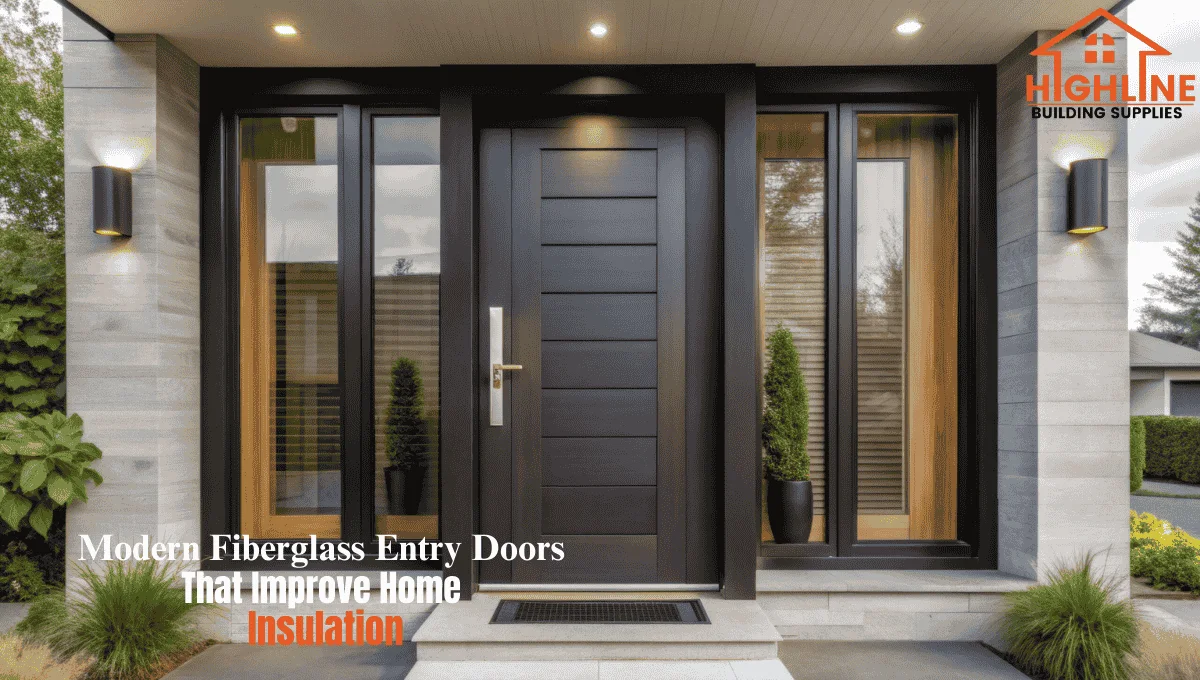
Modern Fiberglass Entry Doors

Modern Fiberglass Entry Doors That Improve Home Insulation

Many homeowners spend thousands of dollars upgrading insulation, replacing windows, and sealing attics—yet they overlook one of the biggest sources of energy loss: the front door. Older wooden or hollow metal doors often allow outside air to seep into the home. In winter, cold draughts creep in. In summer, expensive air conditioning leaks out. Over time, this constant energy loss can quietly increase utility bills and make indoor temperatures uncomfortable. That’s why more homeowners across the United States are upgrading to modern fiberglass entry doors. These doors aren’t just about aesthetics or curb appeal—they’re engineered to dramatically improve thermal insulation, durability, and energy efficiency.

In this guide, we’ll break down why fiberglass entry doors perform so well, how they help regulate home temperature, and what homeowners should consider before upgrading.

Why Modern Fiberglass Entry Doors Insulate Better

Not all doors are built the same. Fiberglass doors are specifically designed to minimize heat transfer and prevent air leakage.

Here’s why they perform so well.

1. Advanced Insulated Core Technology

Most modern fiberglass entry doors contain a polyurethane foam core, which acts as a powerful thermal barrier.

Polyurethane insulation has an R-value far higher than traditional wood doors. This means it slows down the movement of heat between indoor and outdoor environments.

Real-world impact:

  • Keeps warm air inside during winter
  • Prevents outdoor heat from entering during summer
  • Reduces HVAC workload

This is one reason many contractors installing Los Angeles Fiberglass door systems recommend fiberglass for energy-conscious homeowners.

2. Tight Weather Sealing

Another major reason doors lose insulation is poor sealing.

Fiberglass entry doors are designed with:

  • Multi-point sealing systems
  • Compression weatherstripping
  • Precision-engineered frames

These features create a tight seal around the entire door, preventing drafts.

Homes near coastal climates—like those using Long Beach Door installations—particularly benefit from this level of weather protection because of ocean winds and temperature fluctuations.

3. Fiberglass Doesn’t Expand or Warp

Traditional wooden doors may look beautiful initially, but they can expand, contract, or warp as humidity and temperatures change.

Warping creates tiny gaps around the door frame, which gradually allow air leakage.

Fiberglass doors avoid this problem because they are:

  • Dimensionally stable
  • Moisture resistant
  • Highly durable in extreme weather

Even after years of exposure to heat, rain, or humidity, modern fiberglass entry doors maintain their structural integrity.

Additional Energy Benefits Homeowners Often Overlook

Insulation isn’t the only energy advantage fiberglass doors offer.

Reduced HVAC Costs

Because fiberglass doors limit air transfer, heating and cooling systems don’t need to run as frequently.

Many homeowners report noticeable reductions in energy bills after replacing outdated doors.

Improved Indoor Comfort

Energy efficiency isn’t just about cost—it also improves comfort.

Fiberglass entry doors help maintain consistent indoor temperatures, eliminating cold spots near entryways.

Better Noise Reduction

The insulated core also helps reduce outside noise.

Homes located near busy streets, commercial areas, or coastal winds benefit significantly from this sound-dampening effect.

Design Options for Modern Fiberglass Entry Doors

A common misconception is that fiberglass doors look plain or artificial.

Modern manufacturing techniques allow fiberglass doors to replicate real wood grain textures, sleek contemporary finishes, and modern glass inserts.

Popular styles include:

  • Minimalist flush panel doors
  • Frosted glass entry doors
  • Vertical glass strip designs
  • Double modern entry doors
  • Matte black or charcoal finishes

Some high-end Mad Fiberglass door models even mimic mahogany or oak while delivering superior insulation.

This means homeowners can achieve both performance and design sophistication.

Expert Insights from Door Installation Professionals

Experienced contractors consistently recommend fiberglass doors for energy-conscious homes.

Here are a few professional insights:

Fiberglass performs best in extreme climates

Whether it’s desert heat or coastal humidity, fiberglass doors remain stable and efficient.

Professional installation matters

Even the best insulated door will lose efficiency if it’s improperly installed. Proper frame alignment and weather sealing are critical.

Glass inserts should be energy-rated

If your door includes decorative glass panels, choose double or triple-pane insulated glass to maintain thermal performance.

At Highline Building Supplies, professionals often advise homeowners to prioritize door core insulation and frame quality, not just exterior design.

Common Mistakes Homeowners Make When Buying Entry Doors

Choosing Style Over Performance

Many homeowners prioritize appearance first and ignore insulation ratings.

A stylish door with poor insulation defeats the purpose of upgrading.

Ignoring Frame Quality

The door itself is only half the system. The frame and weather seals determine overall efficiency.

DIY Installation Without Proper Tools

Improper installation can cause:

  • Air gaps
  • Misaligned frames
  • Poor sealing

Professional installation ensures the insulation benefits are fully realized.

Real Customer Testimonials

Emily R., California
Our old wooden door lets in so much cold air during winter. After installing a fiberglass entry door, the difference was immediate. Our hallway feels warmer, and our heating system runs less often.

Daniel M., Nevada
We chose a fiberglass door because of its durability, but the energy savings surprised us the most. The house feels more temperature-stable throughout the day.

Laura T., Arizona
I was worried fiberglass would look fake, but the woodgrain design is beautiful. Plus, our cooling bill dropped after the upgrade.

Frequently Asked Questions

1. Are modern fiberglass entry doors more energy efficient than wood doors?
Yes. Fiberglass doors typically contain insulated polyurethane cores, which provide significantly higher thermal resistance compared to solid wood.

2. Do fiberglass doors work well in hot climates?
Absolutely. Fiberglass doors resist heat transfer and do not warp under high temperatures, making them ideal for warm regions across the United States.

3. How long do fiberglass entry doors last?

High-quality fiberglass doors can last 20–30 years or more with minimal maintenance.

4. Are fiberglass doors maintenance-free?
While no door is completely maintenance-free, fiberglass doors require very little upkeep. Occasional cleaning and seal inspection are usually enough.

5. Do fiberglass doors increase home value?
Yes. Energy-efficient upgrades—including insulated entry doors—can improve curb appeal and increase overall home resale value.

Conclusion: A Smart Upgrade for Comfort and Efficiency

Your front door does far more than welcome guests—it plays a critical role in your home’s energy efficiency, comfort, and durability. Upgrading to modern fiberglass entry doors helps prevent heat loss, reduces energy costs, and provides long-term performance that traditional wood doors simply cannot match.

For homeowners looking to combine style, insulation, and durability, fiberglass entry doors are one of the most practical home upgrades available today.

If you’re considering replacing your front door, Highline Building Supplies offers a wide range of high-quality fiberglass door solutions designed for modern residential homes. Their experts can help you choose the right style, insulation level, and installation approach for lasting performance.

See our exclusive collection of sliding windows, visit this page: Best Place to Buy Sliding Windows for Modern Residential Homes

Author Bio

Highline Building Supplies Team is a group of experienced building materials specialists dedicated to helping homeowners improve their homes with high-quality doors, windows, and exterior solutions. With years of hands-on expertise and industry knowledge, the team provides practical advice, expert insights, and trusted recommendations to guide homeowners in making smart, energy-efficient home upgrades.

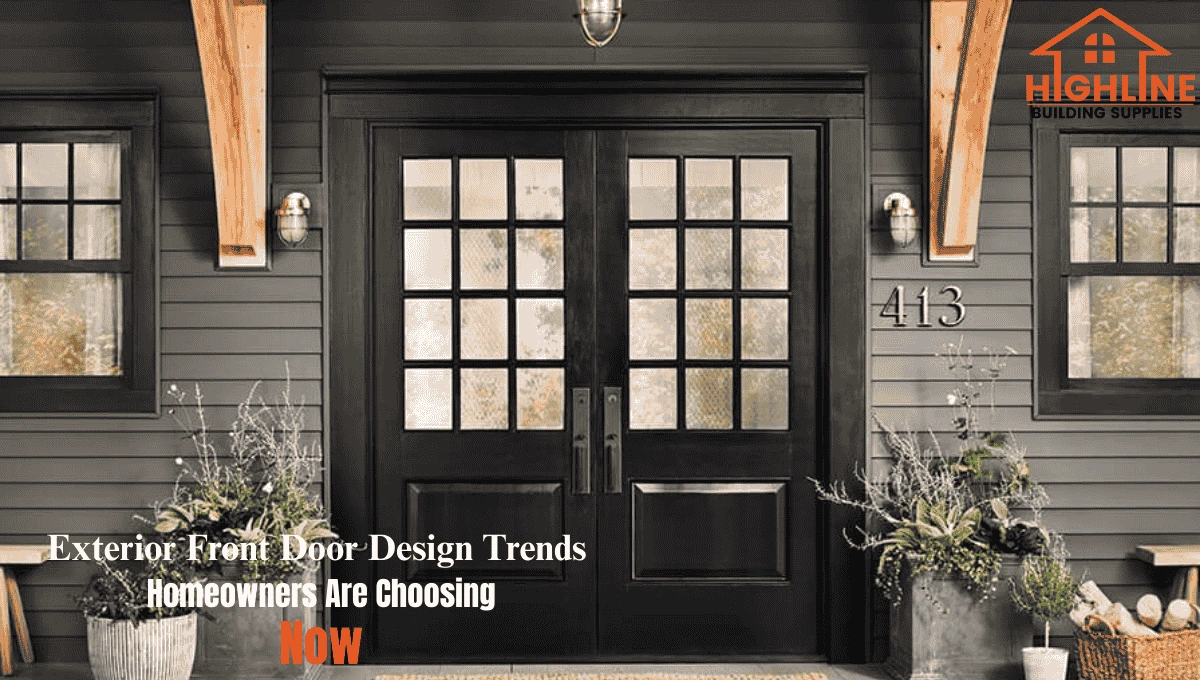
exterior front door

Exterior Front Door Design Trends Homeowners Are Choosing Now

Your exterior front door is one of the most important design elements of a home. It’s the first thing guests notice and a major factor in curb appeal, security, and overall property value. In recent years, homeowners have started paying closer attention to door materials, finishes, and glass options, choosing designs that combine style with durability.

Today’s front exterior doors are no longer just functional entry points. They’re statement features that reflect the home’s architecture and the owner’s personal taste. From sleek modern doors to classic wood styles, new trends focus on balancing beauty, strength, and energy efficiency.

If you’re planning to renovate your entryway or researching how to buy exterior doors online, understanding current design trends can help you make a smarter long-term investment.

Why Exterior Front Door Design Matters

The entry door influences more than just aesthetics. A well-chosen door can improve:

  • Curb appeal – A stylish entry instantly upgrades a home’s appearance
  • Security – Modern door materials provide stronger protection
  • Energy efficiency – Insulated doors help maintain indoor temperatures
  • Home value – Quality entry doors often deliver strong ROI during resale

Home improvement professionals often say that upgrading an entry door is one of the fastest ways to refresh a home without major renovations.

Popular Materials for Modern Exterior Front Doors

One of the biggest design decisions homeowners face is choosing the right material. Each option has advantages depending on climate, style preferences, and maintenance expectations.

Fiberglass Doors: Durable and Low Maintenance

Fiberglass Doors have become increasingly popular because they balance durability with design flexibility.

Key advantages include:

  • Resistant to warping, cracking, and moisture damage
  • Energy-efficient insulated cores
  • Available in wood-grain finishes that mimic natural wood
  • Lower maintenance compared with traditional wood doors

Many contractors recommend fiberglass for homeowners who want the look of wood without ongoing upkeep.

Iron Doors: Elegant and Secure

For homeowners seeking a dramatic entrance, Iron Doors offer unmatched visual impact.

These doors are often chosen for:

  • High security and strength
  • Decorative scrollwork and architectural details
  • Long lifespan with minimal structural wear
  • Luxury or Mediterranean-style homes

However, iron doors can be heavier and usually require professional installation to ensure proper support.

Mahogany Door: Timeless Natural Beauty

A Mahogany Door remains a favorite for traditional and upscale homes. Mahogany’s rich color and grain pattern create a warm, classic entryway.

Benefits include:

  • Natural resistance to moisture and insects
  • Elegant appearance that improves with age
  • Excellent durability when properly sealed
  • Ideal for traditional or colonial home styles

The main consideration with wood doors is regular sealing or finishing to maintain their appearance.

Trending Exterior Front Door Design Styles

Modern homeowners are embracing several entry door design trends that blend functionality with aesthetics.

  1. Minimalist Modern Doors

Clean lines and simple shapes dominate modern architecture.

Typical features include:

  • Flat panels or flush surfaces
  • Matte black or dark finishes
  • Horizontal handles
  • Narrow glass inserts

These doors pair well with contemporary homes and modern landscaping.

  1. Glass Panel Entry Doors

Doors with glass inserts are increasingly common because they allow natural light to brighten the entryway.

Popular variations include:

  • Frosted glass for privacy
  • Decorative etched glass patterns
  • Full-length vertical glass panels
  • Exterior front doors glass with metal framing

Glass doors work especially well in homes with darker entry halls or limited windows.

  1. Bold Color Statements

Neutral doors are still popular, but many homeowners now choose bold colors to create contrast.

Trending colors include:

  • Deep navy blue
  • Forest green
  • Charcoal gray
  • Classic red

A bold door can instantly transform a neutral exterior.

  1. Double Door Entrances

Larger homes often feature double exterior front doors to create a grand entryway.

Advantages include:

  • Wider opening for moving furniture
  • Dramatic visual appeal
  • Increased natural light when paired with glass panels

This design is particularly common in modern farmhouse and luxury home styles.

Practical Tips When Buying Exterior Doors

Many homeowners now prefer to buy exterior doors online because it provides access to more styles and materials. However, there are important considerations before making a purchase.

Key things to check:

  • Door measurements and frame compatibility
  • Material durability for your local climate
  • Glass insulation ratings
  • Hardware compatibility
  • Installation requirements

Taking accurate measurements and understanding door swing direction can prevent common installation problems.

Common Mistakes Homeowners Make

Through years of working with building materials and entry doors, several mistakes appear repeatedly during home upgrades.

Ignoring Climate Conditions

Certain materials perform better in specific climates. For example, wood doors may require extra protection in humid environments.

Choosing Style Over Function

Some homeowners focus solely on aesthetics without considering security or insulation.

Incorrect Measurements

Even small measurement errors can cause installation issues.

Poor Hardware Choices

Handles, hinges, and locks must match the door weight and design.

Avoiding these mistakes can save both time and replacement costs.

Exterior Entryway Design Beyond the Door

Your entry door works best when coordinated with other exterior elements.

Homeowners often improve the entire entrance by upgrading:

  • Lighting fixtures
  • Door handles and locksets
  • Porch flooring
  • Decorative sidelights
  • Landscaping around the entrance

Similarly, improving windows around the entryway can enhance the overall design. For homeowners planning broader upgrades, this affordable single hung windows installation guide provides helpful insights into window choices that complement entry doors.

Real-World Homeowner Experiences

Many homeowners report that replacing an entry door has an immediate visual impact.

Daniel M., Texas
We replaced our old wooden door with a fiberglass model with glass panels. The hallway feels brighter and the house looks much more modern.

Sarah L., Arizona
Our iron entry door made a huge difference in curb appeal. Guests comment on it almost every time they visit.

James R., California
Buying a mahogany door was a bigger investment, but the craftsmanship and warmth it adds to the entrance are worth it.

FAQ Exterior Front Door Questions

What is the best material for an exterior entry door?

Fiberglass is often considered the most balanced option because it offers durability, insulation, and low maintenance. However, wood and iron doors can be excellent choices depending on style preferences.

Are glass entry doors safe?

Yes. Most modern doors use tempered or reinforced glass that is designed to resist impact and provide security.

How long does an exterior door typically last?

A well-installed door can last 20–40 years depending on the material and maintenance.

Can replacing a front door increase home value?

Yes. Entry door replacements often deliver strong return on investment because they improve curb appeal and energy efficiency.

Is it safe to buy exterior doors online?

It can be safe if you purchase from reputable suppliers, verify measurements, and understand installation requirements.

Final Thoughts

Your entry door does far more than open and close—it defines the personality of your home. Whether you choose modern Fiberglass Doors, decorative Iron Doors or a classic Mahogany Door, the right design can enhance curb appeal, improve security, and increase long-term property value.

Today’s homeowners are prioritizing durability, natural light, and modern aesthetics when selecting exterior front doors. By understanding materials, design trends, and installation considerations, you can choose a door that balances style with long-term performance.

About the Author

Highline Supplies Editorial Team

The Highline Supplies editorial team works closely with contractors, builders, and renovation professionals to provide practical insights about doors, windows, and building materials. Their goal is to help homeowners make informed decisions based on real-world construction experience, product knowledge, and common challenges seen in residential projects.

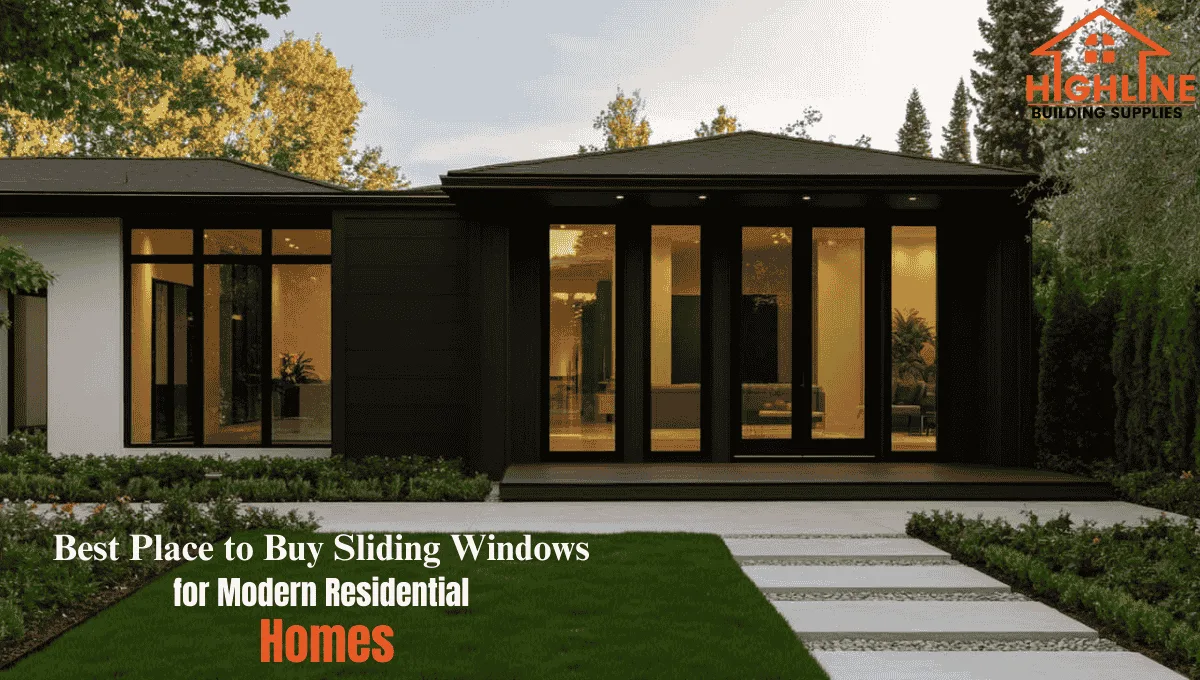
Best Place to Buy Sliding Windows

Best Place to Buy Sliding Windows for Modern Residential Homes

When it comes to upgrading your home, few changes offer the perfect blend of style, functionality, and energy efficiency like sliding windows. Yet, the biggest challenge homeowners face isn’t choosing the design—it’s finding the best place to buy sliding windows that guarantees quality, durability, and excellent service. In this guide, I’ll walk you through everything you need to know to make an informed purchase, drawing on years of experience in the residential window industry.

Why Choosing the Right Supplier Matters

Sliding windows might seem straightforward, but their performance can vary drastically depending on the material, brand, and installation. A poorly sourced window can lead to air leaks, water damage, or costly replacements within a few years.

From my experience working with homeowners across the U.S., investing in reputable suppliers like Highline Building Supplies ensures access to trusted brands, including the popular INSPIRE VINYL SVS 36×36, INSPIRE VINYL SVS 48×36, and INSPIRE VINYL SVS 60×36 models. These models are designed for modern homes, offering energy efficiency, smooth sliding operation, and contemporary aesthetics.

What to Look for in the Best Place to Buy Sliding Windows

When evaluating suppliers, consider the following factors:

1. Product Range & Quality

Look for a supplier that offers multiple sizes and configurations. For modern homes, the INSPIRE VINYL SVS series provides a versatile selection:

  1. INSPIRE VINYL SVS 36×36 – Ideal for smaller rooms and bathrooms
  2. INSPIRE VINYL SVS 48×36 – Perfect for standard living areas
  3. INSPIRE VINYL SVS 60×36 – Great for maximizing natural light in large spaces

2. Expertise & Customer Support

Buying sliding windows is an investment. A knowledgeable team can help you measure accurately, select the right style, and understand warranties. Highline Building Supplies excels in offering guidance tailored to each home’s needs.

3. Energy Efficiency & Certifications

Modern homeowners want windows that lower energy bills. Look for ENERGY STAR® rated windows, insulated vinyl frames, and durable weather seals. This ensures comfort year-round while reducing long-term costs.

4. Installation Services

Even the best windows fail without proper installation. Trusted suppliers often provide certified installation or vetted contractor recommendations, guaranteeing longevity and performance.

Practical Tips for Buying Sliding Windows

  1. Measure Twice, Buy Once – Accurate measurements prevent returns and installation delays. Always measure width, height, and wall depth.
  2. Understand Materials – Vinyl is durable, low-maintenance, and energy-efficient, while aluminium offers a sleeker, modern look but requires extra care.
  3. Check Return Policies – Highline Building Supplies offers flexible returns, which is vital for custom sizes like INSPIRE VINYL SVS 48×36.
  4. Compare Prices Smartly – Don’t just look at the sticker price. Factor in warranties, energy savings, and installation costs.
  5. Ask for Samples or Showroom Visits – Nothing beats seeing the actual product before committing, especially for color and finish matching.

Why INSPIRE VINYL SVS Windows Stand Out

As a residential window consultant, I’ve installed hundreds of sliding windows. The INSPIRE VINYL SVS series is consistently a top recommendation due to:

  • Smooth gliding operation, even after years of use
  • Low-maintenance vinyl that doesn’t warp or fade
  • Strong frame construction to withstand harsh weather
  • Multiple size options for every room type

Pro Tip: Pair these windows with modern window treatments like roller shades or sheer curtains for a sleek, functional design.

Common Mistakes Homeowners Make

Even experienced DIYers can fall into these traps:

  • Ignoring Proper Measurements: Misjudged dimensions lead to costly replacements.
  • Skipping Energy Ratings: Energy-efficient windows pay for themselves over time.
  • Overlooking Local Suppliers: Buying from unknown online retailers may result in delayed shipping or poor customer service.
  • DIY Installation Without Experience: Sliding windows require precision to prevent leaks and ensure smooth operation.

Real Customer Testimonials

Samantha R., Chicago, IL:
We upgraded to INSPIRE VINYL SVS 60×36 windows from Highline Building Supplies, and the difference is night and day. Our living room is brighter, and our energy bills are noticeably lower.

David K., Austin, TX:
The team helped me select the perfect sizes and installed everything seamlessly. The windows slide effortlessly and look stunning in our modern home.

FAQs About Buying Sliding Windows

1. Where is the best place to buy sliding windows?
Highline Building Supplies is widely recommended for U.S. homeowners due to product variety, expert guidance, and certified installation services.

2. What sizes do INSPIRE VINYL SVS windows come in?
Common sizes include 36×36, 48×36, and 60×36, accommodating small to large rooms in residential homes.

3. Are sliding windows energy efficient?
Yes, vinyl sliding windows with double panes and proper insulation can significantly reduce energy bills.

4. Can I install sliding windows myself?
While possible for experienced DIYers, professional installation is recommended to avoid air leaks or alignment issues.

5. How do I maintain my sliding windows?
Regularly clean tracks, lubricate sliding mechanisms, and check seals for wear. Vinyl frames are low-maintenance and durable.

Conclusion: Upgrade Your Home with Confidence

Finding the best place to buy sliding windows doesn’t have to be overwhelming. Focus on trusted suppliers like Highline Building Supplies, choose high-quality models such as INSPIRE VINYL SVS 36×36, 48×36, or 60×36, and prioritize expert installation. The result? Sleek, energy-efficient windows that enhance both comfort and aesthetics in your home.

Ready to transform your living space? Visit Highline Building Supplies today and explore the full INSPIRE VINYL SVS collection to find your perfect fit.

See our exclusive collection of single-hung windows. Visit this page: Affordable Single Hung Windows Installation Guide for Homeowners

About the Author

Highline Supplies Team – Expert Residential Window Consultants
The Highline Supplies Team brings years of experience helping homeowners across the U.S. select and install high-quality sliding windows. From expert guidance on sizes and materials to trusted installation tips, the team ensures every project combines style, energy efficiency, and long-term performance.

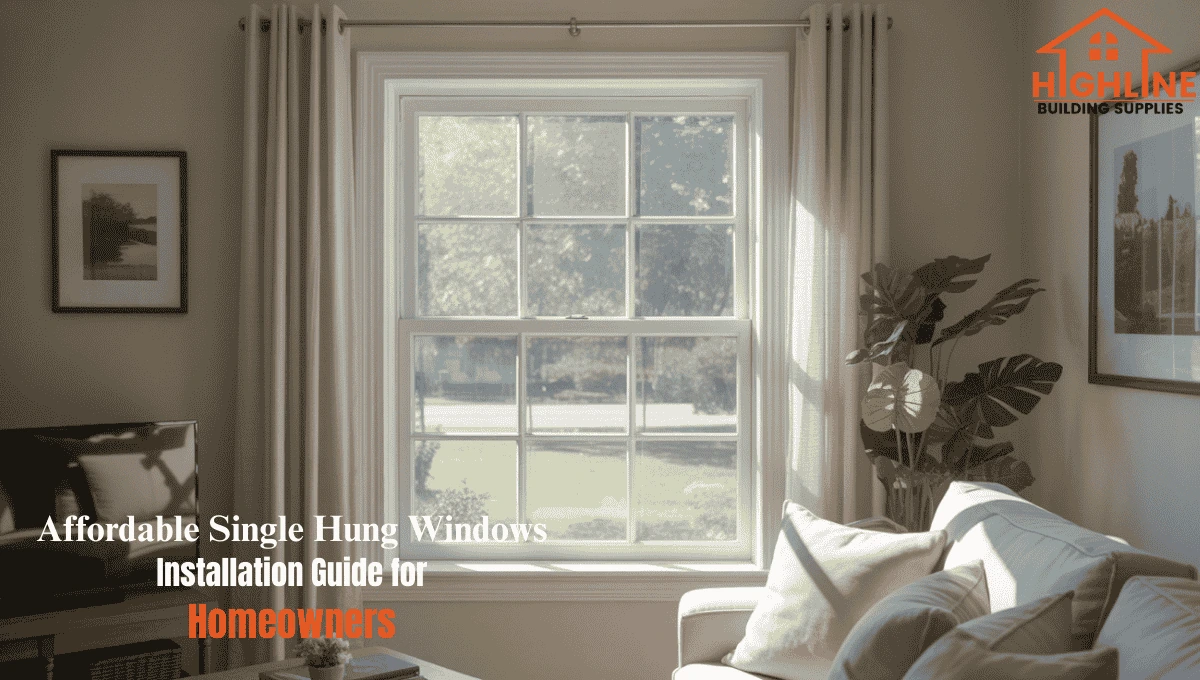
affordable single hung windows installation guide

Affordable Single Hung Windows Installation Guide for Homeowners

Upgrading your home’s windows can dramatically improve energy efficiency, comfort, and aesthetic appeal. This affordable single hung windows installation guide is designed to help homeowners understand the installation process, select the right materials, and avoid common pitfalls. Whether you’re considering INSPIRE VINYL SH 24×24, 24×36, or 24×48 models, this guide will provide practical advice, step-by-step instructions, and real-world insights from experienced installers.

Single hung windows are a popular choice for homeowners because they combine simplicity, durability, and affordability. Unlike double hung windows, only the bottom sash moves, reducing maintenance while maintaining ventilation flexibility. This makes them an ideal solution for many residential applications.

What Are Single Hung Windows?

Single hung windows are a type of window where:

  • The bottom sash slides vertically, while the top sash remains fixed.
  • They often come in vinyl, wood, or aluminum frames, with vinyl being most cost-effective.
  • Sizes like INSPIRE VINYL SH 24×24, 24×36, and 24×48 are standard and easy to install.
  • They are commonly used in bedrooms, kitchens, and living areas for a clean, modern look.

Benefits:

  • Affordable and low maintenance
  • Energy-efficient when paired with insulated Glass Windows
  • Durable and long-lasting with proper installation
  • Compatible with most home styles

Limitations:

  • Only one sash moves, limiting airflow compared to double hung windows
  • Some models may require professional installation for optimal performance

Planning Your Installation

Before beginning, take the time to plan carefully:

  1. Measure accurately: Measure both height and width of the existing window frame to ensure a proper fit.
  2. Check local codes: Ensure your installation meets local building codes and regulations.
  3. Select the right model: Choose from single hung replacement windows that match your style and size requirements. Popular Highline options include INSPIRE VINYL SH 24×24, 24×36, and 24×48.
  4. Gather tools: Essential tools include a level, tape measure, caulk, screwdriver, shims, and safety gear.

Pro Tip: Always double-check measurements before ordering windows to prevent costly errors.

Step-by-Step Installation Process

Installing single hung windows can be done by a skilled DIYer or a professional. Here’s a practical workflow:

  1. Remove the old window: Carefully remove trim, sash, and any old insulation.
  2. Prepare the opening: Clean, level, and check for water damage. Replace or repair any compromised wood or siding.
  3. Dry-fit the window: Place the window in the opening to ensure a snug fit. Use shims to align properly.
  4. Apply caulk and insulation: Seal around the window to prevent air and water infiltration.
  5. Secure the window: Screw the window into place following manufacturer guidelines.
  6. Install trim and finish: Replace interior trim, paint or seal as needed.

Common Mistakes to Avoid:

  • Skipping shims or leveling the window
  • Not using enough insulation or caulk
  • Ignoring manufacturer spacing requirements
  • Attempting complex sizes without experience

Choosing the Right Glass Windows

The type of Glass Windows you pair with your single hung frame affects:

  • Energy efficiency: Low-E and double-pane glass reduce heat loss.
  • Noise reduction: Thicker panes or laminated glass minimize outside noise.
  • Durability: Tempered or impact-resistant glass improves safety.

Benefits of Single Hung Replacement Windows

Homeowners often choose single hung replacement windows for:

  • Cost-effectiveness: Affordable compared to double hung or casement windows
  • Simplicity: Easy to clean and operate
  • Versatility: Fits standard openings, making upgrades faster
  • Compatibility: Works with vinyl, wood, or aluminum frames

Real-World Use Cases

  • Kitchen and bathroom ventilation: Only the bottom sash opens for airflow without letting in pests.
  • Bedroom replacement windows: Affordable upgrades with INSPIRE VINYL SH 24×24 or 24×36 improve energy efficiency.
  • Living room or larger openings: Use INSPIRE VINYL SH 24×48 for more light while maintaining simplicity.

Expert Tips & Best Practices

  1. Work with a level: Ensures proper operation and avoids future sash problems.
  2. Use high-quality caulk: Prevents leaks and air drafts.
  3. Install insulation carefully: Fills gaps without warping the frame.
  4. Test the sash before finishing: Ensures smooth operation and prevents jamming.

Avoiding Common Mistakes

  • Buying windows without accurate measurements
  • Ignoring local building codes
  • Using cheap materials that warp over time
  • Skipping step-by-step alignment and leveling

Pro Insight: Even minor errors in installation can cause long-term energy loss or difficulty opening the window.

Customer Testimonials

We upgraded our home with INSPIRE VINYL SH 24×36 windows, and the installation guide made the process simple and stress-free. – Jenna M., Chicago

Following Highline Supplies’ guide, we installed single hung windows ourselves and immediately noticed improved energy efficiency. – Mark L., New York

People Also Ask

  1. What are single hung windows best for?
    They’re ideal for bedrooms, kitchens, and any area where simple ventilation is enough.
  2. Can I install single hung windows myself?
    Yes, if you have basic DIY skills, but professional installation ensures long-term reliability.
  3. How do single hung windows compare to double hung?
    Single hung windows have only the bottom sash move, making them more affordable and lower maintenance.
  4. Are INSPIRE VINYL SH windows energy-efficient?
    Yes, they use insulated vinyl frames and double-pane glass to reduce heat transfer.
  5. How do I maintain single hung windows?
    Regular cleaning, lubrication of tracks, and checking seals will keep them working efficiently.

Related Reading

For complementary window upgrades, check out our guide on affordable picture windows for residential homes.

Final Thought

Investing in single hung windows doesn’t have to be complicated or expensive. By following this affordable single hung windows installation guide, homeowners can make informed choices, avoid common mistakes, and enjoy a durable, energy-efficient upgrade. Whether you’re using INSPIRE VINYL SH 24×24, 24×36, or 24×48, careful planning and proper installation ensure your windows not only look great but also perform reliably for years. Smart preparation today saves time, money, and stress tomorrow.

Author Bio

Written by the Highline Supplies Editorial Team
Our team has decades of hands-on experience in home improvement, window installation, and building materials. We focus on providing practical guidance, actionable tips, and trusted insights for homeowners upgrading their spaces.

Interior Window Trim Molding

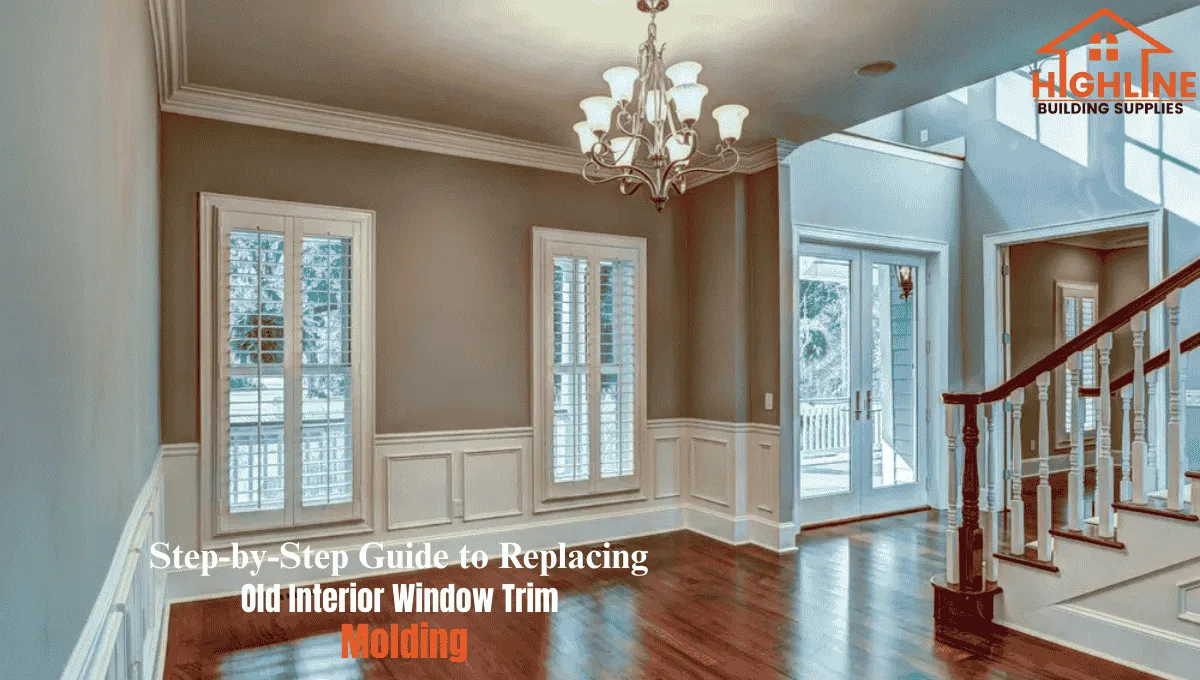
Step-by-Step Guide to Replacing Old Interior Window Trim Molding

Old, cracked, or outdated trim can make even a freshly painted room look unfinished. I’ve walked into hundreds of homes where the walls were updated, floors were beautiful, but the interior window trim molding still screamed 1995.

Here’s the truth: replacing window trim is one of the highest-impact upgrades you can make without tearing down drywall or spending thousands.

In this guide, I’ll show you exactly how to remove old trim and install new molding the right way — clean corners, tight joints, no visible gaps. Whether you’re a confident DIYer or hiring a contractor, this walkthrough will help you avoid costly mistakes and get professional-level results.

Why Replacing Interior Window Trim Molding Is Worth It

Before we dive into tools and steps, let’s talk value.

New trim does three things:

  • Instantly modernizes a room
  • Covers minor drywall imperfections
  • Improves home resale appeal

In fact, updated trim consistently ranks among low-cost upgrades that make homes photograph better — and in today’s online-driven market, that matters.

From a contractor’s perspective, window trim also frames natural light. Clean lines around a window visually sharpen the entire space.

Tools & Materials You’ll Need

Basic Tools

  • Pry bar
  • Utility knife
  • Miter saw
  • Tape measure
  • Nail gun (18-gauge brad nailer recommended)
  • Caulk gun
  • Level

Recommended Trim Profiles

For modern U.S. homes, MDF window stools are incredibly popular due to their consistency and paint-ready surfaces. Two excellent options:

The 5 1/4” works beautifully in standard bedrooms and smaller windows.
The 6 1/4” gives a bolder, more architectural look in living rooms and larger openings.

Step 1: Remove the Old Trim Carefully

This is where most DIY mistakes happen.

Pro Tip:

Score all caulk lines with a sharp utility knife before prying. If you skip this, you’ll tear drywall paper — and then you’re patching walls.

  1. Cut along the top and side seams.
  2. Gently slide the pry bar behind the casing.
  3. Work slowly from bottom to top.

If you feel resistance, stop and re-check for hidden nails.

Step 2: Inspect and Prep the Opening

Once the old trim is off:

  • Remove leftover nails.
  • Scrape excess caulk.
  • Check for uneven drywall edges.
  • Lightly sand the surface.

If your window jamb isn’t flush with the wall, now is the time to fix it with shims.

Professional installers always dry-fit pieces before nailing. This saves frustration later.

Step 3: Install the Window Stool First

The stool (bottom horizontal piece) sets the foundation.

Measure the window width and add 1–1.5 inches on each side for overhang.

Cut your MDF stool to length. For example:

  • Use Trim Window Stool 5 1/4 x 16′ MDF ULSTL538 for a clean, standard projection.
  • Use Trim Window Stool 6 1/4 x 16′ MDF ULSTL638 if you want a more dramatic ledge.

Dry-fit. Check level. Then nail into the framing or jamb below.

Install Side Casings

  • Measure from the stool top to the underside of the head jamb.
  • Cut straight (butt joints) or 45° mitres, depending on your style preference.
  • Modern homes often use square cuts for a clean look. Traditional homes use mitred corners.
  • Attach with brad nails every 12–16 inches.

Install the Top Casing

  • Measure across the top from outside edge to outside edge of side casings.
  • Mitre both ends (if using traditional style) or cut square for modern trim.
  • Nail securely into the framing.
  • Check alignment before fully setting nails.

Caulk, Fill, and Paint

This final stage separates amateur from professional results.

  • Fill nail holes with wood filler.
  • Caulk seams lightly (don’t overdo it).
  • Sand smooth once dry.
  • Apply primer if needed.
  • Paint with a semi-gloss or satin finish.

Expert Insight:

Never skip primer on MDF. Even pre-primed products benefit from a light scuff-sand and bonding primer coat for durability.

Expert Insights from the Field

After years in building supply and contractor collaboration, here are three insights homeowners often overlook:

1. Trim Proportions Matter

Thin trim on large windows looks underwhelming. Match width to ceiling height and window size.

2. Consistency Is Key

If replacing one window, match others — or commit to upgrading all visible windows in the room.

3. MDF vs Solid Wood

In most climate-controlled U.S. interiors, MDF performs better for painted trim. It resists warping and provides smoother finishes.

Common Mistakes to Avoid

  • Skipping caulk scoring before removal
  • Not checking the level on the stool
  • Overfilling joints with caulk
  • Using low-quality paint
  • Ignoring room style consistency

Replacing interior window trim molding isn’t hard — but attention to detail makes all the difference.

Real Customer Testimonials

Mark R., Texas
Switching to wider window stools completely changed our living room. The 6 1/4” profile gave it a custom-home feel.

Angela D., Georgia
I thought trim wouldn’t matter much. After upgrading, the entire room looks brighter and more finished.

Jason L., Florida
The step-by-step guidance helped me avoid damaging drywall. The final result looks professional.

Frequently Asked Questions

1. How much does it cost to replace interior window trim molding?
In the U.S., materials typically range from $2 to $6 per linear foot for MDF. Labor varies depending on complexity.

2. Is MDF good for window trim?
Yes. MDF provides a smooth finish and resists cracking in controlled indoor environments.

3. Should I use mitered or square corners?
Square cuts suit modern homes. Mitered joints fit traditional or colonial styles.

4. Can I replace window trim without removing drywall?
Yes. If done carefully, drywall remains intact.

5. What paint finish is best?
Semi-gloss is most popular. It’s durable and easy to clean.

Final Thoughts: Upgrade with Confidence

Replacing interior window trim molding is one of the smartest, most cost-effective ways to elevate your home. Done right, it transforms light, sharpens architectural lines, and increases visual value instantly.

If you’re sourcing high-quality trim profiles, stools, and molding designed for clean installation and long-term durability, Highline Building Supplies offers contractor-trusted solutions across the United States.

Your windows deserve to be framed beautifully.

See our exclusive collection of floorings; visit this page: Modern Kitchen Flooring Trends Every Homeowner Should Know

Author Bio

Highline Building Supplies Team

The Highline Building Supplies team works closely with contractors, remodelers, and homeowners across the United States to provide premium interior millwork solutions. With hands-on product knowledge and real-world installation insight, our team is committed to helping customers achieve professional-grade results in every project.

You are an experienced SEO content strategist and copywriter with hands-on industry expertise. Write high ctr meta tags for my blog post. Keyword: affordable picture windows for residential homes

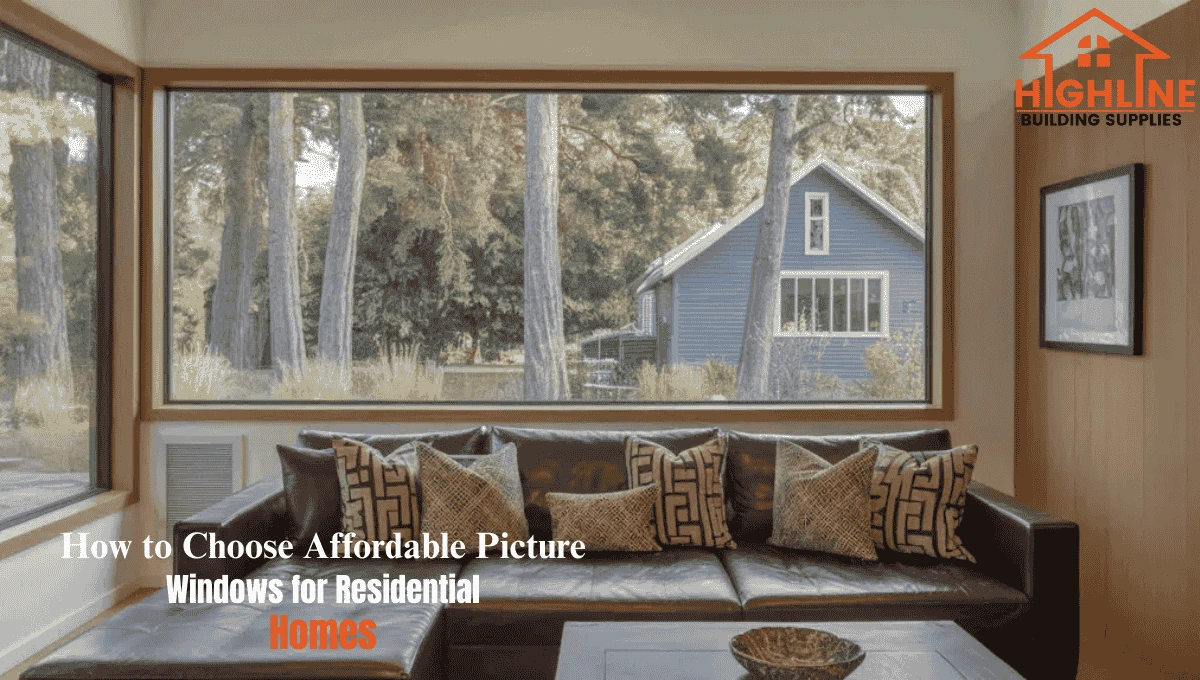
How to Choose Affordable Picture Windows for Residential Homes

Choosing affordable picture windows for residential homes isn’t just about price it’s about long-term value, energy performance, durability, and how the window fits your space. Picture windows are fixed glass units designed to frame outdoor views while maximizing natural light. When selected carefully, they can elevate a home’s appearance and reduce energy costs without stretching your budget.

Many homeowners focus only on the upfront cost. In real-world projects, that’s often where mistakes begin. The smarter approach is balancing cost, material quality, insulation performance, and proper sizing.

What Are Picture Windows?

Picture windows are large, fixed Glass Windows that do not open. Unlike sliding or double-hung units, they’re designed purely for visibility and natural light.

Key Characteristics:

  • Fixed (non-operable) design
  • Expansive, unobstructed glass surface
  • Minimal framing for maximum view
  • Often combined with operable windows for ventilation

Because they don’t open, they typically offer:

  • Better energy efficiency
  • Lower air leakage risk
  • Reduced hardware maintenance

However, they must be strategically placed since they do not provide airflow.

Why Affordability Isn’t Just About Price

When homeowners search for picture windows for sale, they often compare sticker prices alone. From hands-on installation experience, here’s what actually affects long-term cost:

  1. Frame Material

Vinyl frames are typically the most cost-effective while offering solid insulation. Products like INSPIRE VINYL PW 24×24, INSPIRE VINYL PW 24×36, and INSPIRE VINYL PW 24×48 are popular because they balance size flexibility and budget control.

  1. Glass Type

Look for:

  • Double-pane insulated glass
  • Low-E coatings
  • Argon gas filling

Energy-efficient glazing prevents heat gain in summer and heat loss in winter.

  1. Installation Quality

Even the best window fails if poorly installed. Gaps, improper flashing, and weak sealing cause:

  • Drafts
  • Condensation
  • Structural damage

How to Choose the Right Size and Placement

Size selection depends on:

  • Wall space
  • Structural framing
  • Sun exposure
  • Privacy considerations

For example:

In living areas, larger picture windows enhance natural light and make rooms appear bigger. In high-sun regions, consider shading solutions to avoid overheating.

Benefits of Picture Windows in Residential Homes

Energy Efficiency

No moving parts mean fewer air leaks.

Increased Home Value

Large fixed windows enhance curb appeal and interior brightness.

Low Maintenance

No hinges or sliding tracks to repair.

Design Flexibility

They pair well with casement or awning windows.

Limitations to Consider

  • No ventilation
  • Potential glare in sunny climates
  • Requires proper insulation planning

Homeowners sometimes install oversized windows without considering wall insulation ratios. That can increase cooling loads.

Common Mistakes to Avoid

  • Choosing based only on lowest price
  • Ignoring U-factor and SHGC ratings
  • Skipping professional installation
  • Overlooking local building codes

In my experience reviewing building material decisions, similar care applies when selecting interior elements like sliding pantry doors ideas for modern homes—small details dramatically affect long-term satisfaction.

Expert Tips for Smart Buyers

  • Always check energy ratings before purchasing.
  • Measure the rough opening accurately not just visible space.
  • Consider orientation (south-facing windows need stronger insulation).
  • Combine fixed and operable units for balanced airflow.

Real-World Use Cases

Urban Homes: Smaller units add brightness without sacrificing privacy.
Suburban Properties: Larger panoramic windows enhance backyard views.
Renovations: Replacing outdated aluminum frames with vinyl reduces energy bills significantly.

FAQ

Are picture windows energy efficient?
Yes. Because they don’t open, they seal tightly and reduce air leakage.

Do picture windows increase home value?
Often, yes. Natural light and visual appeal are strong resale factors.

What size picture window should I choose?
It depends on wall space, structural support, and lighting needs.

Are vinyl frames durable?
Quality vinyl frames resist moisture, warping, and corrosion.

Can I install a picture window myself?
DIY is possible for small units, but professional installation ensures proper sealing and insulation.

Customer Experiences

We replaced two outdated units with vinyl picture windows, and our living room feels twice as bright. – Mark T., Illinois

Choosing the right size made all the difference. The 24×48 option gave us a clean, modern look without overspending. – Elena R., Texas

Energy bills dropped after upgrading to insulated glass. I wish we had done it sooner. – David L., Colorado

Final Thoughts

Choosing the right window isn’t about chasing the cheapest deal—it’s about understanding materials, insulation ratings, sizing, and installation quality. Affordable options exist, but value comes from informed decisions.

About the Editorial Team

The Highline Supplies editorial team works closely with contractors, builders, and renovation professionals to analyze real-world performance of building materials. Our insights are based on practical experience, field feedback, and ongoing evaluation of residential construction trends—helping homeowners make smarter, lasting improvements.

Modern Kitchen Flooring

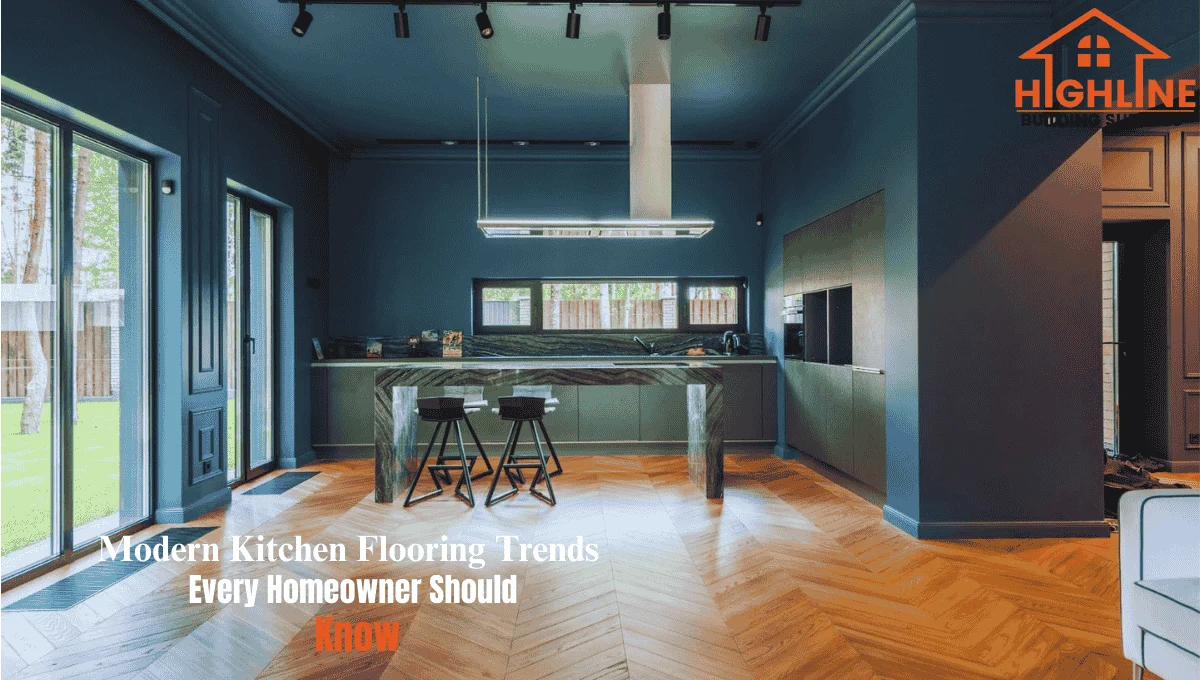
Modern Kitchen Flooring Trends Every Homeowner Should Know

When it comes to renovating your kitchen, flooring is often the unsung hero. A stunning floor can elevate the entire space, while a poorly chosen one can make even the most beautiful cabinets feel off. But with countless materials, colors, and textures flooding the market, how can homeowners confidently choose the right kitchen flooring? In this guide, we’ll uncover the latest modern kitchen flooring trends, share expert insights, and help you make informed choices that blend style, durability, and functionality.

Why Kitchen Flooring Matters More Than You Think

Kitchens are high-traffic zones, prone to spills, scratches, and heavy foot traffic. Choosing the wrong flooring can result in costly repairs or a dated look in just a few years. Modern homeowners are no longer satisfied with purely functional floors—they want options that balance durability, aesthetics, and ease of maintenance.

Key considerations include:

  • Longevity and resistance to wear
  • Water and stain resistance
  • Style compatibility with cabinets and countertops
  • Comfort underfoot for long cooking sessions

Top Modern Kitchen Flooring Options for 2026

1. Luxury Vinyl Tiles & Planks

Luxury vinyl has skyrocketed in popularity thanks to its versatility and realism. Among the top choices for homeowners are:

Why homeowners love luxury vinyl:

  • Scratch, water, and stain-resistant
  • Softer and warmer than tile underfoot
  • Realistic designs mimicking wood or stone
  • Easier installation and maintenance than hardwood

2. Engineered Hardwood

If you prefer authentic wood, engineered hardwood is a modern alternative that combines elegance with practicality. Unlike solid wood, it’s designed to withstand moisture and temperature changes, making it suitable for kitchens.

Expert Tip: Pair light oak tones with neutral countertops to brighten your kitchen and make it feel more spacious.

3. Porcelain and Ceramic Tiles

Tiles remain a reliable choice for homeowners seeking longevity. Modern trends favor large-format tiles, minimal grout lines, and textured finishes that mimic natural stone.

Pro Insight: Choose a matte finish to hide scratches and avoid overly glossy tiles that show every smudge.

Practical Tips for Choosing the Perfect Kitchen Floor

  1. Consider Lifestyle Needs – Families with kids or pets should prioritize durability and water resistance.
  2. Think About Color & Light – Lighter tones can make small kitchens feel open; darker tones create warmth and luxury.
  3. Test Samples in Your Space – Flooring looks different under natural vs. artificial lighting, so always bring samples home.
  4. Combine Materials Thoughtfully – Mixing vinyl with hardwood or tile zones can define spaces without compromising cohesion.

Common Kitchen Flooring Mistakes to Avoid

  • Ignoring Maintenance Requirements: Some woods and tiles require regular sealing—overlook it, and you’ll regret it.
  • Overlooking Subfloor Prep: Uneven subfloors can shorten the lifespan of any flooring material.
  • Prioritizing Style Over Function: A beautiful floor that scratches or stains easily isn’t a modern solution—it’s a liability.

What 2026 Homeowners Need to Know

According to seasoned interior designers, the shift in 2026 is toward floors that blend style with resilience. Luxury vinyl remains a top recommendation for modern homeowners seeking low-maintenance options without sacrificing aesthetics. Professional tip: layering textures—like pairing vinyl planks with subtle tile backsplashes—adds depth and sophistication to your kitchen design.

Real Customer Testimonials

Jessica M., Austin, TX:
We installed Amber Escape Luxury Vinyl in our new kitchen, and it completely transformed the space. It looks like real wood, and cleaning is a breeze!

Derek P., Chicago, IL:
Poppy Reserve Luxury Vinyl gave our kitchen a modern edge. It’s durable, stylish, and holds up to our busy family life.

Laura S., Miami, FL:
Arbor Terrace Vinyl was perfect for our remodel. The 4.5 mm thickness fits perfectly over our existing subfloor, and the wood look is stunning.

FAQs About Modern Kitchen Flooring

1. What is the most durable modern kitchen flooring option?
Luxury vinyl tiles and planks, especially 6 mm variants, offer high durability and resistance to scratches, water, and stains.

2. Can I install vinyl flooring myself?
Yes, many modern vinyl planks offer click-lock installation, but professional installation ensures longevity and a seamless finish.

3. How do I maintain luxury vinyl floors?
Regular sweeping and occasional damp mopping are enough. Avoid abrasive cleaners that could damage the surface.

4. Are luxury vinyl floors eco-friendly?
Many brands now offer low-VOC, recyclable options. Check product certifications for specific environmental claims.

5. How long does modern kitchen flooring last?
With proper care, high-quality vinyl, engineered hardwood, or tile can last 15–25 years, maintaining both beauty and functionality.

Conclusion: Elevate Your Kitchen with Highline Building Supplies

Choosing the right modern kitchen flooring can transform your cooking space into a stylish, functional hub. Whether it’s the warm textures of Amber Escape, the practical elegance of Arbor Terrace, or the bold statement of Poppy Reserve, Highline Building Supplies offers solutions that suit every kitchen and lifestyle. Upgrade your kitchen today and enjoy flooring that combines beauty, durability, and ease of maintenance.

Explore the full collection here: Highline Building Supplies

The Highline Building Supplies Team

At Highline Building Supplies, our expert team helps homeowners across the United States choose the perfect modern kitchen flooring that combines style, durability, and practicality. With years of hands-on experience, we provide trusted insights, practical tips, and guidance to make every kitchen renovation beautiful, functional, and long-lasting.

Back to Top

Search For Products

Product has been added to your cart