Luxury Vinyl Sheet Flooring

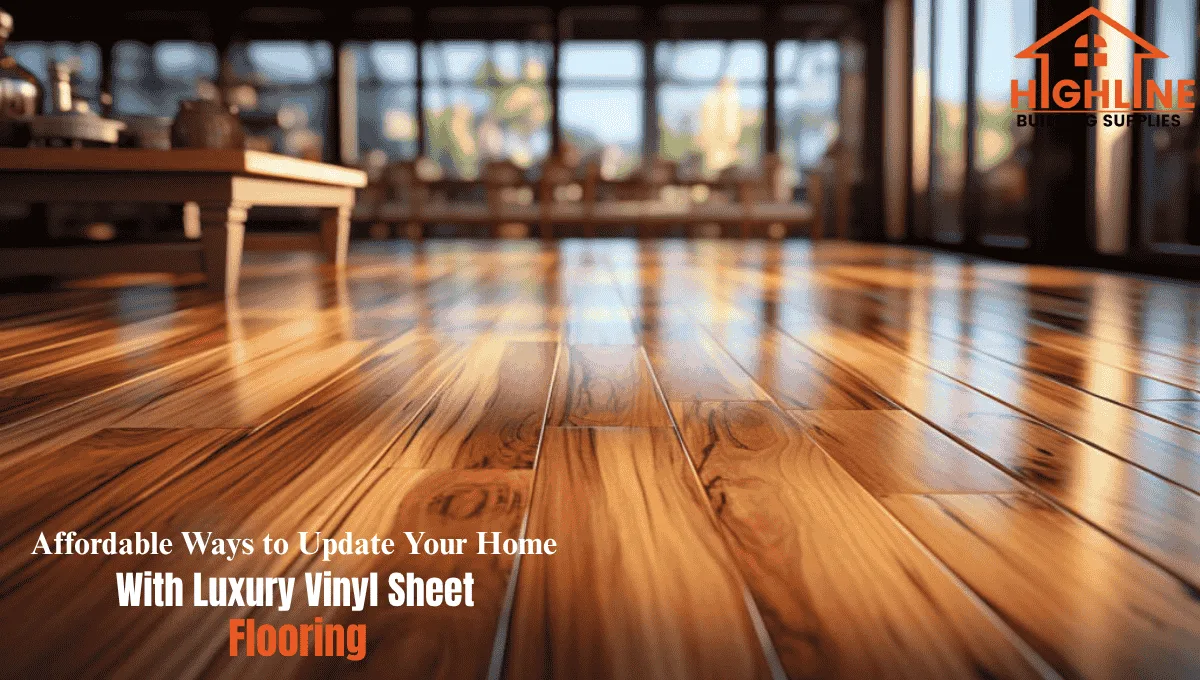
Affordable Ways to Update Your Home With Luxury Vinyl Sheet Flooring

Updating your home doesn’t always mean splurging on expensive renovations. In fact, luxury vinyl sheet flooring offers a practical, stylish, and cost-effective way to transform your spaces without breaking the bank. Imagine walking into a room that looks elegant yet feels warm underfoot—sounds like a dream, right? In this guide, we’ll explore how you can achieve this using real-world tips, expert insights, and trusted products from Highline Building Supplies.

What is Luxury Vinyl Sheet Flooring?

Luxury Vinyl Sheet Flooring (LVSF) is a durable, water-resistant flooring option made from multiple layers of vinyl. Its versatility allows it to mimic wood, stone, or ceramic, giving your home a high-end look without the high cost.

Key features in brief (40–60 words):

  • Waterproof and scratch-resistant
  • Multiple thickness options (4.5 mm – 6 mm)
  • Easy installation over most existing floors
  • Low-maintenance and long-lasting

Why Choose Luxury Vinyl Sheet Flooring?

Luxury Vinyl Sheet Flooring is perfect for homeowners who want a blend of beauty, durability, and affordability. Here’s why:

Feature Benefit
Durability Can withstand daily wear in high-traffic areas
Water Resistance Safe for kitchens, bathrooms, and basements
Easy Maintenance Quick cleaning with mild soap and water
Affordable Luxury Mimics high-end materials at a fraction of the cost

Comparing Popular Luxury Vinyl Options

Here’s how three trusted LVSF options from Highline Building Supplies stack up:

Product Thickness Wear Layer Best For Pros Cons
Amber Escape Luxury Vinyl Tile And Plank 6 mm 20 mil High-traffic areas Extra durability, realistic texture Slightly higher price
Arbor Terrace Luxury Vinyl Tile And Plank 4.5 mm 12 mil Residential rooms Budget-friendly, easy to install Less impact resistance
Discovery Ridge Luxury Vinyl Tile And Plank 4.5 mm 15 mil Living rooms, kitchens Balanced performance, stylish patterns Requires careful subfloor prep

Expert Tip: If you have pets or young kids, a thicker wear layer (20 mil or more) ensures longer life and less visible wear over time.

Durability, Material, and Wear Layer Explained

Understanding the technical details can save you headaches later:

  • Thickness Matters: Thicker sheets (6 mm) provide better cushioning and noise reduction.
  • Material Layers: Modern LVSF has a backing layer for stability, a core layer for durability, a print layer for design, and a wear layer for protection.
  • Wear Layer: A thicker wear layer improves scratch resistance and longevity—essential for busy households.

Maintenance and Lifespan

Luxury vinyl sheet flooring is low-maintenance, but some care tips make it last even longer:

  1. Sweep or vacuum regularly to avoid grit scratches.
  2. Wipe spills immediately to prevent staining.
  3. Use protective pads under furniture.
  4. Avoid harsh chemicals—stick to mild cleaners.

Expected Lifespan: 10–20 years depending on thickness, installation quality, and foot traffic.

Safety Considerations

  • Most LVSF options are slip-resistant, making them safer for kitchens and bathrooms.
  • Low-VOC (volatile organic compound) options improve indoor air quality.
  • Proper installation ensures no lifting edges or tripping hazards.

Cost vs Value Analysis

While LVSF can cost between $2 and $6 per sq. ft, it offers comparable visual impact to hardwood or ceramic. When factoring in durability, low maintenance, and ease of installation, LVSF provides excellent value.

Practical Scenario: Replacing a 200 sq. ft. kitchen floor with Amber Escape 6 mm costs roughly $1,200, versus $3,500 for engineered hardwood with similar visual appeal.

Common Mistakes to Avoid

  • Skipping Subfloor Prep: Uneven surfaces cause bubbles and gaps.
  • Ignoring Wear Layer: Thinner layers wear faster in high-traffic areas.
  • DIY Installation Without Research: Some LVSF types require specific adhesive or underlayment.

Real-World Expert Insights

Luxury vinyl sheet flooring has transformed my clients’ kitchens without the expensive hardwood price tag. For busy families, the 6 mm options, like Amber Escape, are worth the extra investment. They last longer and feel more natural underfoot.
Mark Hamilton, Flooring Contractor

Practical Tips to Maximize Your LVSF Investment

  1. Mix and Match Styles: Use planks in living rooms and tiles in bathrooms for visual interest.
  2. Layer rugs for comfort: adds warmth while protecting wear layers.
  3. Plan for Expansion: Leave 1/4-inch gaps along walls to prevent buckling.

Customer Testimonials

Jessica R., Dallas:
I installed Arbor Terrace in my living room, and it feels amazing. Highline Building Supplies made the process easy and affordable.

Ryan T., Houston:
Discovery Ridge gave my kitchen a modern look without a huge budget. Cleanup is so simple!

People Also Ask (PAA)

What is the difference between vinyl sheet and vinyl plank flooring?
Vinyl sheets are continuous rolls, while planks are individual tiles or boards.

How long does luxury vinyl sheet flooring last?
Typically 10–20 years depending on thickness and usage.

Can I install LVSF over existing floors?
Yes, most LVSF can go over tile, wood, or concrete with proper prep.

Is LVSF waterproof?
Yes, but seams and edges must be sealed for full water resistance.

Which LVSF is best for high-traffic areas?
Amber Escape Luxury Vinyl Tile And Plank 6 mm is highly recommended.

Conclusion: Transform Your Home Today

Updating your home doesn’t need to be expensive. Luxury vinyl sheet flooring combines affordability, style, and durability, making it a smart choice for modern homeowners. Explore options like Amber Escape, Arbor Terrace, and Discovery Ridge at Highline Building Supplies to give your home a stunning upgrade today.

Author Bio

The Highline Building Supplies team brings years of hands-on experience in home improvement and flooring solutions. We help homeowners choose durable, stylish, and cost-effective options like luxury vinyl sheet flooring, guiding every project with expert advice and trusted recommendations.

exterior double doors

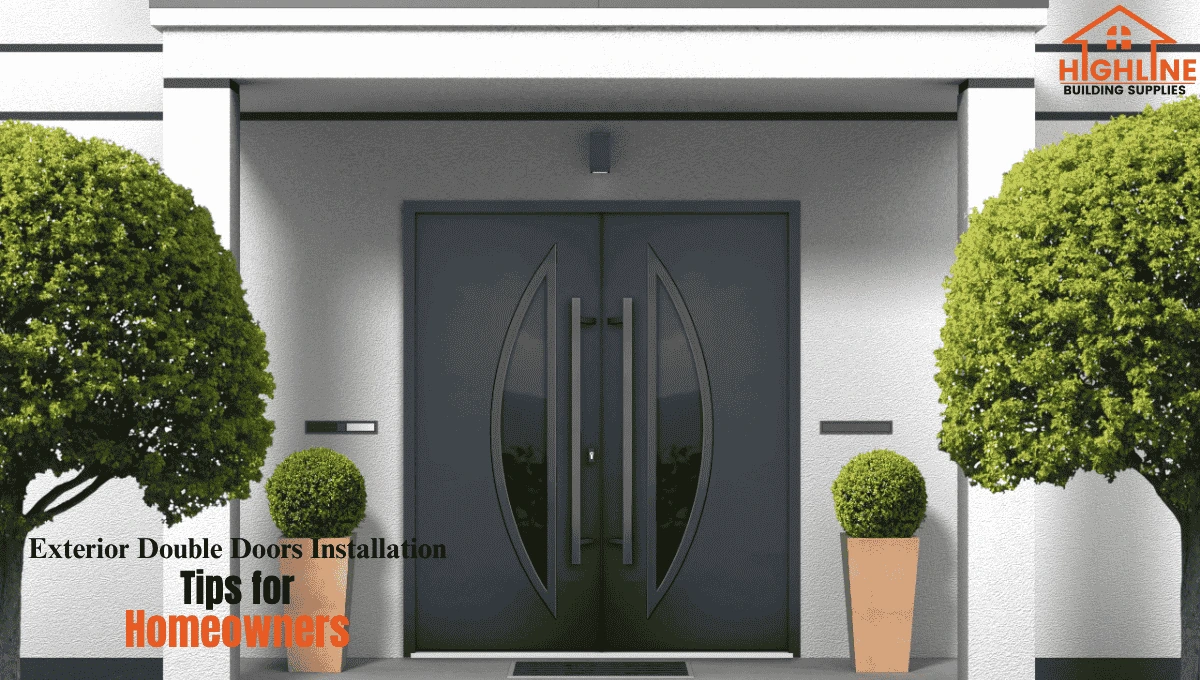
Exterior Double Doors Installation Tips for Homeowners

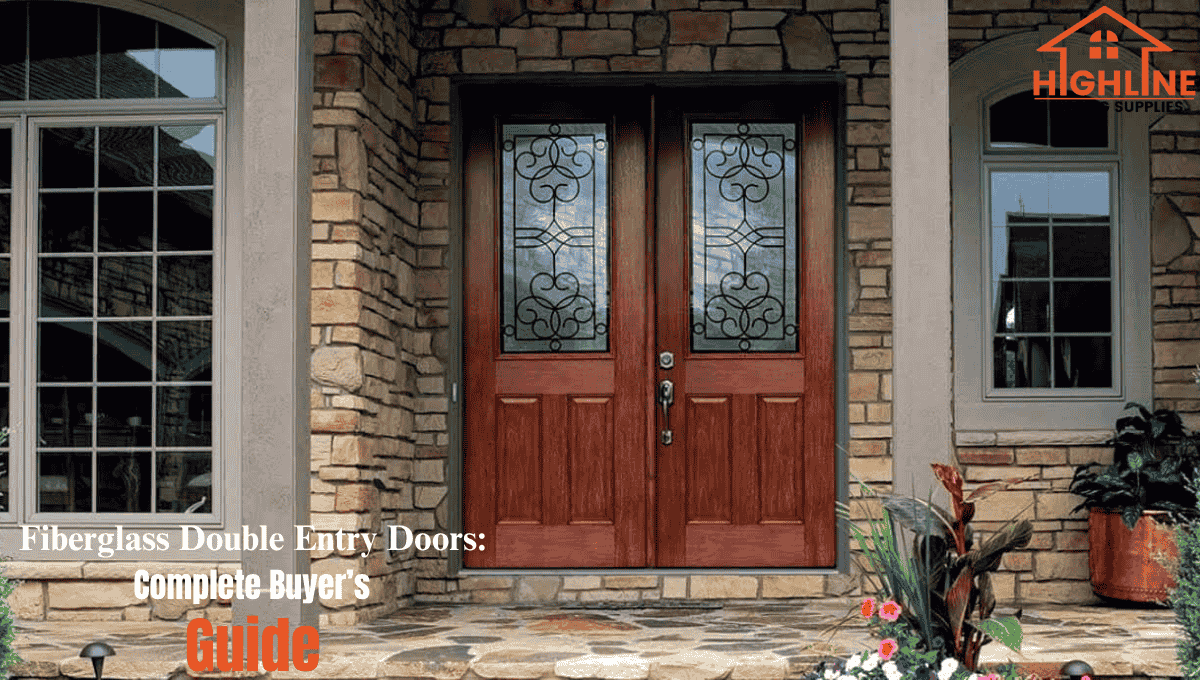
Upgrading to exterior double doors is one of the most impactful changes you can make to a home’s entryway. Done right, it improves curb appeal, boosts natural light, and genuinely changes how a space feels the moment you walk through the front door. But installation is one of those projects where the details matter a lot. A poorly installed door unit can create air leaks, security vulnerabilities, and long-term structural issues that cost far more to fix than the original job.

Whether you’re planning to hire a contractor or tackle the project yourself, understanding what good installation actually looks like helps you ask better questions, catch problems early, and make smarter decisions throughout the process.

What Are Exterior Double Doors?

Exterior double doors also called double entry doors consist of two door panels that share a single frame and meet at the center. One panel is typically the active door (the one you use daily), while the other stays stationary, held in place by flush bolts at the top and bottom. Together, they create a wide, symmetrical entryway that feels more open and formal than a standard single door.

They’re commonly used at main entryways, patio access points, and anywhere a wider opening serves a functional or aesthetic purpose. Styles range from traditional wood to modern exterior doors with clean lines and glass inserts, and materials include solid wood, fiberglass, and steel.

Double doors vs. French doors

The terms often get used interchangeably, but there’s a distinction worth knowing. Exterior French doors are a specific style of double door they typically feature multiple glass panes running the full height of each panel. Standard double doors may have solid panels, decorative glass inserts, or no glass at all. French doors tend to prioritize light and visual connection between spaces; double doors in general prioritize width and presence.

Choosing the Right Door Unit Before Installation Begins

Installation problems often start before a single tool is picked up. Getting the right unit for your opening and your climate is half the battle.

Material matters more than most homeowners realize

The three main materials for exterior double doors each come with real trade-offs:

  • Fiberglass: The most practical choice for most climates. residential fiberglass doors resist warping, cracking, and moisture damage. They hold paint well, require minimal maintenance, and can mimic the look of wood convincingly. Best for humid or high-temperature environments.
  • Wood (including mahogany): Offers genuine warmth and character that’s hard to replicate. A mahogany front entry door brings natural beauty and solidity — but requires regular sealing or finishing to hold up outdoors. Well-suited to dry or moderate climates with proper upkeep.
  • Steel: Strong, secure, and cost-effective. Steel doors are energy-efficient and dent-resistant, but can be prone to rust in humid coastal areas without good coating and maintenance.

Pro tip:

If you’re in a region with significant humidity swings like the Gulf Coast or Southeast fiberglass tends to outperform both wood and steel over the long term. Wood can swell and bind; steel can condense moisture internally.

Pre-hung vs. slab: know the difference

A pre-hung door unit comes already mounted in its frame hinges, weatherstripping, and all. A slab is just the door panels themselves. For most exterior door installation projects, especially with double doors, pre-hung is the right choice. You get a factory-calibrated fit between the door and frame, which is critical for weatherproofing and security.

Rough opening size

Double doors typically require a rough opening that’s 2 inches wider and 2.5 inches taller than the finished door size. A standard 6-foot double door unit, for example, needs a rough opening of approximately 74 inches wide by 82.5 inches tall. Always verify with your specific unit’s installation spec sheet tolerances vary by manufacturer.

Step-by-Step Installation Overview

This isn’t a complete DIY manual that varies too much by home construction and door unit but this overview helps you understand the process, follow along with a contractor, or plan your own project intelligently.

1. Remove the old door unit

Remove interior and exterior trim casing, then pull the existing frame from the rough opening. Check the rough opening framing carefully for rot, moisture damage, or structural issues before proceeding. This is a common spot for surprises.

2. Check the rough opening

Use a level to verify the sill plate is perfectly level and the king studs are plumb. Double doors are especially sensitive to an unlevel sill even a quarter-inch difference can cause the active door to swing open or closed on its own.

3. Install the threshold and sill

Apply a continuous bead of exterior-grade sealant (silicone or polyurethane) along the sill before setting the door unit. This step is non-negotiable for weatherproofing.

4. Set the pre-hung unit

With a helper, lift the unit into the opening. Use shims at the hinge locations, strike plate side, and top corners to achieve a perfectly plumb and level frame. Check the door reveal (the gap between door and frame) it should be consistent all the way around, ideally 1/8 inch.

5. Fasten the frame

Use 3-inch structural screws through the hinge side into the king stud. Nail the exterior casing to the framing, but avoid overtightening frames can rack slightly under pressure.

6. Flash and seal the exterior

Apply self-adhesive flashing tape over the head and side jambs before installing exterior trim. Run the flashing in shingle fashion bottom first, then sides, then top so water always sheds away from the opening. This step is what separates a weathertight installation from one that will leak in a few years.

7. Install locksets and hardware

Double doors use a multipoint locking system or a standard deadbolt on the active panel plus flush bolts on the inactive panel. Make sure the inactive door’s flush bolts engage fully at both top and bottom a door that rattles in its frame is often just an incompletely engaged flush bolt.

8. Insulate and trim

Fill the gap between the door frame and rough framing with low-expansion foam insulation (not standard expanding foam, which can push the frame out of square). Install interior and exterior casing, and apply exterior-grade caulk along all trim edges.

Common Mistakes to Avoid

1.      Skipping the moisture barrier

Flashing tape and sealant behind the exterior trim are unglamorous but critical. Water intrusion at the door frame is one of the leading causes of structural rot in wood-framed homes and it rarely becomes visible until significant damage has already occurred.

2.      Using the wrong foam

Standard expanding foam the kind sold in hardware stores for general use can exert enough pressure to bow a door frame inward, causing the door to bind. Always use low-expansion or “window and door” foam for this application.

3.      Not checking the sill for level

An unlevel sill is probably the most common cause of a double door that won’t stay open or closed. Shim the sill as needed don’t assume the existing framing is level just because the old door seemed to work fine.

4.      Ignoring the inactive door’s flush bolts

Many homeowners install the door, focus on the active panel, and don’t fully engage or adjust the flush bolts on the stationary panel. This leads to drafts, rattling, and security gaps. Adjust the strike pockets so the bolts engage firmly with minimal play.

5.      Buying the wrong rough opening size

Ordering a door unit before verifying the actual rough opening dimensions is a surprisingly common and expensive mistake. Always measure twice, confirm with the manufacturer’s rough opening requirements, and factor in shimming space.

6.      Choosing style over material suitability

A beautiful wood double door can look stunning until it starts warping in a climate it wasn’t suited for. Match the material to your local conditions, not just your aesthetic preference.


Expert Tips for a Better Result

  • Order your door unit well in advance. Custom or semi-custom double door units often have lead times of 4–8 weeks. Don’t schedule your contractor before the unit is confirmed and in hand.
  • Inspect the unit on delivery, before installation. Check for damaged corners, warped panels, and missing hardware. Damage claims are much easier to resolve before the door is installed.
  • Use stainless steel or coated fasteners. Standard galvanized screws can corrode and stain natural wood frames. In coastal areas especially, stainless is worth the small premium.
  • Adjust hinges before you hang trim. It’s much easier to fine-tune the door alignment while the frame is still exposed. Once the casing goes on, adjustments require removing trim.
  • Test the weatherstripping compression. Close the door and pull a dollar bill out from several points around the frame. You should feel consistent resistance. Any spot where it pulls out easily is a gap where conditioned air escapes and weather gets in.
  • Prime and seal wood frames before installation. Painting all six sides of a wood door including top and bottom before hanging it dramatically extends its life outdoors.

Worth knowing

If you’re also planning window work around the same time, understanding how flashing and sealing works for other openings helps. The same principles that apply to door installation share a lot with sliding windows installation moisture management at the rough opening is the common thread.

What to Look for When Hiring an Installer

Not all exterior door installation contractors are equal. If you’re hiring out the work, here’s what distinguishes a careful, experienced installer from someone who’ll get through it fast and move on:

  • They check the rough opening for level and plumb before setting the door — not after
  • They apply flashing tape to the rough opening before the unit goes in
  • They use shims systematically, not just in one or two spots
  • They test door operation and check the reveal before installing trim
  • They use low-expansion foam and caulk all exterior trim edges
  • They’re willing to explain what they’re doing and why

If you’re sourcing the door unit yourself, you can buy exterior doors online and have them delivered to the job site many contractors are comfortable working with customer-supplied units, particularly when they’re pre-hung and complete.

Real-World Scenarios

New construction entryway

In new builds, rough openings are typically framed to spec before drywall goes up, making installation cleaner. The main consideration is coordinating the door unit order early enough in the build schedule framing inspections can move quickly.

Replacing an existing single door

This is the most common scenario and often involves widening the rough opening. That means modifying the header (the structural beam above the opening) to accommodate the extra width a job that should be done by someone familiar with load-bearing framing. The rest of the installation is standard.

Patio or rear entryway

Double doors used as patio exits often exterior French doors leading to a deck see more weather exposure than front entry doors. Flashing at the threshold is especially important here, since the door sill sits close to the deck surface. Consider a door unit with a raised threshold or an outswing configuration to reduce water intrusion risk.

What Homeowners Say

Great experience at this store! Naresh was incredibly helpful, knowledgeable, and professional. He made the whole process easy. Highly recommended
— Juan Camilo

Need to save a little money???Best deals and great customer service. Materials for your house needs! Freddy thanks for your help!
— Maria Berumen-Garza

Great pricing, great service, I always recommend all of your friends and business partners to here! If you need anything, ask for Nash! Always a great help

— Martin Narvaez

Frequently Asked Questions

How long does it take to install exterior double doors?

For a straightforward replacement in an existing opening, a skilled installer typically completes the job in 4–8 hours. If the rough opening needs to be widened or the framing requires repair, add another half-day to a full day.

Can I install exterior double doors myself?

It’s possible if you’re comfortable with framing, leveling, and weatherproofing work. The main risks are alignment errors that cause long-term operational problems and moisture barriers done incorrectly. If you haven’t done exterior door installation before, having an experienced person review the rough opening and flashing is a worthwhile step.

What is the standard size for exterior double doors?

The most common sizes are 60 inches wide (two 30-inch panels) and 72 inches wide (two 36-inch panels), both at 80 inches tall. Custom sizes are available if your opening doesn’t match standard dimensions.

Are fiberglass double doors better than wood?

For most climates and homeowners, yes exterior fiberglass doors require less maintenance, resist moisture-related warping, and hold up better over time. Wood offers authentic character and can be more beautiful, but needs regular upkeep to maintain its performance outdoors.

How do I stop my exterior double doors from rattling?

Rattling almost always comes from one of two sources: loose flush bolts on the inactive panel, or worn weatherstripping. Check the flush bolts first they should engage firmly at both top and bottom. If that doesn’t solve it, inspect the weatherstripping for compression and replace any sections that have gone flat.

Final Thoughts

Installing exterior double doors is a meaningful investment in your home’s appearance, its energy performance, and its long-term structural health. The gap between a door installation that holds up for decades and one that causes problems within a few years usually comes down to a handful of details: a level sill, proper flashing, the right foam, and enough patience during the shimming process to get the fit exactly right.

Highline Supplies Editorial Team

The Highline Supplies editorial team draws on hands-on experience with residential door and window products to produce practical, honest guidance for homeowners. Our content focuses on what actually matters in real installation scenarios — not just what sounds good on paper. We don’t write to impress; we write to help you get the job done right.

pantry frosted glass door

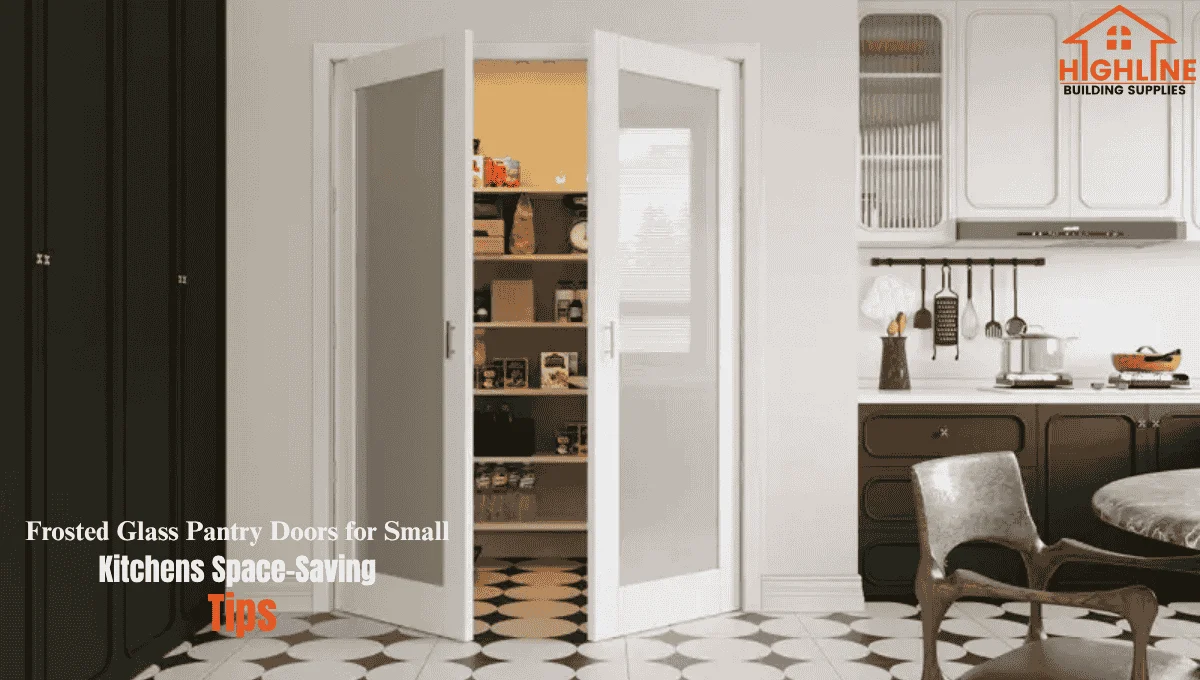
Frosted Glass Pantry Doors for Small Kitchens: Space-Saving Tips

Small kitchens can feel cramped, cluttered, and honestly… a bit frustrating. You open a bulky pantry door and suddenly half your walkway disappears. Sound familiar? Now imagine a door that lets light flow, creates visual space, and still hides the mess inside. That’s exactly why the pantry frosted glass door has become a go-to upgrade in modern Texas homes.

In this guide, we’ll break down real-world tips, expert insights, and smart buying decisions so you don’t just choose a door—you choose the right one for your space.

What Is a Pantry Frosted Glass Door?

A frosted glass pantry doors is a door featuring semi-opaque glass that diffuses light while maintaining privacy. It allows brightness to pass through while concealing pantry contents, making it ideal for small kitchens where both space and aesthetics matter.

Why Frosted Glass Pantry Doors Work So Well in Small Kitchens

1. They Visually Expand Your Space

Unlike solid wood doors, frosted glass reflects and diffuses light. This creates the illusion of a larger kitchen—something especially valuable in compact Texas homes or apartments.

2. They Hide Clutter (Without Blocking Light)

Let’s be honest—pantries aren’t always organized. Frosted glass gives you privacy without sacrificing brightness.

3. They Pair with Modern & Traditional Designs

Whether your kitchen is farmhouse, transitional, or modern, frosted glass blends in seamlessly.

Pantry Door Sizes: 6’8″ vs 8’0″ Height (What Should You Choose?)

Choosing the right size isn’t just about fit—it’s about impact.

Feature Pantry Door 6’8″ Height Pantry Door 8’0″ Height
Best For Standard ceilings (8 ft) Tall ceilings (9–10 ft)
Visual Impact Clean, subtle Dramatic, upscale look
Cost More affordable Higher investment
Light Flow Moderate Maximum light diffusion
Space Illusion Good Excellent

Expert Insight: If your kitchen feels tight, go taller if possible. An 8’0″ door draws the eye upward, making ceilings feel higher and the room more open.

Frosted Glass vs Clear Glass Pantry Doors

This is a common dilemma—here’s the honest breakdown:

Frosted Glass (Best for Most Homes)

Pros:

  • Hides pantry mess
  • Softens light (no glare)
  • More forgiving aesthetically

Cons:

  • Slightly less brightness than clear glass

Clear Glass

Pros:

  • Maximum light flow
  • Shows off organized pantry

Cons:

  • Requires constant organization
  • Can look cluttered quickly

Verdict:

For real-life use (especially families), frosted glass wins 90% of the time.

Material & Build Quality: What Actually Matters

Not all pantry doors are created equal. Here’s what to look for:

Glass Thickness

  • Standard: 1/4-inch tempered glass
  • Premium: 3/8 inch for added durability

Tempered glass is essential—it’s 4–5x stronger than regular glass and safer if broken.

Door Core Options

  • Solid Core: Better sound insulation, more durable
  • Hollow Core: Budget-friendly, lighter

Frame Materials

  • MDF (paint-grade) – smooth finish, affordable
  • Solid wood – premium, long-lasting
  • Metal frame – modern, industrial look

Durability & Performance (Real-World Perspective)

From experience, pantry doors go through daily wear—especially in busy households.

What Affects Longevity:

  • Frequency of use
  • Humidity (Texas kitchens can get humid)
  • Hardware quality (hinges matter more than you think)

Lifespan Expectations:

  • High-quality frosted glass door: 10–20 years
  • Budget door: 5–10 years

Pro Tip: Invest in soft-close hinges. They reduce stress on the frame and extend lifespan significantly.

Maintenance: Easier Than You Think

One of the biggest misconceptions? Glass doors are hard to maintain.

Reality:

Frosted glass is actually low maintenance.

Cleaning Tips:

  • Use vinegar and water or standard glass cleaner
  • Microfiber cloth to avoid streaks
  • Clean once every 2–3 weeks

Bonus: Frosted glass hides fingerprints better than clear glass.

Safety Considerations (Often Overlooked)

If you have kids or high traffic:

  • Always choose tempered safety glass
  • Avoid sharp metal edges on frames
  • Ensure proper installation (misaligned doors can crack over time)

Cost vs Value: Is It Worth It?

Average Price Range (Texas Market)

  • Basic: $150–$300
  • Mid-range: $300–$600
  • Premium: $600–$1,200+

Value Breakdown:

You’re not just buying a door—you’re

  • Improving light flow
  • Enhancing resale appeal
  • Making your kitchen feel bigger

ROI Insight: Frosted glass pantry doors can subtly increase perceived home value, especially in modern renovations.

Space-Saving Tips Most Blogs Don’t Tell You

1. Use Sliding Frosted Glass Doors
Perfect for tight layouts—no swing space needed.

2. Install Pocket Doors
They disappear into the wall. Ideal for ultra-compact kitchens.

3. Go Frameless for a Minimal Look
Creates a seamless, modern aesthetic.

4. Align Door Height with Cabinets
This creates visual continuity—your kitchen looks more expensive instantly.

Common Mistakes to Avoid

  • Choosing clear glass without organization
  • Ignoring door swing direction
  • Buying cheap hardware
  • Mismatching door height with ceiling
  • Skipping professional installation

Expert Insight (From Industry Experience)

In real projects, homeowners often underestimate how much visual openness affects comfort. A pantry frosted-glass door isn’t just functional—it changes how your kitchen feels every day.

If you’re remodeling, prioritize:

  • Height
  • Glass quality
  • Hardware durability

These three factors make the biggest difference long-term.

Real Customer Experiences

Emily R. (Austin, TX):
Switching to a frosted glass pantry door made my kitchen feel twice as big. Best upgrade we made during renovation.

James T. (Dallas, TX):
I went with the 8-foot option—worth every dollar. It completely changed the look of the space.

Laura M. (Houston, TX):
I love that it hides the mess but still lets light in. Maintenance is super easy too.

People Also Ask (PAA)

1. Are frosted glass pantry doors good for small kitchens?
Yes, they reflect light and create the illusion of more space while hiding clutter.

2. What is the standard pantry door height?
Most are 6’8″, but 8’0″ doors are popular for modern, taller kitchens.

3. Is frosted glass durable for daily use?
Yes, especially when made with tempered glass and quality framing.

4. Do frosted glass doors require a lot of cleaning?
No, they hide smudges well and need minimal maintenance.

5. Are frosted glass pantry doors expensive?
They range from budget-friendly to premium but offer strong long-term value.

Conclusion: Is a Frosted Glass Pantry Door Right for You?

If your kitchen feels small, dark, or cluttered—a pantry frosted glass door is one of the simplest upgrades with the biggest impact.

It’s functional, stylish, and surprisingly practical for everyday use.

At Highline Building Supplies, you’ll find high-quality options designed for durability, style, and real-life performance—whether you choose a standard 6’8″ or a statement 8’0″ door.

See our exclusive collection of double sliding patio doors; visit this page: 2026’s Most Stylish Double Sliding Patio Door Designs

Author Bio

Highline Building Supplies Team
With years of hands-on experience in interior door solutions, the Highline Building Supplies team specializes in helping homeowners choose durable, stylish, and space-efficient products tailored for modern living. Their expertise combines real-world installation knowledge with the latest design trends across Texas homes.

sliding windows installation

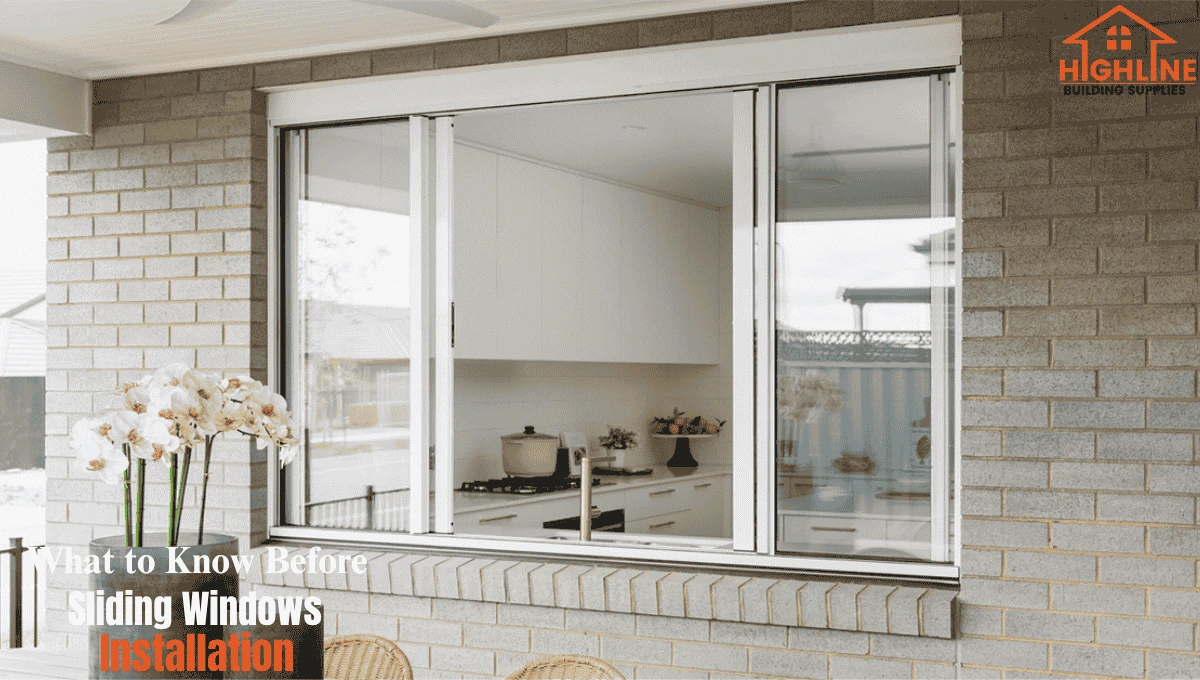
What to Know Before Sliding Windows Installation

If you’re planning sliding windows installation, it’s worth slowing down before you order anything. Sliding windows can look clean, let in great light, and work especially well in rooms where you want easy ventilation without a window sash swinging outward. But if the sizing, frame type, placement, or installation details are off, the result can be frustrating drafts, sticking tracks, water intrusion, or a window that never feels quite right.

This guide walks through what actually matters before installation: how sliding windows work, where they perform best, what to compare before buying, the most common mistakes people make, and the practical details that help homeowners and builders avoid expensive do-overs.

What Is a Sliding Window?

A sliding window (sometimes called a horizontal slider) opens side to side instead of up and down. One or both sashes move along a horizontal track.

That sounds simple and it is but the design makes sliding windows behave differently than single hung, casement, or awning windows.

How sliding windows work

Most models have:

  • A fixed sash on one side
  • A movable sash that glides horizontally
  • A track system with rollers
  • A locking mechanism
  • Weatherstripping to help with air and water control

Because they open horizontally, they’re often easier to use over counters, sinks, or in spaces where an outward-opening window would be awkward.

If you’re comparing styles, browsing actual Sliding windows can help you see the difference in proportions, frame profiles, and venting area before you commit.

Why Sliding Windows Are Popular

Sliding windows are often chosen for practical reasons, not just appearance.

Main benefits of sliding windows

  • Easy operation
    They’re generally simple to open and close, especially for wide openings.
  • Good ventilation
    They can move a lot of air, particularly in kitchens, bedrooms, and living spaces.
  • Clean, modern look
    The horizontal lines work well with both contemporary and transitional homes.
  • Good for wider openings
    In many cases, a slider is more practical than trying to fill a wide opening with another style.
  • Low exterior clearance needed
    Since the sash doesn’t swing out, they work well near walkways, patios, or decks.
  • Often easier to maintain than crank windows
    Fewer moving mechanical parts usually means fewer long-term issues.

The Limitations People Often Overlook

Sliding windows are useful, but they’re not the best fit everywhere.

Common limitations

  • Tracks need to stay clean
    Dirt and debris can affect smooth operation over time.
  • They may not seal as tightly as some other styles
    A quality unit can still perform very well, but casement windows often win on compression sealing.
  • Ventilation may be partial
    In many designs, only half the opening is operable.
  • Large units can get heavy
    Bigger sashes need better rollers, better hardware, and careful installation.
  • Water management matters a lot
    Poor flashing or slope issues can create problems faster than people expect.

That doesn’t make sliding windows a bad choice. It just means they need to be selected and installed with realistic expectations.

Where Sliding Windows Work Best

Not every room benefits from the same window style. Sliding windows tend to perform best in places where width, accessibility, and airflow matter more than a tall vertical opening.

Best use cases for sliding windows

  • Over kitchen sinks
  • In bedrooms
  • In living rooms with wider wall spans
  • In basements (depending on code and egress needs)
  • In home additions
  • In modern or low-profile architectural designs
  • In replacement projects where the original opening is already horizontal

For homeowners, this usually comes down to convenience and layout.
For builders, it often comes down to repeatability, sizing, and design consistency across elevations.

Before You Buy: The Key Things to Check First

This is where most window decisions go right or wrong.

A lot of people focus almost entirely on appearance and dimensions. Those matter, but they’re not the only things that affect long-term performance.

1) Confirm Whether It’s New Construction or Replacement

This changes everything.

New construction installation

Use this when:

  • You’re building a new home
  • The wall is open
  • You’re changing the opening size
  • Exterior cladding or sheathing is being reworked

New construction windows typically include a nailing flange or fin and are integrated into the wall system.

Replacement installation

Use this when:

  • You’re keeping the existing rough opening
  • The wall system stays mostly intact
  • You’re swapping out an old unit for a new one

If you’re shopping for sliding window replacement, measuring and frame condition matter even more than style.

A replacement install can go very smoothly—but only if the existing opening is square, dry, and structurally sound.

2) Measure the Right Way

This is one of the most common failure points.

People often measure the visible frame and assume that’s enough. It isn’t.

What should be measured
  • Width at top, middle, and bottom
  • Height at left, center, and right
  • Diagonal measurements to check square
  • Jamb depth
  • Interior and exterior trim conditions
  • Sill slope and condition

Even small framing inconsistencies can affect how well the sash slides and seals.

Practical rule:

If the opening is older or visibly out of square, don’t assume the installer will “make it work” without consequences. That usually shows up later as binding, drafts, or trim gaps.

3) Choose the Right Frame Material

The frame material affects maintenance, insulation, appearance, and long-term durability.

Vinyl is often the practical choice

A sliding vinyl window is one of the most common residential choices because it usually offers a strong balance of:

  • Low maintenance
  • Good energy efficiency
  • Corrosion resistance
  • Cost control
  • Consistent performance in many climates

For many homeowners and builders, vinyl is the “smart standard” rather than the luxury option and that’s often a good thing.

If you’re comparing actual sizes and proportions, products like INSPIRE VINYL SVS 72×36 can help you visualize what a typical horizontal slider looks like in a practical residential format.

You may also be comparing size options such as INSPIRE VINYL SVS 60×48, depending on the wall opening and intended room use.

4) Pay Attention to Glass Package and Energy Performance

A sliding window is only as good as the glass package inside it.

What to compare
  • Double-pane vs. triple-pane
  • Low-E coatings
  • Argon or insulating gas fill
  • U-factor
  • Solar Heat Gain Coefficient (SHGC)
  • Visible transmittance
In plain English:

These ratings help determine:

  • How much heat comes in
  • How much conditioned air stays in
  • How comfortable the room feels near the window
  • How much direct sun affects the space

This matters more than many buyers expect especially in bedrooms, west-facing walls, and rooms with long afternoon sun exposure.

5) Think About Ventilation and Daily Use

Not all windows are chosen for the same reason.

Some are chosen for appearance. Others are chosen because people actually open them often.

Before installation, ask:

  • Will this window be opened daily?
  • Who will be using it?
  • Is the opening easy to reach?
  • Does the room need cross-ventilation?
  • Will furniture block operation?

A slider that looks great but is awkward to use becomes dead glass very quickly.

That’s one reason it helps to compare sliders with other common residential styles too. If you’re still deciding, this guide on What Are Single Hung Windows? is useful for understanding when vertical operation may be a better fit.

Can Sliding Windows Be Installed Vertically?

Short answer: Not in the way most people mean.

This is a real question people ask: can sliding windows be installed vertically?

Technically, a horizontal slider is engineered to operate in a specific orientation. Installing it “upright” like a single hung window is generally not recommended unless the manufacturer specifically approves that use.

Why not?

Because the window is designed around:

  • Drainage paths
  • Roller orientation
  • Lock alignment
  • Weatherstripping placement
  • Structural load expectations

If you need a vertical opening, it’s usually better to choose a window style that was actually designed for vertical operation rather than trying to repurpose a slider.

That’s one of those details that seems minor on paper but creates real problems in the field.

How to Install a Sliding Window: What the Process Usually Involves

If you’re wondering how to install a sliding window, the exact method depends on whether it’s new construction or replacement.

This isn’t a full contractor manual, but here’s the realistic overview.

Typical installation steps

  1. Remove the old unit (if replacement)
  2. Inspect the rough opening
  3. Check for rot, moisture, or framing damage
  4. Verify measurements
  5. Prepare the sill and flashing
  6. Dry-fit the new window
  7. Level, plumb, and shim correctly
  8. Fasten per manufacturer specs
  9. Insulate gaps properly
  10. Seal and finish interior/exterior trim
  11. Test operation and locking
  12. Check drainage and water management
Important:

A window can be “installed” and still be installed poorly.

The biggest difference between a window that lasts 15+ years and one that causes callbacks in year two often comes down to:

  • flashing
  • leveling
  • shimming
  • sealing
  • drainage

Not just the window itself.

Common Mistakes to Avoid

This is where homeowners and even experienced crews can get tripped up.

1) Ordering based on rough estimates

Close enough is not close enough with windows.

2) Ignoring sill condition

A weak or sloped sill can affect operation and long-term sealing.

3) Focusing only on price

Cheap hardware and weak rollers usually show up later.

4) Choosing the wrong style for the room

A slider is great in the right location—not every location.

5) Over-insulating the frame gap

Too much expanding foam can distort the frame.

6) Poor flashing or water management

This is one of the most expensive mistakes to fix later.

7) Not checking how the sash actually moves after install

If it drags or binds early, don’t assume it will “wear in.”

8) Forgetting maintenance access

Tracks need occasional cleaning to keep performance smooth.

Expert Tips That Make a Big Difference

These are the kinds of practical details that save time, money, and frustration.

Best practices before installation

  • Always measure twice, preferably three times
  • Check the opening for square before ordering
  • Use manufacturer-approved install methods
  • Don’t mix generic sealants without checking compatibility
  • Think about sun exposure before choosing glass
  • Plan around furniture, cabinetry, and reach
  • Prioritize operation quality, not just appearance

Best practices after installation

  • Clean tracks regularly
  • Test locks every season
  • Check caulking annually
  • Keep weep paths clear
  • Don’t force a sticking sash diagnose the cause

A good slider should feel smooth and predictable, not heavy or awkward.

Real-World Examples

Example 1: Kitchen remodel

A homeowner replacing an older crank-out unit above the sink may prefer a sliding window because it’s easier to open without reaching around fixtures.

Example 2: Bedroom replacement

A builder replacing multiple aging windows in a rental or renovation project may choose sliders for consistency, cost control, and easier operation.

Example 3: Wide living room opening

A horizontal slider can be a cleaner, more practical fit than trying to split a wide opening into multiple smaller vertical windows.

These are the kinds of layout-driven decisions that matter more than trend-based design choices.

Should You DIY or Hire a Pro?

This depends on the scope and your skill level.

DIY may be reasonable if:

  • It’s a simple replacement
  • You’ve done finish carpentry or window work before
  • The opening is in good condition
  • You understand flashing and waterproofing
Hire a pro if:
  • The opening needs repair
  • The unit is large or heavy
  • Exterior finishes are involved
  • You’re changing dimensions
  • Water management details are unclear

The cost of correcting a bad install usually outweighs the cost of doing it right the first time.

Quick Checklist Before You Install

Use this as a pre-purchase and pre-install review:

  • Confirm new construction vs. replacement
  • Verify rough opening measurements
  • Choose the right frame material
  • Compare energy ratings
  • Check room use and ventilation needs
  • Confirm orientation and placement
  • Review hardware and track quality
  • Plan flashing and waterproofing
  • Decide DIY vs. professional install
  • Inspect operation immediately after install

FAQ:

Are sliding windows easy to install?

They can be, but only if the opening is measured correctly and the frame is installed level, plumb, and properly sealed.

What is the biggest mistake in sliding windows installation?

Poor measuring and poor flashing are two of the most common and expensive mistakes.

Are sliding windows good for bedrooms?

Yes, they can work very well in bedrooms, especially when ventilation, natural light, and easy operation are priorities.

Can a sliding window be used as a replacement window?

Yes. Many homeowners choose sliders for replacement projects, as long as the opening size and layout are a good match.

How long do sliding vinyl windows last?

A quality vinyl slider can last many years when it’s properly installed, maintained, and suited to the environment.

What Homeowners Commonly Say After a Good Install

The biggest difference was how much easier the room felt to air out once the old window was gone.

We almost ordered the wrong size. Taking better measurements upfront saved us from a costly delay.

The new slider looked simple, but the smoother operation and tighter seal made the whole upgrade feel worth it.

Final Thoughts

Sliding windows are one of those products that seem straightforward—until the wrong size, wrong orientation, or wrong install method creates a chain of avoidable problems.

If you’re planning a project, the smartest move is to focus less on what looks good in a product image and more on what will actually work well in your room, wall opening, and daily routine.

A well-chosen sliding window should feel easy to use, efficient, and visually clean—not like a compromise you’ll notice every season.

About the Author

Highline Supplies Editorial Team writes practical home improvement and building material content designed to help homeowners, renovators, and builders make more informed decisions. Our content focuses on real-world usability, product understanding, installation planning, and the details that often matter most once a project moves from browsing to execution.

Double Sliding Patio Door in 2026

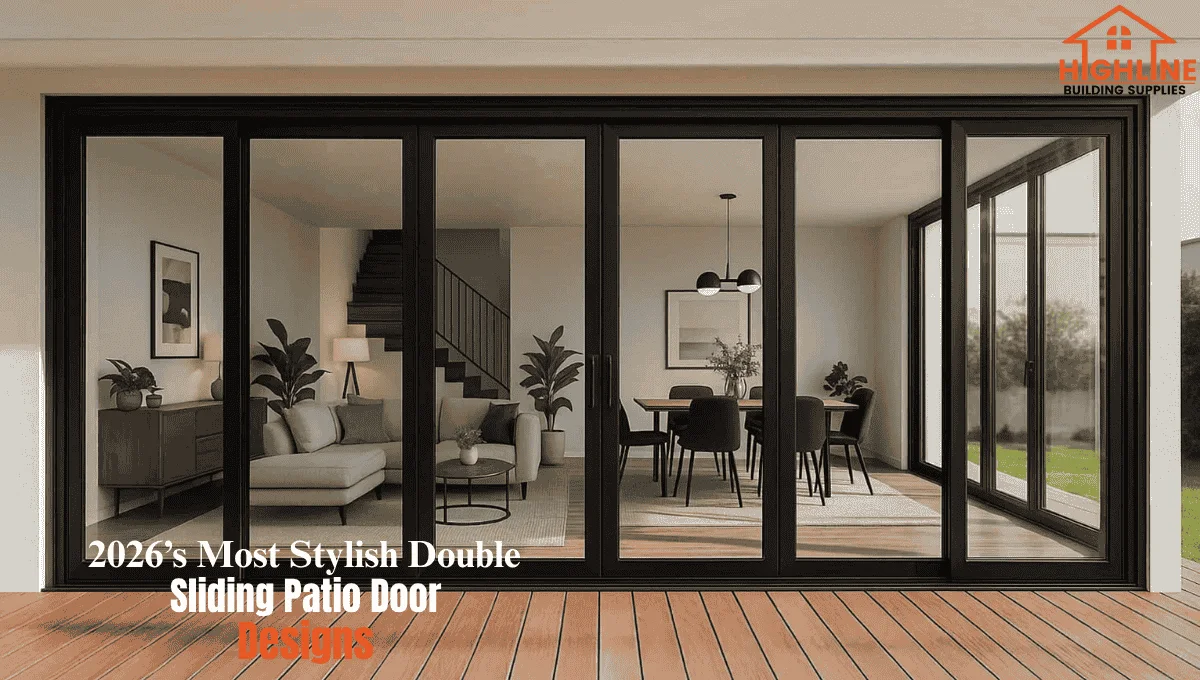
2026’s Most Stylish Double Sliding Patio Door Designs

Transform your home with a double sliding patio door that blends style, durability, and energy efficiency. If you live in Texas or anywhere in the USA, choosing the right patio door can be a game-changer—improving light, space, and curb appeal while keeping your energy bills in check. In this guide, we’ll explore the latest trends, expert tips, and practical advice for selecting the perfect double sliding patio door for your home.

What is a Double Sliding Patio Door?

A double sliding patio door is a type of exterior door featuring two glass panels that slide horizontally. Unlike traditional swinging doors, they save space and create a seamless indoor-outdoor transition.

Key benefits:

  • Maximizes natural light
  • Saves space compared to hinged doors
  • Enhances home value and curb appeal

Why 2026 is the Year for Upgrading Your Patio Door

Modern homeowners want more than just functionality—they want a statement piece. With Texas weather swings, from hot summers to chilly winters, a double sliding patio door can improve insulation, reduce energy bills, and enhance aesthetics.

Emotional Hook: Imagine stepping out to your backyard with uninterrupted sunlight streaming in—your home feels larger, brighter, and inviting.

Top Materials & Durability Factors

When choosing a patio door, material matters for performance, maintenance, and longevity.

Material Durability Maintenance Energy Efficiency Best For
Vinyl (Inspire Series Vinyl 5068, 6068, 8068) High Low Excellent Heat & cold protection
Aluminum Medium Medium Moderate Modern look, slim frame
Wood High High Good Luxury, classic design

Expert Tip: For Texas homes, vinyl options like the Inspire Series Vinyl 6068 strike the perfect balance between cost, insulation, and low maintenance.

Thickness, Wear Layer & Performance

  • Glass thickness: Standard is 1/4″–1/2″; thicker glass improves insulation and soundproofing.
  • Wear layer: Vinyl doors feature a protective wear layer that resists scratches and UV damage.
  • Sliding mechanism: Heavy-duty rollers ensure smooth operation over years.

Pro Insight: “I’ve seen homeowners in Houston replace aluminum sliders with vinyl Inspire Series doors, and energy bills dropped noticeably in both summer and winter,” says John Carter, a Texas home renovation specialist.

Cost vs Value Analysis

Model Approx. Cost Lifespan Maintenance Value-Add
Inspire Series Vinyl 5068 $1,200–$1,500 15–20 yrs Low Best for small patios
Inspire Series Vinyl 6068 $1,500–$1,800 20–25 yrs Low Best all-around choice
Inspire Series Vinyl 8068 $2,000+ 25+ yrs Low Maximum visual impact

Takeaway: Most homeowners find the 6068 series hits the sweet spot for cost, performance, and style, while the 8068 series delivers a high-end transformation for larger spaces.

Installation & Safety Considerations

  • Ensure proper leveling to avoid jamming.
  • Check locking mechanisms for security.
  • Use tempered or laminated glass for safety and impact resistance.

Common Mistake: Skipping professional installation can lead to air leaks, poor alignment, and reduced energy efficiency.

Practical Tips for Maintaining Your Double Sliding Patio Door

  1. Clean tracks monthly to prevent dirt buildup.
  2. Lubricate rollers annually for smooth sliding.
  3. Inspect seals and weatherstripping to maintain energy efficiency.

Pro Tip: A quick wipe with a mild detergent keeps the vinyl frame looking new for years.

Expert Insights

  • Design: Floor-to-ceiling sliding panels create a modern aesthetic and make small rooms feel bigger.
  • Energy efficiency: Multi-chamber vinyl frames trap air for insulation.
  • Pet-friendly: Smooth sliding doors prevent injuries while providing visibility to your backyard.

John Carter adds: “For families, a sliding patio door isn’t just style—it’s functionality. Kids and pets benefit from easy visibility and seamless access to outdoor spaces.”

Common Mistakes to Avoid

  • Choosing the wrong size (measure twice, order once).
  • Ignoring energy ratings—vinyl options outperform aluminum in extreme climates.
  • Skipping professional alignment—roller tracks are critical.

Customer Testimonials

Sarah T., Dallas, TX:
Our Inspire Series Vinyl 6068 doors transformed our patio. Easy to operate, low maintenance, and energy-efficient!

Mike R., Austin, TX:
Went with the 8068 for maximum light. Worth every penny—neighbors keep asking where we got them!

People Also Ask (PAA)

Q1: What is a double sliding patio door?
A: A door with two horizontal panels that slide, saving space and maximizing light.

Q2: Which Inspire Series vinyl door is best for Texas homes?
A: The 6068 series balances cost, durability, and energy efficiency.

Q3: How long does a vinyl sliding patio door last?
A: Typically 20–25 years with proper care.

Q4: Can double sliding patio doors improve home value?
A: Yes, especially models like the 8068 that offer maximum aesthetic impact.

Q5: How do I maintain a double sliding patio door?
A: Clean tracks monthly, lubricate rollers annually, and check seals.

Conclusion

Upgrading to a double sliding patio door in 2026 combines style, practicality, and energy efficiency. For Texas homeowners, Highline Building Supplies offers options like the Inspire Series Vinyl 5068, 6068, and 8068—designed to last, impress, and perform. Make your home brighter, safer, and more valuable today.

Explore our full range of double sliding patio doors at Highline Building Supplies and find the perfect fit for your home.

Author Bio

This article is brought to you by Highline Building Supplies, a trusted Texas-based home improvement expert. With years of experience in exterior doors, flooring, and interior finishes, we help homeowners choose stylish, durable, and energy-efficient solutions for modern living.

what single hung windows are

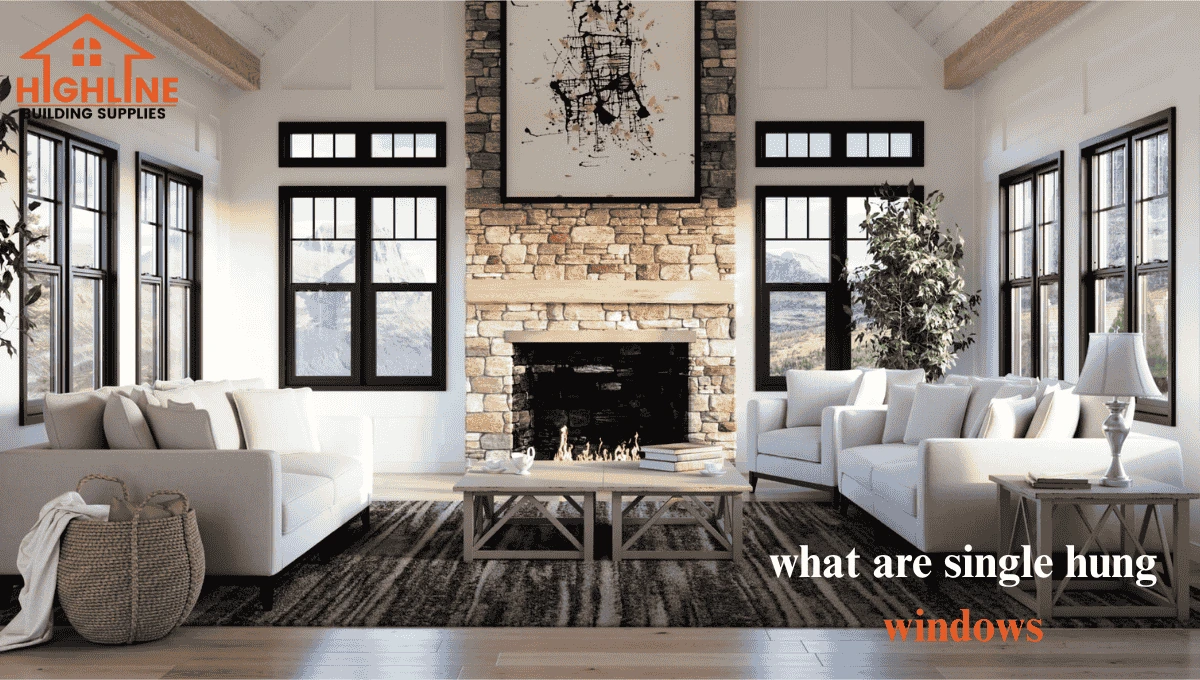
What Are Single Hung Windows?

If you’ve been shopping for replacement windows or planning a new build, you’ve probably come across the term single hung window and maybe wondered how it differs from other window styles, whether it’s the right fit for your home, and what you’re actually getting for the price. These are fair questions, and the answers matter more than most people realize before they commit to a purchase.

This guide breaks down exactly what single hung windows are, how they work, where they perform best, and what to watch out for when comparing options. No jargon, no upsell just the information you need to make a solid decision.

What Is a Single Hung Window?

A single hung window is a vertically oriented window with two sashes the upper sash and the lower sash. The key distinction: only the bottom sash moves. It slides up to open and drops back down to close. The top sash is fixed in place and doesn’t open.

This is the most fundamental thing to understand about single-hung windows. When you open one, you’re only moving the bottom half. The top half stays put, which is by design — it keeps the window structurally simpler and generally less expensive to manufacture and install.

You’ll find single hung windows in homes across every region — from older ranch-style houses to new construction builds. They’re one of the most common residential window types in North America, particularly where budget and reliability take priority over ventilation flexibility.

Single Hung vs Double Hung: The Core Difference

This comparison comes up constantly, so it’s worth being direct about it.

  • Single hung: only the lower sash moves
  • Double hung: both the upper and lower sashes move independently

Double hung windows offer more ventilation options and are easier to clean from inside (both sashes tilt in), but they cost more. A single hung window costs less and has fewer moving parts — which typically means fewer things to repair over its lifespan.

If budget and low maintenance are priorities, single hung is usually the smarter starting point. If ventilation and easy cleaning matter more — especially on upper floors — a double hung may be worth the extra cost.

How Single Hung Windows Work

The operating mechanism is simple: the lower sash sits in a channel on each side of the frame. When you unlock the window and push up on the lower sash, it slides upward along those channels, creating an opening at the bottom of the window.

Most modern single hung windows use a balance system usually spring-loaded or block-and-tackle that holds the lower sash in place when open. Older windows relied on rope-and-pulley systems with counterweights hidden inside the wall. These work, but they wear out and are harder to repair.

Single hung vinyl windows which are far and away the most common material choice today — use a vinyl frame and sashes that resist moisture, warping, and rot. Vinyl also insulates well and requires almost no maintenance beyond occasional cleaning.

Why Homeowners and Builders Choose Single Hung Windows

Single hung windows have stayed popular for decades because they solve a real set of problems without overcomplicating things. Here’s what makes them a consistently solid choice:

Lower Cost

Single hung windows are almost always less expensive than their double hung counterparts sometimes significantly so. With one fixed sash and a simpler operating mechanism, manufacturing costs are lower, and that savings passes through to the buyer. For a full-house window replacement project, the cost difference can add up quickly.

Durability and Low Maintenance

Fewer moving parts means fewer things that can fail. The lower sash mechanism is straightforward. Vinyl frames don’t need painting, don’t rot, and don’t warp in humid conditions. For homeowners who want to install and mostly forget about their windows, this combination works well.

Strong Energy Efficiency

Because the upper sash is fixed, there’s one fewer seal that can wear down or allow air infiltration. Single hung vinyl windows with quality weatherstripping and insulated glass units (IGUs) can perform very well thermally. Look for ENERGY STAR-rated options if energy performance is a priority for your project.

Wide Availability and Easy Replacement

Single hung is one of the most standardized window types, which makes sourcing single hung windows replacement units straightforward. Standard sizes are widely stocked, lead times are shorter, and installation is simpler compared to custom or less common window types. This matters both for new builds on tight timelines and for homeowners dealing with a broken or failing window.

Clean, Classic Look

Single hung windows have a traditional appearance that suits a wide range of home styles — colonial, craftsman, ranch, and most contemporary designs. The fixed upper sash creates a clean horizontal line across the window, which many architects and homeowners prefer aesthetically.

Honest Limitations to Know Before You Buy

No window type is perfect for every situation. Here’s where single hung windows have real limitations:

  • Ventilation is limited only the lower half opens, so you can’t create top-and-bottom airflow like you can with double hung windows
  • Harder to clean from inside the upper sash doesn’t tilt, so cleaning the exterior of upper-floor windows requires working from outside or using long-handled tools
  • Not ideal for high-humidity rooms bathrooms and kitchens benefit from top-sash ventilation to let steam escape near the ceiling; a single hung can’t do that
  • Upper sash is permanent if the upper glass breaks, the entire window often needs to be replaced rather than just swapping a sash

Understanding these limits upfront prevents buyer’s remorse. For ground-floor rooms, bedrooms, and areas where ventilation isn’t a primary concern, single hung windows are hard to beat on value. For specific locations like over a kitchen sink or in a bathroom — it’s worth considering other options.

What to Look for When Buying Single Hung Windows

Once you’ve decided single hung is the right type for your project, the next question is which specific windows to choose. Here’s what actually matters:

Frame Material

Vinyl is the dominant choice for good reasons: affordable, durable, thermally efficient, and maintenance-free. Wood frames look beautiful but require ongoing upkeep. Fiberglass costs more but is extremely strong and dimensionally stable. Aluminum is durable but conducts heat and cold, making it a poor thermal performer without a thermal break.

For most residential applications, vinyl is the practical answer. It’s what the majority of replacement window projects use for good reason.

Glass Package

The frame is the easy part the glass does the real work. Look for:

  • Double-pane insulated glass with argon gas fill for standard climates
  • Triple-pane for extreme cold climates where heating costs are high
  • Low-E coating to reduce heat gain in hot climates or UV exposure concerns
  • Laminated or tempered glass for safety-code requirements near doors or in hazardous locations

Standard Sizing vs Custom

One of the practical advantages of single hung windows is that they come in highly standardized sizes, making single hung windows replacement straightforward. Common widths run from 24 to 36 inches; heights from 36 to 72 inches. Measure your rough opening carefully before ordering.

For taller openings, a INSPIRE VINYL SH 24×72 works well in standard tall openings, while the INSPIRE VINYL SH 24×84 accommodates extra-tall rough openings common in newer construction worth checking if your opening is on the taller end of the range.

Hardware and Locking Mechanisms

Don’t overlook the latch. A quality single hung window should have a secure, easy-to-operate lock typically a tilt latch or cam lock. Check that it engages fully when closed and that the lock position aligns correctly. Poorly aligned hardware is a frequent complaint with budget windows and can affect both security and weathertightness.

Warranty Coverage

Quality window manufacturers back their products with limited lifetime warranties on the frame and insulated glass unit. Pay attention to what’s actually covered: some warranties exclude labor, seal failure, or only cover a limited period. A longer, more comprehensive warranty is a signal of manufacturer confidence in the product.

Common Mistakes Homeowners Make with Single Hung Windows

These come up regularly and most of them are avoidable with a little upfront knowledge:

Measuring the Wrong Dimension

The most common installation mistake is ordering to the wrong measurement. You need the rough opening size the framed opening in the wall not the size of the old window unit. These can differ, sometimes significantly. Measure width and height at three points each (top, middle, bottom for width; left, center, right for height) and use the smallest measurement.

Choosing the Cheapest Option Without Checking the Glass Package

A vinyl frame is a vinyl frame in terms of basic durability. Where budget windows often cut corners is in the glass package single-pane glass, no gas fill, no Low-E coating. These shortfalls hurt energy performance significantly. Compare the whole window, not just the frame price.

Installing Single Hung in High-Ventilation Locations

Putting a single hung window in a bathroom, over a kitchen range, or in a laundry room creates a long-term frustration. These spaces need top ventilation to manage moisture effectively. It’s not the end of the world, but it’s a mismatch that homeowners notice every day.

Skipping the Air Sealing Step During Installation

A new window that isn’t properly air sealed around the perimeter defeats the purpose of buying an energy-efficient unit. Expanding foam, backer rod, and caulk applied correctly during installation make a significant difference in real-world performance. This is often where DIY installs fall short.

Not Checking Building Codes for Egress

Bedrooms require windows that meet minimum egress opening dimensions — typically 5.7 square feet of clear opening, with minimum height and width requirements. Single hung windows can meet egress requirements, but only if sized correctly. Verify before ordering for any sleeping room.

Expert Tips for Getting the Most from Single Hung Windows

  • Buy in bulk when possible if you’re replacing multiple windows, ordering from the same manufacturer and batch ensures consistent color, hardware, and glass tint across your home
  • Prime and paint rough openings before installation, especially in wood-framed walls — moisture intrusion at the sill is the most common source of frame rot in older homes
  • Use a window insert for replacement projects rather than a full-frame replacement when the existing frame is in good condition it’s faster, less disruptive, and costs less
  • Clean the lower sash channels annually dirt and debris in the channels cause the sash to bind and increase wear on the balance system
  • Test the lock before and after installation a lock that doesn’t engage flush is usually a frame alignment issue that’s far easier to fix before the window is fully set

Where Single Hung Windows Work Best in Real Homes

Bedroom Windows

Bedrooms are a natural fit. Occupants generally open the window for fresh air at night, then close it a simple use case that single hung handles perfectly. The lower sash opens easily, the fixed upper sash adds no complexity, and the cost savings over double hung allows for better glass packages within the same budget.

Ground-Floor Living Areas

Living rooms, dining rooms, and home offices benefit from the clean look of single hung windows without the added ventilation complexity they don’t typically need. A fixed upper sash actually helps in these settings it provides a larger, uninterrupted glass area that improves natural light and views.

New Construction Projects

Builders consistently choose single hung for residential builds because of standardized sizing, reliable supply chains, and competitive pricing. For a project requiring 20, 30, or 40 windows, the per-unit cost difference between single and double hung adds up to a meaningful budget line. Browse Highline’s full range of single hung windows to compare options suitable for both replacement and new construction applications.

Historic Renovation Work

Many historic homes were originally built with single hung or single-pane double hung windows. Replacing them with modern single hung vinyl windows maintains the exterior appearance while dramatically improving thermal performance often a requirement for maintaining architectural consistency in historic districts.

If you’re also considering fixed window options for walls where ventilation isn’t needed at all, our guide on picture window ideas covers design approaches for maximizing natural light without operable windows useful for the same new build or renovation project.

FAQ:

What is the difference between a single hung and double hung window?

In a single hung window, only the lower sash moves — the upper sash is fixed. In a double hung window, both the upper and lower sashes move independently. Double hung windows offer more ventilation options and easier interior cleaning, but cost more. Single hung windows are simpler, less expensive, and have fewer moving parts.

Are single hung windows energy efficient?

Yes, when they have a quality glass package. The fixed upper sash means one fewer potential air leak. Single hung vinyl windows with double-pane insulated glass, argon gas fill, and Low-E coating can be very thermally efficient. Look for ENERGY STAR certification if energy performance is a priority.

Can single hung windows be used in a bedroom?

Yes but make sure the window meets your local egress code if it’s the only operable window in a sleeping room. The lower sash must provide a minimum clear opening (typically 5.7 square feet, at least 20 inches wide and 24 inches tall). Check your local building code before purchasing.

How long do single hung vinyl windows last?

Quality single hung vinyl windows typically last 20 to 40 years with minimal maintenance. The vinyl frame doesn’t rot, warp, or require painting. The insulated glass seal is usually the first thing to fail most quality manufacturers offer 10 to 20 year warranties on sealed glass units. Annual cleaning and lubrication of the sash channels extends the life of the operating hardware.

What sizes do single hung windows come in?

Standard single hung windows range from roughly 24 to 48 inches wide and 36 to 84 inches tall, with the most common residential sizes falling in the 24 to 36 inch width range. Because they’re highly standardized, most replacement projects can be completed with stock sizes. Always measure your rough opening before ordering not the existing window unit.

What Customers Say

We replaced 14 windows in our 1970s ranch using single hung vinyl windows. The energy difference in the first winter was noticeable immediately — our heating bill dropped and the drafts we’d lived with for years were completely gone. The installation was fast because the sizes were so standard.

— Homeowner, Minnesota

As a contractor, I spec single hung windows on most of our standard residential builds. The lead times are predictable, the pricing is competitive, and I’ve never had a client complain about performance. For bedrooms and living areas, they’re the right call most of the time.

— Residential Builder, Texas

I was overwhelmed by window options before I found a straightforward breakdown of what single hung actually means. Once I understood that only the bottom opens, the choice was obvious for my project — I didn’t need more than that, and saving money on the windows let me upgrade the glass package instead.

— First-Time Homebuyer, North Carolina

Final Thoughts

Single hung windows are popular for a reason: they’re simple, durable, cost-effective, and they do their job reliably for decades. Understanding exactly what you’re getting — and where the limits are helps you place them correctly in a project and avoid the situations where a different window type would serve you better.

Whether you’re replacing aging windows in an existing home or speccing windows for a new build, take the time to compare glass packages, verify sizing against your rough openings, and choose a product backed by a solid warranty. The frame is the easy part the glass and the seal are where performance differences actually show up.

For a curated selection of single hung vinyl windows in standard and extended sizes, explore Highline Supplies’ single hung window collection stocked for both replacement and new construction projects.

About the Author

This article was written by the editorial team at Highline Supplies a building materials supplier with direct experience sourcing and specifying windows for residential construction and renovation projects. Our content reflects real-world knowledge from working with homeowners, contractors, and builders across a range of project types. We write to help readers make informed decisions, not to sell a specific product.

top rated LVP flooring ideas

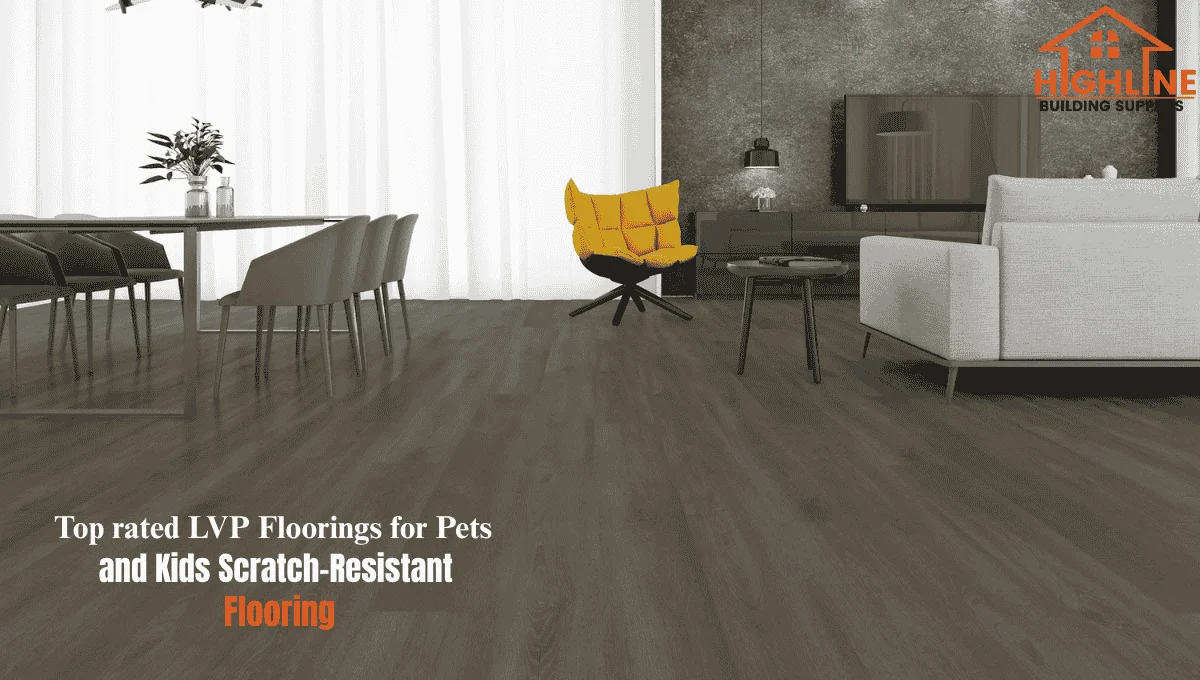
Top rated LVP Floorings for Pets and Kids: Scratch-Resistant Flooring

If you’re searching for top rated LVP flooring ideas, chances are you’re dealing with the everyday chaos of pets, kids, and constant foot traffic. Scratches, spills, and messes aren’t occasional—they’re part of daily life, especially in busy Texas homes.

From muddy paw prints and zoomies to dropped toys and unexpected spills, your flooring isn’t just about looks—it’s about survival. Many homeowners invest in beautiful floors that start showing wear within months, leading to frustration and costly replacements.

That’s where the right Luxury Vinyl Plank (LVP) makes all the difference.

Why LVP Flooring is Ideal for Pets and Kids

1. Scratch Resistance That Holds Up

Unlike hardwood, high-quality LVP comes with a wear layer designed to resist scratches from claws, toys, and furniture movement.

2. Waterproof Performance

Texas homes often deal with humidity, spills, and outdoor dirt. LVP is 100% waterproof, making it perfect for kitchens, living rooms, and entryways.

3. Comfort and Safety

LVP is softer underfoot compared to tile or hardwood, which

  • Reduces injury risk for kids
  • Provides better traction for pets
  • Feels warmer during colder months

4. Easy Maintenance (A Huge Win)

Forget complicated cleaning routines:

  • Sweep
  • Mop occasionally
  • No refinishing needed

Top Rated LVP Flooring Ideas (Tested for Real Homes)

Here are some standout options that perform exceptionally well in high-traffic, family-heavy environments:

1. Amber Escape Luxury Vinyl Tile And Plank 6 mm

Best for: Active households with multiple pets

This flooring strikes a perfect balance between thickness and durability. The 6 mm build provides:

  • Better dent resistance
  • Improved sound insulation
  • Long-term durability

Why it works for pets and kids:

  • Strong wear layer reduces visible scratches
  • Natural wood tones help hide dirt and pet hair
  • Stable core prevents warping in Texas heat

Pro Tip: Go for mid-tone shades—they hide both dust and scratches better than dark or ultra-light floors.

2. Explorer’s Cove Luxury Vinyl Tile And Plank 5 mm

Best for: Budget-conscious homeowners who still want performance

At 5 mm thickness, this option is slightly thinner but still delivers solid durability when installed correctly.

Key advantages:

  • Lightweight and easy installation
  • Great for rental properties or quick renovations
  • Modern aesthetic with subtle grain textures

Where it shines:

  • Bedrooms
  • Playrooms
  • Medium-traffic areas

Expert Insight: Pair this with a high-quality underlayment to boost comfort and sound absorption.

3. Poppy Reserve Luxury Vinyl Tile And Plank 6 mm

Best for: Style-focused families who don’t want to compromise durability

This is where design meets performance.

Highlights:

  • Premium finish with realistic wood visuals
  • Thick wear layer for heavy traffic
  • Excellent resistance to stains and spills

Perfect for:

  • Open-plan living areas
  • Homes with large dogs
  • Families hosting frequently

Real-world tip: Lighter grain patterns help mask scratches from pet nails over time.

How to Choose the Right LVP for Your Home

Focus on Wear Layer Thickness

Look for at least:

  • 12 mil for light use
  • 20 mil or higher for pets and kids

The wear layer is what protects against scratches—not just the plank thickness.

Consider Texture (It Matters More Than You Think)

Embossed or textured finishes:

  • Hide scratches better
  • Provide grip for pets
  • Add realistic wood feel

Climate Compatibility (Important for Texas Homes)

Texas heat can impact flooring stability.

Choose LVP with:

  • Rigid core construction
  • Temperature resistance
  • Minimal expansion/contraction

What Most Homeowners Get Wrong

After working with flooring installations and customer feedback, here’s what stands out:

1: Choosing Based on Looks Alone

A beautiful floor won’t stay beautiful if it scratches easily. Always prioritize durability first.

2: Ignoring Subfloor Preparation

Even the best LVP can fail if installed on an uneven surface.

Solution: Ensure proper leveling before installation.

3: Going Too Dark or Too Light

  • Dark floors show scratches and dust
  • Very light floors show stains

Best choice: Medium, natural tones

4: Skipping Underlayment

This reduces:

  • Noise
  • Impact stress
  • Long-term wear

Practical Tips for Long-Lasting LVP Floors

  • Trim pet nails regularly
  • Use furniture pads
  • Place mats at entryways
  • Clean spills immediately
  • Avoid harsh chemical cleaners

Customer Testimonials

We installed Amber Escape in our living room, and even with two dogs, it still looks brand new after a year.
— Jason M., Dallas, TX

Explorer’s Cove was perfect for our kids’ playroom. Affordable and surprisingly tough.
— Melissa R., Austin, TX

Poppy Reserve gave us that high-end wood look without the stress of damage from our Labrador.
— Daniel K., Houston, TX

People Also Ask (PAA)

1. What is the best LVP flooring for pets?
The best LVP flooring has a thick wear layer (20 mil+), a textured surface, and a scratch-resistant coating.

2. Is LVP better than laminate for kids and pets?
Yes. LVP is waterproof, softer, and more durable, making it safer and easier to maintain.

3. How long does LVP flooring last in high-traffic homes?
High-quality LVP can last 10–20 years, even in busy households.

4. Does LVP scratch easily with dogs?
Good-quality LVP is highly scratch-resistant, but not completely scratch-proof. Proper care helps extend its life.

5. What thickness is best for LVP flooring?
For homes with pets and kids, 5 mm to 6 mm with a strong wear layer is ideal.

Final Thoughts: Smart Flooring is Stress-Free Living

Choosing the right flooring isn’t just about design—it’s about creating a home that works for your lifestyle.

The right LVP flooring gives you:

  • Peace of mind
  • Long-term savings
  • A home that still looks great despite daily chaos

If you’re looking for top rated LVP flooring ideas that truly perform in real homes, start with proven options like Amber Escape, Explorer’s Cove, and Poppy Reserve.

Upgrade Your Floors with Confidence

At Highline Building Supplies, we specialize in durable, family-friendly flooring solutions designed for real homes in Texas.

Whether you need expert advice or premium LVP options, our team is here to help you choose flooring that lasts—not just looks good on day one.

Author Bio

Highline Building Supplies Team
With years of hands-on experience in flooring solutions, the Highline team provides expert guidance to homeowners across Texas. We focus on practical, durable, and stylish materials that stand up to real-life use.

picture window ideas

How to Choose the Best Picture Window Ideas

If you’re collecting picture window ideas for a new build, remodel, or room upgrade, it helps to think beyond appearance. A picture window can completely change how a space feels—bringing in more daylight, opening up views, and making a room look larger—but the wrong size, placement, frame material, or surrounding trim can create glare, heat gain, privacy issues, or an awkward layout that is expensive to fix later.

This guide will help you choose picture window ideas that work in real homes, not just in inspiration photos. You’ll learn what picture windows are, where they work best, what to compare before buying, common planning mistakes, and how to make smarter design decisions that hold up over time.

What Is a Picture Window?

A picture window is a large fixed window designed to frame an outdoor view and bring in natural light. Unlike operable windows, picture windows do not open. Their main purpose is visibility, daylight, and clean architectural impact.

In simple terms:

A picture window is meant to act like a “view frame” for your home.

That makes it a popular choice for:

  • Living rooms
  • Stair landings
  • Dining areas
  • Front elevations
  • Great rooms
  • Home offices
  • Hallways with outdoor exposure

Because picture windows don’t have moving parts, they often provide:

  • Wider uninterrupted glass
  • Cleaner sightlines
  • Better energy performance than some venting styles
  • Lower maintenance in many cases

But that doesn’t mean every large fixed window is automatically the right choice.

Why Choosing the Right Picture Window Idea Matters

A picture window is often one of the most noticeable visual elements in a room or exterior elevation. It affects far more than curb appeal.

It can influence:

  • Room brightness
  • Furniture layout
  • Privacy
  • Heat gain and glare
  • Exterior symmetry
  • Energy efficiency
  • Wall space for décor or storage

A poorly chosen large picture window can leave a room feeling exposed, too bright in the afternoon, or oddly unbalanced from the outside. On the other hand, a well-planned picture window can make an average room feel custom and intentional.

That’s why it helps to approach this as both a design decision and a practical building decision.

Key Concepts: What You Need to Know Before Choosing

Before looking at styles, sizes, and layouts, it’s worth understanding the basics.

1) Picture windows are fixed, not functional for ventilation

This is the first thing many homeowners overlook.

A picture window gives you:

  • Light
  • Views
  • Design impact

But it does not give you:

  • Fresh air
  • Emergency egress
  • Easy ventilation

That doesn’t make it a bad choice. It just means you may want to pair it with other window types if airflow matters in that room.

2) Bigger isn’t always better

A larger window can be beautiful, but oversizing it without considering wall proportions, sunlight direction, and room use often creates problems.

Good window design is about balance, not just maximum glass.

3) The best picture window idea depends on the room

A picture window for a front-facing living room may need privacy and curb appeal.

1. A picture window over a stairwell may need:
  • Height
  • Natural light
  • Architectural interest
2. A picture window in a rear family room may be more about:
  • Backyard views
  • Connection to outdoor living
  • Everyday comfort

That’s why the “best” idea always depends on context.

How to Choose the Best Picture Window Ideas

  1. Start With the Purpose of the Window

Before choosing a shape, size, or frame, ask one simple question:

What do I want this window to do?

Usually, homeowners want one or more of the following:

  • Bring in more natural light
  • Showcase a view
  • Make a room feel larger
  • Create a focal point
  • Improve exterior design
  • Modernize an older home
  • Add value during a remodel

That answer should guide every other decision.

Example:

  1. If your main goal is daylight, a wide front-facing picture window may make sense.

2. If your main goal is framing a backyard or wooded lot, a taller rear-facing layout might work better.

3. If your goal is curb appeal, the proportions and trim matter just as much as the glass itself.

  1. Match the Window Idea to the Room

One of the most practical ways to choose the right concept is to think room by room.

Best Picture Window Ideas by Room

Living room

Best for:

  • Wide outdoor views
  • Daylight
  • Front or rear focal points

What usually works:

  • Large centered windows
  • Low sill heights for better seated views
  • Balanced trim and wall spacing

Dining room

Best for:

  • Framing a backyard or patio
  • Bringing in soft natural light

What usually works:

  • Medium to large fixed windows
  • Picture windows paired with side casements if ventilation is needed

Kitchen

Best for:

  • Backyard or side-yard views
  • Light over a sink or breakfast area

What usually works:

  • Medium-sized picture windows
  • Careful placement to avoid direct afternoon glare

Stairwell or landing

Best for:

  • Vertical architectural interest
  • Brightening dark transitional spaces

What usually works:

  • Taller fixed windows
  • Clean rectangular forms

Home office

Best for:

  • Daylight without distractions
  • Controlled view framing

What usually works:

  • Moderate-sized windows with thoughtful orientation to reduce screen glare
  1. Think About Orientation and Sunlight

This is one of the most overlooked but important planning steps.

The same window can feel very different depending on which direction it faces.

How sunlight affects picture windows

South-facing

Usually offers:

  • Strong daylight
  • Good winter sun
  • Potential summer heat gain

West-facing

Usually offers:

  • Warm afternoon light
  • More glare and overheating risk

East-facing

Usually offers:

  • Pleasant morning light
  • Softer heat load

North-facing

Usually offers:

  • Consistent natural light
  • Less harsh direct sun

Practical tip:

If you love the look of a large picture window, think carefully about west-facing walls. They often look beautiful in photos but can become uncomfortable in real life without the right glazing, shading, or placement.

  1. Choose the Right Size and Proportion

A good picture window should feel integrated with the room—not oversized for the sake of impact.

What to look for:

  • Enough wall space around the window
  • Proportion that fits the room height and width
  • A sill height that makes sense for how the room is used
  • Exterior symmetry where relevant

What works best in real homes:

In many rooms, a slightly smaller but better-positioned picture window performs better than the biggest unit that can physically fit.

That’s especially true when you still need:

  • Furniture placement
  • Wall art
  • TV space
  • Storage
  • Privacy

Rule of thumb:

Choose a window that frames the view well without taking over every practical function of the wall.

  1. Compare Frame Materials Carefully

Frame material affects:

  • Maintenance
  • Appearance
  • Energy performance
  • Budget
  • Long-term durability

Common options include:

Vinyl

A vinyl picture window is often a practical choice for many homes because it tends to be:

  • Low maintenance
  • Energy-efficient
  • Cost-effective
  • Clean-looking in both modern and traditional settings

That’s one reason vinyl remains popular for homeowners comparing performance and price.

Wood

Wood offers warmth and classic character, but usually requires more maintenance.

Aluminum or composite

These can create slimmer profiles and more contemporary aesthetics, depending on the build and climate.

Practical tip:

For most homeowners and builders trying to balance budget, durability, and energy efficiency, vinyl is often one of the easiest frame materials to live with long term.

If you’re comparing practical options, you can browse picture windows for sale to better understand available styles and sizing.

  1. Consider Whether You Need Standard or Custom Sizing

This is where many window projects either stay manageable—or get more expensive quickly.

Standard-size picture windows

Often make sense when:

  • You’re replacing an existing unit
  • You want easier product availability
  • You’re trying to control project cost

Custom picture windows

Can be worth it when:

  • You’re designing around a specific view
  • The wall proportions are unusual
  • You’re building a feature elevation
  • You want a cleaner architectural fit

Real-world advice:

Custom picture windows can look excellent when they solve a real design need. But if a standard size works visually and structurally, it often makes the project simpler and more cost-effective.

For example, homeowners comparing common practical dimensions may find reference points in products like:

These kinds of standard-size examples can help you visualize what proportions may work in your space.

Benefits of Picture Windows

When used well, picture windows can dramatically improve both design and comfort.

Main benefits

More natural light

This is often the biggest advantage. Rooms feel brighter, more open, and more inviting.

Better views

A picture window can turn a backyard, garden, tree line, or skyline into part of the room.

Cleaner architectural look

Because there are no moving sashes, picture windows often create a more streamlined appearance.

Potential energy efficiency

Since fixed windows have fewer air-leak points than operable styles, they can perform very well when properly specified and installed.

Strong design value

A well-placed picture window can elevate both interior design and curb appeal.

Limitations and Trade-Offs to Know

No window type is perfect for every situation.

Limitations of picture windows

No ventilation

This is the biggest drawback. If the room needs airflow, you may need to pair the picture window with side units that open.

Potential glare or heat gain

Large glass areas can create comfort issues if placement and glazing are not planned carefully.

Privacy concerns

A beautiful front-facing window can also expose more of the interior than homeowners expect.

Less wall utility

A bigger window means less usable wall space for shelving, artwork, cabinets, or media setups.

The right choice is often not “more glass,” but the right amount of glass in the right place.

Practical Buying and Planning Considerations

If you’re comparing ideas seriously, these are the details worth focusing on.

What to compare before deciding

1) Glass performance

Ask about:

  • Low-E coatings
  • Insulated glass
  • Solar heat control
  • U-factor and energy ratings

2) Frame depth and appearance

Slimmer profiles often look more modern, while heavier trim can feel more traditional.

3) Installation complexity

A very large opening may involve:

  • Structural framing changes
  • Header considerations
  • Interior finishing adjustments

4) Trim and finishing details

Interior and exterior trim have a huge effect on how “finished” the window feels.

If you’re planning a broader remodel, coordinating your window style with surrounding finish details can make a major difference. This is where related upgrades like affordable trim for home renovation can help tie the space together.

5) Replacement vs. new construction

Picture window replacements are usually simpler if you’re working within an existing opening.

New openings offer more freedom but also more planning.

Common Mistakes to Avoid

This is where homeowners and even experienced remodelers often lose time or money.

1) Choosing based only on inspiration photos

A design that looks great online may not work with your:

  • Sun exposure
  • Floor plan
  • Furniture layout
  • Privacy needs

2) Making the window too high or too low

The wrong sill height can affect:

  • Seated views
  • Furniture placement
  • Exterior proportions

3) Ignoring ventilation needs

A fixed picture window is often best when paired thoughtfully with operable windows elsewhere.

4) Forgetting about glare

Large windows in west-facing rooms can become frustrating quickly if glare is not addressed early.

5) Overcomplicating the shape

Sometimes the strongest picture window idea is simply a clean, well-proportioned rectangle—not an unusual shape that draws attention for the wrong reasons.

6) Underestimating installation and finish work

A beautiful window can still feel unfinished if:

  • Trim is weak
  • Drywall returns are awkward
  • Exterior casing feels out of scale

7) Searching only by product, not by room use

A lot of people search terms like picture windows near me or compare styles by size alone, but the better question is:
How should this window function in my room every day?

That leads to better decisions.

Expert Tips and Best Practices

These are the details that tend to make picture windows feel intentional rather than improvised.

Frame the best view—not just the biggest opening

If one side of the yard is more attractive, orient the window around that visual priority.

Think from both inside and outside

A good picture window should improve the room and look balanced from the exterior elevation.

Use trim to control the final style

The same window can feel:

  • Modern
  • Farmhouse
  • Traditional
  • Transitional

…depending on the trim profile and finish details around it.

Pair fixed windows with ventilation where needed

In bedrooms, kitchens, and living spaces, many homeowners are happiest when fixed glass is combined with airflow elsewhere.

Don’t skip professional measuring

Even when a size looks straightforward, exact rough opening and finish dimensions matter—especially for replacements.

Plan furniture before finalizing the opening

This avoids the common problem of a beautiful window landing exactly where the sofa, TV, or built-ins should go.

Real-World Use Cases and Examples

Example 1: Front living room in a suburban home

Goal:

  • Improve curb appeal
  • Bring in more natural light

What worked:
A centered front-facing picture window with clean trim and moderate height created a brighter room without sacrificing privacy.

Example 2: Backyard family room remodel

Goal:

  • Better connection to the patio and yard
  • More open feel

What worked:
A wider rear-facing picture window created stronger sightlines and made the room feel noticeably larger.

Example 3: Stairwell in a new build

Goal:

  • Brighten a dark vertical space
  • Add architectural character

What worked:
A taller fixed window added natural light and made the stair volume feel more custom.

Example 4: Older home window replacement

Goal:

  • Improve energy performance
  • Refresh exterior appearance

What worked:
A practical vinyl picture window replacement kept the project manageable while improving both comfort and visual impact.

Quick Checklist: How to Choose the Best Picture Window Idea

Before you decide, ask yourself:

  • What is the main purpose of this window?
  • Which room is it for?
  • What direction does the wall face?
  • Do I need ventilation nearby?
  • Is standard sizing enough, or do I need custom?
  • How will it affect furniture placement?
  • Will it still look balanced from the exterior?
  • Have I thought about trim and finishing?

If you can answer those clearly, you’re already making a better decision than most homeowners at the start of the process.

Customer Testimonials

We originally wanted the biggest window possible, but after adjusting the size and placement, the room worked much better. The view still feels huge, and the wall is more usable.
Melissa R., Homeowner

Switching to a fixed picture window in our family room made the whole back wall feel cleaner and brighter. It changed the room more than we expected.
Jordan T., Remodel Client

The biggest help was thinking about sunlight first. We avoided a west-facing glare problem by choosing a different wall.
Ethan P., Builder

FAQ:

What is the best place for a picture window?

The best place is usually where you have the best natural view and the most useful daylight without causing too much glare or privacy loss.

Are picture windows energy efficient?

Yes, they often are. Because they don’t open, they usually have fewer air-leak points than operable windows.

Can picture windows open for airflow?

No. Picture windows are fixed. If ventilation matters, pair them with operable windows nearby.

Are vinyl picture windows a good choice?

For many homes, yes. They’re low maintenance, energy-efficient, and often cost-effective for both new projects and replacements.

Should I choose custom or standard picture windows?

Choose custom only if it solves a real design or sizing need. Standard sizes often keep the project simpler and more budget-friendly.

Final Thoughts

The best picture window ideas are not always the boldest or biggest. They are the ones that make the room brighter, more comfortable, and more functional—while still looking intentional from both inside and outside the home.

If you focus on purpose, room layout, sunlight, proportion, frame material, and finishing details, you’ll be much more likely to choose a window that still feels right years from now.

A well-planned picture window should do more than look good on installation day. It should improve how the room works every single day after that.

Author / Editorial Team Bio

Highline Supplies Editorial Team creates practical home improvement content designed to help homeowners, builders, and remodelers make smarter material and design decisions. The team focuses on real-world renovation needs, product clarity, and straightforward guidance that supports better planning, cleaner results, and more confident project choices.

Top Mahogany Door Designs in 2026

Top Mahogany Door Designs That Add Value to Your Property in 2026

Introduction

When it comes to increasing home value in 2026, more homeowners are turning to the top mahogany door designs to make a strong first impression. Instead of focusing only on kitchens or flooring, smart buyers and sellers now recognize that a well-designed entry door can instantly elevate curb appeal and perceived property value.

In places like Texas, where durability matters as much as design, mahogany doors offer the perfect balance of performance and luxury. But not every design delivers the same results.

If you’re exploring the top mahogany door designs, this guide will help you understand which styles truly add value, what modern buyers prefer, and how to choose a door that performs in real-world conditions—not just in photos.

Why Mahogany Doors Are a Smart Investment in 2026

Mahogany isn’t just about luxury—it’s about long-term performance.

Here’s what makes it stand out:

  • Natural durability: Resists warping, swelling, and cracking (ideal for Texas weather)
  • Rich grain & color: Instantly elevates curb appeal
  • High resale value: Buyers associate hardwood doors with premium homes
  • Customization options: Works with modern, traditional, and transitional designs

Expert Insight: In hotter climates like Texas, mahogany outperforms many engineered options when properly sealed, making it both a design and performance upgrade.

Top Mahogany Door Designs That Add Real Property Value

Let’s break down the designs that aren’t just trending but actually influence buyer perception and resale potential.

1. Modern 5-Lite Equal Frosted Double Door

This is one of the most in-demand designs in 2026 for upscale homes.

Why it works:

  • Symmetrical glass panels create a balanced, modern look
  • Frosted glass offers privacy without sacrificing light
  • Double doors create a grand entrance feel

Best for:

  • Luxury homes
  • Wide entryways
  • Contemporary architecture

Pro Tip: Pair with matte black or brushed steel hardware for a high-end finish.

2. Modern 5-Lite Equal Frosted Door (Single)

A simplified version of the double door – perfect for smaller entryways.

Value-adding features:

  • Clean lines that appeal to modern buyers
  • Frosted panels enhance interior brightness
  • Works for both exterior and interior applications

Ideal use:

  • Front entry doors for compact homes
  • Home offices or interior transitions

3. Modern 3-Lite Equal Frosted Door

A minimalist option that’s gaining popularity fast.

Why buyers love it:

  • Less glass = more privacy
  • Still maintains a modern aesthetic
  • More budget-friendly while retaining elegance

Best suited for:

  • Interior doors
  • Side entrances
  • Rental property upgrades

4. Solid Panel Mahogany Doors (Classic Luxury)

For homeowners targeting timeless appeal, solid panel designs never go out of style.

Key benefits:

  • Maximum privacy and insulation
  • Traditional craftsmanship appeal
  • Strong resale value in suburban markets

Expert Insight: In Texas neighbourhoods with traditional architecture, solid mahogany doors often outperform ultra-modern designs in buyer preference.

5. Mahogany Doors with Decorative Glass Inserts

This is where design meets personalization.

Popular options:

  • Etched glass
  • Iron grille overlays
  • Textured or beveled glass

Why it adds value:

  • Creates a unique focal point
  • Enhances natural light
  • Signals custom craftsmanship to buyers

What Texas Homeowners Should Consider Before Choosing

Not all beautiful doors perform well in Texas conditions.

Climate Matters

  • High heat and humidity can affect poorly treated wood
  • Always choose properly kiln-dried and sealed mahogany

Finish & Protection

  • UV-resistant finishes are essential
  • Regular maintenance (every 1–2 years) preserves look and durability

Energy Efficiency

  • Look for solid-core construction
  • Ensure proper installation to avoid air leaks

What Actually Increases Property Value

From a real-world perspective, not all upgrades deliver ROI.

Here’s what truly matters:

  • First impression impact (entry doors matter most)
  • Consistency with home style
  • Material authenticity (real wood > synthetic look-alikes)
  • Durability over trendiness

Professional Tip: A well-chosen mahogany front door can increase perceived home value far beyond its cost—especially in competitive Texas markets.

Common Mistakes to Avoid

Even premium materials can underperform if chosen poorly.

Choosing design over functionality
A door that looks great but doesn’t suit your climate or layout will hurt long-term value.

Ignoring maintenance needs
Mahogany requires occasional refinishing—skipping this reduces its lifespan.

Over-customization
Highly niche designs may not appeal to future buyers.

Poor installation
Even the best door fails if not installed properly—this impacts insulation and durability.

Real Customer Experiences

Sarah M., Houston, TX
We upgraded to a modern 5-lite mahogany double door, and it completely transformed our home’s entrance. We’ve had multiple compliments—and even our realtor said it increased our curb appeal significantly.

David R., Dallas, TX
I was hesitant about wood doors due to heat, but after proper sealing, our mahogany door has held up beautifully. It looks premium and feels solid.

Amanda L., Austin, TX
The 3-lite frosted design was perfect for our interior remodel. Stylish and simple, it added a modern touch without overspending.

People Also Ask (PAA)

What are the best mahogany door designs for modern homes?
Modern 5-lite and 3-lite frosted designs are among the top choices due to their clean lines and light-enhancing features.

Do mahogany doors increase home value?
Yes, especially for entry doors. They improve curb appeal and signal quality construction to buyers.

Are mahogany doors good for Texas weather?
Yes, when properly sealed and maintained, they perform well in heat and humidity.

What is the difference between 5-lite and 3-lite doors?
5-lite doors have more glass panels for a brighter look, while 3-lite designs offer more privacy and a minimalist style.

How do I maintain a mahogany door?
Regular cleaning and refinishing every 1–2 years with UV-protective coatings helps maintain durability and appearance.

Conclusion: Upgrade Smart, Not Just Stylish

Choosing from the top mahogany door designs isn’t just about aesthetics—it’s about making a strategic investment in your home.

Whether you prefer a bold double-door entrance or a sleek modern interior style, the right mahogany design can:

  • Boost curb appeal
  • Improve functionality
  • Increase resale value

At Highline Building Supplies, we help homeowners and builders across Texas choose doors that don’t just look premium but perform in real conditions.

Ready to upgrade your space? Explore high-quality mahogany door options with Highline Building Supplies and make a decision that adds lasting value to your home.

Author Bio

Highline Building Supplies Team
The Highline Building Supplies team specializes in premium construction materials for modern homes across Texas. With hands-on industry experience, we provide expert guidance on doors, flooring, and interior finishes—helping homeowners and builders make smarter, long-lasting choices.

affordable trim for home renovation

Affordable Trim for Home Renovation for Better Interior Finishes

A well-finished room rarely comes down to paint color alone. In many homes, the real difference between a basic space and a polished one is the trim. Choosing affordable trim for home renovation can help you create cleaner lines, better transitions, and a more complete interior without stretching your budget. Whether you are updating one room or finishing a full remodel, the right trim can make walls, ceilings, doors, and flooring feel intentional instead of unfinished.

Many homeowners focus on flooring, cabinetry, or wall color first, then treat trim like an afterthought. That usually leads to mismatched details, rushed purchases, or styles that do not fit the rest of the home. This guide explains what trim actually does, which styles work best, where budget matters most, and how to choose options that look better and last longer.

What Trim Does in a Renovation

Trim is not just decorative. It serves both visual and practical purposes throughout a home.

Common functions of interior trim:

  • Covers gaps between surfaces
  • Creates clean transitions between walls, floors, ceilings, and openings
  • Protects wall edges and lower wall areas
  • Adds proportion and architectural detail
  • Helps rooms feel complete and intentional

In practical terms, trim can make a builder-basic room look more refined without requiring a full structural change. That is why it often delivers a strong visual return for the money.

Why Trim Matters More Than Most Homeowners Expect

Trim is one of those details people often notice only when it is missing, damaged, or poorly chosen. Good trim quietly improves a room. Bad trim makes even expensive finishes feel incomplete.

In real renovation projects, trim usually affects:

  • How “finished” the room feels
  • Whether flooring and wall details connect well
  • How modern or dated a room looks
  • How easy surfaces are to clean and maintain
  • Whether corners and edges hold up over time

If you are already planning paint, flooring, doors, or wall updates, trim should be part of the decision early, not at the end.

Home Trim Ideas That Improve Interiors Without Overspending

Not every room needs elaborate molding. In fact, some of the best home trim ideas are simple, clean, and budget-friendly.

Smart trim upgrades that often make the biggest impact:

  • Taller baseboards in main living spaces
  • Clean door and window casing
  • Crown molding in living rooms, dining rooms, or entryways
  • Simple wall trim boxes for feature walls
  • Flexible trim for curved or uneven areas
  • Matching trim profiles across connected spaces

The key is consistency. One well-chosen trim style used properly throughout the home usually looks more expensive than mixing several unrelated designs.

Trim for Interior Walls: What Works Best

When people think of trim, they often think only of baseboards. But trim for interior walls can do much more than finish the floor line.

Popular wall trim applications include:

  • Baseboards
  • Chair rails
  • Picture frame molding
  • Wainscoting
  • Wall panel trim
  • Door and window casing

For budget-conscious renovations, baseboards and clean wall framing details usually give the best value. They are visible, practical, and can upgrade a room quickly without requiring major construction.

Interior Trim Styles: Which One Fits Your Home?

Not every trim profile fits every house. One of the most common renovation mistakes is choosing a trim style based only on what looks nice in a photo.

Here are the most common interior trim styles and where they usually work best:

  1. Modern Flat Trim

Best for:

  • Contemporary homes
  • Minimal interiors
  • Clean renovation styles

Why it works:

  • Simple lines
  • Easier to coordinate with modern doors and floors
  • Less visually busy
  1. Traditional Decorative Trim

Best for:

  • Older homes
  • Formal spaces
  • Classic interior designs

Why it works:

  • Adds depth and character
  • Pairs well with crown molding and detailed casing
  1. Transitional Trim

Best for:

  • Mixed-style renovations
  • Homes blending classic and modern elements

Why it works:

  • More flexible across rooms
  • Safer choice if you want timeless appeal

If you are unsure, transitional or clean-profile trim is often the safest investment.

Modern Home Trim: What Looks Updated Right Now?

The best modern home trim choices are usually simple, proportionate, and consistent.

What tends to work well in updated interiors:

  • Slightly taller baseboards
  • Clean crown profiles instead of ornate designs
  • Smooth primed finishes
  • Consistent casing widths
  • White or soft neutral painted trim

What often goes wrong:

  • Oversized trim in small rooms
  • Decorative profiles that clash with modern flooring or cabinetry
  • Mixing too many trim shapes in one open layout

Modern trim does not have to be flashy. Most of the time, it just needs to be clean and deliberate.

Best Affordable Trim for Home Renovation: What to Compare

If you are trying to find the best affordable trim for home renovation, price alone should not be your only filter.

Compare trim based on these factors:

  1. Material

Common options include:

  • MDF
  • Finger-jointed wood
  • Solid wood
  • Flexible trim materials

Each has different strengths depending on moisture exposure, durability needs, and budget.

  1. Profile

A trim’s shape affects how formal, modern, or decorative it looks.

  1. Height and Width

Baseboards and crown molding need to fit the room’s scale.

  1. Finish

Primed trim can save prep time and improve consistency.

  1. Installation Practicality

Some trim looks great in theory but becomes frustrating around uneven walls or curved surfaces.

This is where product choice matters more than many homeowners expect.

A Practical Trim Molding Buying Guide

A strong trim molding buying guide starts with understanding where the trim is going and what job it needs to do.

Ask these questions before buying:

  • Is this for walls, ceilings, floors, or openings?
  • Does the room have curved walls or unusual transitions?
  • Is the space formal, casual, or modern?
  • Will the trim be painted?
  • Is durability more important than decorative detail?

What usually works best:

  • Simple baseboards for everyday spaces
  • Crown molding where ceiling transitions need visual polish
  • Flexible trim where standard rigid pieces would create gaps or awkward joints

If you want to buy trim online, it helps to compare profile dimensions and intended use before making a final choice.

For homeowners looking to explore practical options, Highline Supplies offers a useful selection if you want to buy trim online for different room styles and renovation needs.

Best Trim Styles for Living Room Renovation

The living room is one of the best places to invest in trim because it is a high-visibility space.

Strong trim styles for living room renovation include:

  • Taller baseboards for visual grounding
  • Crown molding for ceiling definition
  • Clean wall trim boxes for feature walls
  • Coordinated window and door casing
  • Smooth, paint-ready trim finishes

A simple rule:

If the room is open-concept, your trim should coordinate with nearby spaces. A dramatic living room trim style that stops abruptly at the hallway usually feels disconnected.

Practical Trim Choices for Home Upgrades

Some trim products are simply easier to live with and easier to install.

Good practical trim choices for home upgrades often include:

  • Primed trim that reduces prep work
  • Flexible trim for curved or irregular walls
  • Durable profiles for high-traffic areas
  • Trim sizes proportionate to ceiling height
  • Products that match flooring and door styles cleanly

For example, flexible baseboard can be especially useful in older homes where walls are not perfectly straight.

If your renovation includes curves or challenging transitions, products like 1X4×10 STRAIGHT FLEXIBLE TRIM BASEBOARD or 1X6x10 STRAIGHT FLEXIBLE TRIM BASEBOARD can solve installation issues that standard rigid trim often struggles with.

And if you want a more finished ceiling line in formal or main living areas, CROWN 4-1/4 X 9/16 FJ 16’PRIMED 16′ 8012FJP is the kind of detail that can make a room feel much more complete without requiring a major design overhaul.

Benefits of Using Affordable Trim in Renovation

Done correctly, affordable trim can be one of the most cost-effective finish upgrades in a home.

Main benefits:

  • Improves visual quality without major construction
  • Makes rooms look more complete
  • Helps tie walls, floors, and ceilings together
  • Can increase perceived home value
  • Often works well alongside paint and flooring updates

Trim also pairs naturally with other finish upgrades. If you are planning floors too, this guide on smart flooring solutions for homes can help you think through how your floor and trim choices should work together.

Limitations to Keep in Mind

Trim is useful, but it is not magic.

Realistic limitations:

  • It will not fix poor drywall work on its own
  • Cheap-looking profiles can still look cheap after paint
  • Bad installation ruins even good materials
  • Overusing trim can make smaller rooms feel busy
  • Not every home benefits from heavy decorative molding

That is why smart selection matters more than simply buying more.

Common Mistakes to Avoid

This is where many renovation projects lose polish.

1. Choosing trim last

Trim should be part of the design plan, not an afterthought.

2. Ignoring scale

Tiny trim in a room with high ceilings often looks unfinished.

3. Mixing too many profiles

This is one of the fastest ways to make a renovation feel inconsistent.

4. Buying based only on price

The cheapest option is not always the best value once prep, fit, and durability are considered.

5. Skipping room-to-room continuity

Your trim should help connect the home, not make every space feel unrelated.

6. Forgetting installation realities

Uneven walls, curves, corners, and transitions matter more than product photos.

Expert Tips That Actually Work

These are the kinds of details that tend to make a visible difference in real projects:

Best practices:

  • Keep trim profiles consistent across connected spaces
  • Use taller baseboards in primary living areas if ceiling height allows
  • Choose paint-ready trim to simplify finishing
  • Match trim style to flooring and door design, not just wall color
  • Use flexible trim where rigid pieces will fight the wall
  • Sample trim in the actual room before buying in bulk

One of the most useful things you can do is view trim as part of the room’s architecture, not just decoration.

Real-World Examples

Example 1: Budget Living Room Refresh

A homeowner repaints the walls, updates lighting, and installs taller baseboards with simple crown molding. The room looks significantly more finished without changing layout or furniture.

Example 2: Older Home Hallway Upgrade

An older hallway with uneven walls uses flexible trim instead of standard pieces, creating cleaner edges and reducing visible gaps.

Example 3: Open-Concept Main Floor

Using one consistent trim style across the kitchen, dining, and living areas helps the entire floor feel more cohesive and professionally finished.

These are the kinds of upgrades that tend to look subtle at first but noticeably improve the whole home.

People Also Ask

1) What is the best affordable trim for home renovation?

The best option depends on the room, style, and wall condition. In many homes, simple primed baseboards and clean crown profiles offer the best value.

2) Is trim worth adding during a renovation?

Yes, especially if walls, flooring, or paint are already being updated. Trim often improves the finished look more than people expect.

3) What trim style works best in modern homes?

Clean, simple trim with minimal detail usually works best in modern interiors. Flat or transitional profiles are often the safest choice.

4) Can trim make a room look more expensive?

Yes. Well-scaled trim can make a room feel more polished and intentional, especially when paired with good paint and flooring choices.

5) Should trim match throughout the whole house?

It does not need to be identical everywhere, but connected spaces should feel coordinated for the best overall result.

What Homeowners Say

We updated our baseboards and crown molding before repainting, and the room looked more finished immediately.

Flexible trim helped us deal with older, uneven walls without obvious gaps.

We were surprised how much cleaner the whole renovation looked once the trim matched from room to room.

Final Thoughts

Affordable trim is one of the smartest finish upgrades in a renovation when it is chosen with purpose. It helps define the room, improves transitions, and adds polish that people often notice without knowing exactly why the space feels better.

The best results usually come from keeping things simple, consistent, and practical. Instead of chasing the most decorative option, focus on trim that fits your home’s scale, style, and layout. That approach usually looks better, installs more cleanly, and holds up longer.

If your goal is better interior finishes without overspending, trim deserves a much earlier place in your renovation plan.

Author Bio

Highline Supplies Editorial Team writes practical, renovation-focused content for homeowners, builders, and buyers who want clearer product guidance and smarter finish decisions. Our content is shaped by real-world remodeling needs, material selection considerations, and the details that help interiors look complete and well planned.

Back to Top

Search For Products

Product has been added to your cart