
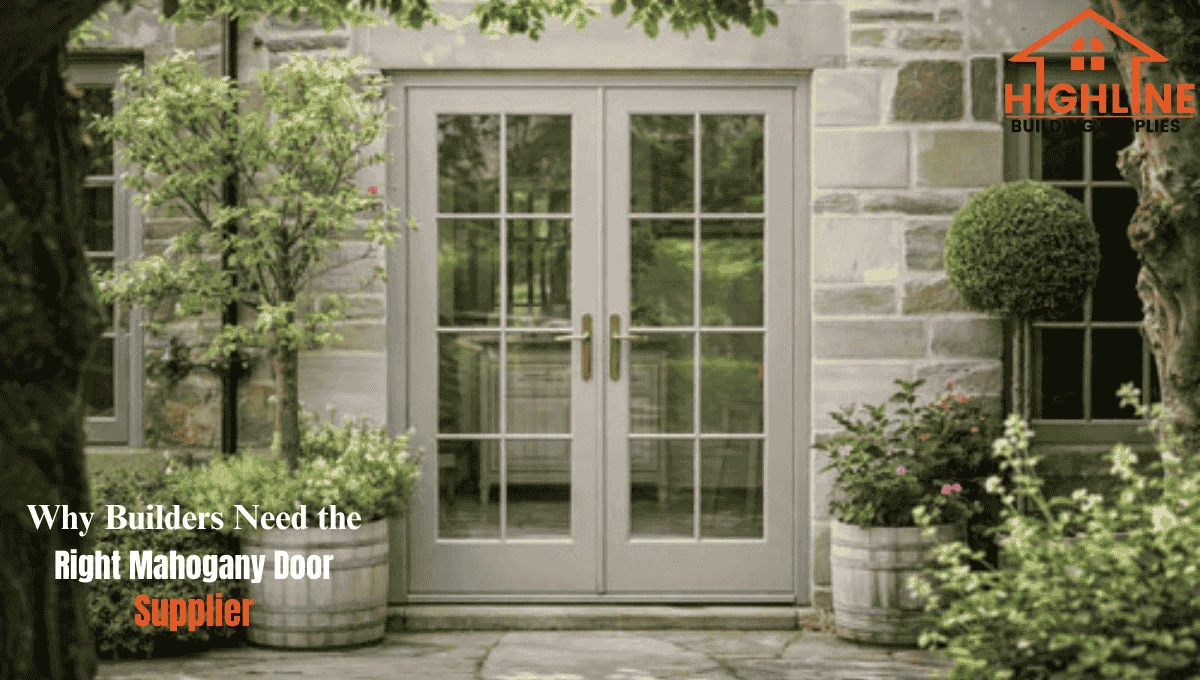
A reliable mahogany door supplier can make or break a build long before the homeowner notices the finished entryway. Builders depend on consistent dimensions, stable wood quality, proper prehanging, and on-time delivery because one bad door can delay trim work, paint schedules, inspections, and final handover. Whether you’re sourcing a solid mahogany door for a custom home or comparing options for a mahogany exterior door package, supplier quality matters far more than many buyers realize.
Mahogany doors sit in a unique category of building materials. They are expected to deliver curb appeal, structural performance, durability, and design flexibility all at once. That means builders need more than a catalog they need a supplier that understands moisture movement, finishing requirements, glass configurations, jamb setup, and how doors perform in real-world conditions.
This guide breaks down what builders should look for, what often goes wrong, and how to choose a supplier that supports quality work from framing to final walkthrough.
Why the Supplier Matters More Than the Door Alone
Most people focus on the door slab itself. Builders know better.
A good door can still become a jobsite problem if it arrives:
- Out of square
- Poorly prehung
- Incorrectly handed
- With unfinished edges
- With low-quality glass inserts
- Without the right jamb depth or threshold setup
In other words, a quality product is only part of the equation. The supplier determines whether the product arrives ready to install and suited to the build.
What builders actually need from a supplier
A strong supplier should help with:
- Product consistency across multiple units
- Accurate lead times
- Proper packaging and shipping protection
- Clear product specs
- Matching sidelights, transoms, and glass options
- Guidance on climate suitability and finishing
This is especially important on custom homes and renovation projects where one wrong door size can affect framing, casing, weatherproofing, and labor hours.
What Makes Mahogany a Preferred Choice for Builders?
Mahogany remains a go-to material for premium entry systems because it offers a rare balance of workability, strength, and appearance.
The practical benefits builders care about
The benefits of mahogany doors go beyond aesthetics. In the field, builders often choose mahogany because it:
- Machines cleanly and consistently
- Holds stain and finish beautifully
- Offers strong dimensional stability when properly kiln-dried
- Works across traditional and modern elevations
- Adds perceived value to the home
For many builders, mahogany is also easier to specify than some mixed hardwood alternatives because clients already recognize it as a premium material.
Where it performs best
Mahogany is commonly used for:
- Front entry systems
- High-end custom homes
- Renovation projects with upgraded curb appeal
- Transitional and modern exterior designs
- Homes where glass and wood need to balance visually
That’s why many builders start their search with a dedicated mahogany front entry door collection rather than a general wood door catalog.
What Builders Usually Get Wrong When Choosing a Supplier
This is where expensive mistakes happen.
On paper, many suppliers look similar. In practice, the differences show up on delivery day and during installation.
Common Supplier Mistakes That Cost Builders Time
Choosing based on price alone
A lower upfront cost can quickly disappear when the door arrives with issues that require:
- Rehanging
- Reboring
- Replacing damaged glass
- Reordering due to wrong swing or sizing
The real cost is labor, schedule disruption, and callbacks.
Not asking about wood preparation
Many builders assume all mahogany products are equally ready for finish. They are not.
Important questions include:
- Is the door engineered or solid stile-and-rail construction?
- Is it kiln-dried properly?
- Are all six sides sealed recommendations clearly provided?
- Are the bottom and top rails protected for exterior exposure?
These details directly affect performance.
Overlooking climate and exposure
A supplier that doesn’t ask where the door will be installed is already missing something important.
Exterior doors behave differently depending on:
- Direct sun exposure
- Covered vs uncovered entry
- Humid vs dry climate
- Coastal air exposure
- Rain and sprinkler contact
A good supplier will ask these questions before recommending a product.
Ignoring prehung details
One of the most common jobsite issues isn’t the slab—it’s the prehung setup.
Builders should confirm:
- Jamb depth
- Sill type
- Hinge placement
- Bore prep
- Weatherstripping quality
- Left-hand vs right-hand swing
A supplier who gets these wrong can create avoidable installation headaches.
How the Right Mahogany Door Supplier Helps Builders Work Smarter
The best suppliers reduce friction. They don’t just ship products—they help builders avoid rework.
What to Look for in a Reliable Supplier
1) Product consistency
If you’re building multiple homes or ordering matching units, consistency matters.
Look for:
- Uniform grain quality
- Consistent stain-readiness
- Repeatable sizing and joinery
- Matching glass options across SKUs
This is especially important for builders trying to keep a clean, cohesive front elevation package.
2) Practical product knowledge
A knowledgeable supplier should be able to explain:
- Which door styles work best for exposed entryways
- Which glass inserts offer privacy without sacrificing light
- Which thresholds perform best in wet conditions
- Which configurations are best for oversized openings
That kind of advice saves builders time during planning and prevents poor product fit later.
3) Real-world installation awareness
The best suppliers understand how doors are actually installed, not just how they’re displayed online.
They should know how their products interact with:
- Flashing systems
- Exterior cladding
- Sill pans
- Insulation and air sealing
- Trim and casing tolerances
That’s the kind of support builders remember.
4) Clear lead times and communication
Builders can work around long lead times if expectations are clear. What they can’t work around is uncertainty.
A dependable supplier should be transparent about:
- Stock vs made-to-order inventory
- Shipping windows
- Freight handling
- Replacement timelines if issues occur
Understanding Door Construction: What Builders Should Ask About
Not all wood doors are built the same, even when they look similar online.
Construction Details That Affect Long-Term Performance
Solid wood vs engineered construction
A solid mahogany door sounds appealing, but builders should understand exactly what that means in the product description.
In practice, quality performance depends on:
- Core construction
- Rail and stile joinery
- Moisture content
- Proper assembly
- Finishing and maintenance
Some engineered constructions can actually outperform lower-quality “solid wood” options if they are built correctly.
Glass integration
Doors with lites or glass panels must be well assembled to prevent:
- Air leakage
- Water intrusion
- Rattling
- Premature seal failure
This matters even more on exposed front elevations.
For example, a style like the 4-Lite over 1 Panel Clear Glass Prehung Mahogany Door can look beautiful in both traditional and transitional homes—but only if the frame, glass, and prehung components are properly integrated.
Another similar configuration, the 4-Lite over 1 Panel Clear Glass Prehung Mahogany Door, may suit a different elevation or trim style, so builders should compare dimensions, panel proportions, and how each design works with the facade.
For more privacy while still allowing light, a 4-Lite over 1 Panel Rain Glass Prehung Mahogany Door can be a practical choice for homes facing the street or close neighboring lots.
Why Builders Need to Think Beyond Looks
Clients often choose a door based on appearance. Builders need to think about performance, installation, and maintenance too.
The Difference Between a Beautiful Door and a Good Door
A good-looking door can still become a problem if it:
- Warps under direct exposure
- Requires excessive field adjustment
- Arrives unfinished in vulnerable areas
- Doesn’t hold finish well over time
The right supplier helps builders bridge the gap between style and long-term functionality.
What actually works in the field
From a practical building standpoint, the best results usually come from doors that have:
- Protected entry placement
- Proper overhang coverage
- Correct finish application on all sides
- Professional installation
- Ongoing homeowner maintenance guidance
These aren’t glamorous details, but they are what keep callbacks down.
Design Trends Builders Should Watch
Today’s buyers want both warmth and clean architectural lines, which is why mahogany continues to work across multiple home styles.
Mahogany Door Design Ideas That Appeal to Buyers
Popular mahogany door design ideas right now include:
- Vertical glass lites for modern facades
- Narrow-profile panels for transitional homes
- Double-entry configurations for larger homes
- Privacy glass options for street-facing entries
- Dark stain finishes with black hardware
- Warm natural finishes for organic modern exteriors
Builders who work with a strong supplier can usually access these styles without having to custom-source every project.
Matching the door to the architecture
A builder should always evaluate:
- Roofline and elevation style
- Exterior cladding material
- Hardware finish
- Natural light needs
- Privacy expectations
That’s how you avoid installing a door that looks expensive but feels visually out of place.
What to Check Before Ordering
This is one of the most useful stages for avoiding expensive mistakes.
Builder’s Pre-Order Checklist
Before placing an order, confirm:
- Exact rough opening dimensions
- Door handing
- Swing direction
- Jamb depth
- Sill type
- Bore prep for lockset and deadbolt
- Glass type and privacy level
- Finish expectations
- Exposure conditions
- Delivery timeline
Pro tip from the field
One of the most common issues on custom homes is assuming the rough opening is “close enough.”
It isn’t.
For prehung exterior doors, even small framing inconsistencies can create:
- Uneven reveals
- Weatherstripping issues
- Lock alignment problems
- Extra shimming and trim correction
A reliable supplier helps builders verify specs before the order is finalized.
Should Builders Buy Online or Through a Local Supplier?
This depends on project needs, but online sourcing has improved significantly—if you buy from the right source.
When It Makes Sense to Buy Online
Many builders now buy mahogany door online because it can offer:
- Better style selection
- Easier comparison across configurations
- Access to specialty designs
- Faster browsing for spec planning
However, online buying only works well when the supplier provides:
- Clear dimensions
- Detailed product specs
- Good customer support
- Reliable freight handling
- Accurate photos and descriptions
What about “mahogany door supplier near me”?
A search for mahogany door supplier near me can be helpful if you need:
- Faster pickup
- Easier local coordination
- In-person material inspection
- Immediate replacement support
That said, “near me” is not always the same as “best fit for the project.” Builders should prioritize product accuracy, support, and consistency over geography alone.
Real-World Use Cases: Where Supplier Quality Shows Up
Builders usually notice supplier quality in three places:
1) Installation day
A well-prepared door saves time.
A poor one creates delays.
2) Final walkthrough
Clients notice:
- Uneven reveals
- Hardware misalignment
- Finish inconsistencies
- Glass and trim details
3) One year later
This is when long-term quality becomes obvious.
Doors that were poorly selected or improperly supported often show:
- Finish wear
- Swelling or movement
- Seal issues
- Customer complaints
That’s why experienced builders think beyond delivery day.
How This Impacts Client Satisfaction
Front doors are one of the first things homeowners touch, see, and talk about.
A good entry door contributes to:
- Stronger first impressions
- Better perceived craftsmanship
- More homeowner confidence in the build
- Fewer post-close complaints
That’s especially true in higher-end residential work, where small finish details carry more weight.
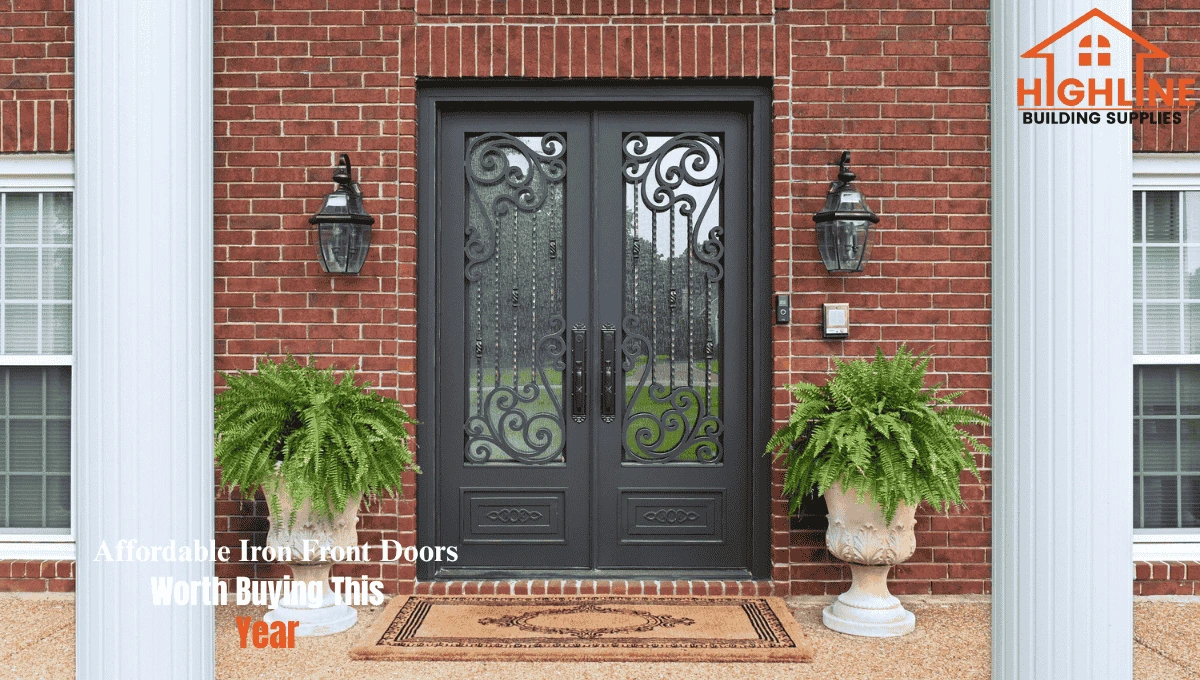
If a client is also comparing wood and metal entry options, it can be useful to read related material such as affordable iron front doors to understand how different front door materials perform in design-focused residential projects.
Short Builder Testimonials
We learned the hard way that door quality isn’t just about wood species. The supplier’s prep and accuracy made the biggest difference on install day.
— Residential Builder, Texas
A good supplier saves labor. When the door arrives correctly prehung and properly packed, the crew can move fast.
— Project Manager, Custom Homes
Clients notice front doors immediately. We need something that looks premium but also installs without surprises.
— Renovation Contractor, Florida
Best Practices for Builders Working With Mahogany Doors
Expert Tips That Actually Help
Seal early and correctly
Do not delay finishing after delivery. Exterior wood doors should be protected as soon as practical.
Keep doors out of harsh exposure when possible
A covered entry can significantly improve long-term performance.
Verify every opening
Never assume repeated plans mean identical openings.
Don’t leave style selection too late
Door lead times can affect framing, trim, and hardware scheduling.
Match glass to lifestyle, not just looks
Street-facing homes often need privacy and daylight balance.
FAQ:
What should builders look for in a mahogany door supplier?
Look for accurate specs, consistent quality, proper prehung setup, and reliable communication. A supplier should understand both design and installation requirements.
Are mahogany doors good for exterior use?
Yes, when they are properly constructed, finished, and installed in suitable conditions. Exposure and maintenance matter a lot.
Is a solid mahogany door always the best choice?
Not automatically. Build quality, moisture control, joinery, and finishing matter just as much as the wood type.
Can builders buy mahogany doors online safely?
Yes, if the supplier provides detailed specs, dependable shipping, and knowledgeable support. Clarity matters more than convenience.
How long do mahogany exterior doors last?
With proper finishing, maintenance, and reasonable weather protection, they can perform well for many years.
What is the biggest mistake builders make with wood entry doors?
Ordering without fully confirming swing, jamb depth, rough opening, and exposure conditions. Most door issues start before installation.
Are glass mahogany doors practical for front entries?
Yes. They can work very well when privacy, energy performance, and exposure are considered during selection.
Final Thoughts
Builders don’t just need a beautiful door they need a dependable process behind it. The right mahogany door supplier helps reduce delays, improve installation outcomes, and support long-term homeowner satisfaction. That matters whether you’re sourcing a classic panel entry or a glass-forward mahogany exterior door for a more modern build.
At the end of the day, the best supplier is the one that helps builders avoid preventable problems. Good materials matter. But practical support, product accuracy, and real-world understanding matter just as much.
If you’re planning upcoming projects, it’s worth taking the extra time to evaluate supplier quality before you place the order. That’s where better builds often begin.
About the Author
Editorial Team at Highline Supplies
This article was prepared by the Highline Supplies editorial team with input from professionals familiar with residential entry systems, exterior door selection, and practical installation considerations. The team focuses on clear, experience-based content that helps homeowners, builders, and contractors make better material decisions with fewer surprises on the job.


Leave a comment