
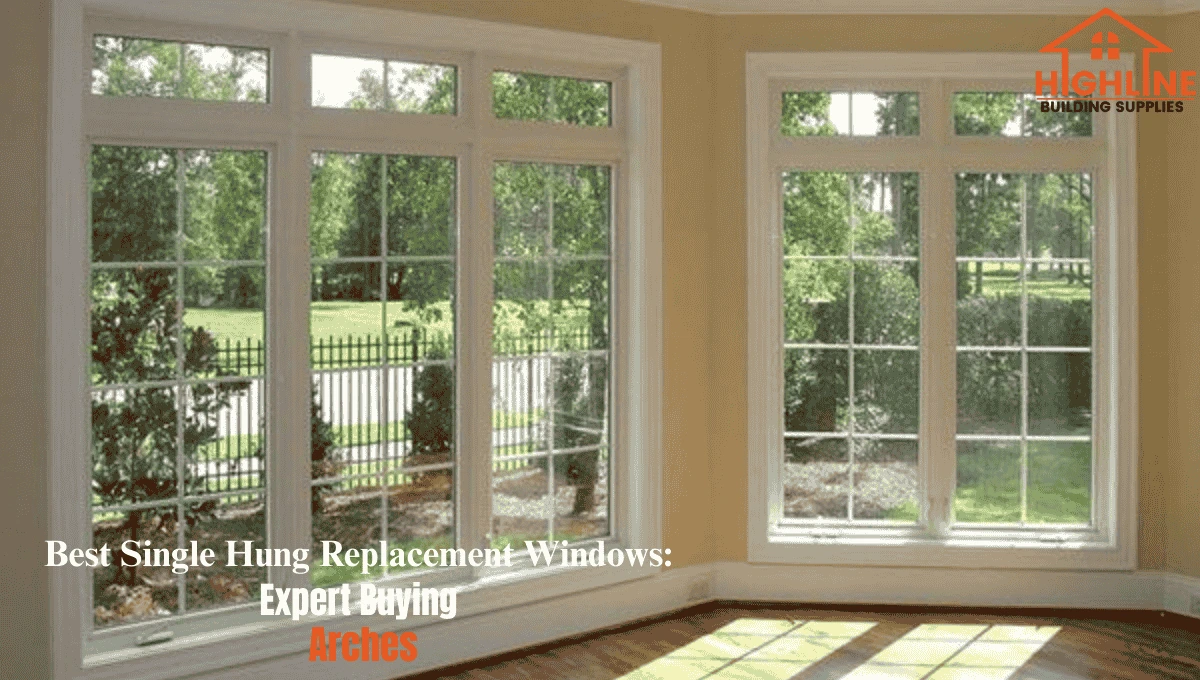
Choosing the best single hung replacement windows can make a significant difference in your home’s comfort, energy efficiency, and long-term maintenance costs. For homeowners updating older properties or contractors handling renovation projects understanding how single hung windows work and how to choose the right option is essential.
Single hung windows remain one of the most widely installed window styles in residential construction. They’re simple, durable, and often more affordable than other window types. But not all replacement windows are built the same. Frame materials, glass options, installation quality, and sizing all affect performance.
In this expert buying guide, we’ll walk through what single hung windows are, how they compare with other window styles, what features actually matter in real-world installations, and how to choose the right size and model such as INSPIRE VINYL SH 24×24, INSPIRE VINYL SH 24×36, and INSPIRE VINYL SH 24×48 for your home improvement project.
What Are Single Hung Windows?
A single hung window is a vertical sliding window where:
- The bottom sash moves up and down
- The top sash remains fixed
This design has been used in homes for over a century because of its reliability and straightforward mechanics.
How It Works
- The bottom panel (sash) slides upward to allow ventilation
- The upper panel remains stationary within the frame
- Many modern models include tilt-in features for easier cleaning
Because only one sash moves, single hung windows tend to have fewer mechanical components, which often means lower maintenance over time.
Why Single Hung Windows Are Still Popular
Despite the availability of modern window styles, single hung windows remain common in both renovations and new builds.
Here’s why.
- Affordability
Compared to double hung windows, single hung units typically cost less due to their simpler design.
This makes them ideal for:
- Whole-home window replacement projects
- Rental property upgrades
- Budget-conscious renovations
- Energy Efficiency
Fewer moving parts often mean tighter seals. With proper weatherstripping and insulated glass, these windows can significantly improve energy performance.
- Durability
Since the upper sash doesn’t move, there’s less wear on the frame and hardware over time.
- Simple Operation
Single hung windows are easy to use and intuitive for homeowners of all ages.
Common Sizes for Replacement Projects
When replacing windows, size compatibility is one of the most important considerations.
Many residential renovations rely on standard window sizes to reduce installation complexity and cost.
Some commonly used options include:
This compact square window is commonly used in:
- Bathrooms
- Basements
- Laundry rooms
- Stairwells
Because it provides ventilation without taking up much wall space, it’s a practical solution for smaller areas.
A mid-size vertical window, this model works well in:
- Bedrooms
- Hallways
- Secondary living spaces
It provides more natural light while maintaining energy efficiency.
This taller configuration is commonly used in:
- Living rooms
- Dining rooms
- Home offices
It allows for increased daylight and better outdoor visibility.
Vinyl vs Other Window Materials
One of the biggest decisions when selecting replacement windows is frame material.
Vinyl Windows (Most Common)
Vinyl windows dominate the replacement market for several reasons:
Advantages
- Excellent insulation
- Low maintenance
- Moisture resistance
- Affordable pricing
- No painting required
Limitations
- Limited color options compared to wood
- Slight expansion in extreme temperature swings
For most homeowners, vinyl offers the best balance of durability and cost.
Wood Windows
Wood frames provide a traditional aesthetic but require regular maintenance.
Pros:
- Classic appearance
- Paintable or stainable
Cons:
- Higher cost
- Susceptible to moisture damage if not maintained
Aluminum Windows
Aluminum frames are strong but less energy efficient than vinyl.
They’re typically used in:
- Commercial buildings
- Modern architectural designs
Key Features to Look for When Buying Replacement Windows
Not all windows perform the same, even if they appear similar.
Here are the features professionals look for during installation.
- Energy-Efficient Glass
Look for insulated glass units (IGUs) with:
- Double-pane or triple-pane glass
- Low-E coatings
- Argon or krypton gas fills
These features reduce heat transfer and improve indoor comfort.
- Quality Weatherstripping
Good weatherstripping prevents:
- Drafts
- Water intrusion
- Energy loss
Inexpensive windows often cut corners here.
- Durable Hardware
The balance system controls how smoothly the sash moves.
Better systems:
- Operate smoothly
- Resist wear
- Maintain alignment over time
- Easy Cleaning Mechanisms
Tilt-in sashes make cleaning safer and more convenient—especially for second-story windows.
Real-World Installation Considerations
From years of renovation projects, installers consistently emphasize one thing:
Even the best window fails if installed poorly.
Here are practical factors that matter during installation.
Measure Carefully
Replacement windows must fit the existing rough opening precisely.
Common measurement mistakes include:
- Ignoring frame depth
- Forgetting about siding thickness
- Not accounting for shimming space
Check the Existing Frame
If the surrounding frame is:
- Rotten
- Warped
- Structurally compromised
The window opening may need repairs before installation.
Skipping this step can lead to:
- Air leaks
- Water damage
- Poor insulation
Insulate Around the Frame
Proper insulation between the window and wall cavity is critical.
Professionals typically use:
- Low-expansion spray foam
- Backer rod and sealant
This step prevents drafts and improves overall efficiency.
Common Mistakes Homeowners Make
Many window replacement problems stem from simple oversights.
Choosing the Cheapest Option
Lower-cost windows may lack:
- Proper insulation
- Strong balance systems
- Durable seals
The result is often higher heating and cooling costs over time.
Ignoring Climate Conditions
Different climates require different window performance levels.
For example:
- Cold climates benefit from triple-pane glass
- Hot regions need Low-E coatings that reflect heat
Not Considering Ventilation Needs
Single hung windows provide airflow only from the bottom sash.
In spaces requiring better ventilation, other styles may be more suitable.
Where Single Hung Windows Work Best
These windows are ideal for specific areas of the home.
Bedrooms
They offer natural light and ventilation without occupying extra space.
Bathrooms
Smaller sizes provide airflow while maintaining privacy.
Basements
Compact single hung units fit well in limited wall space.
Rental Properties
Property owners often choose them for their durability and cost-efficiency.
Expert Tips for Choosing the Right Replacement Window
Based on contractor experience, these tips help homeowners make smarter decisions.
Match Window Style to Your Home
Traditional homes often look best with single hung windows because they maintain the architectural character.
Focus on Energy Ratings
Check for labels such as:
- U-Factor
- Solar Heat Gain Coefficient (SHGC)
These numbers indicate how well the window insulates.
Replace Multiple Windows at Once
Installing several windows together often reduces:
- Labor costs
- Installation time
Complementary Home Improvements
Window upgrades often happen alongside other renovation projects.
For example, homeowners replacing windows frequently update interior finishes like flooring.
If you’re planning a broader renovation, this guide on best luxury vinyl plank flooring can help you evaluate durable, water-resistant flooring options for modern homes.
Pairing efficient windows with durable flooring can dramatically improve both the comfort and value of a home.
Customer Experiences With Single Hung Replacement Windows
Homeowners often share similar feedback after installing replacement windows.
Rachel M., Homeowner
We replaced the original windows in our 1980s home with vinyl single hung units. The difference in indoor temperature during winter was noticeable right away.
Daniel S., Property Manager
For rental properties, single hung windows are reliable and affordable. We’ve installed dozens across multiple units with very few maintenance issues.
Karen L., Renovation Enthusiast
Our contractor recommended vinyl single hung windows because they’re simple and efficient. They’ve been easy to clean and operate.
FAQ:
Are single hung windows energy efficient?
Yes, modern models with insulated glass and Low-E coatings can provide excellent energy efficiency. Proper installation and sealing are just as important as the window itself.
What is the difference between single hung and double hung windows?
Single hung windows have one movable sash, while double hung windows allow both the top and bottom sashes to move.
Double hung windows offer more ventilation but typically cost more.
How long do vinyl single hung windows last?
Quality vinyl windows often last 20–30 years or longer, depending on climate, maintenance, and installation quality.
Are single hung windows good for bedrooms?
Yes. They provide adequate ventilation, natural light, and a clean appearance, making them a common choice for bedroom installations.
Can you install replacement windows yourself?
DIY installation is possible for experienced homeowners, but improper installation can cause drafts, leaks, and structural issues. Many people choose professional installation to avoid these risks.
Final Thoughts
Finding the best single hung replacement windows requires more than choosing a size or material. Homeowners should consider energy efficiency, durability, frame material, and installation quality before making a decision.
Single hung windows remain a practical and dependable solution for many homes. With their simple design, reliable performance, and cost-effective pricing, they continue to be one of the most widely used window styles in residential construction.
Whether you’re upgrading a single room or planning a full home renovation, understanding the features that matter most will help you make a more confident and informed choice.
About the Author
Highline Supplies Editorial Team
The Highline Supplies editorial team works closely with contractors, builders, and renovation specialists to provide practical home improvement guidance. Drawing on hands-on experience with construction materials, flooring systems, and building products, the team focuses on helping homeowners understand what works in real-world projects—not just in product brochures. Their goal is to simplify complex renovation decisions with clear, trustworthy information.


Leave a comment