

Choosing the best windows for homes is one of those decisions that quietly shapes daily comfort, long-term costs, and how a house feels year after year. Windows influence natural light, airflow, insulation, noise levels, and even how welcoming a home looks from the street. Yet many homeowners only realize their importance after drafts appear, energy bills rise, or frames start sticking.
This guide is written to help homeowners make informed, practical decisions—without sales pressure or overpromising. Drawing from real-world experience in residential construction and renovation, we’ll break down what truly matters when selecting windows that deliver style, strength, and genuine savings over time.
Why Window Choice Matters More Than Most People Expect
Windows aren’t decorative add-ons. They are working components of the home envelope. Poor window choices can lead to:
- Higher heating and cooling costs
- Uncomfortable indoor temperatures
- Increased outside noise
- Premature replacement expenses
On the other hand, well-chosen windows quietly do their job for decades. At Highline Building Supplies, conversations with contractors and homeowners often circle back to one lesson: replacing windows once is expensive—doing it twice is worse.
Understanding the Basics: What Makes a Window “Good”
Glass Is Only Part of the Story
Most people focus on glass windows, but performance comes from how all parts work together:
- Glass type and thickness
- Frame material
- Seals and weatherstripping
- Installation quality
A high-quality window with poor installation will still fail. Likewise, an average window installed correctly can outperform expectations.
Window Styles Explained: Benefits and Limitations
Picture Windows: Light Without Complication
Picture windows for sale are fixed windows designed to bring in maximum natural light.
Best for:
- Living rooms
- Areas with scenic views
- Homes prioritizing energy efficiency
Pros:
- Fewer moving parts
- Excellent insulation
- Often more affordable than operable windows
Limitations:
- No ventilation
They age well because there’s less that can break or wear out.
Vinyl Single Hung Windows: Practical and Reliable
The vinyl single hung window remains a favorite for homeowners who want value and performance.
Why they’re popular:
- Cost-effective
- Easy to maintain
- Good energy efficiency
Things to consider:
- Ventilation only from the bottom sash
- Fewer design variations than premium styles
For bedrooms and standard living spaces, they strike a strong balance between price and durability.
Sliding Windows: Function Meets Simplicity
Sliding windows operate horizontally and work well in spaces where vertical opening isn’t practical.
Advantages:
- Easy operation
- Wide openings for airflow
- Simple mechanical design
Drawbacks:
- Tracks need regular cleaning
- Slightly less airtight than fixed windows
They’re commonly used in kitchens, basements, and modern layouts.
Frame Materials: Where Long-Term Value Is Won or Lost
Vinyl Frames
Vinyl remains one of the most practical choices for residential windows.
- Resistant to moisture
- Minimal maintenance
- Good insulation properties
This is why vinyl frames appear so often in homes focused on long-term savings.
Aluminum Frames
Strong and slim, aluminum frames suit modern designs but may transfer heat more readily.
They work best in mild climates or when thermal breaks are included.
Energy Efficiency: What Actually Saves Money
Ratings Are Useful—but Context Matters
Energy ratings help, but they’re not universal truths. A window perfect for a cold climate may be unnecessary in warmer regions.
Focus on:
- Proper sealing
- Appropriate glass for your climate
- Professional installation
Savings come from matching performance to real conditions—not from buying the highest-rated option blindly.
Practical Considerations Homeowners Overlook
Installation Is as Important as the Window Itself
Even the best windows for homes can underperform if installed incorrectly. Poor leveling, gaps, or rushed sealing often cause:
- Air leaks
- Water intrusion
- Frame warping
Experienced installers matter as much as the product.
Standard Sizes Save More Than You Think
Custom sizes increase cost and lead time. When possible, choosing standard window dimensions simplifies replacement and lowers expenses.
Common Mistakes That Cost Money Later
- Choosing style over performance
- Ignoring frame material quality
- Overpaying for features that don’t fit the climate
- Mixing incompatible window types across the home
Most of these mistakes don’t show up right away—but they surface within a few seasons.
Expert Tips for Choosing Windows That Last
- Use fixed windows where ventilation isn’t needed
- Choose operable windows only where airflow matters
- Match window style to room function
- Invest in proper flashing and sealing
Professionals often say: “A simple window installed well beats a complex one installed poorly.”
Real-World Use Cases
Renovation Focused on Energy Savings
A homeowner replaced aging aluminum windows with vinyl single hung units and added picture windows in the living room. Energy bills dropped noticeably, and interior comfort improved within weeks.
New Build Designed for Longevity
A builder combined sliding windows in common areas with fixed windows in high-light zones. The result was balanced airflow, fewer mechanical parts, and lower long-term maintenance.
Windows and the Bigger Home Picture
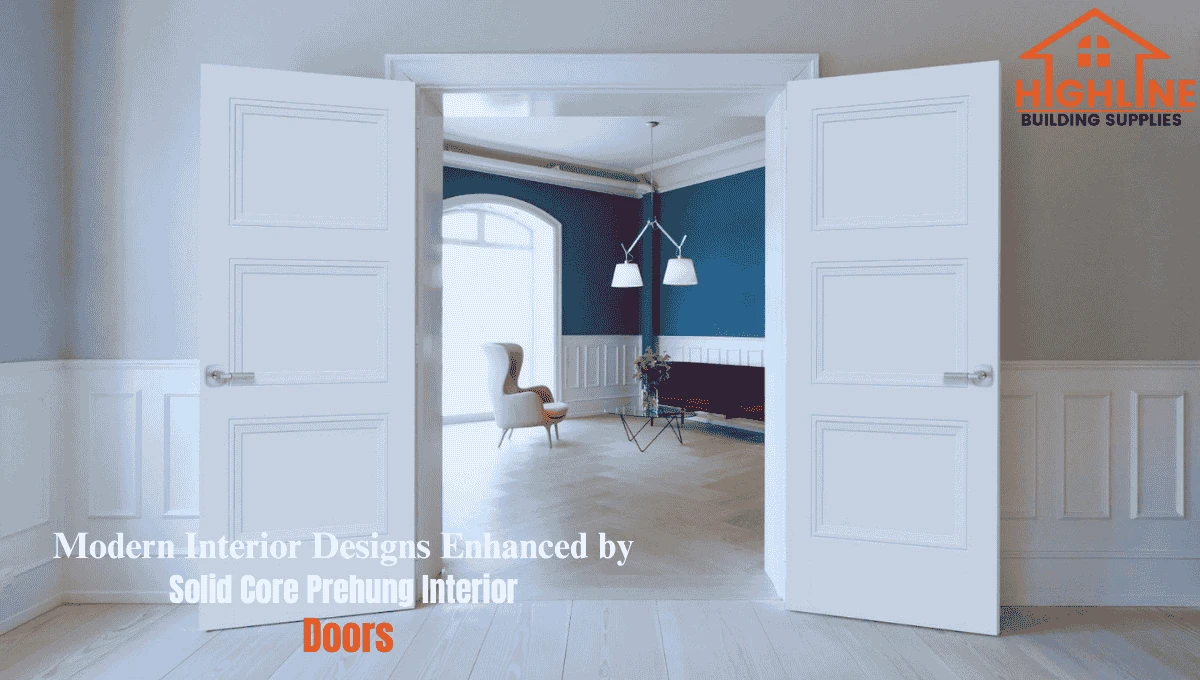
Windows don’t exist in isolation. They work alongside doors, insulation, and interior finishes to shape comfort and efficiency. For homeowners thinking holistically, this guide on interior doors for homes shows how interior components also impact long-term performance and value.
FAQ:
How long should residential windows last?
Quality windows can last 20–30 years or more with proper installation and care.
Are vinyl windows suitable for all climates?
In most regions, yes. Vinyl performs well in both cold and moderate climates.
Do picture windows reduce energy efficiency?
No. Since they don’t open, they often insulate better than operable windows.
Is replacing all windows at once cheaper?
Often, yes. Bulk purchasing and single installation timelines reduce labor costs.
What Homeowners Say
Replacing our old windows made the house quieter and easier to heat.
We didn’t realize how much light fixed windows could add.
The advice helped us avoid paying for features we didn’t need.
Final Thoughts: Smart Windows Pay You Back
The best windows for homes aren’t necessarily the most expensive or trendy. They’re the ones that fit your climate, your layout, and your long-term plans. By focusing on performance, simplicity, and proper installation, homeowners can enjoy better comfort, lower bills, and windows that quietly do their job for decades.
About the Author
This article was written by the Highline Building Supplies editorial team, drawing on hands-on experience with builders, renovators, and homeowners. The goal is to provide clear, practical guidance that helps people make confident decisions grounded in real-world performance—not marketing hype.

Leave a comment